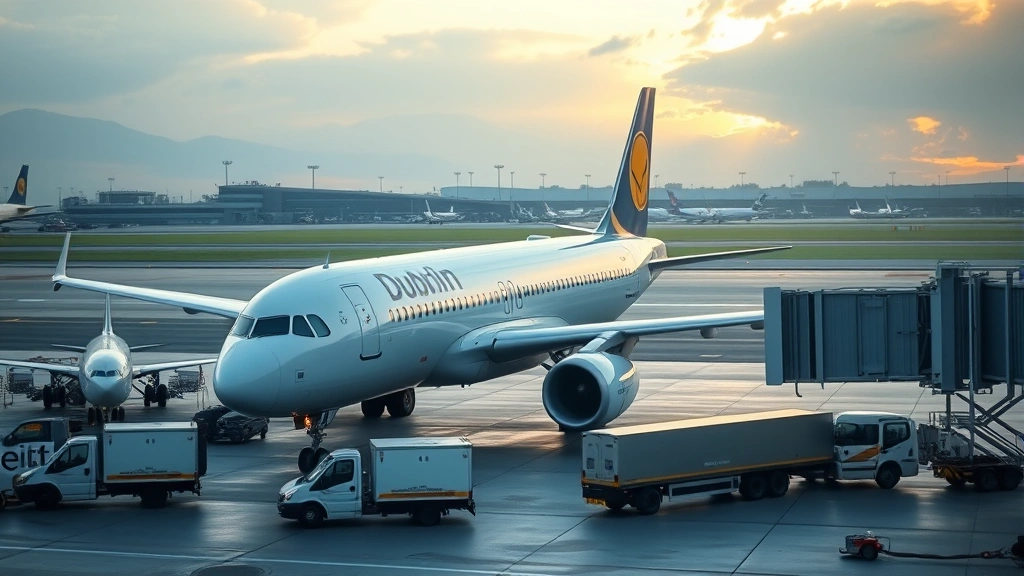
Working as an Emirates flight attendant represents one of the most coveted positions in the aviation industry. With its headquarters in Dubai, Emirates Airlines operates one of the world’s largest fleets of Boeing 777s and Airbus A380s, making it a dream destination for cabin crew professionals worldwide. This comprehensive guide explores the real experiences of Emirates flight attendants, from recruitment challenges to daily life at 35,000 feet.
Emirates is renowned for its exceptional service standards and luxury cabin experience. Flight attendants working for this carrier don’t just serve beverages and meals—they represent a brand synonymous with elegance, professionalism, and Middle Eastern hospitality. Whether you’re considering a career in aviation or simply curious about what happens behind the cabin doors, these firsthand accounts provide invaluable insights into this unique profession.

The Recruitment Process and Selection
Becoming an Emirates flight attendant is notoriously competitive. The airline receives hundreds of thousands of applications annually, yet accepts only a small percentage. The recruitment process is rigorous and designed to identify candidates who embody the Emirates brand values: professionalism, cultural sensitivity, and exceptional customer service skills.
The initial application requires candidates to meet strict physical requirements. Applicants must be between 160 cm and 190 cm tall, possess clear vision (correctable to 6/6), and maintain a professional appearance. Weight must be proportionate to height, and candidates cannot have visible tattoos or piercings beyond a single ear piercing per ear.
Successful applicants advance to video interviews, where Emirates assesses communication skills, personality, and cultural awareness. These interviews are conducted in English, though multilingual abilities significantly enhance candidacy. The airline particularly values cabin crew who speak Arabic, Mandarin, Spanish, or French fluently.
The final selection stage involves group assessments and in-person interviews conducted at Emirates’ recruitment centers globally. Candidates participate in team exercises, emergency scenario simulations, and one-on-one interviews with senior cabin crew managers. One attendant shared that her interview included a surprise water evacuation drill to test composure under pressure.
Unlike many airlines, Emirates requires flight attendants to relocate to Dubai. This non-negotiable requirement ensures crew availability for rapid scheduling changes and maintains the airline’s operational efficiency. The company provides initial accommodation support, though many attendants eventually secure their own housing in Dubai’s diverse communities.

Initial Training and Certification
Once hired, new Emirates flight attendants undergo intensive training at the airline’s state-of-the-art facility in Dubai. The initial training program spans seven weeks and covers everything from emergency procedures to premium service delivery.
The curriculum includes mandatory safety training certified by aviation authorities. Trainees learn evacuation procedures, first aid, fire safety, and security protocols. They practice emergency landings, water landings, and evacuation slides on full-scale aircraft mockups. The International Civil Aviation Organization (ICAO) sets stringent standards for this training, ensuring consistency across international carriers.
Service training focuses on Emirates’ legendary hospitality standards. Trainees master beverage service, meal presentation, and first-class cabin procedures. They learn to recognize frequent flyer elite members, anticipate passenger needs, and handle complaints with grace. One attendant described the training as “finishing school meets military academy”—extremely thorough yet demanding.
Product knowledge training is extensive. Attendants must understand every amenity offered across different cabin classes, from the shower spa on the A380 to the premium beverages in first class. They learn about destination-specific services and cultural considerations for passengers traveling to various regions.
Language training is provided for non-native English speakers, ensuring all crew members communicate clearly during emergencies and service delivery. Additionally, attendants receive cultural sensitivity training, preparing them to serve passengers from over 200 nationalities respectfully and appropriately.
Upon completion, new flight attendants receive their cabin crew certification and begin reserve duty, standing by for flight assignments. The first months involve working unpredictable schedules, covering last-minute flights, and gradually building seniority and route preferences.
Daily Life on International Routes
An Emirates flight attendant’s workday differs dramatically from ground-based professions. A typical long-haul flight might involve 12-16 hours of duty time, though actual flight duration varies. Consider a Dubai to New York flight—the aircraft departs in the evening, and after 14+ hours of flying, attendants arrive the following morning, completely exhausted.
Shift work dominates their schedule. Flight attendants work irregular hours, including nights, weekends, and holidays. Many describe the experience as similar to working for the best airlines for long flights, where your internal clock constantly adjusts to different time zones.
On board, the workday begins before passenger boarding. Crew members conduct safety checks, verify emergency equipment functionality, and prepare the cabin. Once passengers board, the service cycle begins: welcome beverages, meal service (sometimes multiple seatings in first class), cabin checks, and finally, cabin preparation for landing.
First-class service on Emirates is legendary. Attendants present multi-course meals on fine china, serve premium wines, and offer amenities like shower spas on A380 flights. One attendant recounted serving a passenger who requested a specific champagne vintage not originally stocked—the crew arranged special provisions for his next flight. This level of personalization defines Emirates service.
Economy cabin service, while less lavish, maintains high standards. Attendants manage hundreds of passengers, delivering meals, beverages, and assistance with remarkable efficiency. Bathroom maintenance, trash collection, and passenger assistance occur continuously throughout flights.
Safety remains paramount. Attendants complete pre-flight safety briefings, monitor cabin pressurization and oxygen systems, and remain vigilant for security threats. Though emergencies are rare, flight attendants train extensively to handle medical incidents, mechanical issues, and unruly passengers.
Layover Experiences Across the Globe
Layovers represent one of the most exciting aspects of working as an Emirates flight attendant. The airline operates routes to major cities worldwide, providing crew members opportunities to explore diverse destinations.
Layover duration depends on route length and scheduling. Short-haul flights might involve 12-18 hour turnarounds, barely allowing time for sleep. Long-haul international flights often include 24-48 hour layovers, permitting genuine exploration. Attendants working routes to cities like Denver and Orlando experience shorter layovers than those flying to London, Paris, or Bangkok.
Emirates provides hotel accommodation during layovers, typically mid-range properties in central locations. Attendants receive per diem allowances covering meals and incidentals. Senior crew members with better seniority access premium hotels and longer layovers on desirable routes.
One attendant shared stories of exploring Bangkok’s night markets during a 36-hour layover, visiting London’s museums between flights, and enjoying authentic pasta in Rome. These experiences, accumulated over years of flying, create a lifestyle many find irresistible. Another crew member described layovers as “being paid to travel,” though the exhaustion from long flights sometimes limits exploration.
Layovers also foster strong friendships among crew members. Attendants working the same routes regularly form close bonds, exploring destinations together, sharing accommodations, and supporting each other through the challenges of international travel.
However, layovers aren’t purely recreational. Attendants must manage jet lag, handle laundry, purchase necessities, and often sleep more than explore. The romantic notion of constant travel must be balanced against fatigue and the reality that many layovers involve minimal sleep before returning to work.
Challenges and Rewards
Working as an Emirates flight attendant presents unique challenges alongside significant rewards. Understanding both perspectives provides realistic insight into this career path.
Physical Demands: The job is physically taxing. Attendants stand for hours, push heavy service carts through turbulence, lift luggage, and maintain composure despite fatigue. Long flights across time zones disrupt sleep patterns, affecting overall health. Many attendants develop chronic back pain, foot problems, and sleep disorders. Despite these challenges, Emirates provides comprehensive health insurance covering occupational health issues.
Irregular Schedules: Unpredictable schedules strain personal relationships and family planning. Birthdays, anniversaries, and holidays are often spent away from loved ones. Missing children’s school events and family gatherings takes emotional toll. One attendant described the difficulty of maintaining relationships while working irregular international schedules.
Demanding Passengers: While most passengers are respectful, flight attendants encounter rude, intoxicated, or abusive individuals. De-escalation skills and emotional resilience are essential. Emirates provides security training and support for incidents, but emotional impact remains significant.
Safety Responsibilities: Flight attendants carry enormous responsibility for passenger safety. They must remain alert, follow protocols precisely, and handle emergencies calmly. This constant responsibility creates psychological pressure, though most find it manageable with proper training.
Rewards and Benefits: The position offers substantial compensation. New attendants earn approximately 4,000-5,000 AED monthly (roughly $1,000-1,300 USD), with tax-free income in the UAE. Senior crew members earn significantly more, with additional allowances for long flights and international experience. Annual leave typically includes 30 days, and crew members receive discounted flights for family and friends.
The lifestyle attracts many seeking adventure and cultural exposure. Attendants develop global perspectives, speak multiple languages, and build international networks. The career offers genuine prestige—Emirates is recognized worldwide as a premier airline, and working for the carrier enhances professional credibility.
Personal growth opportunities are substantial. Attendants develop confidence, crisis management skills, and cultural competence. Many report increased self-assurance and capability after several years in the position. The diverse passenger base and international environment create continuous learning opportunities.
Career Progression Opportunities
Emirates offers career advancement pathways for ambitious flight attendants. While some view the role as temporary, others build decades-long careers with the airline.
Senior Flight Attendant positions involve supervising cabin crew, ensuring service standards, and managing complex situations. These roles require minimum tenure and demonstrated leadership abilities. Senior attendants earn substantially more and gain scheduling preferences, often securing routes they prefer.
Purser positions represent higher management levels, responsible for entire cabin operations, passenger relations, and crew coordination. Pursers undergo additional training and typically supervise multiple junior attendants on large aircraft.
Training Instructor roles allow experienced attendants to transition into training new crew members. These positions offer regular schedules, Dubai-based work, and the satisfaction of mentoring future flight attendants. Many who pursue this path eventually move into airline management.
Some attendants leverage their experience into related roles: airline customer service management, airport operations, corporate communications, or tourism industry positions. The skills developed—customer service excellence, crisis management, multilingual communication—transfer across hospitality and tourism sectors.
Several former Emirates flight attendants have launched successful businesses, including travel blogs, consulting firms, and hospitality companies. The global network and industry knowledge gained through cabin crew work provide valuable foundations for entrepreneurship.
Work-Life Balance and Personal Stories
Achieving work-life balance as an Emirates flight attendant requires intentional effort and realistic expectations. The irregular schedule fundamentally differs from traditional employment.
One attendant, Maria from Spain, described her experience: “The first year was overwhelming. I missed my sister’s wedding and my mother’s birthday. But I traveled to 45 countries, earned excellent money, and gained confidence I never had before. Eventually, I learned to schedule personal time and request specific routes. Now, after five years, I have layovers strategically timed to visit family quarterly.”
Another crew member, Ahmed from India, emphasized the financial benefits: “I support my family back home, contribute to my parents’ retirement, and save significantly. The tax-free salary in the UAE enabled me to achieve financial goals that would take decades elsewhere. The trade-off is worth it for my family’s security.”
Sarah, from Australia, highlighted the social aspects: “I’ve built friendships that transcend typical work relationships. We travel together, support each other through challenges, and celebrate milestones. This crew becomes your family when you’re far from home.”
However, not all experiences are positive. Some attendants struggle with loneliness, health issues from irregular sleep schedules, and relationship difficulties. The demanding nature of the job isn’t suitable for everyone. Those with family responsibilities, health conditions, or strong community ties often find the lifestyle unsustainable long-term.
Many attendants use their experience strategically—working intensively for 3-5 years to accumulate savings and international experience, then transitioning to less demanding roles or different careers. This approach maximizes financial benefits while minimizing long-term lifestyle impact.
Successful attendants develop coping strategies: maintaining fitness despite irregular schedules, using technology to stay connected with family, joining crew support groups, and establishing routines during layovers. Mental health awareness is increasingly recognized within the aviation industry, with the International Air Transport Association (IATA) promoting crew wellness initiatives.
For those seeking adventure, cultural exposure, and financial opportunity, the position offers unparalleled experiences. The key is entering with realistic expectations, understanding personal limits, and establishing support systems that sustain well-being throughout your tenure.
FAQ
What qualifications do I need to become an Emirates flight attendant?
You must be at least 18 years old, possess a secondary school certificate or equivalent, and meet height requirements (160-190 cm). Excellent English communication, customer service experience, and a professional appearance are essential. Multilingual abilities significantly enhance your candidacy. You must also be willing to relocate to Dubai.
How much do Emirates flight attendants earn?
New cabin crew members earn approximately 4,000-5,000 AED monthly (tax-free), with senior positions earning 6,000-8,000+ AED. Additional allowances apply for long flights and international experience. Benefits include housing subsidies, health insurance, annual leave, and discounted flights. Total compensation packages are highly competitive within the aviation industry.
Is the job suitable for people with family responsibilities?
The irregular schedule makes balancing family responsibilities challenging. However, with seniority, attendants gain better scheduling control and can request specific routes. Some successfully manage families while working part-time or reduced schedules. It depends on your family situation, support system, and personal priorities. Consider these factors carefully before applying.
How long is the initial training program?
The training program lasts seven weeks and covers safety certification, service procedures, emergency protocols, and product knowledge. Additional language and cultural training may extend the program. After completion, new attendants begin reserve duty, covering flights as needed until securing preferred routes.
What are the best routes for Emirates flight attendants?
Routes to major cities like London, Paris, New York, and Bangkok are popular for longer layovers and cultural opportunities. However, “best” routes depend on personal preferences—some prefer shorter regional flights, while others seek maximum international travel. Seniority determines route preferences, and attendants typically gain choice after 2-3 years.
Can you request specific routes or schedule preferences?
Yes, but seniority determines preference levels. New attendants work on reserve, accepting available flights. After 6-12 months, you can bid for specific routes based on seniority. Senior crew members with years of tenure have excellent scheduling control and can secure preferred routes regularly.
What support is available for mental health and wellness?
Emirates provides occupational health services, counseling support, and crew wellness programs. The airline increasingly recognizes mental health importance in aviation. However, crew members also rely on peer support, personal coping strategies, and external resources. Seeking support when needed is encouraged and normalized within progressive airline cultures.