Evolution of Flight Attendant Uniforms: Industry Insights and Modern Standards
The flight attendant uniform has undergone a remarkable transformation since commercial aviation’s earliest days. What began as a symbol of luxury and exclusivity has evolved into a carefully designed ensemble that balances professionalism, practicality, and brand identity. Today’s uniforms reflect decades of innovation, cultural shifts, and the changing demands of modern air travel. Understanding this evolution provides fascinating insights into how the aviation industry adapts to passenger expectations, safety requirements, and workplace equality.
Flight attendant uniforms serve multiple critical functions beyond aesthetics. They establish immediate passenger recognition, reinforce airline branding, ensure safety compliance, and support crew members through long shifts in challenging environments. The modern uniform represents a convergence of fashion, function, and corporate strategy that few travelers consider while boarding their flights. From the glamorous 1950s stewardess look to today’s contemporary designs, these uniforms tell the story of aviation’s evolution and the professionalization of cabin crew roles.
The Golden Age of Aviation Uniforms
During the 1950s and 1960s, air travel represented the pinnacle of luxury and sophistication. Airlines competed fiercely for passengers, and the flight attendant uniform became a powerful marketing tool. These early uniforms were deliberately fashionable, often featuring tailored designs, elegant fabrics, and styling that rivaled haute couture. Airlines employed renowned fashion designers to create uniforms that would photograph well and inspire admiration among travelers.
The stewardess uniform of this era typically included structured jackets, pencil skirts, and coordinated accessories that emphasized femininity and elegance. Airlines like Pan American, TWA, and others invested heavily in creating distinctive visual identities. Crew members were required to maintain specific grooming standards, including hairstyles, makeup, and nail care. These uniforms were more than clothing—they were carefully crafted brand ambassadors that communicated luxury and reliability to discerning travelers.
However, this golden age also reflected the cultural attitudes of its time. Uniforms were designed exclusively for female flight attendants, emphasizing appearance over functionality. Male crew members, where they existed, wore simple pilot-style uniforms. The emphasis on youth and appearance created an industry that prioritized aesthetics over practical considerations like comfort during 12-hour shifts or the physical demands of cabin service.
1970s-1980s: Modernization and Practicality
As the aviation industry matured and air travel became more accessible to the general public, uniform design underwent significant changes. The 1970s and 1980s brought a shift toward more practical, functional designs that acknowledged the demanding nature of cabin crew work. Airlines began incorporating elements that made sense for professionals working in confined spaces at high altitudes.
This era saw the introduction of pantsuits and more comfortable fabrics that allowed greater mobility. The uniform evolution reflected broader societal changes, including the women’s liberation movement and changing workplace standards. Airlines began hiring more male flight attendants, which necessitated designing uniforms that worked for diverse body types and genders. The focus gradually shifted from pure glamour to a balance between professional appearance and practical functionality.
During this period, many airlines updated their uniform color palettes and silhouettes to reflect contemporary fashion trends while maintaining brand recognition. Designs became less restrictive, fabrics were chosen for durability and ease of care, and uniform policies began acknowledging that crew members needed clothing suitable for rapid movement, bending, lifting, and working in varied cabin temperatures.
1990s-2000s: Brand Identity Takes Center Stage
The last two decades of the twentieth century and the early 2000s witnessed the emergence of uniforms as critical brand differentiation tools. Airlines recognized that their flight attendant uniform contributed significantly to brand perception and customer loyalty. Major carriers invested in complete uniform overhauls, often working with renowned fashion designers and design houses.
This period saw airlines like United, American, and international carriers like Lufthansa and Singapore Airlines commission high-fashion designers to create distinctive uniforms. These designs balanced contemporary aesthetics with practical requirements, creating ensembles that looked sophisticated while accommodating the realities of cabin service. The 1990s and 2000s also brought increased attention to inclusivity, with airlines developing uniform options for crew members of varying body sizes and physical capabilities.
Brand recognition became paramount, with airlines using distinctive colors, patterns, and design elements to create instantly recognizable crew members. Uniforms became more tailored and contemporary, reflecting modern fashion sensibilities. Airlines also began implementing more detailed grooming guidelines that were applied consistently regardless of gender, moving away from the gender-specific standards of earlier decades.
Contemporary Uniform Design Standards
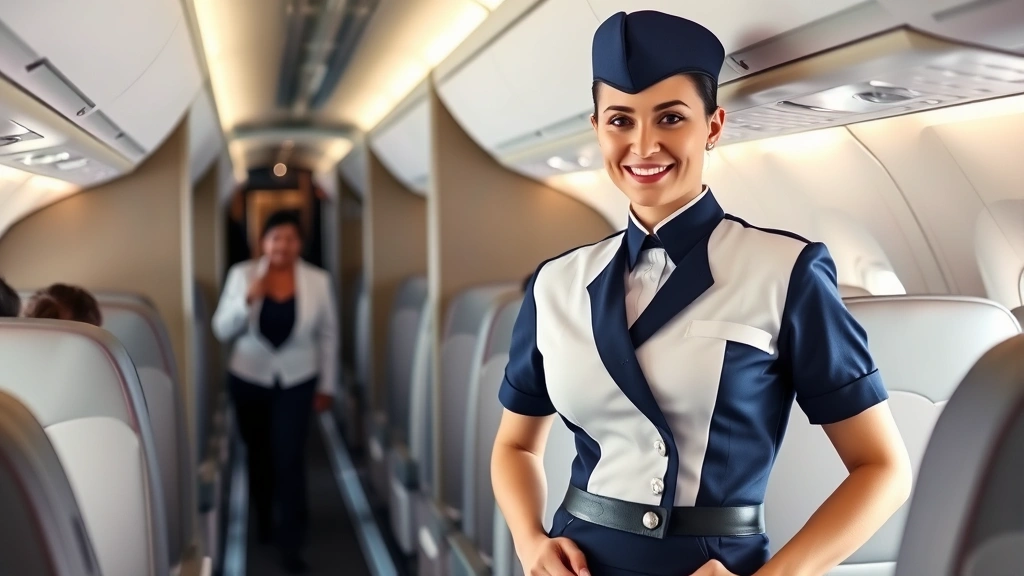
Today’s flight attendant uniform represents the culmination of decades of evolution, combining aesthetics, functionality, and brand strategy. Modern uniforms are designed with input from crew members themselves, ergonomic specialists, and fashion professionals. Airlines understand that uniforms must work for individuals spending eight to twelve hours in confined spaces, moving through narrow aisles, and managing diverse passenger interactions.
Contemporary designs typically feature multiple components that crew members can mix and match based on flight duration, route, and season. A typical uniform ensemble might include a blazer, trousers or skirt options, blouses in multiple colors, and appropriate footwear. Many airlines now offer pants and skirt options for all crew members regardless of gender, recognizing that personal preference and practical considerations should guide choices.
Modern uniforms incorporate technical fabrics that resist wrinkles, stains, and odors—critical features for professionals who may work multiple flights without access to laundering facilities. Colors are chosen for their ability to hide wear while maintaining brand identity. Design details like reinforced seams, functional pockets, and adjustable elements ensure durability and comfort during demanding shifts. For insights into how crew members dress to impress, check out our article on flight attendant dress to impress standards.
Materials, Comfort, and Sustainability
The materials used in modern flight attendant uniforms have evolved dramatically from the natural fibers of earlier decades. Contemporary uniforms typically combine synthetic and natural materials selected for specific performance characteristics. Polyester blends offer wrinkle resistance and easy care, while wool components provide structure and breathability. Some airlines have begun experimenting with innovative fabrics that offer enhanced durability and reduced environmental impact.
Comfort has become a primary consideration in uniform design, as airlines recognize that comfortable crew members provide better service and experience fewer health-related issues. Fabrics are chosen for breathability, stretch capability, and weight distribution. Seams are positioned to avoid pressure points during extended wear. Some airlines have incorporated moisture-wicking technologies borrowed from athletic apparel to help crew members manage temperature fluctuations in aircraft cabins.
Sustainability has emerged as an increasingly important factor in uniform design and production. Airlines are partnering with manufacturers who use eco-friendly dyeing processes, sustainable fabric sources, and ethical manufacturing practices. Some carriers have implemented uniform recycling programs where retired uniforms are repurposed rather than discarded. These initiatives reflect both environmental consciousness and corporate responsibility commitments.
Gender Equality and Uniform Standards
The evolution of flight attendant uniform standards represents a significant shift in workplace equality and professional standards. Early aviation industry uniforms were explicitly gender-specific, with different designs, grooming requirements, and behavioral expectations for male and female crew members. This created an inherently unequal system that prioritized appearance for women while emphasizing authority for men.
Modern airlines have largely moved toward gender-neutral uniform standards, offering multiple silhouettes and style options that crew members can choose based on personal preference and comfort rather than gender. This shift reflects broader workplace equality movements and the recognition that professional appearance doesn’t require gender-specific clothing. Contemporary uniform policies typically specify color, style parameters, and quality standards without dictating whether crew members must wear skirts, trousers, jackets, or alternative styles.
This evolution has been gradual and sometimes contentious, with crew members and unions advocating for more inclusive and flexible uniform standards. Some airlines have implemented trial periods where crew members vote on proposed uniform changes, ensuring that those wearing the uniforms have input into design decisions. This participatory approach has resulted in uniforms that better serve the actual needs and preferences of diverse crew populations.
Safety Features and Functional Design
Beyond aesthetics, modern flight attendant uniforms incorporate numerous safety and functional features that passengers rarely notice. Flight attendants must be able to move quickly through narrow aisles, operate emergency equipment, and assist passengers during unexpected situations. Uniforms are designed with these requirements in mind.
Functional pockets are strategically positioned to hold communication devices, safety equipment, and essential items. Fabrics are selected for their resistance to tearing and abrasion. Closures are designed to remain secure during movement and emergency procedures. Some airlines have incorporated reflective elements into uniforms to enhance visibility in low-light situations. Footwear specifications ensure that crew members can move safely on potentially slippery surfaces while remaining on their feet for extended periods.
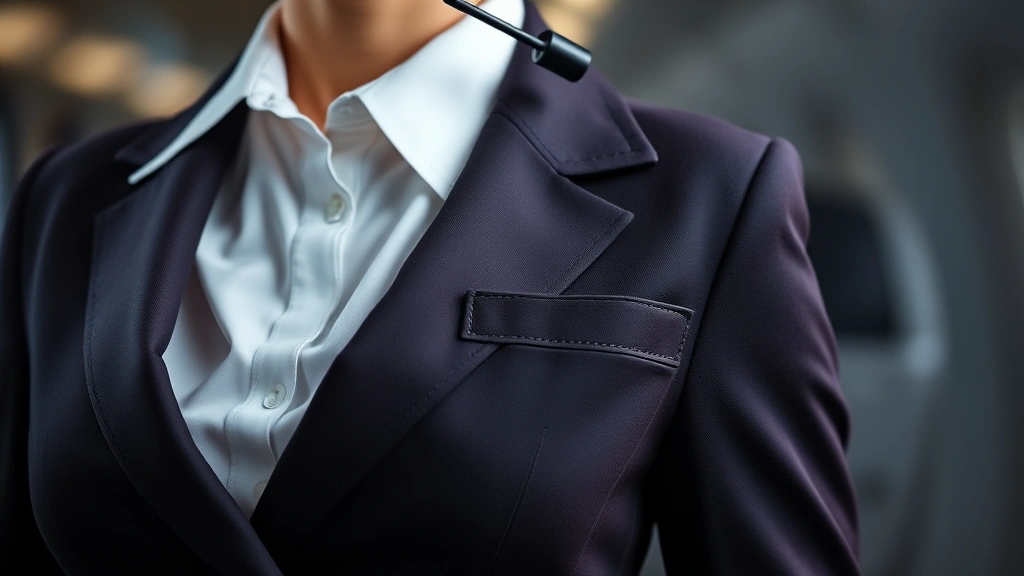
Many modern uniforms include hidden features that support crew member safety and security. Some airlines have incorporated RFID technology into uniform badges for enhanced security and tracking capabilities. Others have integrated communication-friendly designs that allow crew members to wear headsets and communication devices without compromising the professional appearance of the uniform. These functional considerations demonstrate how practical requirements shape contemporary design.
Cultural Variations Across Airlines
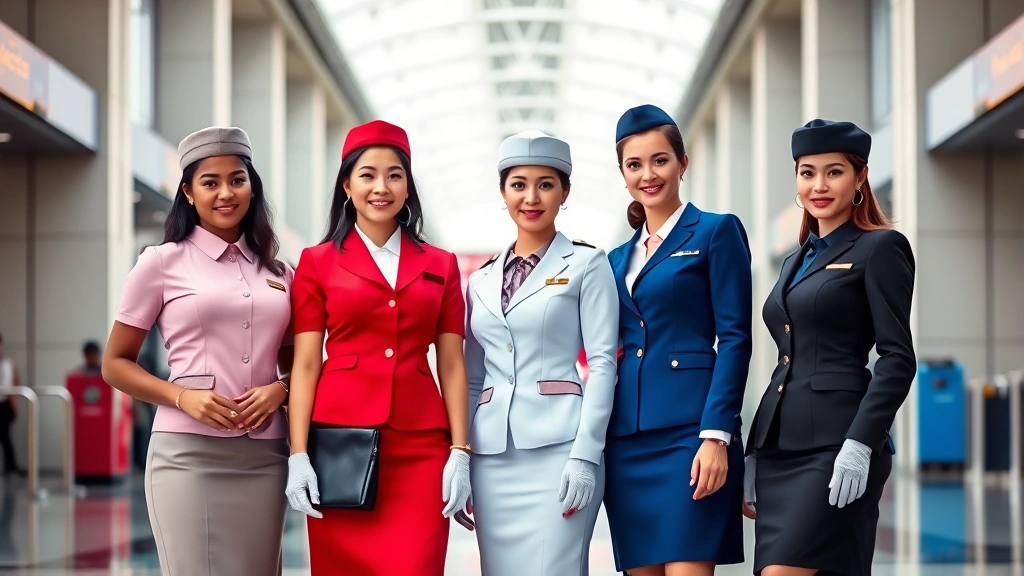
Different airlines around the world have developed distinctive uniform aesthetics that reflect their brand identities and cultural contexts. Middle Eastern carriers often feature elegant designs that incorporate traditional elements while maintaining contemporary professional standards. Asian airlines frequently incorporate cultural motifs and color palettes that resonate with their home markets. European carriers tend toward minimalist, sophisticated designs. American airlines often emphasize bold colors and distinctive branding elements.
These variations demonstrate how flight attendant uniforms serve as cultural ambassadors. A passenger boarding a flight recognizes not just the airline but also gains a sense of the culture and values the carrier represents. Some airlines deliberately incorporate traditional dress elements into their uniforms, celebrating cultural heritage while maintaining professional standards. For example, some Southeast Asian carriers feature uniforms inspired by traditional sarongs or batik patterns.
The choice of uniform style also reflects airline positioning within the market. Premium carriers often feature tailored, sophisticated uniforms that communicate luxury and exclusivity. Budget carriers might opt for simpler, more practical designs that emphasize efficiency and value. Regional carriers sometimes develop uniforms that celebrate local culture and connection to their communities. These choices are strategic decisions that influence how passengers perceive and experience the airline brand.
The Future of Aviation Uniforms
As aviation continues to evolve, so too will flight attendant uniforms. Several trends are likely to shape future designs. Sustainability will continue gaining importance, with airlines increasingly choosing eco-friendly materials and manufacturing processes. Customization and personalization options may expand, allowing crew members greater flexibility in how they present themselves while maintaining brand identity.
Technology integration will likely increase, with uniforms potentially incorporating smart fabrics that monitor crew member health and wellbeing or adjust to temperature changes. Virtual reality and digital design tools may allow airlines to involve crew members more directly in the design process, creating uniforms that better serve actual user needs. Climate change considerations may drive development of uniforms that adapt to increasingly variable temperature conditions in aircraft cabins.
Inclusivity will remain a priority, with airlines continuing to expand size ranges, style options, and grooming standard flexibility. The future may see even more dramatic departures from traditional uniform concepts, with some airlines experimenting with modular systems that allow crew members to customize their look within brand parameters. For more context on flight attendant roles and expectations, explore our guide to things flight attendants say.
The uniform evolution will continue reflecting broader societal changes, workplace values, and technological innovations. As airlines compete for crew member talent and loyalty, uniform design and flexibility will likely become more important recruitment and retention tools. The flight attendant uniform of the future will undoubtedly balance brand identity with individual expression, sustainability with durability, and tradition with innovation.
FAQ
How often do airlines update their flight attendant uniforms?
Airlines typically update uniforms every 5-10 years, though some carriers refresh designs more frequently. Major uniform overhauls are expensive and logistically complex, requiring staff training and inventory management. Some airlines implement phased transitions, gradually replacing older uniforms as they wear out. Budget constraints and brand strategy considerations influence update frequency.
Do flight attendants have to purchase their own uniforms?
Most major airlines provide uniforms at no cost to crew members, including initial outfitting and replacement pieces as uniforms wear out. However, some carriers require crew members to purchase certain components like shoes or accessories. Budget airlines sometimes implement different policies. Union contracts typically specify uniform provision terms. Crew members should clarify these requirements during the hiring process.
Are there dress codes for male versus female flight attendants?
Modern airlines increasingly implement gender-neutral dress codes that specify colors and style parameters without requiring specific garments based on gender. However, some carriers still maintain different uniform options for different genders. This is evolving as airlines recognize that gender-neutral standards better serve diverse workforces and align with contemporary workplace equality principles. Individual airline policies vary.
What materials are used in modern flight attendant uniforms?
Contemporary uniforms typically use polyester-blend fabrics selected for wrinkle resistance, durability, and easy care. Many incorporate wool components for structure and breathability. Technical fabrics that resist stains, odors, and moisture are increasingly common. Some airlines are experimenting with sustainable materials like recycled polyester and organic cotton. Material choices balance performance requirements with environmental considerations.
Can flight attendants customize their uniforms?
Most airlines maintain strict uniform standards to ensure consistent branding and professional appearance. However, some carriers allow limited customization through scarf selections, jewelry options, or hairstyle choices within specified parameters. A few airlines have experimented with allowing crew members to select from multiple uniform styles or colors. Customization policies vary significantly by airline and are typically outlined in crew member handbooks.
How do airlines ensure uniforms fit diverse body types?
Modern airlines typically offer uniforms in extended size ranges, from petite to plus sizes, recognizing that crew members have diverse body types. Many carriers work with manufacturers to create patterns that flatter various silhouettes. Some airlines offer tailoring services to ensure proper fit. This represents significant progress from earlier eras when limited size options were available, though some crew members still report challenges finding perfectly fitting uniforms.
What happened to the glamorous stewardess uniforms of the 1950s?
While early aviation uniforms were designed with glamour as a primary objective, this approach was gradually abandoned as airlines recognized the need for practical, functional crew clothing. The shift reflected changing attitudes about workplace professionalism, gender equality, and the actual demands of cabin service work. Modern uniforms maintain professional appearance while prioritizing comfort and functionality. Check out our Sky Voyage Hub Blog for more aviation history and insights.