Yellowstone Flights Guide: Expert Insights
Planning a trip to Yellowstone National Park requires more than just deciding what to pack—getting there is half the adventure. Whether you’re a first-time visitor or a seasoned traveler, understanding your flight options into Yellowstone is crucial for a smooth and enjoyable journey. This comprehensive guide breaks down everything you need to know about flights into Yellowstone, from the nearest airports to booking strategies that will save you money and time.
Yellowstone spans three states (Wyoming, Montana, and Idaho) and serves millions of visitors annually. The nearest commercial airports are scattered across the region, each offering unique advantages depending on your entry point and travel preferences. With proper planning and insider knowledge, you can secure convenient flights that set the perfect tone for your Yellowstone adventure.
Nearest Airports to Yellowstone
Yellowstone National Park doesn’t have a commercial airport within its boundaries, so you’ll need to fly into one of several regional airports. The closest options are strategically located to provide convenient access to different park entrances. Understanding these airports helps you choose the best entry point for your itinerary.
Bozeman Yellowstone International Airport (BZN) is the most popular choice, located approximately 90 miles north of Yellowstone’s North Entrance. This airport has experienced significant growth in recent years and now offers direct flights from major hubs including Denver, Salt Lake City, and Minneapolis. The drive from Bozeman to the North Entrance typically takes 2-2.5 hours through beautiful Montana scenery.
Jackson Hole Airport (JAC) sits about 60 miles south of Yellowstone’s South Entrance, making it an excellent choice if you plan to explore the Grand Teton National Park area first. This smaller regional airport offers fewer flight options but serves as a gateway to some of the park’s most spectacular landscapes. The drive is scenic but mountainous, requiring about 1.5 hours of travel time.
West Yellowstone Airport (WYS) is the closest airport to the West Entrance, just 1 mile away. However, this small regional airport has extremely limited commercial service and primarily handles seasonal charter flights. During summer months, you might find limited regional carrier options, but it’s not a reliable primary choice for most travelers.
Other regional alternatives include Billings Logan International Airport (BIL) in Montana, about 130 miles northeast, and Salt Lake City International Airport (SLC) in Utah, roughly 250 miles southwest. These larger hubs typically offer more flight options and competitive pricing, though they require longer ground transportation to reach the park.
[IMAGE_1]
Bozeman Airport: Your Gateway
Bozeman Yellowstone International Airport has become the preferred gateway for Yellowstone visitors, and for good reason. This modern facility has invested heavily in expanding its terminal and increasing flight capacity, making it easier than ever to reach the park.
The airport serves as a hub for several major carriers including Delta, United, and Southwest Airlines. Direct flight options from major cities like Denver, San Francisco, and Minneapolis have increased significantly, reducing connection times and hassle. When searching for flights into Yellowstone, Bozeman should be your first stop when checking availability and pricing.
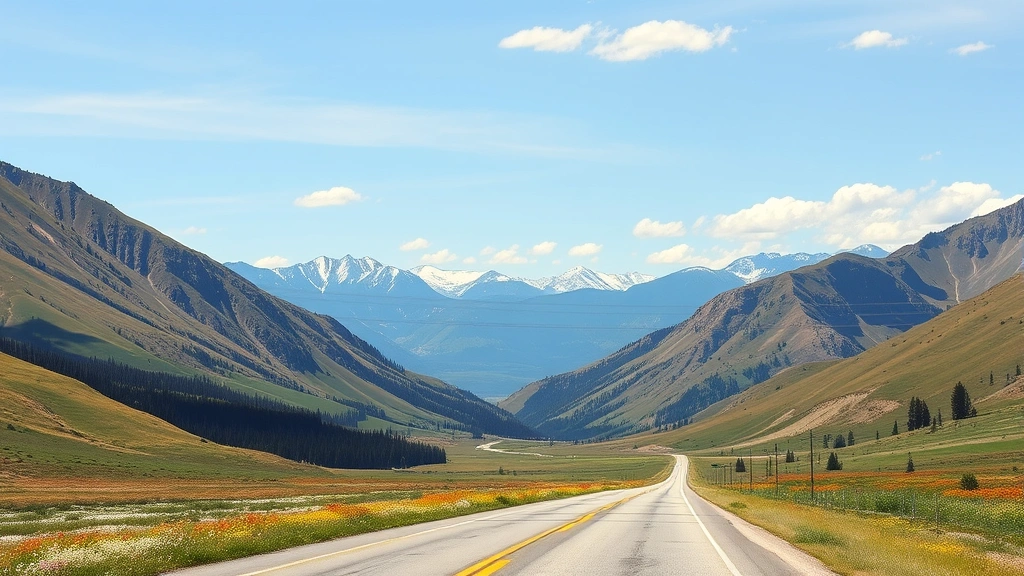
The drive from Bozeman to Yellowstone’s North Entrance follows US Highway 191, one of the most scenic routes in the country. You’ll pass through Paradise Valley, with the Absaroka and Beartooth mountain ranges providing stunning backdrops. Many travelers enjoy stopping at small towns like Gardiner, Montana, just outside the park entrance, to grab supplies and enjoy local restaurants.
Ground transportation from Bozeman is readily available through rental car agencies, shuttle services, and ride-sharing options. If you’re traveling during peak season, booking your rental car in advance is essential, as availability can become limited quickly. Consider using the best times to book airline tickets strategy to secure both your flight and ground transportation at optimal rates.
Jackson Hole and West Yellowstone Options
Jackson Hole Airport offers a compelling alternative for travelers planning to visit both Yellowstone and Grand Teton National Parks. The airport is served by major carriers including Southwest, United, and Delta, with seasonal flights from cities like Denver, Minneapolis, and Chicago. The scenery around Jackson Hole is absolutely spectacular, with the Teton Range providing a dramatic landscape.
Flights into Jackson Hole often compete favorably with Bozeman pricing, especially during shoulder seasons (spring and fall). The journey from Jackson to Yellowstone’s South Entrance takes about 1.5 hours and passes through some of the most beautiful terrain in the region. The route includes Grand Teton National Park, so you can easily incorporate both parks into a single trip.
West Yellowstone Airport remains a limited option due to its small size and regional focus. While the proximity to the West Entrance is unbeatable, the lack of consistent commercial service makes it unreliable for most travelers. This airport primarily serves private aircraft and occasional charter flights during summer months. Unless you’re already based in the region or have specific charter arrangements, plan on flying into Bozeman or Jackson Hole instead.
For travelers interested in exploring Montana more broadly, consider how flights into Yellowstone fit into a larger regional itinerary. Routes like flights from Denver to Las Vegas might offer connecting options through major hubs, or you could explore alternative routing strategies if you’re combining multiple destinations.
Seasonal Flight Availability
Yellowstone’s popularity fluctuates dramatically with seasons, and flight availability reflects this pattern. Understanding seasonal trends helps you plan accordingly and potentially find better deals during less crowded periods.
Summer Season (June-September) represents peak travel time, with schools on break and weather conditions optimal for park exploration. During these months, flights into Yellowstone region airports operate at full capacity, with multiple daily flights from major hubs. However, this popularity means higher fares, fuller flights, and increased competition for rental cars. Book summer flights at least 2-3 months in advance to secure reasonable prices.
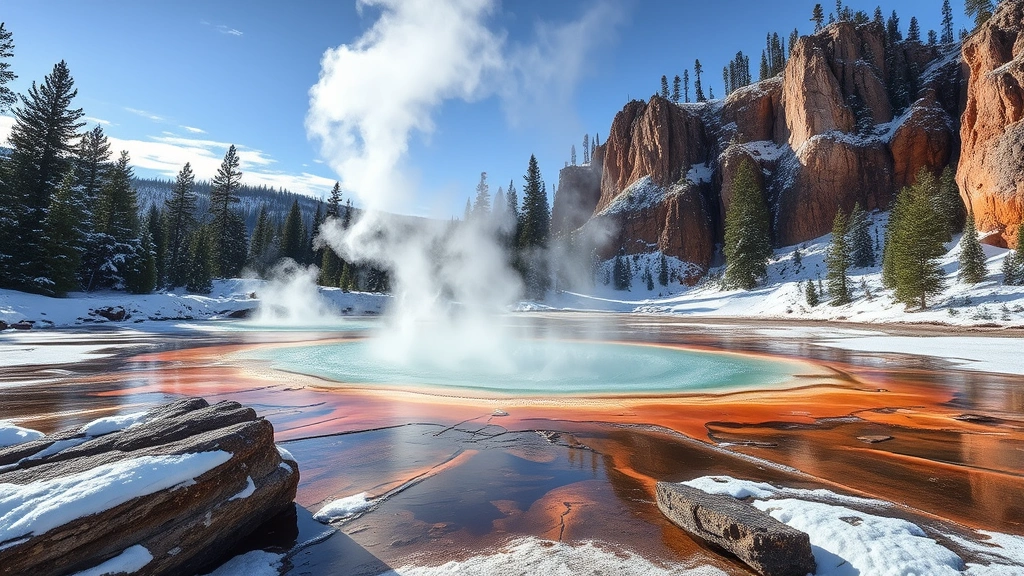
Winter Season (December-February) brings fewer flights and limited accessibility to certain park areas. However, winter Yellowstone offers a magical experience with geothermal features more visible against snowy landscapes and dramatically reduced crowds. Many visitors find winter travel to Yellowstone rewarding, and flight prices drop considerably. Winter driving requires proper vehicle preparation and experience with snow conditions, so plan accordingly.
Spring (March-May) and Fall (September-November) offer the sweet spot for many travelers. These shoulder seasons provide moderate prices, fewer crowds than summer, and excellent weather for outdoor activities. Spring brings wildflowers and returning wildlife, while fall offers stunning foliage and cooler temperatures perfect for hiking. Flight availability remains strong during shoulder seasons, though not quite at summer levels.
Seasonal flight schedules mean that certain routes operate only during peak months. Regional carriers may add extra flights during summer or reduce service during winter. Always check current schedules directly with airports and airlines when planning your trip, as seasonal adjustments can affect your options.
Booking Strategies and Money-Saving Tips
Securing affordable flights into Yellowstone requires strategy, timing, and flexibility. These proven tactics help you maximize your budget while maintaining travel flexibility.
Book in Advance remains the gold standard for airfare savings. For domestic flights like those heading to Yellowstone, booking 6-8 weeks in advance typically yields the best prices. Summer flights should be booked even earlier—aim for 8-12 weeks out. If you’re flexible with dates, you’ll find significantly better pricing on mid-week flights (Tuesday-Thursday) compared to weekend travel.
Flexible Dates and Airports can save hundreds of dollars. Flying into Bozeman one day versus another might save $50-150 per ticket. Similarly, flying into Jackson Hole instead of Bozeman (or vice versa) occasionally offers better pricing. Use flight comparison tools that allow flexible date searches to identify the cheapest travel days in your desired week.
Consider Connecting Flights through major hubs. While direct flights are convenient, connecting through Denver, Salt Lake City, or Minneapolis sometimes offers significant savings. The extra travel time might be worth the price difference, especially for budget-conscious travelers. Just ensure you have sufficient connection time for tight schedules.
Understanding how to book refundable airline tickets provides valuable protection. While refundable tickets cost more upfront, they offer flexibility if your plans change. For Yellowstone trips scheduled during unpredictable weather periods (winter or early spring), this extra cost might be worthwhile.
Price Alerts and Monitoring help you catch deals. Set up price alerts on major booking platforms for your preferred airports and travel dates. Once you identify reasonable prices, don’t wait too long to book—airfare prices typically increase as travel dates approach. However, occasionally airlines release last-minute deals, so monitor fares even after initial booking.
Explore travel planning resources on SkyVoyage Hub for additional money-saving strategies specific to your travel style and timeline.
Airlines Serving Yellowstone Region
Multiple carriers provide service to Yellowstone region airports, each offering different amenities, pricing, and route options. Understanding which airlines serve your preferred airport helps you make informed booking decisions.
Delta Air Lines operates extensive service to Bozeman and Jackson Hole, with multiple daily flights from Atlanta, Minneapolis, and Salt Lake City. Delta’s frequent flyer program offers valuable benefits, and their baggage policies are generous for checked bags. Their customer service reputation is solid, making them a reliable choice for Yellowstone travel.
United Airlines provides substantial service to both major airports serving the Yellowstone region, with flights from Denver, San Francisco, Chicago, and Houston. United’s loyalty program and premium cabin options appeal to frequent travelers. Their scheduling often provides convenient morning departures and afternoon arrivals.
Southwest Airlines serves Jackson Hole with competitive pricing and generous baggage policies (two free checked bags). Southwest doesn’t charge change fees, making their tickets flexible if your plans shift. However, Southwest’s limited routes mean fewer flight options from some cities.
Alaska Airlines operates seasonal service to Bozeman from West Coast cities including Seattle, Portland, and Los Angeles. Alaska offers excellent customer service and competitive pricing on West Coast routes. Their partnership with other carriers provides connection options from additional cities.
For more detailed insights on airline quality and service, review best airlines for long flights comparisons to understand how carriers stack up on comfort, reliability, and customer satisfaction.
Ground Transportation After Landing
Arriving at your destination airport is just the beginning—getting to Yellowstone requires planning ground transportation. Your options vary based on your airport choice, group size, and travel preferences.
Rental Cars offer maximum flexibility for exploring Yellowstone and surrounding areas. All major rental agencies operate at Bozeman and Jackson Hole airports, with abundant vehicle choices. Rental costs vary seasonally, with summer rates significantly higher than winter. Book rental cars when you book flights to secure better rates and ensure availability. Four-wheel drive vehicles are recommended for winter travel and provide advantages for backcountry exploration.
Shuttle Services provide convenient alternatives for solo travelers and couples. Several companies operate regular shuttles between Bozeman and Yellowstone, with prices ranging from $50-100 per person depending on distance and season. Shuttles are more economical than rental cars for single travelers but less flexible for independent exploration.
Ride-Sharing and Taxis work well for airport transfers but become expensive for full-day park exploration. Use these services for getting from airport to hotel, then arrange separate transportation for park activities.
Group Tours combine transportation with guided experiences. Many outfitters offer multi-day packages including flights, accommodation, and guided park tours. These all-inclusive options simplify planning and appeal to travelers who prefer structured itineraries.
Travel Documents and Requirements
Before booking your flights into Yellowstone, ensure you have proper travel documentation. Domestic travel within the United States requires valid identification, but international visitors need additional documentation.
Domestic Travelers need a valid government-issued photo ID (driver’s license, passport, or military ID) for airport security. The TSA’s Real ID requirements mean that standard driver’s licenses from some states require additional documentation—check TSA requirements for your specific state.
International Visitors require a valid passport. Depending on your home country, you may need a US visa or qualify for visa-free entry under programs like the Visa Waiver Program. Check US State Department travel requirements well in advance of your trip. Allow several months for visa processing if required.
Park Entry Requirements include purchasing an America the Beautiful Pass or paying per-vehicle entrance fees. These aren’t required at airport security but should be arranged before entering the park. The annual pass ($80) provides excellent value if you plan multiple park visits.
Check Yellowstone National Park’s official website for current park conditions, seasonal closures, and any special requirements. Road conditions, weather, and wildlife activity can impact park accessibility, so timing your trip appropriately ensures the best experience.
FAQ
What’s the cheapest airport for flights into Yellowstone?
Bozeman and Jackson Hole offer the most competitive pricing overall, though specific deals vary by travel dates and originating city. Comparing both airports during your desired travel week usually reveals the better option. Denver and Salt Lake City sometimes offer cheaper flights if you don’t mind the longer drive.
How far is each airport from Yellowstone?
Bozeman is 90 miles north (2-2.5 hours), Jackson Hole is 60 miles south (1.5 hours), West Yellowstone is 1 mile west (15 minutes), Billings is 130 miles northeast (2.5 hours), and Salt Lake City is 250 miles southwest (4.5 hours).
Can I fly directly to Yellowstone?
No commercial airports operate within Yellowstone National Park. Regional airports surrounding the park provide the closest access. Private aircraft can land at West Yellowstone Airport or other regional facilities with appropriate arrangements.
What’s the best time to book flights to Yellowstone?
Book summer flights 8-12 weeks in advance, shoulder season flights 6-8 weeks ahead, and winter flights 4-6 weeks out. Flexibility with dates typically saves more money than hunting for last-minute deals.
Do I need a rental car at Yellowstone?
A rental car provides maximum flexibility for exploring the park independently. Shuttle services and tours offer alternatives but are less flexible. Most visitors find rental cars worthwhile for the freedom to explore at their own pace.
Are there direct flights from my city to Yellowstone airports?
Major cities like Denver, Salt Lake City, Minneapolis, Chicago, and San Francisco offer direct flights to Bozeman or Jackson Hole. Smaller cities require connections. Check flight comparison websites for your specific city and preferred destination.
What documents do international visitors need?
International visitors need a valid passport. Many nationalities qualify for visa-free entry under the Visa Waiver Program, while others require a US visa. Check State Department requirements for your country well in advance.
Can I fly into one airport and out of another?
Yes, open-jaw tickets (flying into one city and out of another) are available on most booking platforms. This flexibility often costs slightly more but allows you to explore more of the region without backtracking.