Boeing 787 Mayday: Aviation Expert Insights on Dreamliner Safety
When a Boeing 787 Dreamliner declares a mayday, it captures headlines and raises passenger concerns worldwide. However, understanding what actually happens during such emergencies reveals a sophisticated aviation safety system designed to handle these situations effectively. The 787 Dreamliner, despite occasional incidents, remains one of the most advanced and reliable aircraft in commercial service today, with multiple redundant systems and rigorous protocols ensuring passenger safety.
Aviation experts emphasize that mayday declarations don’t necessarily indicate catastrophic failure. Instead, they represent the aviation industry’s transparent approach to safety—pilots declare emergencies when they believe circumstances warrant immediate ground support and priority landing. For travelers planning flights or seeking to understand airline safety practices, understanding these protocols provides valuable context about modern air travel security.
What Is a Mayday Declaration?
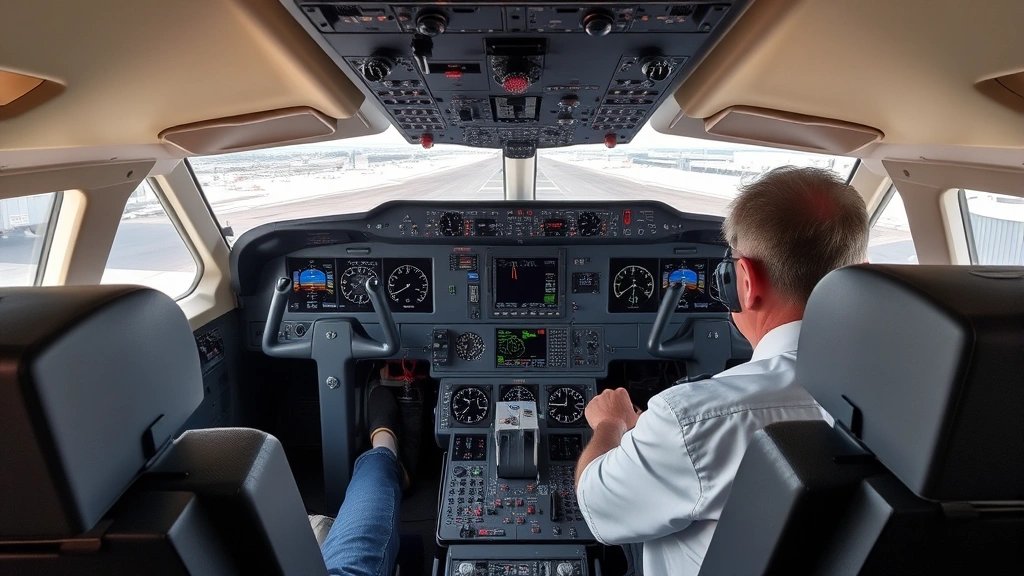
A mayday is an international distress signal used in aviation when pilots believe an aircraft faces a serious emergency requiring immediate assistance. The term originates from the French phrase “m’aider” (help me) and represents the highest priority communication in aviation. When pilots declare mayday, air traffic control immediately prioritizes that aircraft above all others, clearing airspace and preparing emergency response teams.
The declaration doesn’t mean the aircraft will crash or that catastrophic failure is imminent. Rather, it indicates pilots have identified a situation requiring extraordinary measures—mechanical issues, medical emergencies, fuel concerns, or weather complications that demand priority landing and ground support. Airlines and aviation authorities take these declarations extremely seriously, with standardized protocols ensuring rapid response.
According to the Federal Aviation Administration (FAA), mayday procedures follow strict international standards established by the International Civil Aviation Organization (ICAO). Pilots receive extensive training on when and how to declare emergencies, with emphasis on accurate communication and situational awareness.
Boeing 787 Dreamliner Overview
The Boeing 787 Dreamliner represents a revolutionary step forward in commercial aviation technology. First entering service in 2011, the 787 incorporates cutting-edge materials, systems, and design philosophies that significantly improve fuel efficiency, passenger comfort, and operational reliability. The aircraft uses composite materials for approximately 50% of its primary structure, reducing weight while increasing strength and durability.
This mid-size wide-body jet seats between 242 and 330 passengers depending on configuration, making it ideal for long-haul international routes. Airlines worldwide have ordered over 1,000 Dreamliners, with hundreds already in active service. The aircraft’s popularity reflects confidence from major carriers in its reliability and passenger appeal, particularly for premium airline operations.
The 787’s advanced avionics systems include triple-redundant flight control computers, sophisticated weather radar, and enhanced terrain awareness systems. These technological improvements represent decades of aviation research and development, incorporating lessons learned from previous aircraft generations and continuous industry safety evolution.
Understanding the Incident
When reports emerge of a 787 declaring mayday, initial media coverage often emphasizes the dramatic language without providing necessary context about routine emergency procedures. A typical scenario might involve a mechanical warning light, hydraulic pressure anomaly, or electrical system indication that warrants precautionary measures. Pilots, trained extensively for such situations, err on the side of caution—a fundamental principle in aviation safety culture.
Recent incidents involving 787s that declared mayday have included issues such as engine vibrations, pressurization concerns, or instrument discrepancies. In most cases, aircraft landed safely with no injuries, and subsequent investigations revealed mechanical issues that required maintenance but posed no actual threat to flight safety. The systems detected problems and alerted pilots well before any risk materialized.
Understanding incident specifics requires examining official accident investigation reports from aviation authorities. The National Transportation Safety Board (NTSB) in the United States and equivalent organizations worldwide conduct thorough investigations, publishing detailed findings that improve industry safety. These investigations consistently demonstrate that modern aircraft systems function as designed, detecting and alerting pilots to problems.
Advanced Safety Systems
The Boeing 787 incorporates multiple overlapping safety systems that operate independently, ensuring that single-point failures cannot compromise aircraft safety. These redundant systems represent the industry standard for modern commercial aviation, developed through decades of safety research and regulatory oversight.
Flight Control Systems: The 787 features three independent flight control computers that continuously cross-check each other’s calculations. If one computer experiences an anomaly, the others immediately take over without pilot intervention. This automatic failover capability ensures flight control remains available under virtually all circumstances.
Hydraulic Systems: Multiple independent hydraulic systems power critical aircraft functions including landing gear, brakes, and flight control surfaces. Each system operates independently, with redundancy ensuring continued operation if one system fails. Pilots receive immediate indication of any hydraulic anomaly through detailed instrumentation.
Electrical Systems: The 787’s electrical architecture includes multiple generators, battery systems, and distribution networks designed to maintain essential power under extreme conditions. Advanced power management systems automatically redistribute electrical loads if components fail, maintaining critical systems.
Pressurization and Environmental Control: Cabin pressurization systems include redundant components and automated controls that maintain safe cabin altitude even if primary systems fail. Modern aircraft maintain cabin pressure at equivalent altitudes of 6,000-8,000 feet, ensuring passenger comfort and safety.
Fire Detection and Suppression: Advanced sensors throughout the aircraft detect even minute temperature increases, alerting crews immediately. Fire suppression systems in engines and cargo areas automatically activate when hazardous conditions are detected, preventing minor issues from becoming emergencies.
Expert Aviation Insights
Aviation safety experts consistently emphasize that modern commercial aircraft, including the 787, represent the safest transportation mode available. Commercial aviation maintains accident rates approximately 1 million times lower than automobile travel, reflecting decades of continuous safety improvement and rigorous regulatory oversight.
Captain perspectives on mayday declarations highlight the professionalism and training involved in emergency response. When pilots declare mayday, they’re executing procedures practiced repeatedly in simulator training. Airlines conduct regular emergency scenario drills, ensuring crews can respond effectively to any conceivable situation. This training, combined with aircraft redundancy and ground support systems, creates multiple layers of protection.
The International Civil Aviation Organization (ICAO) emphasizes that mayday protocols exist precisely because aviation takes safety seriously enough to respond immediately to potential problems. Rather than indicating danger, mayday procedures demonstrate aviation’s commitment to preventing accidents through transparent communication and rapid response.
Maintenance engineers note that 787s undergo extensive inspections on regular schedules, with critical components inspected far more frequently than failure data suggests necessary. This conservative approach ensures that potential issues are identified and corrected long before they could develop into actual problems. When mechanical issues are discovered, maintenance procedures follow detailed manufacturer specifications and regulatory requirements.
Passenger Safety Measures
For travelers concerned about aircraft safety, understanding passenger protection measures provides reassurance about modern aviation. When boarding flights with any aircraft type, including the 787, passengers benefit from multiple safety systems and trained personnel dedicated to their protection.
Pre-Flight Safety: Before departure, aircraft undergo comprehensive pre-flight inspections including exterior walk-around, systems checks, and weight-and-balance verification. Flight crews review aircraft maintenance logs and any outstanding issues before accepting the aircraft for flight. This process ensures only airworthy aircraft depart the gate.
Crew Training: Commercial airline pilots complete extensive training including simulator time for emergency scenarios. Airlines regularly conduct recurrent training requiring pilots to demonstrate proficiency in normal operations and emergency procedures. This commitment to training ensures crews can handle any situation effectively.
Air Traffic Control: Aircraft operate within a sophisticated air traffic control system that maintains safe separation between all aircraft. Radar systems, radio communication, and automated traffic avoidance systems work together to prevent collisions and ensure orderly traffic flow. When emergencies occur, air traffic control provides immediate priority and assistance.
Emergency Equipment: Modern aircraft carry comprehensive emergency equipment including fire extinguishers, first aid kits, oxygen systems, and evacuation slides. Flight attendants receive extensive training on emergency procedures and passenger assistance, ensuring rapid, orderly evacuation if necessary.
For travelers planning flights, understanding these safety measures can reduce anxiety about air travel. Reading about airline operations and safety practices provides valuable perspective on how thoroughly the aviation industry addresses passenger protection.
FAQ
Is the Boeing 787 Dreamliner safe?
Yes, absolutely. The 787 represents modern aviation technology with multiple redundant safety systems. The aircraft has an excellent safety record, with the vast majority of 787s operating without significant incidents. Like all commercial aircraft, the 787 undergoes rigorous certification, maintenance, and regulatory oversight ensuring passenger safety.
What does mayday mean in aviation?
Mayday is an international distress signal indicating an aircraft faces a serious emergency requiring immediate assistance. Pilots declare mayday when they believe circumstances warrant priority landing and ground support. The declaration doesn’t necessarily indicate imminent danger but rather triggers standardized emergency response procedures.
How often do aircraft declare mayday?
Mayday declarations occur relatively infrequently given the millions of commercial flights operating daily. When they do occur, trained crews and ground support personnel respond effectively. Most mayday declarations result in safe landings with no injuries, demonstrating the effectiveness of aviation emergency procedures.
What happens after a mayday declaration?
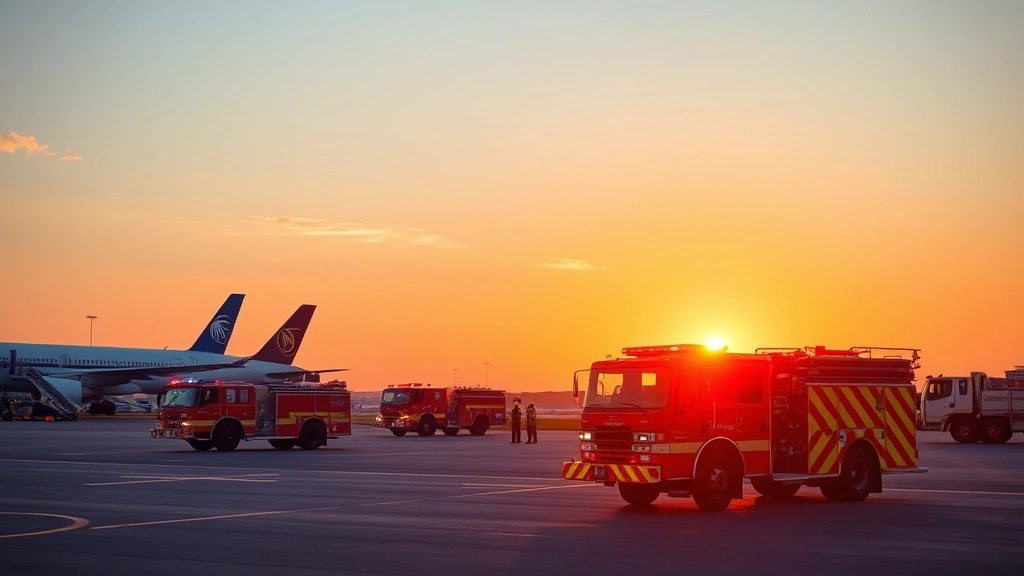
Air traffic control immediately gives the aircraft priority, clearing airspace and preparing emergency response teams. The aircraft typically receives vectors to the nearest suitable airport for landing. Emergency services position personnel and equipment at the airport, though in most cases their assistance isn’t required beyond monitoring.
Should passengers be concerned about flying on 787s?
No. The 787 is an extremely safe aircraft with advanced systems and rigorous maintenance. Commercial aviation remains the safest transportation mode available. Passengers should feel confident flying on modern aircraft like the 787, which operate under strict regulatory oversight and manufacturer support.
How do airlines maintain 787s?
Airlines follow detailed manufacturer maintenance schedules established based on engineering analysis and regulatory requirements. Components are inspected and replaced at specified intervals regardless of whether problems are apparent. This preventive maintenance approach ensures aircraft remain in peak condition, identifying potential issues before they develop.
What training do 787 pilots receive?
Pilots complete extensive type-rating training specific to the 787, including classroom instruction and simulator time. Recurrent training occurs regularly, with pilots demonstrating proficiency in both normal and emergency operations. This comprehensive training ensures pilots can operate the aircraft safely and respond effectively to any situation.
Can the 787 fly safely with one system failing?
Yes. The 787’s redundant systems are designed so that single failures don’t compromise safety. Aircraft can continue operating safely with hydraulic system failures, engine failures, electrical failures, or other component malfunctions. This redundancy represents a fundamental principle in modern aircraft design.
How do I find information about specific incidents?
Official investigation reports from aviation authorities like the NTSB or equivalent organizations provide detailed incident information. These publicly available reports explain what happened, why it happened, and what safety improvements resulted. The FAA website provides access to incident data and safety information.
Are there better airlines for safety?
All commercial airlines operating in regulated markets meet the same stringent safety requirements. Differences in safety records typically reflect the number of flights operated rather than actual safety performance. Whether you’re booking European flights or domestic routes, all major carriers maintain excellent safety standards through rigorous training and maintenance.