Chicago to New York Flight Time: Average Duration & What to Expect
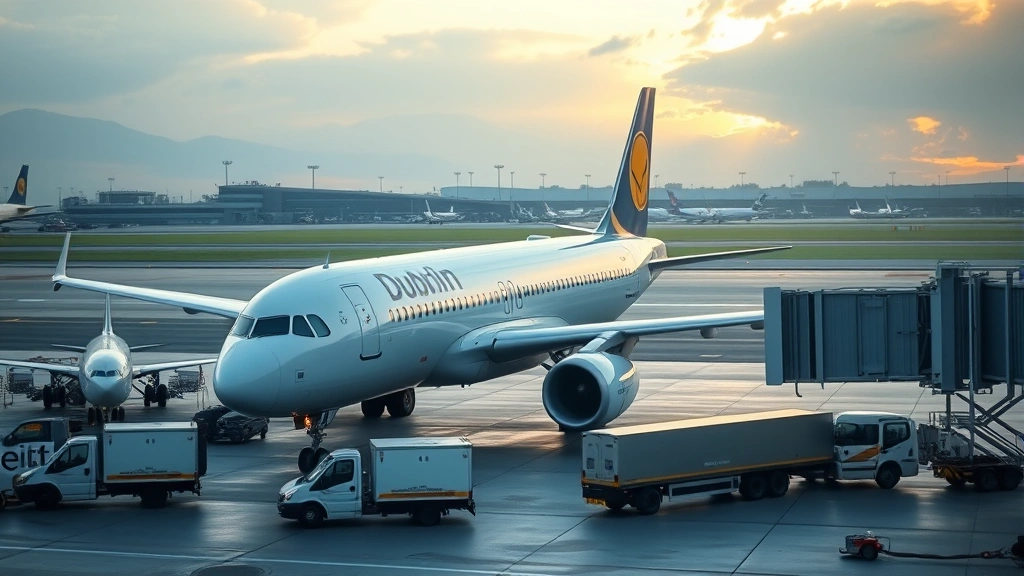
Planning a trip from Chicago to New York? One of the first questions travelers ask is how long the flight will take. The average flight time from Chicago to New York is approximately 2 hours and 45 minutes to 3 hours, making it one of the shortest major domestic routes in the United States. However, the actual duration can vary based on several factors including weather conditions, air traffic, the specific airports used, and whether you’re taking a direct or connecting flight.
This relatively short flight distance of roughly 790 miles makes the Chicago to New York route incredibly popular among business travelers, tourists, and commuters. Whether you’re flying from Chicago’s O’Hare International Airport (ORD) or Midway International Airport (MDW) to one of New York’s three major airports—LaGuardia (LGA), John F. Kennedy (JFK), or Newark Liberty (EWR)—understanding flight times and what factors affect them will help you plan your journey more effectively.
In this comprehensive guide, we’ll explore everything you need to know about Chicago to New York flight duration, including factors that influence travel time, tips for booking, and practical advice for making your journey as smooth as possible.
Average Flight Duration: The Direct Flight Advantage
When flying directly from Chicago to New York, you can expect a flight time of 2 hours and 45 minutes to 3 hours under typical conditions. This is the actual time spent in the air from takeoff to landing. Most major airlines including United, American, Southwest, and Delta offer multiple daily direct flights on this route, giving travelers plenty of scheduling flexibility.
The consistency of this route means that airlines have optimized their operations extensively. Flight crews are familiar with the corridor, ground operations are streamlined, and scheduling is predictable. This reliability makes the Chicago-New York route one of the most dependable for meeting connections or planning business meetings with tight timelines.
If you’re considering longer routes like Chicago to LAX, you’ll notice a significant difference—those flights typically take 4 to 4.5 hours. The New York route is considerably shorter, which affects pricing, scheduling, and overall travel planning.
It’s worth noting that eastbound flights (Chicago to New York) often run slightly faster than westbound flights due to prevailing jet stream winds. The jet stream, a fast-moving river of air in the upper atmosphere, typically flows from west to east across the United States. This means you’re flying with the wind on eastbound routes, which can shave 10-15 minutes off your flight time compared to the return journey.
Factors Affecting Your Chicago to New York Flight Time
Several variables can influence the actual duration of your flight, sometimes adding 15-30 minutes to the standard flight time:
Weather Conditions
Severe weather is one of the most common reasons for flight delays or extended flight times. Thunderstorms, heavy snow, or strong winds can force pilots to take alternate routes, climb to different altitudes, or reduce speed. Winter months (November through March) see more weather-related delays on this route, particularly when nor’easters affect the Northeast corridor.
Air Traffic Control
Both Chicago and New York airspace are heavily congested, especially during peak hours (7-10 AM and 4-7 PM). Air traffic control may assign holding patterns or slower approach speeds, which can add 10-20 minutes to your journey. Peak travel days like Friday afternoons and Sunday evenings typically experience more congestion.
Runway and Gate Availability
At busy airports like LaGuardia and JFK, waiting for an available gate can delay your actual landing time. Similarly, takeoff delays from Chicago due to congestion can extend the overall flight duration.
Cruise Altitude and Wind Patterns
Pilots may request different cruising altitudes based on weather, air traffic, and fuel efficiency. The jet stream position varies seasonally and daily, affecting flight times significantly. Summer flights often experience different wind patterns than winter flights on the same route.
Aircraft Type
While all commercial aircraft on this route are relatively similar in speed (typically cruising at 500-550 mph), slightly older aircraft might cruise at marginally different speeds. Modern Boeing 737s, Airbus A320s, and regional jets all handle this route efficiently.

Chicago and New York Airports: Know Your Options
Understanding which airports you’re departing from and arriving at is crucial for planning your total travel time, not just flight duration.
Departing from Chicago
O’Hare International Airport (ORD) is Chicago’s primary international hub and offers the most flight options to New York. It’s located about 18 miles northwest of downtown Chicago. While it’s a large, busy airport, it’s well-organized with clear signage and efficient security processes. Most major airlines operate from ORD, with multiple daily departures to all three New York area airports.
Chicago Midway International Airport (MDW) is smaller and closer to downtown Chicago (just 8 miles south). It’s primarily served by Southwest Airlines and a few other carriers. Midway can offer a quicker airport experience due to lower congestion, though it has fewer flight options overall.
Arriving in New York
LaGuardia Airport (LGA) is the closest to Manhattan, located just 8 miles east of the city center in Queens. It’s convenient for Manhattan-bound travelers but tends to have older facilities. Flights here are typically slightly more expensive due to the proximity to the city.
John F. Kennedy International Airport (JFK) is 15 miles southeast of Manhattan in Queens. It’s larger than LaGuardia with more modern facilities and international flight options. The AirTrain system connects JFK to Manhattan’s Penn Station and Jamaica Station, making ground transportation straightforward.
Newark Liberty International Airport (EWR) is in New Jersey, about 15 miles west of Manhattan. While technically in New Jersey, it’s often cheaper than Manhattan airports and offers excellent NJ Transit rail connections to Penn Station. Many savvy travelers choose Newark for better fares.
Tips for Booking Your Chicago to New York Flight
Booking smartly can save you money and get you better flight times. Here are essential strategies:
Timing Your Booking
According to the best times to book airline tickets, this route typically offers the best prices when booked 1-3 months in advance. Tuesday and Wednesday departures are usually cheaper than Friday or Sunday flights.
Direct Flights vs. Connections
For such a short route, always opt for direct flights when possible. Connecting flights can add 3-5+ hours to your total travel time, completely negating any potential savings. The few dollars saved on a connecting flight aren’t worth the hassle and lost time.
Flexible Dates and Airports
If you have flexibility, flying from Midway instead of O’Hare or arriving at Newark instead of LaGuardia can significantly reduce fares. Early morning flights (6-8 AM) are often cheaper than evening flights, and mid-week departures beat weekend flights by substantial margins.
Baggage Considerations
Before booking, review airline carry-on baggage restrictions to avoid unexpected fees. Most carriers allow one free carry-on and personal item, but checked baggage policies vary significantly by airline.
Book Multiple Passengers Efficiently
If traveling with others, learn how to book flights for multiple people to ensure everyone gets the same pricing and seat assignments.
What to Expect During Your 3-Hour Flight
With a flight time of nearly 3 hours, understanding what to expect can help you prepare appropriately:
Boarding and Taxi Time
Arrive at the airport 2 hours before domestic flights. Factor in another 15-20 minutes for boarding and pushing back from the gate. Total time from airport arrival to takeoff is typically 2.5-3 hours.
In-Flight Service
On this relatively short flight, don’t expect full meal service. Most carriers offer beverage and snack service, with some providing complimentary light snacks. Airlines prioritize efficiency on this route, so service is quick and streamlined.
Entertainment and Connectivity
Most flights on this route offer seatback entertainment systems or streaming to personal devices. WiFi availability varies by airline—United and Delta offer free WiFi on many flights, while others charge fees. If you need reliable internet, verify WiFi options when booking.
Seat Selection and Comfort
While 3 hours isn’t extremely long, choosing a good seat matters. Window seats offer a view and a wall to lean against; aisle seats provide easier bathroom access. Exit row seats offer extra legroom if you want to upgrade.

Total Travel Time: Beyond Just Flight Duration
Remember that flight time is only part of your journey. Here’s a realistic timeline for Chicago to New York travel:
- Pre-flight: 2 hours airport arrival and security
- Boarding and taxi: 30 minutes
- Flight time: 2 hours 45 minutes to 3 hours
- Landing and deplaning: 20-30 minutes
- Ground transportation: 30 minutes to 1 hour (depending on destination)
Total door-to-door time: Approximately 6.5 to 7.5 hours
This is why the Chicago-New York route remains viable for same-day business trips. An early morning departure can get you to your New York destination by early afternoon, allowing a full afternoon of meetings or activities.
For business travelers making frequent trips, explore travel blog resources for tips on maximizing productivity during short trips and managing the logistics of frequent short-haul flying.
Seasonal Variations in Travel Time
Winter months (December-February) can add 20-30 minutes to your total travel time due to weather-related delays and congestion. Summer travel is typically more predictable, though peak vacation season (June-August) brings increased air traffic congestion. Fall (September-November) offers a good balance of moderate weather and reasonable traffic patterns.
Time Zone Consideration
Chicago is in the Central Time Zone while New York is in the Eastern Time Zone. New York is one hour ahead. A 9 AM departure from Chicago arrives at approximately 12 PM Eastern Time, even though only 3 hours have elapsed. This time difference actually works in travelers’ favor on eastbound flights, making early arrivals possible.
Frequently Asked Questions
How long is the flight from Chicago to New York?
The average nonstop flight time from Chicago to New York is 2 hours and 45 minutes to 3 hours. This is the actual air time; total travel time including airport procedures typically ranges from 6.5 to 7.5 hours door-to-door.
Which airline has the fastest flight time?
Flight times are remarkably consistent across all major carriers (United, American, Delta, Southwest) on this route, typically varying by only a few minutes. Choose your airline based on schedule, price, and service preferences rather than expecting significant time differences.
Are there non-stop flights from Chicago to New York?
Yes, numerous non-stop flights operate daily from both Chicago airports to all three New York area airports. Non-stop is almost always the best option for this short route, as connections would add several hours.
What’s the best time of day to fly this route?
Early morning flights (6-8 AM) typically experience fewer delays and offer faster flight times. Avoid peak hours (7-10 AM and 4-7 PM) if possible, as air traffic congestion is heaviest then. Late evening flights often have better on-time performance.
Does the return flight take longer?
Yes, the westbound return flight (New York to Chicago) typically takes 10-15 minutes longer than the eastbound flight due to prevailing jet stream winds. Expect approximately 3 hours to 3 hours 15 minutes for westbound flights.
What factors most commonly delay flights on this route?
Weather (especially winter storms affecting the Northeast), air traffic congestion at busy airports, and runway availability are the primary causes of delays. Mechanical issues are rare on this well-traveled route.
Can I get same-day connections from Chicago to New York?
Absolutely. The short flight time makes same-day connections very feasible. An early morning departure from Chicago can get you to New York by early afternoon, allowing time for connections to other destinations.
Should I book a connecting flight for cheaper fares?
Generally, no. The time lost (3+ hours) and hassle of connections rarely justify savings on such a short route. Direct flights are worth the premium.
What should I pack for a Chicago to New York flight?
Pack light and smart. One carry-on and a personal item are sufficient for most travelers on this route. If checking baggage, verify your airline’s policy regarding baggage allowances before your trip.
Is WiFi available on Chicago to New York flights?
WiFi availability depends on your airline and specific aircraft. United and Delta offer free WiFi on many flights; check your airline’s website when booking. If reliable internet is essential, confirm availability before purchasing your ticket.