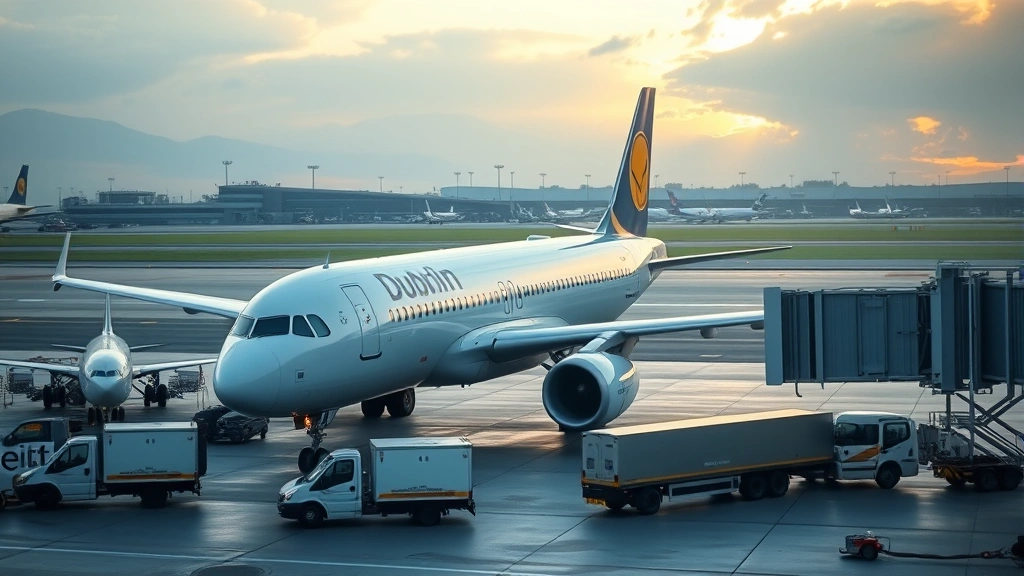
Why Delta Flights Diverted? Expert Insights on Montgomery and Beyond
Flight diversions are among the most stressful experiences for air travelers, often leaving passengers confused about what went wrong and when they’ll reach their destination. When Delta flights diverted to Montgomery recently, it sparked widespread questions about the reasons behind such decisions and what travelers should expect. Understanding the mechanics of flight diversions, the role of pilot decision-making, and passenger rights during these incidents can help demystify what many consider a chaotic travel scenario.
Delta Air Lines, as one of the world’s largest carriers, manages thousands of flights daily across North America and internationally. When operational challenges arise—whether weather-related, mechanical, or medical—the airline must make split-second decisions that prioritize passenger safety above all else. This comprehensive guide explores the reasons Delta flights get diverted, what happens during a diversion, and how you can prepare for such scenarios as a frequent or occasional flyer.
Understanding Flight Diversions
A flight diversion occurs when an aircraft changes its planned destination and lands at an alternate airport instead. This is fundamentally different from a delay, where the flight eventually reaches its original destination on a revised schedule. Diversions are tactical decisions made by pilots and air traffic control to address urgent situations that cannot be safely resolved while continuing to the planned destination.
The Federal Aviation Administration (FAA) and international aviation authorities have established comprehensive protocols for diversions. Pilots are trained extensively to recognize situations that warrant a diversion and to execute the necessary procedures with minimal risk. When you’re on a flight covered by aviation experts, rest assured that diversion decisions follow decades of safety research and real-world operational experience.
Delta’s operations rely on sophisticated weather monitoring, mechanical inspection systems, and crew training to prevent unnecessary diversions. However, some situations simply cannot be predicted or prevented entirely. Understanding this distinction helps travelers appreciate why diversions, while inconvenient, represent the aviation industry’s commitment to safety.
Common Reasons for Delta Flight Diversions
Weather-Related Diversions represent the most frequent cause of flight route changes. Severe thunderstorms, heavy snowfall, dense fog, or wind shear can make a runway unsafe for landing. When Delta flights diverted to Montgomery or other alternate airports, weather is often the culprit. Pilots continuously monitor meteorological conditions and coordinate with air traffic control to determine whether their destination remains viable.
Convective weather—characterized by strong updrafts and turbulent conditions—poses particular challenges for aircraft operations. A pilot may decide to divert rather than wait in a holding pattern, as fuel consumption during extended holds can eventually necessitate a diversion anyway. This proactive approach saves time and fuel while maintaining safety margins.
Medical Emergencies constitute another significant category of diversions. When a passenger experiences a heart attack, stroke, severe allergic reaction, or other life-threatening condition, the pilot may declare a medical emergency and divert to the nearest suitable airport. These situations demand immediate ground medical resources, making diversion the only appropriate response. Delta crews are trained in first aid and CPR, but they recognize the limitations of in-flight medical care.
Mechanical Issues ranging from minor to severe can trigger diversions. Engine problems, hydraulic failures, electrical system malfunctions, or structural concerns detected by pilots warrant landing at the nearest airport equipped to address the issue. Modern aircraft are incredibly reliable, but when anomalies occur, pilots err on the side of caution. You’ll find detailed information about emergency landing procedures at alternative airports in our specialized guide.
Air Traffic Control Directives can also necessitate diversions. Air traffic congestion, runway closures, or security concerns at the destination airport may require aircraft to land elsewhere. These decisions come from ground-based professionals managing airspace and airport operations.
Fuel Emergencies occur when unexpected headwinds, delays, or detours consume fuel faster than anticipated. While modern aircraft have substantial fuel reserves, pilots maintain strict minimum fuel levels. If fuel becomes a concern, diverting to a closer airport is the prudent decision.
Montgomery as a Diversion Hub
Montgomery Regional Airport (MGM) in Alabama serves as a strategic diversion point for flights operating along major routes through the southeastern United States. When Delta flights diverted to Montgomery, they likely landed at one of the Southeast’s more capable regional airports, equipped with adequate runway length, ground support services, and maintenance facilities.
Montgomery’s location makes it an ideal alternate for flights experiencing problems over the central Southeast. The airport sits at an elevation of 218 feet above sea level, providing good all-weather accessibility. Its runways can accommodate large commercial aircraft like the Boeing 737, Airbus A320, and larger widebody jets that Delta operates on regional and transcontinental routes.
The airport maintains relationships with major carriers and ground service providers, enabling rapid passenger processing, aircraft servicing, and crew management during diversions. When a Delta flight lands unexpectedly, airport personnel and Delta ground crews work efficiently to address passenger needs—rebooking, meal vouchers, accommodations if necessary—and mechanical issues with the aircraft.
Understanding regional airports’ capabilities helps travelers appreciate why specific alternate airports are chosen. Pilots and dispatchers consider runway length, available ground services, weather conditions, and distance when selecting diversion airports. Montgomery frequently appears on Delta’s alternate airport list for flights operating across Alabama, Georgia, Tennessee, and surrounding regions.
Pilot Decision-Making Process
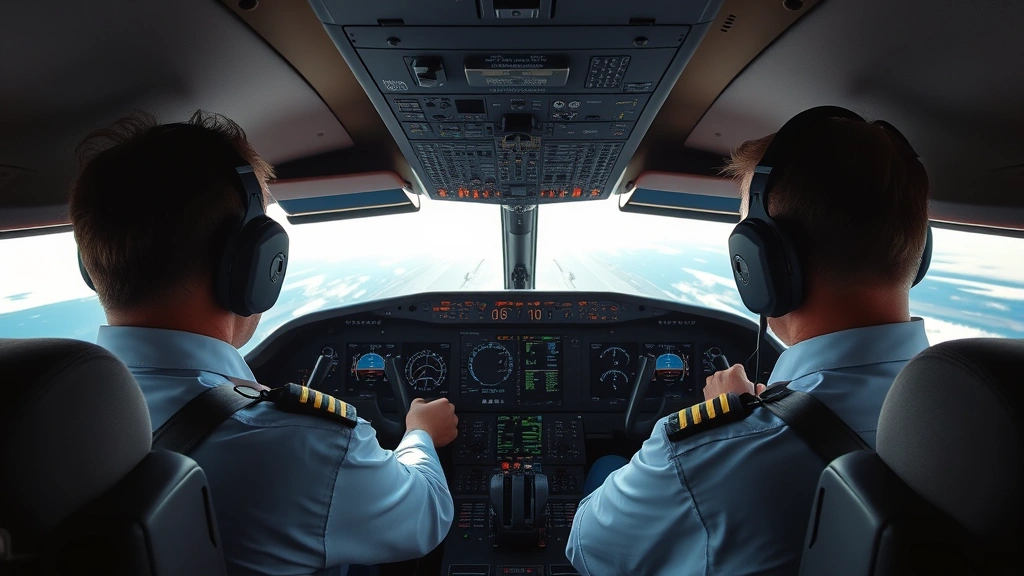
Commercial pilots undergo extensive training in decision-making frameworks, particularly for emergency situations. The acronym DECIDE represents a standard approach: Detect the problem, Estimate the severity, Choose a course of action, Identify resources, Decide and act, and Evaluate the outcome.
When a Delta pilot recognizes a situation requiring diversion, they immediately communicate with air traffic control. The controller provides information about available alternate airports, current weather conditions, and airspace restrictions. Together, they determine the best course of action. The pilot retains final authority over flight operations and can declare an emergency if necessary to expedite landing procedures.
Training scenarios regularly include diversion situations. Pilots practice responses to engine failures, hydraulic malfunctions, medical emergencies, and weather challenges. This preparation ensures that when real situations occur, pilots execute responses confidently and efficiently. Captain experience—many Delta captains have 15,000+ flight hours—provides invaluable judgment in ambiguous situations.
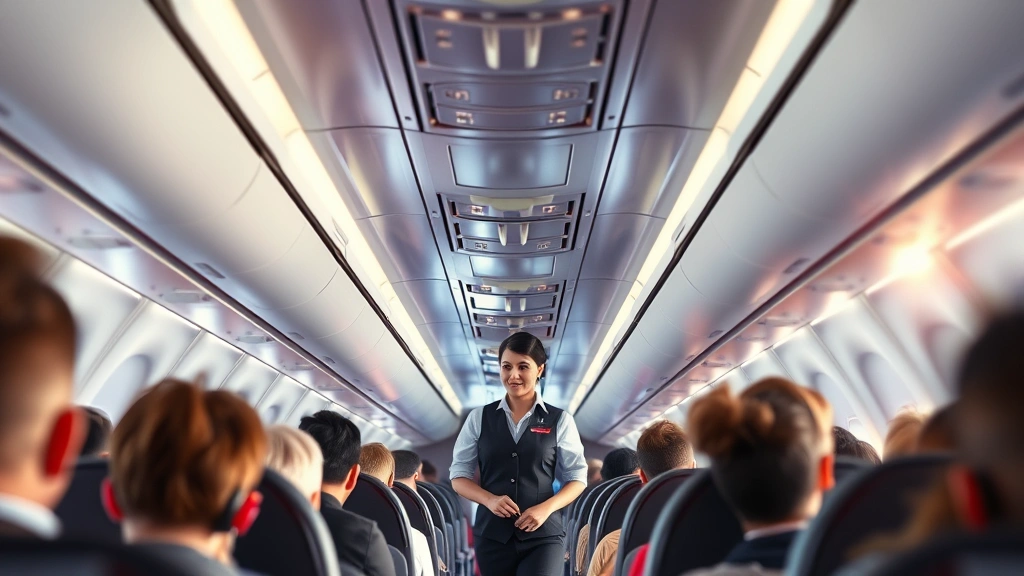
Crew resource management (CRM) emphasizes teamwork and communication. When a diversion becomes necessary, the entire crew—pilots, flight attendants, and dispatchers—coordinates to manage the situation professionally. This collaborative approach has significantly improved aviation safety over the past three decades.
Passenger Rights and Compensation
Understanding your rights when experiencing a flight diversion is essential. In the United States, the Department of Transportation (DOT) provides specific protections for passengers. However, compensation depends on whether the diversion results from circumstances within the airline’s control.
If a diversion occurs due to weather, mechanical issues discovered during flight, or medical emergencies, passengers typically cannot claim compensation under DOT regulations—these are considered extraordinary circumstances beyond the airline’s control. However, Delta remains obligated to provide accommodations, meals, and ground transportation if the diversion delays arrival significantly.
For extended delays resulting from a diversion, passengers may be entitled to rebooking on alternative flights at no additional cost. If the diversion requires an overnight stay, Delta typically provides hotel accommodations and meals. Passengers should request receipts for any out-of-pocket expenses incurred, as reimbursement may be available.
Learn more about your rights by reviewing our comprehensive guide on airline flight delay compensation. This resource explains compensation thresholds, documentation requirements, and procedures for filing claims with Delta or regulatory agencies.
International flights have different protections under EU Regulation 261/2004 (if departing from Europe) or other regional regulations. Passengers should familiarize themselves with applicable rules based on their flight’s origin and destination.
What to Expect During a Diversion
When a pilot announces a diversion, many passengers experience anxiety. Understanding the typical sequence of events can help you remain calm and prepared.
Immediate Announcement: The captain will inform passengers of the diversion and provide a brief explanation. Flight attendants will ensure all passengers are seated with seatbelts fastened. The cabin crew may distribute water and answer questions, though detailed information may be limited initially.
Descent and Approach: The aircraft will descend to the alternate airport’s altitude. Air traffic control provides guidance and clearance. Modern navigation systems make this process routine for pilots, though passengers may notice the change in aircraft attitude and engine sounds.
Landing: The aircraft lands following standard procedures. Diversions don’t involve unusual landing techniques; pilots use the same approaches they employ at any airport. You may notice emergency vehicles standing by as a precaution, which is standard protocol for any aircraft landing due to declared emergencies.
Ground Processing: After landing, Delta ground personnel board the aircraft to assess passenger needs and provide information about next steps. Passengers may remain on the aircraft while ground crews address mechanical issues, or they may deplane if a significant delay is anticipated.
Rebooking and Accommodations: Delta’s ground staff will help passengers rebook on alternative flights or arrange accommodations if necessary. Priority goes to passengers with tight connections or special needs. The airline aims to minimize disruption and get passengers to their final destinations as quickly as possible.
How to Prepare for Flight Disruptions
Travel Insurance: Consider purchasing comprehensive travel insurance that covers flight disruptions, missed connections, and accommodation expenses. This provides financial protection beyond airline-provided assistance.
Flexible Booking: When possible, book refundable airline tickets or tickets with flexible change policies. This provides options if your flight is diverted or significantly delayed, allowing you to rebook without penalties.
Maintain Connectivity: Keep your phone charged and ensure you have airline contact information readily available. Download the Delta app to track flight status and receive real-time notifications about changes or diversions.
Pack Smart: Carry essential medications, valuables, and important documents in your personal carry-on bag. If a diversion requires an overnight stay, you’ll have access to necessities even if checked baggage remains on the aircraft.
Know Your Rights: Familiarize yourself with passenger rights under DOT regulations and applicable international rules. This knowledge empowers you to advocate for appropriate compensation and accommodations.
Build Connection Time: If you have connecting flights, allow sufficient time between connections. This buffer provides flexibility if your first flight experiences a diversion or delay. Review our guide on optimizing flight connections for detailed recommendations.
Understand Airline Policies: Review Delta’s specific policies on diversions, accommodations, and compensation. The airline’s website provides detailed information, and customer service representatives can answer specific questions about your booking.
When considering which airlines offer the best service for long flights, diversion handling and passenger care should factor into your decision. Delta’s reputation reflects consistent efforts to manage disruptions professionally.
FAQ
Why do airlines divert flights instead of waiting for weather to clear?
Waiting in a holding pattern consumes significant fuel, and weather may not clear quickly. Diverting to a nearby airport with better conditions is often more efficient and economical. Pilots also maintain strict fuel reserves and cannot wait indefinitely.
Will I miss my connection if my flight is diverted?
Possibly, depending on the diversion’s duration and your connection time. Delta will automatically rebook you on the next available flight to your final destination at no additional cost. The airline prioritizes getting passengers to their destinations.
Do I get a refund if my flight is diverted?
Refunds are not typically provided for diversions caused by weather or mechanical issues discovered during flight. However, Delta provides accommodations, meals, and ground transportation for extended delays. If you choose not to continue to your destination, you may request a refund for the unused portion of your ticket.
Can a pilot refuse to divert if passengers request it?
Yes, absolutely. The pilot has ultimate authority over flight operations and makes diversion decisions based on safety, operational considerations, and regulatory requirements—not passenger preferences. Passengers cannot compel a diversion.
How often do Delta flights get diverted?
Diversions are relatively uncommon, affecting less than 1% of commercial flights. Modern aircraft reliability, weather forecasting, and pilot training minimize diversion frequency. When diversions do occur, they reflect the aviation industry’s commitment to safety.
What happens to my checked baggage if my flight is diverted?
Checked baggage typically remains with the aircraft and continues to your original destination or is rerouted to your diverted location, depending on the situation. You’ll receive information about baggage handling from Delta ground personnel.
Are diversions more common at certain airports?
Airports with challenging weather patterns, limited runway infrastructure, or high traffic congestion may experience more frequent diversions. Regional hubs like Montgomery serve as common alternates for diversions in their geographic areas.
How do pilots decide which alternate airport to use?
Pilots and air traffic control consider multiple factors: runway length and condition, available ground services, distance from the current position, fuel status, weather conditions, and aircraft type requirements. The nearest suitable airport that can safely accommodate the aircraft is typically selected.