Flight Attendants’ Top Phrases: Expert Insights on What Crew Members Really Say
Flight attendants are trained communicators who use specific language patterns throughout every flight. These professionals rely on carefully chosen phrases to ensure passenger safety, maintain professionalism, and create a comfortable travel environment. Whether you’re a frequent flyer or preparing for your first flight, understanding these common phrases can enhance your flying experience and give you insight into cabin crew operations.
The language flight attendants use isn’t random—it’s the result of rigorous training, safety protocols, and customer service standards established by airlines worldwide. From pre-flight announcements to emergency procedures, every word serves a purpose. This comprehensive guide explores the most important phrases you’ll hear in the skies and what they really mean for your journey.
The Three Essential Phrases Every Flight Attendant Says
When discussing the top phrases flight attendants use, three standout expressions appear in virtually every flight: “Ladies and gentlemen, welcome aboard,” “Please direct your attention to the safety demonstration,” and “We appreciate your business.” These phrases form the foundation of cabin communication and serve multiple purposes simultaneously.
The welcome phrase establishes the tone for the entire flight experience. Flight attendants use this opening to create a warm, professional atmosphere while subtly asserting their authority and expertise. This greeting isn’t merely polite—it’s a strategic communication tool that sets passenger expectations and begins the safety briefing process. When you hear this phrase, the crew is already assessing the cabin, identifying potential issues, and preparing for departure.
The safety demonstration request is perhaps the most critical phrase in aviation. Despite how routine it may seem, flight attendants must deliver this message with precision and authority. According to the Federal Aviation Administration, this announcement is legally mandated and must be completed before every flight departure. The phrase “Please direct your attention” is specifically chosen because it commands focus while maintaining courtesy—essential when discussing life-saving procedures.
The closing appreciation statement serves multiple functions. It thanks passengers for choosing the airline, reinforces customer loyalty, and often includes information about connecting flights or ground transportation. This phrase signals the conclusion of the flight service cycle and prepares passengers for deplaning procedures. Flight attendants understand that ending on a positive note encourages repeat business and positive reviews.
Understanding these three core phrases reveals how flight attendants balance safety, professionalism, and customer service. Each word is deliberate, and the tone of delivery matters as much as the content. When you recognize these phrases during your travels, you’re witnessing trained professionals executing a carefully choreographed communication strategy developed through decades of aviation experience.
For those interested in the broader context of airline operations, learning about flight attendant compensation and career paths can provide additional insight into why these professionals take their communication roles so seriously. Their training investments are substantial, and their commitment to precise language reflects their dedication to the profession.
Safety-Related Announcements and Their Importance
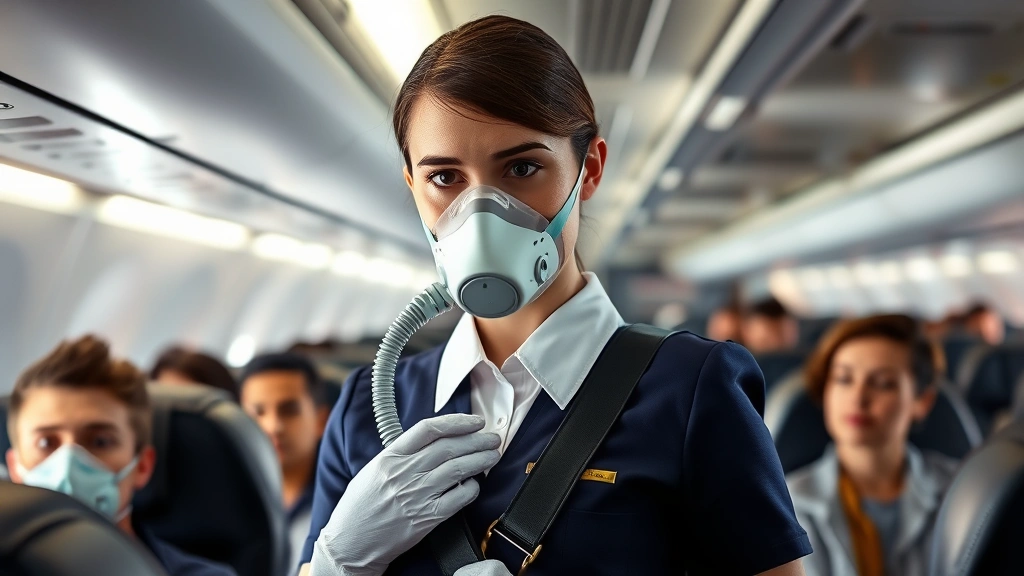
Safety announcements represent the most heavily regulated aspect of flight attendant communication. Every airline must follow strict guidelines established by aviation authorities, and deviations from approved scripts can result in serious consequences. Flight attendants take these announcements with utmost seriousness because they directly impact passenger survival in emergency situations.
Common safety phrases include “In the event of a loss of cabin pressure,” “The nearest emergency exit may be behind you,” and “In case of water landing.” These phrases are intentionally formal and specific. Flight attendants don’t use casual language during safety briefings because clarity and precision could be lifesaving. The terminology is standardized across airlines to ensure consistency and passenger familiarity.
One phrase that frequently confuses passengers is “In the unlikely event of a water landing.” This phrase appears in safety demonstrations on all aircraft, regardless of whether the flight passes over water. The inclusion of this phrase isn’t meant to alarm passengers—it’s a legal requirement ensuring comprehensive safety coverage for all possible scenarios. Flight attendants understand that some passengers find this phrase anxiety-inducing, so they deliver it with practiced calm and professionalism.
The phrase “secure the cabin” represents important crew communication that passengers may hear during flight operations. This instruction indicates that flight attendants are preparing the cabin for potential turbulence, descent, or landing. When crew members use this phrase, they’re implementing standard operating procedures that prioritize passenger safety. It’s not an indication of danger but rather a proactive safety measure.
The International Civil Aviation Organization establishes standards that flight attendants must follow when communicating safety information. These international standards ensure that passengers worldwide receive consistent, accurate safety briefings regardless of airline or destination. The formal nature of safety language transcends cultural and linguistic boundaries, creating a universal understanding of aviation safety protocols.
Flight attendants receive extensive training on delivering safety announcements with appropriate emphasis and clarity. They practice these phrases repeatedly during initial training and continuing education to ensure they can deliver critical information even during stressful situations. The professionalism and precision you hear in these announcements reflect thousands of hours of training and preparation.
Customer Service Language in the Cabin
Beyond safety announcements, flight attendants employ sophisticated customer service language designed to enhance passenger comfort and satisfaction. Phrases like “Is there anything else I can get for you?” and “We’re happy to assist” represent the hospitality aspect of cabin service. These expressions are carefully chosen to sound genuine while maintaining professional boundaries.
The phrase “We’re experiencing some light turbulence” is a masterclass in reassuring communication. Flight attendants use this language to normalize common flight phenomena without triggering passenger anxiety. The word “light” is deliberately selected because it provides context and reassurance. Similarly, when crew members say “We’re just waiting for clearance from the tower,” they’re explaining delays in accessible language that helps passengers understand normal flight operations.
Flight attendants also employ strategic language when dealing with difficult situations. Phrases like “Let me see what I can do” or “I understand your concern” acknowledge passenger feelings while maintaining professional composure. This communication style reflects training in conflict resolution and emotional intelligence. When you’re experiencing flight stress, these carefully chosen phrases can make the difference between frustration and acceptance.
The phrase “For your safety and comfort” appears frequently in flight attendant communication. This phrase connects safety requirements with passenger convenience, helping people understand that restrictions aren’t arbitrary but designed for their benefit. Whether discussing seatbelt usage, electronic device policies, or lavatory procedures, flight attendants use this framework to encourage compliance through understanding rather than authority.
Interestingly, flight attendants adjust their communication style based on passenger demographics and flight characteristics. On long-haul flights, crew members may use more relaxed language during service portions while maintaining formality during safety briefings. On short regional flights, the pace of announcements accelerates but the core phrases remain consistent. This adaptability demonstrates the sophisticated communication skills that flight attendants develop through experience.
Emergency Protocol Phrases and What They Mean
Emergency-related phrases represent the most serious communication flight attendants encounter. Phrases like “Brace for impact” or “Prepare the cabin for emergency landing” trigger immediate, choreographed responses from trained crew members. These phrases are never used casually, and their deployment indicates serious situations requiring passenger cooperation.
The phrase “Attention crew, cross-check” is an internal communication that passengers may overhear during final pre-departure preparations. This phrase instructs flight attendants to verify that cabin doors are properly secured and that safety equipment is in place. Hearing this phrase should reassure passengers that systematic safety checks are occurring before takeoff.
Flight attendants use the phrase “Remain seated with your seatbelt fastened” during turbulence or unexpected flight changes. This instruction isn’t optional—it’s a safety requirement. The formal language and direct delivery reflect the seriousness of the situation. Experienced travelers recognize this phrase as a signal to stop moving around the cabin and secure themselves immediately.
The phrase “All crew to stations” indicates that flight attendants are preparing for an emergency landing or other serious situation. This internal communication, when overheard by passengers, signals that the crew is executing emergency procedures. Flight attendants train extensively to remain calm during these situations because passenger safety depends on crew composure and precise execution of protocols.
Understanding emergency phrases helps demystify what you hear during unusual flight situations. Flight attendants use specific terminology because it’s unambiguous and universally understood within aviation. The formal nature of emergency language ensures that critical information transcends background noise, accents, and language barriers.
For passengers concerned about safety, reviewing essential flight safety tips can provide additional peace of mind. Understanding how flight attendants communicate during routine operations and emergencies helps travelers feel more confident and informed during air travel.
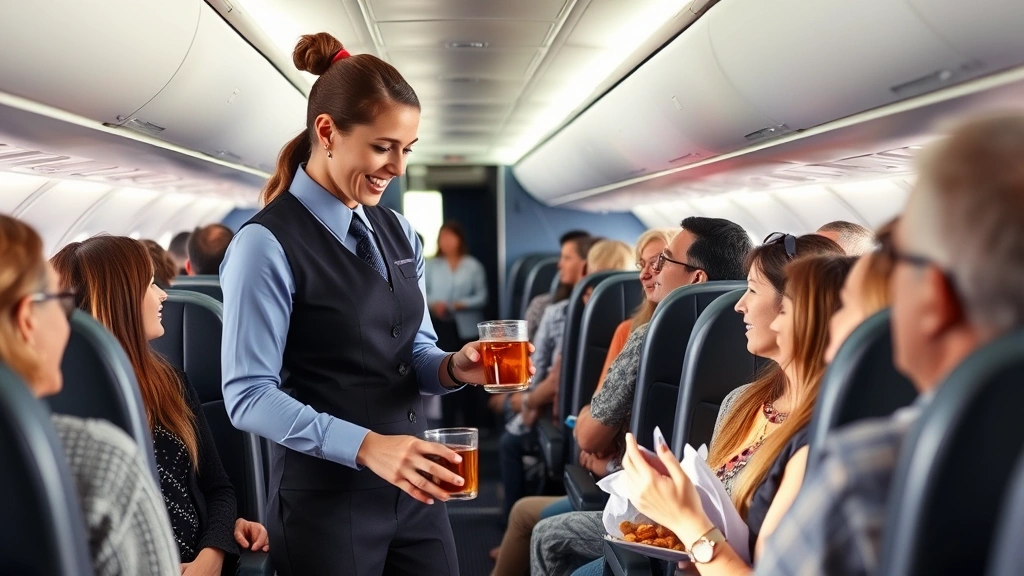
International Flight Attendant Communication
On international flights, flight attendants navigate complex communication challenges. They must deliver announcements in multiple languages, each with precise terminology established by aviation authorities. Phrases are often delivered in English first (the international aviation language), followed by the local language and sometimes additional languages for airlines with diverse passenger bases.
The phrase “Ladies and gentlemen” translates differently across languages, but flight attendants ensure equivalent formality in all versions. Some airlines employ flight attendants fluent in multiple languages, while others use pre-recorded announcements. Regardless of the method, the core phrases remain consistent because they’re established by international aviation standards.
Flight attendants working international routes develop sophisticated language skills beyond standard aviation terminology. They learn culturally appropriate ways to address passengers, understand different customs, and communicate respect across cultures. The phrase “Welcome aboard” takes on different nuances depending on the cultural context and passenger demographics.
International flight attendants also navigate the challenge of explaining delays, diversions, and other disruptions in ways that passengers from different cultural backgrounds can understand. Clear, simple language becomes essential when communicating with non-native English speakers. Flight attendants learn to eliminate jargon, speak slowly, and repeat critical information to ensure universal comprehension.
Professional Development and Communication Training
Flight attendants receive extensive training in professional communication as part of their initial certification. Airlines invest significant resources in teaching crew members how to deliver safety information, handle customer service situations, and communicate during emergencies. This training reflects the critical importance of language in aviation safety and passenger experience.
The training process includes role-playing scenarios, recorded practice sessions, and evaluation by experienced instructors. Flight attendants must demonstrate proficiency in delivering standard phrases with appropriate tone, pace, and emphasis. They learn to adjust their communication style for different situations while maintaining consistency with airline standards and regulatory requirements.
Continuing education ensures that flight attendants stay current with evolving communication best practices. Airlines regularly update their training materials, incorporate new research on passenger psychology, and refine communication strategies based on incident reports and customer feedback. This commitment to ongoing development means that the phrases you hear from flight attendants reflect current best practices in aviation communication.
Professional flight attendants understand that their words carry weight. When they say “We’ll be landing shortly,” passengers respond with preparation. When they say “Thank you for choosing our airline,” passengers feel valued. The responsibility of precise, professional communication drives flight attendants to continually improve their skills throughout their careers.
For those interested in joining the flight attendant profession, understanding the communication requirements provides insight into the career. Checking out information about flight attendant professional standards and the broader aviation industry can help aspiring crew members understand the expectations and opportunities in this field.
Flight attendants also benefit from understanding airline policies and procedures that they must communicate to passengers. Clear understanding of regulations allows flight attendants to explain policies confidently and answer passenger questions accurately.
FAQ
Why do flight attendants use such formal language?
Formal language in aviation serves multiple purposes: it ensures clarity, maintains professionalism, complies with regulatory requirements, and transcends cultural and linguistic barriers. The formality also signals to passengers that they should pay attention, particularly during safety-critical announcements. Decades of aviation experience have shown that formal language works most effectively for critical communications.
What does “cross-check” mean when flight attendants say it?
“Cross-check” is an instruction for flight attendants to verify that all cabin doors are properly secured and that safety equipment is in place. One crew member checks a door, and another confirms the check was completed properly. This redundancy ensures that no critical safety steps are missed before departure.
Are safety announcements really necessary if I’ve heard them before?
Yes, safety announcements are legally required on every flight, and regulatory bodies mandate their completion. Even frequent flyers may encounter aircraft types they haven’t flown before, with different emergency equipment locations. Additionally, safety announcements serve as reminders for all passengers, new and experienced. The FAA and international aviation authorities maintain these requirements because they’ve been proven effective in saving lives.
Why do flight attendants seem to rush through announcements?
Flight attendants must complete multiple announcements before departure within specific time windows. Airlines balance the need for thorough communication with operational efficiency. Flight attendants are trained to speak clearly and at appropriate pace despite time pressure. If you miss information, don’t hesitate to ask a crew member for clarification.
How do flight attendants stay calm when delivering emergency instructions?
Extensive training, regular practice, and professional experience enable flight attendants to maintain composure during emergencies. Crew members practice emergency scenarios repeatedly, building muscle memory and confidence. This preparation allows them to execute critical procedures calmly, which directly contributes to passenger safety and survival in serious situations.
What’s the difference between airline-specific phrases and universal aviation language?
Universal aviation language, established by international aviation authorities like ICAO, ensures consistency across all airlines and countries. Phrases like those related to safety procedures are standardized worldwide. However, individual airlines develop their own customer service language, welcome phrases, and service announcements that reflect their brand identity and corporate culture. This creates a balance between universal safety standards and airline differentiation.