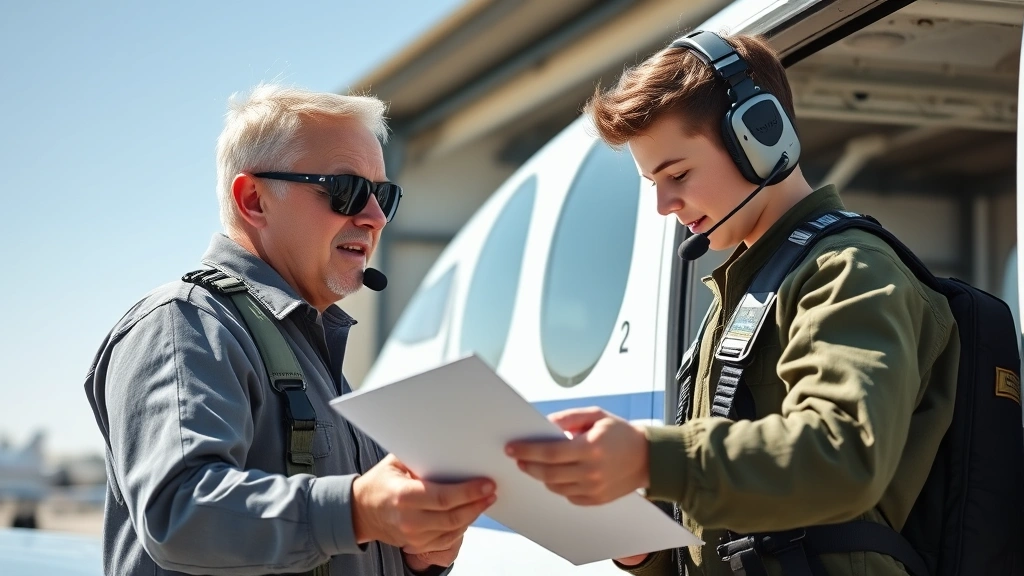
How to Become a Flight Instructor? Expert Guide
Becoming a flight instructor is an exciting career path for aviation enthusiasts who want to share their passion for flying while building flight hours and experience. Whether you’re dreaming of instructing at a local flight school or eventually working with commercial airlines, the journey requires dedication, proper training, and certification. This comprehensive guide walks you through every step of becoming a qualified flight instructor, from initial requirements to landing your first flight instructor jobs.
The aviation industry continues to face a shortage of qualified instructors, making this an opportune time to enter the field. Flight instructors play a crucial role in training the next generation of pilots, from recreational flyers to commercial aviation professionals. Beyond the satisfaction of teaching others to fly, instructors gain valuable experience that can lead to positions with major airlines and specialized aviation operations.
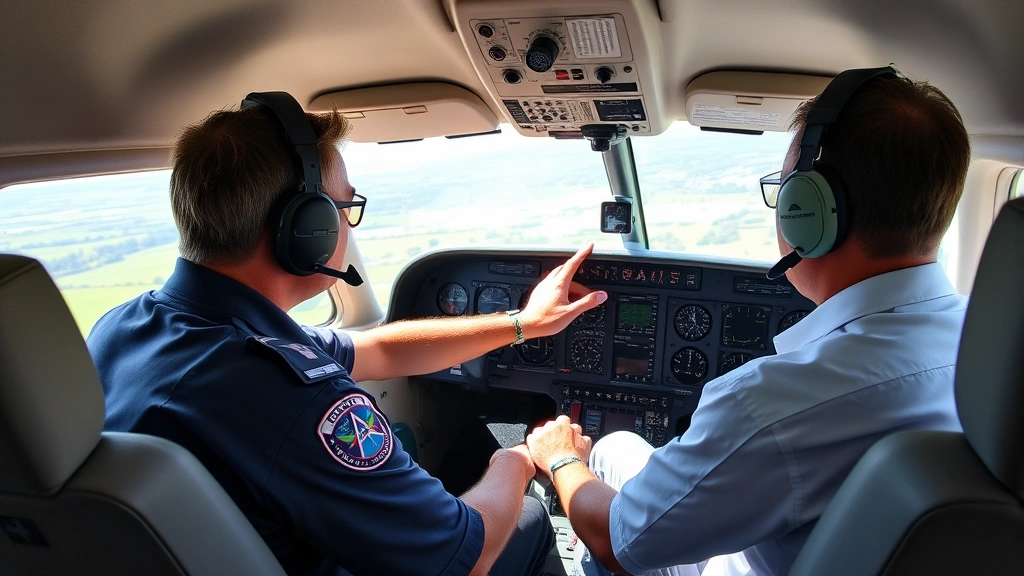
Prerequisites and Initial Requirements
Before pursuing flight instructor certification, you must meet several fundamental requirements. First, you need to hold a valid pilot certificate with at least a private pilot license. This means you’ve already completed significant flight training and demonstrated proficiency in basic aircraft operations. If you haven’t earned your private pilot license yet, you’ll need to start there, which typically requires 40-60 hours of flight time and substantial ground school instruction.
Age requirements are straightforward: you must be at least 18 years old to obtain a flight instructor certificate from the Federal Aviation Administration (FAA). Additionally, you’ll need a valid medical certificate, typically a third-class medical, though some flight schools prefer instructors to maintain higher medical standards for credibility and safety.
English language proficiency is essential, as all aviation communications occur in English. You must be able to read, speak, write, and understand English at a level sufficient to function as a safety professional. For non-native speakers, this may require additional documentation or testing through the Federal Aviation Administration.
Beyond formal requirements, successful flight instructor candidates possess strong communication skills, patience, and the ability to remain calm under pressure. You’ll be teaching nervous students in potentially stressful situations, so emotional intelligence and teaching aptitude matter significantly. Many flight schools assess these qualities during their interview process.
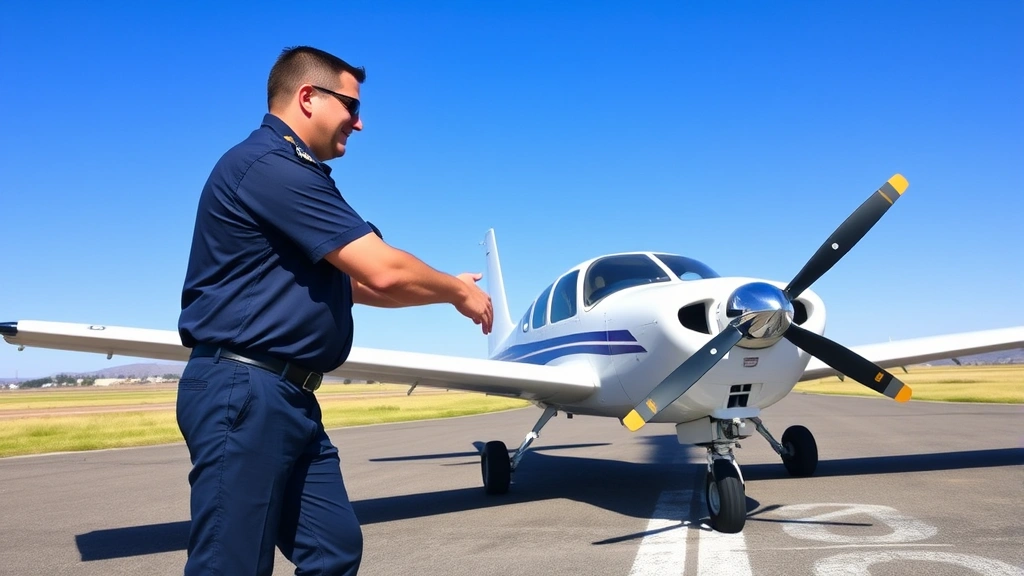
Flight Training and Certifications
The path to becoming a flight instructor involves earning multiple certifications in a specific sequence. After obtaining your private pilot license, the next logical step is earning your commercial pilot certificate, which demonstrates advanced flying skills and aeronautical knowledge. Commercial pilot training typically requires 250+ total flight hours and focuses on precision flying, complex aircraft operations, and emergency procedures.
Once you hold a commercial pilot certificate, you can pursue your flight instructor certification, technically called a Certified Flight Instructor (CFI) rating. CFI training involves specialized instruction in teaching methodology, aeronautical knowledge, and the ability to evaluate student pilot performance. The CFI practical test, known as a checkride, consists of an oral exam and a flight test where you demonstrate teaching ability by instructing a designated examiner.
Many instructors also pursue additional ratings to increase their marketability and earning potential. An Instrument Rating (IR) allows you to teach instrument flying, while a Multi-Engine Rating (MEL) qualification enables instruction in twin-engine aircraft. The Certified Flight Instructor-Instrument (CFII) rating is particularly valuable, as instrument training is mandatory for commercial pilots and represents a significant portion of flight school curriculum.
The total cost of flight training from private pilot through CFI certification typically ranges from $15,000 to $30,000, depending on aircraft rental rates, fuel prices, and instructor fees in your region. Many aspiring instructors finance this training through student loans, working part-time jobs, or assistance from family. Some flight schools offer financing programs specifically designed for flight instructor candidates.
Building Flight Hours
Flight hour accumulation is critical for advancing your aviation career. The FAA requires a minimum of 250 total flight hours to be eligible for a commercial pilot certificate, though most candidates accumulate 300+ hours before attempting the commercial checkride. As a flight instructor, you’ll build hours rapidly—many instructors log 500+ hours within their first year of teaching.
The quality of flight hours matters as much as the quantity. Hours in complex aircraft (retractable gear, constant-speed propellers) and multi-engine aircraft are particularly valuable. When evaluating flight instructor jobs, prioritize positions that offer opportunities to instruct in varied aircraft types. This experience makes you more attractive to regional airlines and specialized aviation operators.
Some instructors accelerate their career progression by working at busy flight schools with high student volume. Schools near major metropolitan areas or those offering intensive training programs provide more teaching opportunities and faster hour accumulation. However, rural flight schools may offer better work-life balance and stronger community connections.
Keeping meticulous flight records is essential. Your logbook serves as your aviation resume, documenting not just total hours but specific experience in different aircraft types, weather conditions, and flight scenarios. The FAA periodically audits instructor records, so accuracy and completeness are critical.
Finding Flight Instructor Jobs
Flight instructor positions are available through numerous channels, and the job market remains favorable for qualified candidates. SkyVoyage Hub Blog provides valuable insights into aviation careers and industry trends that can inform your job search strategy.
Flight schools represent the primary employment source for new instructors. These range from small independent operations to large Part 141 certified schools affiliated with universities. Part 141 schools follow strict FAA curriculum standards and often provide more structured training programs, while Part 61 schools offer more flexibility. Both provide legitimate flight instructor employment opportunities.
Online job boards dedicated to aviation careers include AviationJobs.com, FlightSafety.org, and the Aircraft Owners and Pilots Association (AOPA) career center. Major airline career websites occasionally list instructor positions, particularly for airlines operating flight training academies. AOPA also maintains networking opportunities and job listings for aviation professionals.
Networking within the aviation community significantly impacts job prospects. Attend aviation conferences, join pilot associations, and connect with fellow instructors and flight school operators. Many flight instructor positions are filled through personal referrals before being publicly advertised. Building relationships with check airmen and flight school managers can lead to job opportunities.
When evaluating flight instructor job offers, consider factors beyond salary. Training quality, student volume, aircraft types available, management support, and growth opportunities matter significantly. Some schools provide excellent mentorship for new instructors, while others may have high turnover due to poor working conditions.
Remote opportunities have emerged in aviation, with some companies offering online ground school instruction or simulator-based training coordination. While these don’t replace hands-on flight instruction, they can supplement income and provide scheduling flexibility.
Salary and Career Advancement
Flight instructor compensation varies considerably based on location, employer, experience level, and aircraft types. Entry-level instructors at small flight schools might earn $25,000-$35,000 annually, while experienced instructors at busy schools or major training centers can exceed $60,000 per year. Some instructors supplement income through additional ratings, specialized training programs, or consulting work.
Many flight schools compensate instructors per-hour-flown rather than salary, typically ranging from $20-$50 per flight hour depending on experience and location. This creates variability in income based on student demand and scheduling consistency. Understanding compensation structures before accepting a position helps set realistic financial expectations.
Career advancement from flight instructor typically leads toward positions with regional airlines as a first officer, then progression to major airlines. Some instructors transition into check airman roles, becoming responsible for evaluating other pilots. Others pursue management positions within flight schools or training organizations.
For those interested in broader aviation careers, flight instruction experience is invaluable. Airlines actively recruit pilots with instructional experience, viewing it as evidence of safety consciousness and teaching ability. When considering best airlines for long flights or other major carriers, remember that many prioritize hiring pilots with flight instructor backgrounds.
Specialized instructor roles offer additional income opportunities. Upset recovery training, mountain flying instruction, and seaplane instruction command premium rates. Building expertise in these areas requires additional training but significantly enhances earning potential and career satisfaction.
Challenges and Rewards
Flight instruction presents unique challenges that prospective instructors should understand. The responsibility of teaching others to fly safely weighs heavily on instructors. You’re accountable not just for your own safety but for your students’ lives and the safety of anyone on the ground. This responsibility, while rewarding, creates stress and requires constant vigilance.
Scheduling can be challenging, as flight instruction often requires evening and weekend availability to accommodate working students. Weather delays are frequent, requiring flexibility and patience. Income variability in hourly-paid positions can create financial stress, particularly during slower seasons.
Despite challenges, flight instruction offers profound rewards. Few professions allow you to share your passion while directly shaping others’ lives and careers. The satisfaction of watching a nervous student earn their pilot license, then progress to commercial operations, is immeasurable. Many instructors describe teaching as their most fulfilling work.
The camaraderie within the aviation community provides strong professional relationships and networking opportunities. Flight instructors form tight-knit communities at their schools, collaborating on teaching strategies and supporting each other through challenging situations.
For those planning career progression to airlines, flight instruction provides essential experience. Essential tips for long haul flights often reference pilot training and professionalism—qualities developed through flight instruction. The discipline and attention to detail required in instruction translate directly to airline operations.
FAQ
How long does it take to become a flight instructor?
The timeline varies significantly based on your starting point. If you already hold a private pilot license, CFI training typically requires 3-6 months of focused study and flying. For those starting from scratch, the complete path from zero flight experience to CFI certification usually takes 18-24 months, depending on training intensity and financial resources.
What is the difference between CFI and CFII ratings?
A Certified Flight Instructor (CFI) teaches basic flying skills and aircraft operations. A CFII (Certified Flight Instructor-Instrument) has additional qualifications to teach instrument flying. Most flight schools require CFI first, then CFII as a separate rating. CFII-rated instructors typically earn more due to increased demand for instrument instruction.
Do I need a college degree to become a flight instructor?
The FAA doesn’t require a college degree for flight instructor certification. However, many flight schools prefer or require degree holders, particularly for positions at university-affiliated programs. A degree in aviation, aeronautics, or a related field strengthens your resume and can accelerate career progression toward airline positions.
Can I become a flight instructor with a recreational pilot license?
No. You must hold at least a private pilot certificate to qualify for flight instructor certification. A recreational pilot license is limited and doesn’t meet FAA requirements for instructional positions.
What are the best flight schools for finding instructor jobs?
Major Part 141 certified flight schools and university aviation programs consistently hire instructors. Schools near metropolitan areas typically have higher student volume and more instructor positions. Research schools’ reputations through AOPA, aviation forums, and networking within your local pilot community.
How much can I earn as a flight instructor?
Entry-level instructors earn $25,000-$35,000 annually at smaller schools. Experienced instructors at busy training centers can earn $50,000-$70,000 or more. Hourly compensation typically ranges from $20-$50 per flight hour, with experienced, highly-rated instructors commanding premium rates.
Is flight instruction a viable long-term career?
For most pilots, flight instruction is a stepping stone to airline careers rather than a lifetime profession. However, some instructors build successful long-term careers in specialized areas like upset recovery training or management roles within flight schools. The key is developing expertise beyond basic instruction.