Flight Duration: Moscow to Anchorage? Expert Insights
Planning a journey from Moscow to Anchorage requires understanding one of the most fascinating long-distance routes in aviation. This transcontinental flight spans approximately 3,400 miles across some of the world’s most remote territories, crossing multiple time zones and geographic challenges. Whether you’re traveling for business, adventure, or connecting to further destinations in Alaska, knowing the precise flight duration and logistics is essential for effective travel planning.
The Moscow to Anchorage route represents a unique intersection of Russian and North American aviation networks. Unlike heavily trafficked European-American routes, this path offers fewer direct flight options and requires careful consideration of routing, seasonal factors, and airline choices. Our expert analysis breaks down everything you need to know about this remarkable journey across the Arctic region.
Direct Flight Duration and Distance
The flight distance from Moscow’s primary international airport (Sheremetyevo International Airport) to Ted Stevens Anchorage International Airport measures approximately 3,400 nautical miles or 6,300 kilometers. Under ideal conditions, a direct flight would require approximately 7.5 to 8.5 hours of actual flight time. However, direct flights on this route are extremely rare, making this a theoretical measurement rather than a practical reality for most travelers.
The great circle route—the shortest path between two points on Earth—takes aircraft directly over the Arctic region, minimizing distance but presenting significant operational challenges. Weather conditions in Arctic airspace, fuel considerations, and limited airport infrastructure along this route mean that most commercial services require strategic stops or significant routing adjustments. The actual journey from Moscow to Anchorage typically extends to 12 to 18 hours when accounting for connections, layovers, and less direct routing options.
Understanding the difference between block time (total time from pushback to arrival) and actual flight time is crucial. Block time for Moscow to Anchorage typically ranges from 9 to 10 hours for the airborne portion, but with ground operations, boarding, taxiing, and potential delays, passengers should expect considerably longer total travel times. When connecting flights are necessary, total journey duration can easily reach 18 to 24 hours or more.
Routing Options and Connections
Most travelers from Moscow to Anchorage will experience at least one connection, with common hub cities including Istanbul, Frankfurt, or other major European aviation centers. These routing strategies balance operational efficiency with practical scheduling. Some passengers may connect through Asian hubs like Tokyo or Seoul, though this typically extends travel time significantly compared to European connections.
Turkish Airlines frequently operates Moscow-Istanbul connections with onward service to Anchorage through US carriers, creating a viable routing option that combines reasonable connection times with reliable scheduling. Lufthansa provides similar connectivity through Frankfurt, leveraging the German hub’s extensive North American network. When researching best airlines for frequent flyers, consider their partnership networks, as alliance carriers often provide superior connection coordination on complex international itineraries.
The routing landscape has evolved significantly with changing geopolitical factors affecting Russian airspace access. Current routing options may avoid certain airspace previously available, potentially adding flight time and distance. Checking real-time routing information with travel agents familiar with current restrictions is essential. The SkyVoyage Hub Blog regularly updates coverage of international flight routing changes affecting long-distance travelers.
Alternative routing might include connections through Shannon, Dublin, or other Irish airports, which serve as important transatlantic gateways. While these routes add time compared to central European hubs, they often provide competitive pricing and reliable connections. Each routing option presents different trade-offs between travel time, cost, and convenience that merit careful evaluation based on your specific travel dates and preferences.
Airlines Operating This Route
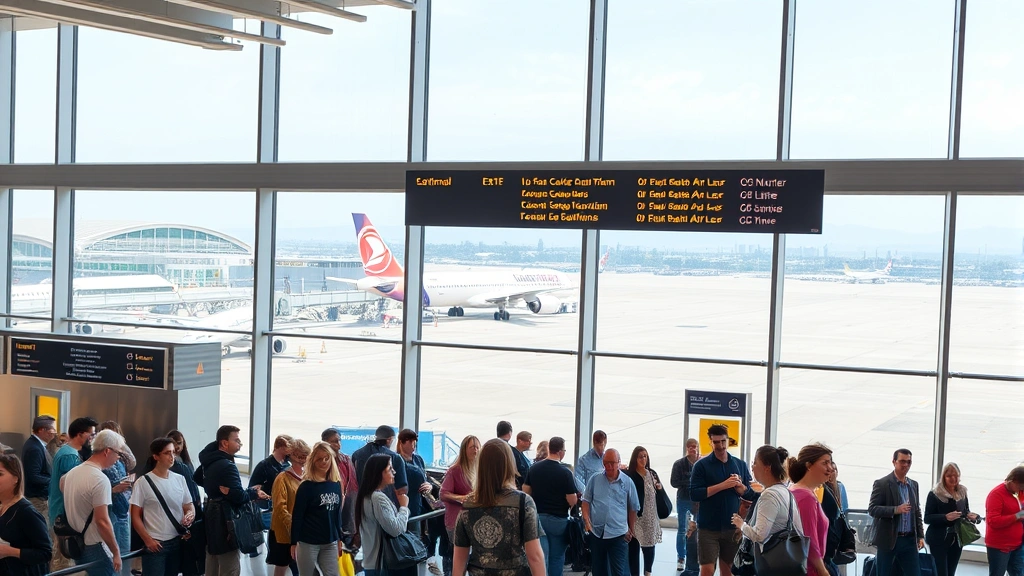
No single airline currently operates a direct service from Moscow to Anchorage, making this journey inherently a multi-carrier experience. However, several airlines provide reliable connections on this route through their respective hub systems. Aeroflot, Russia’s flagship carrier, connects Moscow to numerous international destinations but requires partnerships with US carriers for Anchorage service.
Alaska Airlines dominates the Anchorage market and maintains extensive domestic US connections, making them a natural choice for the final leg from lower 48 states to Alaska. When booking through Moscow, coordinating with airlines familiar with this specific routing ensures better baggage handling, more reliable connections, and superior customer service throughout the journey. Check flight status of Air India 101 as a reference for understanding how to track multi-leg journeys effectively.
International carriers like British Airways, Air France, and KLM provide alternative routings through their respective European hubs. Each airline partner brings different service standards, baggage policies, and scheduling advantages. Comparing these options requires evaluating not just total price but also layover duration, baggage allowances, and airline reputation for on-time performance on long-distance routes.
Booking strategies matter significantly on this route. Rather than purchasing separate tickets for each leg, booking through a single reservation system when possible ensures better protection if connections are missed and clearer responsibility assignment if baggage is mishandled. Many travel agencies specialize in complex international routings and can provide valuable guidance on optimizing your Moscow-Anchorage journey.
Seasonal Factors Affecting Flight Time
Alaska’s extreme seasonal variations dramatically impact flight operations and scheduling. Winter months (November through March) present challenging weather conditions in Anchorage, including significant snow, ice, and occasional wind that can cause delays. Summer months offer more reliable weather but bring extended daylight hours that don’t necessarily reduce flight time but do affect passenger comfort and jet lag adjustment.
Arctic jet stream positioning varies seasonally, potentially adding or removing significant time from northerly routing options. During winter, jet streams typically flow stronger, which can either accelerate eastbound flights or slow westbound flights depending on direction. Flight planners account for these atmospheric conditions when calculating fuel requirements and estimated flight times, sometimes routing further south during seasons when Arctic conditions are particularly challenging.
Seasonal demand affects connection availability and layover duration. Summer travel season (June through August) brings higher passenger volumes, potentially requiring longer layovers as airports manage increased traffic. Winter months may offer shorter connections due to lower demand, but weather-related delays can offset these benefits. Understanding seasonal patterns helps travelers choose optimal travel windows for their specific needs.
Daylight considerations become significant during Alaska’s extreme seasons. Summer brings nearly 24-hour daylight, while winter offers only a few hours of twilight. These conditions affect both pilot fatigue management and passenger circadian rhythm adjustment. Travelers should factor seasonal daylight variations into their jet lag management strategy when planning this journey.
Preparation Tips for Long-Haul Travel
Preparing for a Moscow-Anchorage journey requires attention to multiple factors beyond simple flight booking. Start by consulting essential tips for long haul flights to understand strategies for managing extended travel time, maintaining health during long journeys, and arriving refreshed.
Packing strategy becomes critical for multi-leg international travel. Pack essential items including medications, valuables, and change of clothes in carry-on baggage to protect against potential baggage delays on connections. Comfortable clothing for extended flights, compression socks for circulation, and neck pillows all contribute to more restful travel. Consider the climate differences between Moscow and Anchorage—Alaska’s weather demands appropriate cold-weather gear even during summer months.
Hydration and nutrition management during long flights significantly impacts your wellbeing. Request special meals when booking if you have dietary requirements, as airline options on connecting flights may be limited. Staying hydrated requires actively drinking water throughout the journey, as aircraft cabins maintain very low humidity levels. Taking short walks during layovers and performing in-seat stretches during flights helps prevent deep vein thrombosis and reduces muscle stiffness.
Technology and connectivity planning ensures you remain productive or entertained throughout the journey. Download entertainment, books, or work materials before departure, as in-flight WiFi may be unreliable or unavailable on certain legs. Confirm that your phone and devices support international roaming or plan to purchase local SIM cards in connection cities. Power banks become essential for maintaining device charge across multiple flights and airport terminals.
Sleep management requires strategic planning. The time difference between Moscow (UTC+3) and Anchorage (UTC-9) represents a significant 12-hour shift. Gradually adjusting your sleep schedule before departure, using melatonin supplements strategically, and adjusting to local time upon arrival all support better jet lag management. Consider your personal circadian rhythm when booking flights—some travelers prefer overnight flights to sleep through the journey, while others prefer daytime travel for better alertness.

Visa and Entry Requirements
Russian citizens traveling to Anchorage require valid US visa documentation. The ESTA (Electronic System for Travel Authorization) system applies to certain nationalities but not Russian citizens, who must obtain traditional visa documentation from a US embassy or consulate. Processing times can extend several weeks, making advance application essential for this journey.
Transit visa requirements depend on your connection city. Traveling through European Union countries typically requires valid travel documents but may not require separate transit visas for short layovers, depending on your nationality and specific routing. However, confirming transit requirements with your airline and reviewing current EU entry requirements is essential, as regulations change frequently.
Health documentation requirements may apply depending on current international health regulations. COVID-19 requirements have largely relaxed, but travelers should confirm current requirements for both transit countries and Alaska. Travel insurance covering medical emergencies during international travel provides valuable protection, particularly given the remote nature of Arctic travel routes.
Customs and immigration procedures at Anchorage follow standard US protocols. Arriving passengers proceed through standard immigration queues where officers verify visa status and purpose of visit. Having clear documentation of your travel purpose, accommodation arrangements, and return travel plans facilitates smoother processing. US Customs and Border Protection maintains detailed information about entry requirements on their official website.
FAQ
What is the exact flight time from Moscow to Anchorage?
Direct flight time would be approximately 7.5 to 8.5 hours, but direct flights don’t operate on this route. With typical connections and layovers, total journey time ranges from 12 to 24 hours depending on routing choices. When researching specific itineraries, always check actual booked flight times rather than theoretical direct flight durations.
Which airlines offer the best connections from Moscow to Anchorage?
Turkish Airlines through Istanbul, Lufthansa through Frankfurt, and various partnerships involving European carriers typically provide reliable options. The best choice depends on your travel dates, budget, and personal preferences regarding layover duration. Comparing multiple options across different booking platforms reveals which routing best suits your needs.
What’s the best time of year to fly this route?
Summer months (June through August) offer more reliable weather and longer daylight hours, though higher passenger volumes may result in longer layovers. Winter months present weather challenges but may offer shorter connections. Your choice should depend on your specific travel purpose and tolerance for weather-related potential delays.
Do I need transit visas for connections?
Transit visa requirements depend on your nationality, connection city, and layover duration. Many European hubs allow short transit without visas for certain nationalities, but confirming with your airline and reviewing current regulations is essential. Visa requirements change frequently, making pre-travel verification crucial.
How should I prepare for the time difference?
The 12-hour time difference between Moscow and Anchorage requires strategic preparation. Gradually adjusting your sleep schedule before departure, using light exposure strategically, and adapting to local time upon arrival all support better adjustment. Consulting how to find cheap airline tickets to Europe helps identify optimal departure timing that aligns with your jet lag management strategy.
What baggage considerations apply to this route?
Baggage policies vary by airline and ticket class. International flights typically allow checked baggage, but confirming specific allowances with each carrier in your routing is essential. Fragile items or valuable equipment may require special handling procedures. Purchasing travel insurance covering baggage loss provides protection on this complex multi-leg journey.
Are there direct flights available?
Currently, no airlines operate direct flights from Moscow to Anchorage. All journeys require at least one connection through European or other hub airports. Future route availability depends on geopolitical factors, fuel economics, and airline network decisions, but direct service remains unlikely in the near term.
What’s the distance covered on this route?
The great circle distance from Moscow to Anchorage measures approximately 3,400 nautical miles or 6,300 kilometers. Actual routing may extend this distance slightly depending on airspace restrictions and flight path optimization, but this represents the fundamental geographic separation between the two cities.