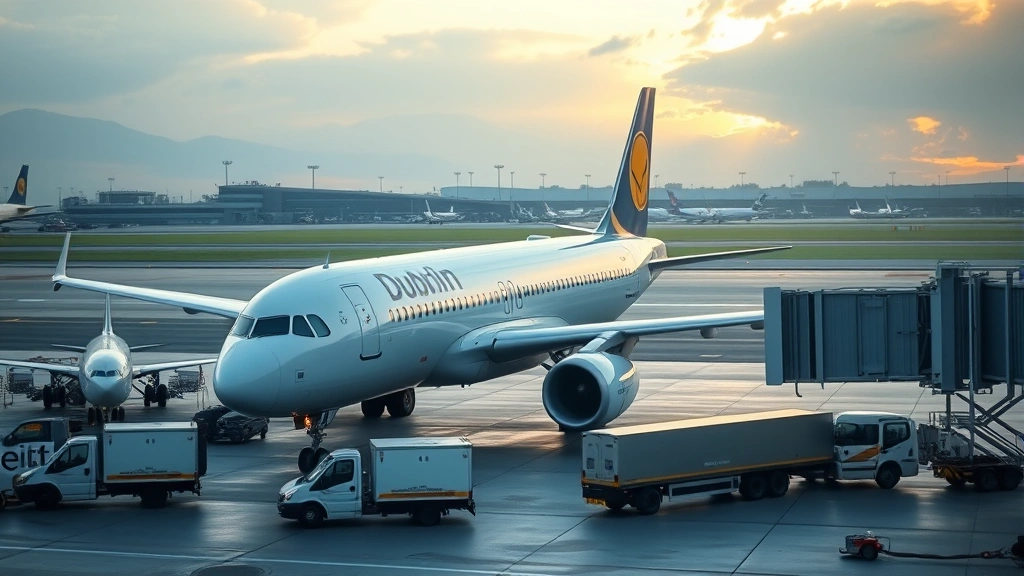
NY to DC Flights: Expert’s Timing Guide for Smart Travelers
Flying between New York and Washington, D.C. is one of America’s most frequently traveled routes, connecting two of the nation’s most important business and cultural hubs. Whether you’re heading to the nation’s capital for political meetings, museum visits, or business conferences, understanding the timing dynamics of New York to Washington flights can save you hundreds of dollars and countless hours of frustration. This comprehensive guide breaks down everything you need to know about booking, flying, and optimizing your travel experience on this competitive corridor.
The Northeast Corridor remains the busiest aviation market in the United States, with multiple airlines competing fiercely for passengers. From budget carriers to full-service airlines, the options are abundant—but so are the price fluctuations. By learning when to book, which days offer the best fares, and how to navigate airport logistics, you’ll transform your travel experience from stressful to seamless. Let’s dive into the expert strategies that frequent travelers and industry professionals use to master this route.
Best Times to Book NY to DC Flights
Timing your booking is absolutely critical when flying the New York to Washington corridor. According to industry data, the optimal window for purchasing tickets on this route typically falls between 1 to 3 weeks before your departure date. This sweet spot allows you to capture better prices than last-minute bookings while avoiding the premium fares that airlines charge when they’re still in the early booking phase.
Tuesday and Wednesday afternoons represent the statistically best times to actually click “purchase” on your ticket. Airlines traditionally release their sales and pricing adjustments on Tuesday mornings, and competitors follow suit within hours. By waiting until Tuesday afternoon, you’ll see the full market reaction, allowing you to identify genuine deals. Wednesday bookings remain strong through the afternoon, but by Thursday morning, prices typically begin creeping upward as weekend travel demand influences the market.
For business travelers on this route, early morning bookings (5 AM to 8 AM) on weekdays often reveal better availability on premium times—which paradoxically sometimes costs less than evening slots due to lower business demand. Check out our guide on the best times to book airline tickets for more comprehensive pricing strategies applicable across all routes.
Avoid booking on weekends, particularly Sunday evenings when leisure travelers make last-minute decisions and prices spike accordingly. Similarly, booking within 7 days of departure almost guarantees premium pricing, as airlines know they’ve captured most flexible travelers and can charge higher fares to those with urgent travel needs.
Cheapest Days to Fly This Route
Not all days of the week are created equal when flying between New York and Washington. Tuesday through Thursday consistently offer the lowest fares on this corridor, with Tuesday being the absolute cheapest day statistically. This pattern holds true because business travelers typically fly Monday or Friday to optimize their work weeks, creating a demand valley midweek that airlines fill with competitive pricing.
Wednesday flights to D.C. often feature some of the most aggressive pricing you’ll find, especially for off-peak times like early morning or late evening departures. If your schedule permits flexibility, adjusting your travel day by even one day can result in 20-40% savings compared to peak travel days.
Friday represents a transition day—morning flights remain relatively affordable as they capture business travelers wrapping up their week, but afternoon and evening Friday departures command premium prices as weekend leisure travel dominates. Saturday and Sunday bookings tend toward the expensive end of the spectrum, though Sunday evening red-eyes occasionally offer deals as airlines try to fill overnight capacity.
The absolute cheapest flights typically depart between 6 AM and 8 AM on Tuesday or Wednesday, or between 9 PM and 11 PM on any weekday. These inconvenient times exist because most travelers prefer mid-morning or early evening slots. If you’re willing to sacrifice convenience for savings, these windows can reduce your fare by 30-50% compared to premium times.
Airport Selection Strategy
New York metropolitan area travelers have three major options: LaGuardia (LGA), Newark (EWR), and JFK. Similarly, the D.C. area offers Reagan National (DCA), Dulles (IAD), and Baltimore-Washington (BWI). Your airport selection dramatically impacts both price and convenience.
LaGuardia to Reagan National represents the most direct routing and typically takes just 1 hour flight time. However, this convenience premium means higher fares. LaGuardia is closest to Manhattan and offers the easiest ground access, but it’s the most expensive departure point.
Newark to Dulles often provides better fares than LaGuardia, though the flight time remains similar at approximately 1 hour 15 minutes. Newark offers more frequent service and sometimes includes budget carrier options that don’t serve LaGuardia. Ground transportation to Newark is straightforward via NJ Transit or rental car.
JFK to Reagan National or JFK to Dulles typically presents the longest ground access time from Manhattan but sometimes offers competitive fares, particularly on budget airlines. JFK serves as a hub for several international carriers that occasionally undercut regional competitors.
Baltimore-Washington (BWI) deserves serious consideration despite being furthest from central D.C. Southwest Airlines operates extensively from BWI, and their point-based frequent flyer program combined with free checked bags often makes BWI connections exceptional value. Amtrak’s Northeast Regional connects BWI to Union Station in 30 minutes for just $15.
Pro tip: Always compare the total cost including ground transportation. Saving $30 on a ticket but paying $40 more for ground access represents a net loss. Factor in parking, rideshare, or public transit costs for all airport combinations before finalizing your choice.
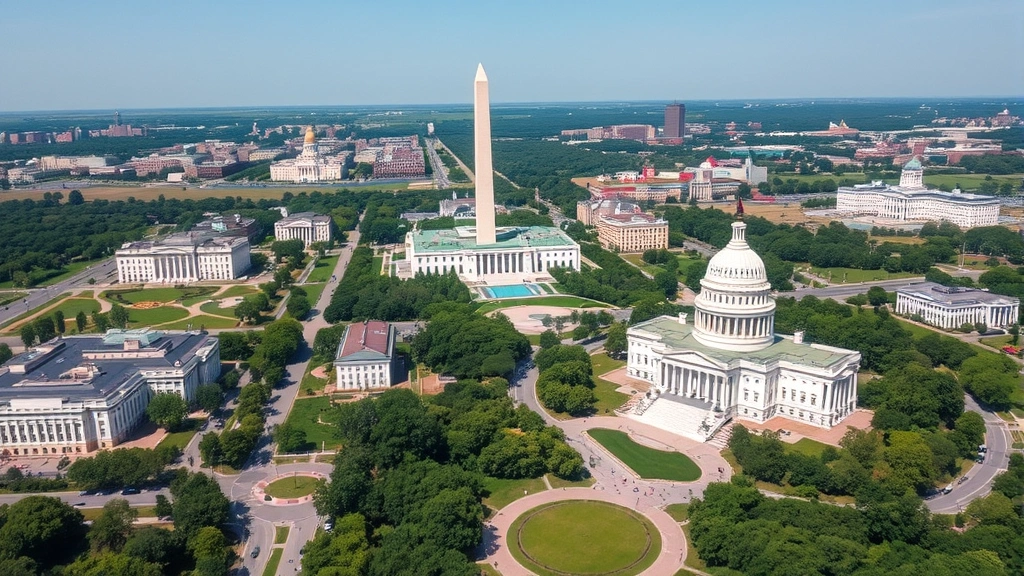
Airlines Operating This Route
Multiple carriers compete aggressively on the New York to Washington corridor, creating genuine price competition and frequent service. Understanding each airline’s strengths helps you identify the best value for your specific needs.
Southwest Airlines operates from Newark and Baltimore-Washington primarily. They offer free checked bags, no change fees, and a transparent pricing model. Southwest’s frequent flyer program rewards loyalty effectively, making them excellent for regular corridor travelers.
American Airlines operates from all three New York area airports to Reagan National and Dulles. As the largest carrier on this route, they offer frequent flights and good schedule options, though base fares sometimes run higher than competitors. Their frequent flyer program provides excellent benefits for elite members.
United Airlines provides competitive service from Newark and LaGuardia to Reagan National, Dulles, and BWI. United often matches competitor pricing and offers good schedule flexibility with multiple daily flights.
Delta Air Lines focuses on LaGuardia to Reagan National service with frequent daily flights. Delta’s premium cabin options and SkyMiles frequent flyer benefits make them attractive for business travelers. For more information about airline advantages, review our airlines key information and tips for travelers resource.
Frontier Airlines occasionally operates budget service on this route from Newark to Washington, offering rock-bottom base fares but charging for everything including carry-on bags. They’re best for minimalist travelers willing to accept basic service for maximum savings.
Budget carrier Spirit Airlines has historically served this route but with limited frequency. Their ultra-low-cost model works for passengers without baggage or seat selection needs.
Flight Duration and Schedule Options
Flight time on the New York to Washington corridor is remarkably consistent at approximately 1 hour to 1 hour 20 minutes depending on specific airports and wind conditions. This short duration means actual flight time represents only a small portion of your total travel commitment—ground transportation, security screening, and airport procedures consume far more time.
Most airlines offer 8-15 daily flights on this route, with frequency peaking during business hours (7-9 AM and 4-7 PM). Early morning departures (5:30-8 AM) capture business travelers heading to D.C. for meetings, while late afternoon/early evening returns (4-6 PM) accommodate those finishing their business day before heading home to New York.
Midday flights (11 AM-2 PM) offer several advantages: fewer crowds, shorter security lines, less congestion at gates, and frequently lower fares. These off-peak times appeal primarily to leisure travelers and flexible business professionals. Red-eye options (10 PM-12 AM departures) exist but remain limited, as most passengers prefer daytime travel on this short corridor.
Weekend service remains robust, though frequency drops compared to weekday operations. Saturday typically offers 6-10 daily flights, while Sunday provides similar capacity. This weekend service supports tourism (visitors heading to D.C.’s museums and monuments) and leisure travel.
Seasonal Travel Patterns
The New York to Washington route experiences pronounced seasonal variations that dramatically affect pricing and availability. Understanding these patterns allows strategic planning around peak and valley periods.
Spring (March-May) brings pleasant weather to Washington, attracting tourists to the cherry blossoms (late March-early April) and outdoor attractions. This season commands premium fares, particularly the week surrounding peak cherry blossom season. Late March and early April represent the expensive shoulder of the year.
Summer (June-August) sees peak tourism and school vacation travel, making it the most expensive season overall. Congress remains in session longer during summer months, driving additional business travel. July particularly sees family travel dominating the route. Expect 15-25% premiums over off-season fares.
Fall (September-November) provides excellent value, particularly September and October. Labor Day weekend (early September) represents a brief spike, but post-Labor Day through late October offers some of the year’s best prices. Thanksgiving week reverses this trend, becoming one of the most expensive travel periods as families converge on the nation’s capital.
Winter (December-February) features holiday travel premiums in December, particularly the week before Christmas through New Year’s Day. January and February offer exceptional value as cold weather and post-holiday budgets reduce leisure travel. Presidents’ Day weekend (mid-February) creates a brief pricing spike, but surrounding weeks remain affordable.
Holiday periods consistently command 30-50% premiums: Thanksgiving week, Christmas/New Year’s, Presidents’ Day, Memorial Day, Independence Day, and Labor Day all see elevated pricing. If your travel dates offer flexibility, shifting by even a day or two can mean substantial savings.
Money-Saving Booking Strategies
Beyond timing your booking and travel dates, several strategic approaches maximize your savings on New York to Washington flights.
Set up price alerts on Google Flights, Kayak, Skyscanner, and directly with airlines’ websites. These tools notify you when fares drop, allowing you to pounce on deals. Many travelers book the moment they receive an alert, capturing savings of $50-150 per ticket.
Consider nearby alternatives for your origin and destination. Flying from Newark instead of LaGuardia, or to Dulles instead of Reagan National, sometimes yields 20-40% savings. The strategies for finding cheap airline tickets apply here too—flexibility is your greatest asset.
Use incognito browsing when searching for flights. While airline pricing algorithms don’t technically inflate prices based on repeated searches from the same user, using incognito mode eliminates cookies and ensures you’re seeing genuinely fresh pricing data rather than cookies influencing your results.
Book round-trip instead of one-way when possible. Counterintuitively, round-trip bookings often cost less than one-way tickets on this route because airlines use round-trips to fill capacity. If you need only a one-way ticket, sometimes booking a round-trip and not using the return costs less than a one-way fare.
Join frequent flyer programs before booking. Free program membership often unlocks instant discounts of 5-10% on base fares, plus you accumulate miles toward future free flights. American’s AAdvantage, United’s MileagePlus, Delta’s SkyMiles, and Southwest’s Rapid Rewards all offer competitive benefits on this route.
Check airline sales directly. Airlines occasionally run flash sales or limited-time promotions on this route. Signing up for airline email newsletters ensures you don’t miss these opportunities.
Consider rail alternatives. Amtrak’s Northeast Regional provides direct service from Penn Station (New York) to Union Station (D.C.) in approximately 3.5 hours for $15-30. While slower than flying, when you factor in ground transportation and airport time, the total journey time sometimes rivals flying, and rail travel proves significantly cheaper and more comfortable. The Northeast Regional offers more legroom, no security screening, and the ability to work or relax during travel.
Ground Transportation Tips
Optimizing ground transportation completes your New York to Washington journey planning. Your airport selection directly influences ground transportation costs and convenience.
From New York area airports: LaGuardia connects to Manhattan via the AirTrain to Jamaica Station (feeding LIRR and subway) for approximately $8 total, or via rideshare ($25-45 depending on traffic). Newark offers NJ Transit rail service ($15) or rideshare ($30-50). JFK provides AirTrain connections to Jamaica Station for $8 or rideshare ($40-60).
To Washington area airports: Reagan National offers the most convenient connection via the Metro (WMATA) Red Line directly to downtown D.C. for $2.75. Dulles provides the Silver Line Metrorail for $6-10 depending on distance. BWI connects via MARC commuter rail ($8) to Union Station or Amtrak’s Northeast Regional ($15).
For business travelers flying frequently, visiting our blog regularly provides updated ground transportation information and negotiated partnerships that can reduce your total travel costs.
Rideshare services (Uber, Lyft) work well when traveling with multiple passengers or during off-peak hours when surge pricing doesn’t apply. Always compare rideshare estimates against public transit—sometimes the difference is negligible, and rideshare offers door-to-door convenience.
Rental cars rarely make sense for this route unless you’re staying multiple days and need ground transportation for activities beyond airport transfer.

FAQ
What’s the cheapest way to fly from New York to Washington?
Fly on a Tuesday or Wednesday on an off-peak time (early morning or late evening), book 2-3 weeks in advance, and consider flying from Newark to Dulles or Baltimore-Washington. Alternatively, consider Amtrak’s Northeast Regional for $15-30, which often beats flying when factoring in ground transportation.
How long is the flight from NY to DC?
Direct flights take approximately 1 hour to 1 hour 20 minutes depending on specific airports and weather conditions. Ground transportation typically consumes 1-2 hours total (airport arrival, security, boarding), making total travel time 2.5-3.5 hours.
Which New York airport is best for flying to Washington?
LaGuardia offers the closest proximity to Manhattan and shortest flight time to Reagan National, but charges premium fares. Newark provides better value with competitive fares and good ground access. Consider your priorities: convenience (LaGuardia), value (Newark), or budget alternatives (JFK or BWI connections).
Can I save money by flying into a different Washington airport?
Yes. Reagan National offers convenient Metro access but often charges premium fares. Dulles provides competitive pricing with Silver Line rail service. Baltimore-Washington (BWI) frequently offers the lowest fares and Southwest Airlines service, though it’s furthest from downtown D.C.
Is it cheaper to book round-trip or one-way flights?
Round-trip bookings often cost less than one-way tickets on this route. If you need only a one-way ticket, check if booking a round-trip and not using the return leg costs less—sometimes it does.
What day of the week are flights cheapest?
Tuesday flights are statistically cheapest, followed closely by Wednesday. Avoid Friday, Saturday, and Sunday for budget travel. Weekend flights command 20-40% premiums compared to midweek options.
Should I fly or take Amtrak?
For budget-conscious travelers, Amtrak’s Northeast Regional ($15-30, 3.5 hours) often beats flying when you factor in ground transportation. Flying wins if you need speed and have flexible ground transportation access. Business travelers with airport proximity often fly; tourists and leisure travelers should compare both options.
How far in advance should I book?
Book 2-3 weeks before departure for optimal pricing. Avoid booking more than 6 weeks in advance (early booking premiums) or within 7 days (last-minute premiums). The 14-21 day window captures the pricing sweet spot.