Why Delta Flights Divert? Expert Analysis of Flight Diversions and Tarmac Delays
Flight diversions represent one of the most frustrating experiences for modern travelers. When a Delta flight gets diverted, passengers face unexpected delays, missed connections, and significant inconvenience. Understanding the mechanics behind these diversions—particularly incidents involving Delta flights diverted to Alabama tarmac locations—helps travelers make informed decisions and better prepare for potential disruptions. This comprehensive guide examines the operational, meteorological, and regulatory factors that force airlines to divert aircraft from their intended destinations.
Delta Air Lines, as one of the largest carriers in the United States, manages thousands of daily flights across complex networks spanning domestic and international routes. When circumstances force a diversion, the airline must balance passenger safety, regulatory compliance, fuel management, and operational efficiency. Recent incidents highlighting tarmac delays in Alabama and other regions underscore the critical importance of understanding why these diversions occur and what passengers should expect when their flights are affected.
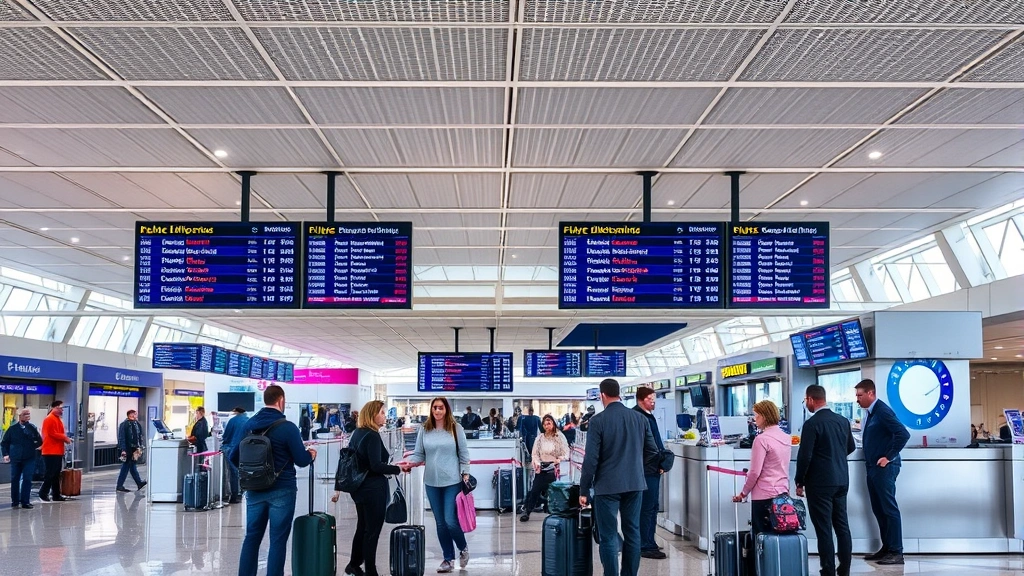
Understanding Flight Diversions
A flight diversion occurs when an aircraft must land at an airport other than its scheduled destination. This decision, made by the pilot in command in consultation with air traffic control and airline operations, happens for legitimate safety or operational reasons. Unlike cancellations, diversions mean the aircraft and passengers reach a destination—just not the intended one.
Delta pilots receive extensive training on diversion protocols and decision-making. The airline maintains detailed contingency plans for major routes, identifying suitable alternate airports based on runway capacity, ground services, fuel availability, and proximity to the original route. When a diversion becomes necessary, Delta’s operations center coordinates with the alternate airport, ground handling services, and passenger services teams to minimize disruption.
The decision to divert involves complex calculations. Pilots must consider remaining fuel, weather conditions at multiple airports, passenger connections, and aircraft maintenance needs. A diversion that seems minor operationally can create cascading effects for passengers, particularly those with tight connections on subsequent flights. This explains why some diversions, like those to Alabama regional airports, generate significant passenger frustration despite being operationally sound decisions.
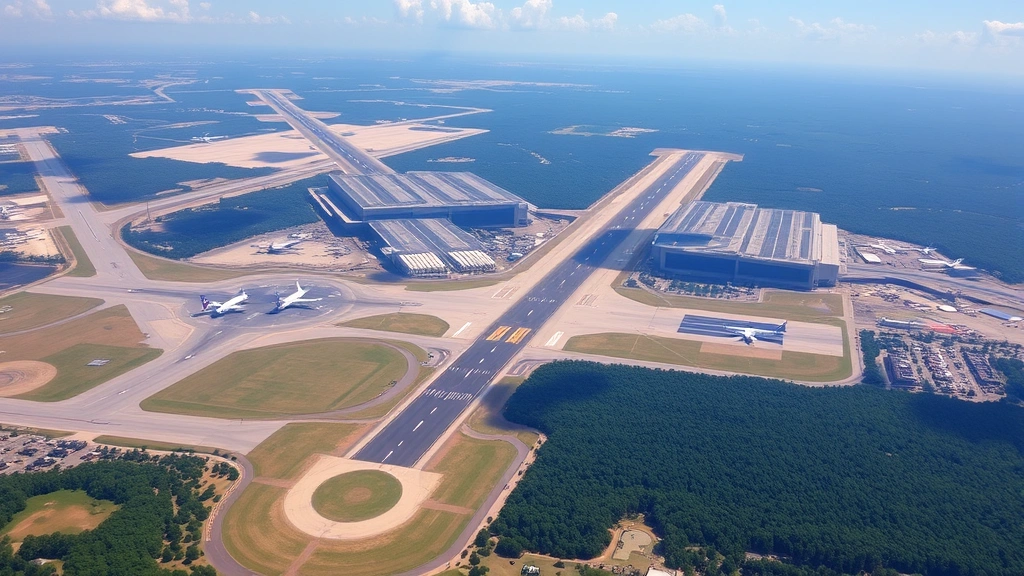
Weather-Related Diversions
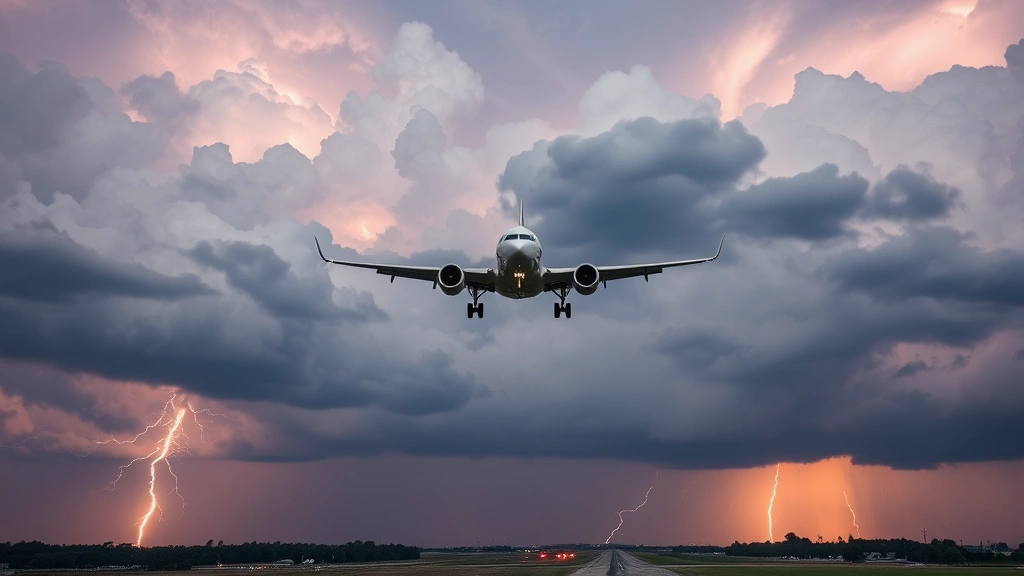
Severe weather represents the primary cause of flight diversions across the aviation industry. Thunderstorms, particularly those with strong vertical development, can pose serious threats to aircraft safety. Wind shear, hail, and lightning create conditions where landing or continuing toward the scheduled destination becomes inadvisable.
Convective weather—the meteorological term for storm systems—frequently forces diversions during spring and summer months across the southeastern United States, where Alabama is located. Pilots receive real-time weather information through multiple sources: onboard weather radar, ground-based radar data transmitted by air traffic control, satellite imagery, and pilot reports from other aircraft. When weather deteriorates rapidly along the flight path, diverting to a clear alternate airport becomes the prudent choice.
Winter weather in northern regions and occasional severe conditions in the South can create similar situations. Icing conditions, snow, and reduced visibility force diversions when conditions exceed aircraft capabilities or airport operational limits. Delta maintains relationships with numerous alternate airports specifically to handle weather-related diversions, ensuring suitable facilities are available when primary routes become unusable.
The unpredictability of severe weather makes diversion prevention impossible. However, improved weather forecasting and real-time monitoring systems have enhanced pilots’ ability to anticipate and plan for potential diversions before they become emergencies. When you book Dallas to Miami flights or other routes prone to seasonal weather disruptions, understanding these meteorological factors helps set realistic expectations.
Mechanical and Technical Issues
Aircraft mechanical issues can necessitate diversions when problems develop during flight. These range from minor equipment malfunctions to more serious concerns affecting flight safety or aircraft performance. Delta’s maintenance programs are among the industry’s most rigorous, yet mechanical issues occasionally occur during operations.
Common mechanical diversion triggers include pressurization problems, hydraulic system anomalies, electrical system irregularities, and engine performance variations. Modern aircraft have sophisticated monitoring systems that alert pilots to potential issues, allowing them to assess severity and determine whether continuing to the destination remains safe or whether diverting to the nearest suitable airport is necessary.
Engine issues deserve particular attention because they’re taken extremely seriously by pilots and maintenance personnel. Even minor anomalies in engine performance, vibration, or temperature readings can prompt diversions. This conservative approach—diverting when any doubt exists about safety—exemplifies commercial aviation’s commitment to passenger protection. While inconvenient, a precautionary diversion due to engine concerns prevents potentially catastrophic situations.
Hydraulic system problems similarly warrant conservative responses. Aircraft hydraulic systems power critical flight control surfaces, landing gear, and braking systems. Any indication of hydraulic fluid loss or system malfunction requires immediate attention, often necessitating diversion to an airport where maintenance facilities can address the issue properly.
Air Traffic Control Factors
Air traffic control systems occasionally force diversions for operational reasons unrelated to aircraft condition or weather. Runway closures at destination airports due to accidents, debris, or maintenance activities can require diversions. Additionally, when destination airports become congested beyond capacity, air traffic control may direct arriving aircraft to alternate airports to maintain safe separation and manage traffic flow.
The National Airspace System’s complexity means that disruptions at major hubs ripple throughout the network. When a major airport like Atlanta, Charlotte, or Dallas experiences disruptions, controllers may implement ground stops or traffic management initiatives that affect hundreds of flights across Delta’s system. These measures, while necessary for safety and efficiency, can result in diversions to unexpected alternate airports.
Controller-initiated diversions also occur when landing runways become unavailable due to weather, accidents, or other unforeseen circumstances. In these situations, the controller directs the pilot to divert, often to a pre-arranged alternate airport. Pilots work collaboratively with controllers, but ultimately, the controller has authority over airspace and traffic flow, meaning diversions can be mandated regardless of the pilot’s preference.
Tarmac Delay Regulations
The U.S. Department of Transportation established tarmac delay rules to protect passenger welfare, particularly after high-profile incidents where aircraft sat on taxiways for extended periods without adequate services. These regulations, enforced by the Department of Transportation, require airlines to provide specific accommodations after tarmac delays exceed certain thresholds.
For domestic flights, carriers must return aircraft to the gate or allow passengers to deplane after three hours of tarmac time. International flights have a four-hour threshold. During these extended delays, airlines must provide adequate food, water, restrooms, and medical attention. Failure to comply with these regulations results in substantial fines per passenger.
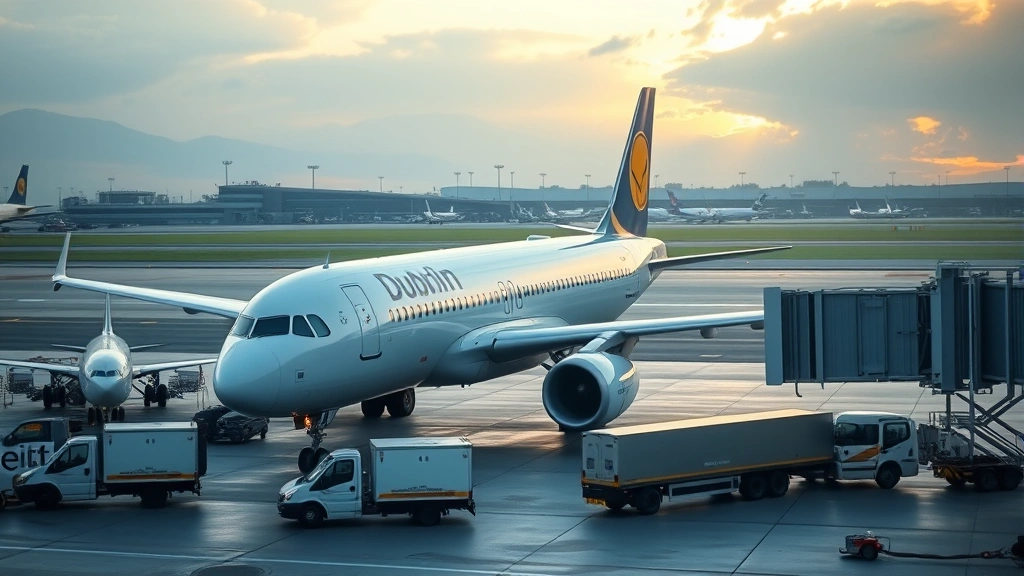
When Delta flights experience tarmac delays, particularly at regional airports like those in Alabama, these regulations become critically important. Regional airports may have limited ground services, making it challenging to provide amenities during extended delays. This logistical reality sometimes influences decisions about diversions—pilots and operations centers may choose to divert to better-equipped airports partly to ensure passenger comfort compliance.
The regulations also include provisions for passenger communication. Airlines must explain the reason for delays and provide realistic estimates of when operations will resume. Transparency helps passengers understand that delays, while frustrating, often reflect safety-first decision-making rather than operational negligence.
Alabama Airport Diversions
Alabama’s geographic location makes it a frequent alternate destination for diversions from major southeastern routes. The state hosts several airports with commercial service capacity, including Birmingham-Shuttlesworth International Airport, the state’s largest commercial facility. Other regional airports like Montgomery Regional Airport and Dothan Regional Airport also serve as alternate destinations.
Diversions to Alabama airports often result from weather systems moving through the Southeast, particularly during severe weather seasons. The state’s position in the southeastern United States means it frequently experiences weather patterns that also affect primary destination airports. A pilot diverting from Atlanta, Charlotte, or other southeastern hubs might land in Alabama when both the origin and intended destination become weather-unavailable.
Birmingham-Shuttlesworth International Airport offers modern facilities, multiple runways, and adequate ground services to handle diverted commercial traffic. The airport has expanded significantly in recent years, improving its capacity to handle diversions. However, smaller Alabama regional airports may have more limited services, potentially creating passenger accommodation challenges during extended diversions.
Understanding Alabama’s role in the broader southeastern aviation network helps explain why Delta flights diverted to Alabama tarmac situations occur regularly. The state essentially serves as a safety valve for congested southeastern airspace, absorbing diversions that prevent more catastrophic disruptions to major hub operations. While passengers experience inconvenience, these diversions actually reflect the system working as designed—finding safe, suitable alternate airports when conditions prevent reaching the original destination.
Passenger Rights and Compensation
Passengers experiencing diversions have specific rights under Department of Transportation regulations. Airlines must provide meals, beverages, and ground transportation when diversions occur. For flights diverted overnight, airlines must provide hotel accommodations and ground transportation to and from the hotel.
However, many diversion situations don’t trigger compensation obligations. Diversions caused by weather, mechanical issues discovered in flight, or air traffic control directives typically fall under the “extraordinary circumstances” exception, meaning airlines aren’t required to provide monetary compensation beyond the accommodations mentioned above. This distinction frustrates passengers but reflects the regulatory framework’s acknowledgment that some disruptions remain beyond airline control.
If a diversion causes passengers to miss connections, Delta typically rebooks them on the next available flight at no additional charge. The airline has policies for handling baggage during diversions, ensuring luggage reaches passengers’ final destinations even if it doesn’t travel on the same aircraft.
To better understand your rights across different airlines, review our guide on best airlines for frequent flyers, which includes discussion of customer service standards and compensation policies. Additionally, consulting the Federal Aviation Administration’s passenger rights information provides authoritative guidance on your entitlements.
Preventing Diversion Impacts
While passengers cannot prevent diversions, strategic planning can minimize their impact. Building connection time buffers—particularly on tight connections—provides insurance against diversion-related delays. If your first flight diverts, a three-hour connection buffer ensures you’ll make your second flight even with significant delays.
Selecting flights during off-peak hours and seasons reduces exposure to weather-related diversions. Morning flights typically encounter fewer weather systems than afternoon flights, when convective activity peaks. Similarly, winter and spring months see more frequent diversions in the Southeast than summer months, though seasonal patterns vary yearly.
Booking through airlines with robust networks of alternate airports increases the probability of convenient diversion destinations. Delta’s extensive route network and numerous partnerships mean that diversions often land at airports with good ground services and onward flight options. Checking our resources on essential tips for long haul flights includes discussion of connection strategies and airline selection criteria.
Travel insurance provides another layer of protection. Comprehensive policies covering trip delays and missed connections offer reimbursement for expenses incurred during diversion-related disruptions. While insurance cannot prevent diversions, it provides financial protection when they occur.
Staying informed about weather conditions along your flight route helps set realistic expectations. Using resources like National Weather Service to monitor forecasts for your departure and destination cities provides insight into potential disruption risks. If significant weather systems are forecast, consider whether rebooking to a different day might be prudent.
For those researching specific routes, exploring options like Chicago to London flights or reviewing how to find cheap airline tickets to Europe provides broader context for evaluating airlines and routes based on reliability and service standards.
Checking the Delta Air Lines official website before traveling helps identify any current operational issues, weather advisories, or service disruptions affecting your route. Delta’s website and mobile app provide real-time flight status updates, essential for monitoring potential diversion risks.
FAQ
What’s the most common reason Delta flights divert?
Weather represents the leading cause of diversions, accounting for approximately 60-70% of all diversion events. Severe thunderstorms, particularly in the Southeast, force most weather-related diversions. Mechanical issues and air traffic control factors account for the remaining diversions.
Do I get compensated if my Delta flight diverts?
Compensation depends on the diversion cause. Weather, mechanical issues discovered in flight, and air traffic control directives typically don’t trigger monetary compensation, though airlines must provide meals, beverages, and accommodations. If the diversion results from airline negligence or scheduling issues, compensation may apply. Check with Delta’s customer service for specific situations.
How long can airlines keep aircraft on the tarmac during diversions?
Federal regulations require airlines to return aircraft to gates or allow passenger deplanement after three hours for domestic flights or four hours for international flights. These rules apply regardless of the diversion cause. Violations result in significant fines per passenger.
Why do pilots choose Alabama airports for diversions?
Alabama’s geographic location makes it a logical alternate destination for flights diverted from southeastern routes. Airports like Birmingham-Shuttlesworth International offer modern facilities, multiple runways, and adequate services. The state’s position in the network means weather systems affecting major destination hubs often clear in Alabama, making it a suitable alternate.
Can I get a refund if my flight diverts?
Diversions alone don’t entitle passengers to refunds. You’re entitled to transportation to your final destination, though it may occur on different flights or after delays. If you choose not to continue to your original destination, you may be eligible for partial refunds depending on the fare type and airline policy.
How does Delta communicate diversion information to passengers?
Pilots announce diversions via cabin address systems, explaining the reason and alternate destination. Flight attendants provide additional information and answer questions. After landing, Delta provides updates regarding ground time, onward flight arrangements, and accommodations if needed. Real-time updates also appear in the Delta mobile app and website.
Should I buy travel insurance to protect against diversions?
Travel insurance can provide valuable protection if diversions cause missed connections, requiring hotel stays, or other expenses. Comprehensive policies covering trip delays offer reimbursement for additional costs incurred. For frequent travelers or those with tight connections, insurance provides worthwhile protection.