Cheapest Flights to Tulsa? Expert Picks for Budget-Conscious Travelers
Finding affordable flights to Tulsa, Oklahoma doesn’t require a travel agent or sophisticated booking strategies—it requires knowledge, timing, and understanding how airlines price their routes. Tulsa International Airport (TUL) serves as a major hub connecting travelers to this vibrant mid-American city, home to world-class museums, stunning art deco architecture, and a thriving cultural scene. Whether you’re visiting for business, leisure, or to explore the American heartland, securing budget-friendly airfare is entirely achievable with the right approach.
As a travel writer specializing in airline pricing and route analysis, I’ve spent years tracking fare fluctuations, monitoring seasonal trends, and identifying the best booking windows for various destinations. Tulsa presents unique opportunities for savvy travelers because it sits at an interesting intersection of regional and national flight patterns. The city attracts fewer international tourists than major hubs, which can work in your favor when booking domestic flights. This comprehensive guide reveals insider tactics, optimal booking times, and specific flight routes that consistently offer the lowest prices to Tulsa.
Best Airlines for Cheap Flights to Tulsa
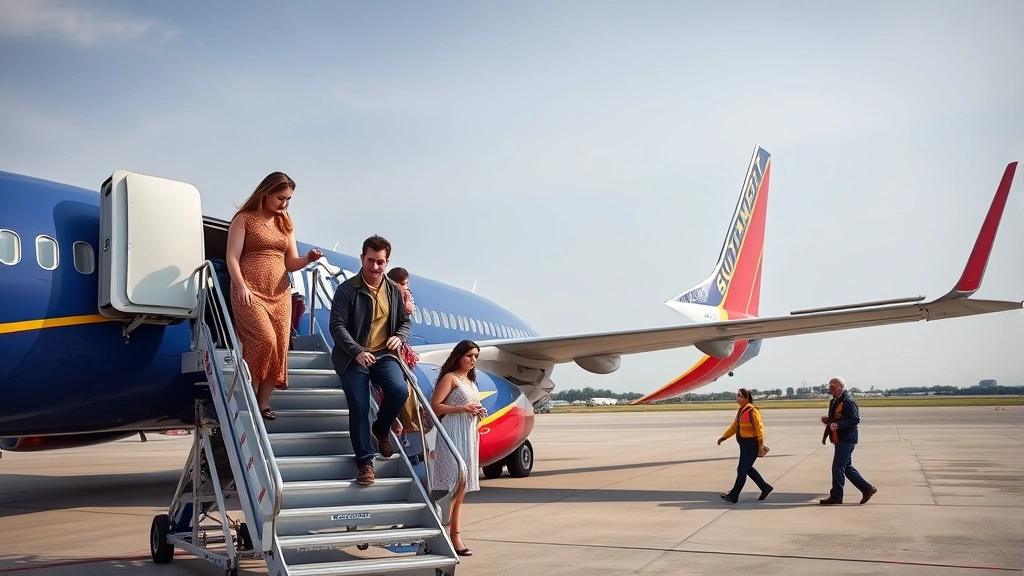
Southwest Airlines consistently offers the most competitive pricing on flights to Tulsa, primarily because the airline operates multiple daily flights from major hubs like Dallas Love Field (DAL) and Houston Hobby (HOU). Southwest’s point-to-point network model means fewer connecting fees and more direct competition on popular routes. The airline’s two free checked bags policy adds significant value compared to competitors charging $30-35 per bag, effectively reducing your total travel cost by $60-70 on round-trip itineraries.
American Airlines provides strong competition through its Dallas/Fort Worth hub (DFW), offering multiple daily connections to Tulsa. While American doesn’t match Southwest’s baggage allowances, their frequent flyer program provides valuable redemption opportunities, and elite members enjoy priority boarding and standby list benefits. Budget carriers like Spirit Airlines and Frontier occasionally offer rock-bottom fares to Tulsa, though their ancillary fees for seat selection, carry-ons, and checked luggage can quickly eliminate initial savings. These carriers work best for light travelers prioritizing lowest base fares.
United Airlines and Delta Air Lines typically maintain higher base fares to Tulsa but offer premium service, better schedule flexibility, and superior frequent flyer earning potential. Consider these carriers if you have flexibility in your travel dates or can leverage elite status benefits. Comparing airlines for long flights becomes less critical for Tulsa routes since most flights involve one connection, but understanding each carrier’s strengths helps optimize your selection.
Regional carriers like Frontier occasionally run promotional fares from secondary cities like Denver and Phoenix, creating opportunities for creative routing. Always check Southwest Airlines’ official website first, as their direct booking platform frequently offers exclusive fares not available through third-party aggregators.
Optimal Booking Timing and Strategies
The sweet spot for booking flights to Tulsa falls between 4-6 weeks before your departure date for domestic travel. This window aligns with when airlines release summer schedules and adjust pricing based on demand patterns. For weekend travel, book on Tuesday or Wednesday when airlines typically adjust fares following Monday business travel pricing. Avoid booking on Friday through Sunday, as leisure travelers flooding booking sites drive up prices.
Time-of-day booking matters more than most travelers realize. Fares tend to be lowest between 2-4 AM Eastern Time when airlines update their systems and fewer people actively search. Use flight alert tools from Google Flights and Hopper to monitor price trends for your specific dates. These platforms send notifications when prices drop significantly, allowing you to book at optimal moments rather than constantly checking manually.
The best times to book airline tickets varies by season, but generally avoid booking within 2 weeks of travel unless prices have already dropped below your target threshold. Last-minute deals exist but prove unreliable for Tulsa routes due to moderate demand. Instead, establish a target price—typically $150-250 for round-trip flights from major hubs—and book immediately when that threshold is reached.
Consider booking one-way tickets separately when prices suggest split purchasing saves money. This tactic works occasionally on Tulsa routes, particularly when combining budget carriers outbound with traditional carriers returning. However, calculate total costs carefully, as two separate bookings mean no protection if your outbound flight delays and causes missed connections.
Cheapest Routes to Tulsa International Airport
Dallas to Tulsa consistently ranks among America’s cheapest domestic routes, with round-trip fares frequently dropping below $120 during off-peak periods. Both Dallas/Fort Worth International (DFW) and Dallas Love Field (DAL) offer competitive options, with Southwest’s Love Field operations typically undercutting legacy carriers. The 200-mile distance makes this route ideal for budget airlines, and the high-frequency service creates competition that benefits consumers.
Houston to Tulsa provides another excellent value option, particularly on Southwest flights from Houston Hobby (HOU). This route averages $130-180 round-trip and benefits from Southwest’s hub status. The 400-mile distance sits in the sweet spot for competitive pricing—long enough that budget airlines can operate profitably, yet short enough that airlines don’t charge premium pricing for the segment.
Oklahoma City to Tulsa offers the cheapest absolute fares, sometimes dropping below $100 round-trip, but the 100-mile distance makes driving or taking the Amtrak more practical for many travelers. If you’re already in Oklahoma, however, this route provides exceptional value. Denver to Tulsa occasionally features Frontier promotional fares under $140, particularly during shoulder seasons when Denver weather improves and leisure travel increases.
Phoenix to Tulsa represents an underrated cheap route, with Southwest and occasionally Spirit offering fares in the $120-160 range. The 1,000-mile distance normally commands higher prices, but Phoenix’s competitive market and Southwest’s strong presence create opportunities. Chicago to Tulsa typically costs $150-220 round-trip, making it moderate rather than cheap, but the frequency and multiple carrier options provide booking flexibility.
Atlanta to Tulsa routes serve Delta’s hub, resulting in higher base fares ($180-250 round-trip), but connecting through Dallas or Houston often costs less than direct itineraries. Always check multi-city routing options that connect through cheaper hub cities. Understanding pricing between major hubs helps identify similar patterns on Tulsa routes.
Seasonal Pricing Patterns and Travel Windows
Tulsa’s pricing follows predictable seasonal patterns that savvy travelers exploit. January through March offers the cheapest overall fares as winter weather discourages leisure travel and business activity slows post-holiday season. Expect round-trip prices 20-30% below annual averages, with the sweet spot falling in late February when weather uncertainty peaks but spring break hasn’t yet driven demand upward.
April brings the first significant price increase as Easter travel and spring break create demand spikes. May through September represents peak pricing, with summer vacation season (June-August) commanding premiums of 40-60% above winter baseline fares. September’s back-to-school transition provides slight relief mid-month before fall events drive prices upward again.
October and November offer moderate pricing with occasional deals around the Thanksgiving period, though holiday travel itself (November 22-27, December 20-January 2) commands premium prices regardless of normal seasonal patterns. Tulsa’s proximity to Oklahoma’s oil and gas industry creates business travel demand during Q1 and Q3 earnings seasons, slightly elevating mid-week fares during these periods.
Avoid flying to Tulsa during major events like the Tulsa State Fair (September), Route 66 Festival (June), and Woody Guthrie Center events, as accommodation and flight demand increase simultaneously. Conversely, book during these event periods if you’re attending—you’ll justify higher fares through event experiences, and early booking actually provides better deals than typical pricing for those specific dates.
Hidden Booking Tricks from Experienced Flyers
Incognito browsing prevents airlines from tracking your search history and adjusting prices upward based on repeated queries. Every search you conduct signals interest, potentially triggering price increases through dynamic pricing algorithms. Open flight searches in private/incognito mode, clear cookies between searches, or use VPN services to mask your location and search patterns. This simple tactic saves $10-30 per ticket on average.
Google Flights’ “Flexible Dates” feature identifies the cheapest travel dates within your desired window, often revealing that flying a day earlier or later saves $50-100 per person. Set your search parameters to show prices across a 7-10 day range, then systematically compare results. Tulsa’s moderate demand means price variations between adjacent dates can exceed $100, making flexibility extremely valuable.
Set up price alerts on multiple platforms simultaneously—Google Flights, Hopper, Kayak, and airline websites each track prices independently and sometimes identify deals others miss. Price alert aggregation increases your chances of catching flash sales and temporary pricing errors that airlines quickly correct. Some travelers report saving $200+ annually simply by maintaining alerts for their most-traveled routes.
Check airline websites directly before booking through third-party aggregators. Southwest, in particular, occasionally offers exclusive web fares unavailable through Expedia, Kayak, or Google Flights. Airlines also provide better customer service when issues arise with directly-booked tickets, avoiding third-party intermediaries who prioritize their own margins over your experience.
Consider connecting through secondary cities that experience less demand. A flight from your home city to Oklahoma City, then Oklahoma City to Tulsa might cost less than direct routing to Tulsa, even accounting for connection time. This strategy works occasionally on less-traveled routes where airlines discount secondary city segments to maintain aircraft utilization.
Bid for upgrades on Southwest flights by offering airline gift cards during check-in. Southwest’s unique boarding system creates opportunities for upgrade negotiations that traditional carriers don’t offer. Even if upgrades don’t materialize, you might secure better seat selections through negotiation, improving your travel comfort without additional airline charges.
Tulsa Airport Tips and Ground Transportation
Tulsa International Airport (TUL) sits 4 miles northeast of downtown, accessible via rental cars, rideshare services, or public transportation. The airport’s relatively small size means shorter security lines compared to major hubs—typically 10-15 minutes even during peak hours. Arrive 90 minutes before domestic departures rather than the standard 2-hour recommendation, reclaiming valuable time in your travel day.
Rental car prices at TUL run 15-25% cheaper than major hub airports due to lower demand and less intense competition among rental agencies. If you need ground transportation, renting often beats rideshare services for multi-day stays. However, Uber and Lyft provide affordable options ($12-18 to downtown) for travelers avoiding rental car hassles and parking fees.
The airport’s proximity to downtown Tulsa means rideshare services offer excellent value compared to other destinations. Budget $15-25 for downtown trips, $20-30 for outlying areas. Parking at TUL runs $8 per day in economy lots and $12 in premium lots, making it cheaper than rideshare for travelers with parked vehicles at their origin airport.
Tulsa’s Will Rogers World Airport (OKC), 100 miles south, occasionally offers cheaper flights, particularly on budget carriers. The drive between Tulsa and Oklahoma City takes 90 minutes via I-35, making airport switching viable only when flight savings exceed $100+ per person. Calculate total trip costs including gas, parking, and additional driving time before committing to this strategy.
TSA PreCheck and Clear memberships provide minimal advantage at TUL due to generally short security lines, but they prove valuable if you frequently fly from larger hubs. If you travel to Tulsa quarterly or more, PreCheck’s $85 five-year cost ($17 annually) pays for itself quickly through time savings at your home airport.
For flight disruption issues, understand your rights under airline flight delay compensation rules, which differ between carriers and circumstances. Southwest generally provides better customer service during disruptions, while budget carriers may offer minimal assistance. Document delays, collect receipts for meals and accommodations, and file compensation claims when eligible.
FAQ
What’s the absolute cheapest time to fly to Tulsa?
Late February and early March offer the cheapest fares, typically 30-40% below annual averages. Avoid June-August (peak summer) and December (holiday season) when prices spike significantly. Tuesday through Thursday departures cost 10-15% less than weekend travel.
Which airline offers the best value to Tulsa?
Southwest Airlines provides the best overall value due to free checked bags, frequent daily flights, and competitive base fares. For pure lowest base fares, compare Spirit and Frontier, but calculate total costs including baggage fees before committing. Southwest’s official site often features exclusive deals.
How far in advance should I book flights to Tulsa?
Book 4-6 weeks ahead for optimal pricing. Avoid booking within 2 weeks unless prices have already dropped significantly below your target threshold. For peak season travel, book 8-10 weeks in advance to secure inventory before price increases.
Are connecting flights cheaper than direct flights to Tulsa?
Occasionally, yes. Routes connecting through Dallas or Houston sometimes cost $20-50 less than direct options, though the time investment usually isn’t worth modest savings. Compare both options, but prioritize direct flights unless savings exceed $40+ per person.
Can I save money by flying into Oklahoma City instead of Tulsa?
Rarely. OKC flights occasionally cost $30-50 less, but the 90-minute drive, gas, and parking costs typically exceed flight savings. Only pursue this strategy if OKC fares drop more than $100 below Tulsa pricing.
What’s the best website for finding cheap flights to Tulsa?
Google Flights offers the best interface for comparing prices and setting alerts. Hopper provides price prediction algorithms. Always verify final prices on airline websites before booking, as third-party aggregators occasionally miss direct booking discounts.
Do airline loyalty programs help reduce Tulsa flight costs?
Yes, if you fly frequently. Southwest Rapid Rewards and American AAdvantage members earn points toward free flights, seat upgrades, and priority boarding. For occasional travelers, these programs provide minimal value—focus on lowest base fares instead.