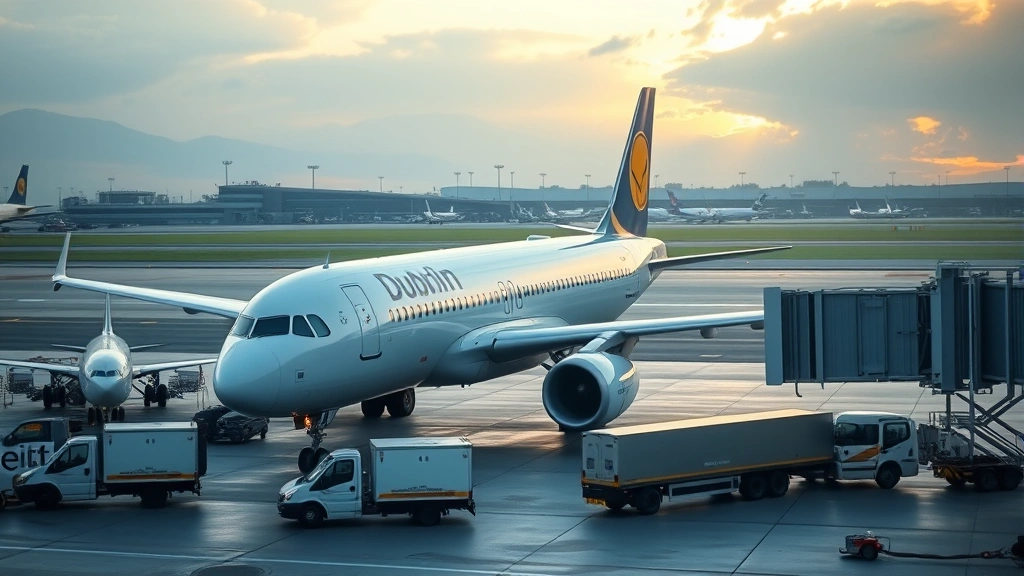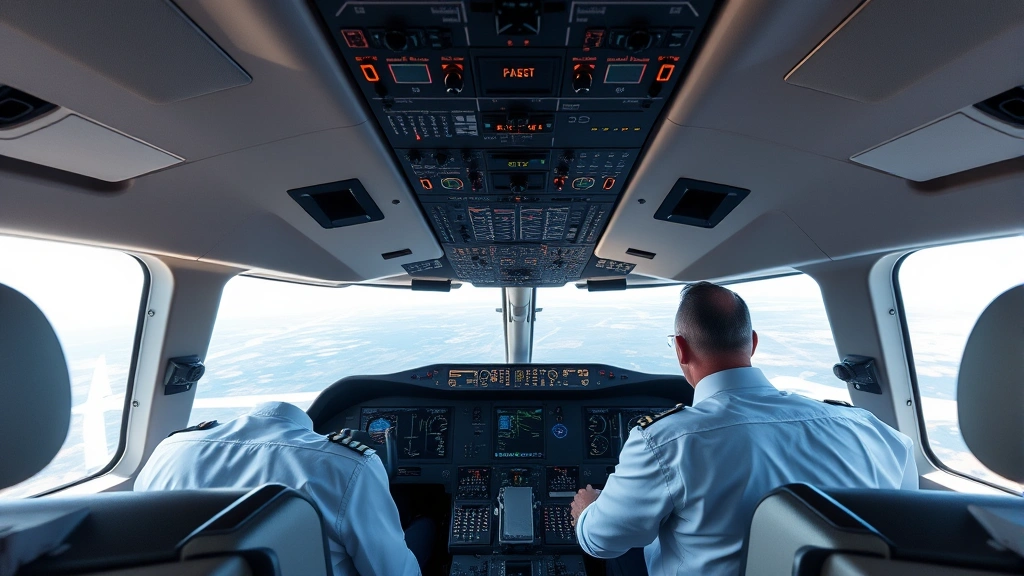
Latest Flight Safety Stats: Accident Analysis
Aviation safety has reached unprecedented levels in recent years, with commercial air travel becoming statistically the safest form of long-distance transportation. Despite occasional news flight accident reports that capture headlines, the aviation industry continues to demonstrate remarkable safety improvements through advanced technology, rigorous training protocols, and comprehensive regulatory frameworks. Understanding the latest flight safety statistics and accident analysis helps travelers make informed decisions while recognizing that air travel remains extraordinarily safe compared to other transportation modes.
Modern aircraft undergo continuous monitoring, maintenance, and upgrades that ensure passenger protection at every stage of flight operations. From pre-flight inspections to real-time in-flight systems, aviation safety protocols have evolved significantly over the past two decades. This comprehensive analysis explores current safety statistics, accident trends, contributing factors, and the measures airlines implement to maintain the highest safety standards globally.

Current Aviation Safety Statistics
The latest data from aviation safety organizations reveals that commercial aviation has achieved an impressive safety record. According to the International Civil Aviation Organization (ICAO), the global commercial aviation accident rate has decreased substantially over the past decade. In 2023, the aviation industry recorded approximately one accident for every 11 million flights, representing a significant improvement from historical averages.
When examining statistical probabilities, passengers should understand that flying remains the safest transportation method. The likelihood of being involved in a fatal aviation accident is approximately 1 in 11 million for commercial flights. To contextualize this, driving a car presents a fatality risk roughly 100 times higher than flying. These statistics underscore why many travelers choose air travel for long-distance journeys, particularly when considering New York to Paris flight time and other international routes.
The Federal Aviation Administration (FAA) tracks comprehensive safety metrics across all U.S. commercial operations. Their data indicates that accidents involving major U.S. airlines have declined by over 75% since the year 2000. This improvement reflects investments in aircraft modernization, pilot training enhancements, and implementation of advanced safety technologies. Airlines operating best airlines for long flights maintain even stricter safety protocols than minimum regulatory requirements.

Accident Rate Analysis and Trends
Recent accident analysis reveals encouraging downward trends in aviation incidents across major aviation markets. The European Aviation Safety Agency reports that European commercial aviation has achieved zero fatal accidents in several consecutive years, demonstrating the effectiveness of standardized safety regulations and continuous improvement initiatives. This achievement represents the culmination of decades of safety research and implementation of industry best practices.
Global accident rates have declined despite significant increases in passenger volume and flight operations. The aviation industry has handled increased demand through enhanced safety systems rather than compromised standards. Between 2015 and 2023, while passenger numbers increased by approximately 50%, accident rates decreased by approximately 30%. This inverse relationship demonstrates that growth in aviation does not necessitate safety compromises.
When analyzing specific accident types, controlled flight into terrain (CFIT) incidents have decreased substantially due to terrain awareness warning systems and improved navigation technology. Loss of control accidents, historically a significant accident category, have declined through enhanced pilot training programs and modern flight control systems. Accidents related to weather conditions have decreased as meteorological technology improves and pilots receive better real-time weather information during flight operations.
The National Transportation Safety Board (NTSB) investigates all significant aviation accidents in the United States, publishing detailed reports that drive continuous industry improvements. Each accident investigation identifies contributing factors and generates safety recommendations that become implemented across the aviation industry. This systematic approach to learning from incidents ensures that safety improvements benefit all aviation stakeholders.
Common Causes of Aviation Accidents
Understanding accident causation helps travelers recognize that modern aviation addresses identified risks systematically. Human factors remain the leading accident contributor, accounting for approximately 50% of aviation accidents. However, modern cockpit design, crew resource management training, and automation systems have significantly reduced human error impacts. Pilots receive extensive training in recognizing fatigue, stress, and situational awareness challenges that might compromise flight safety.
Mechanical failures cause approximately 20% of aviation accidents historically, though this percentage continues declining as aircraft age and maintenance standards improve. Modern aircraft incorporate redundant systems ensuring that single mechanical failures do not compromise flight safety. Regular maintenance inspections, component replacement schedules, and continuous monitoring systems detect potential issues before they develop into critical failures.
Weather-related accidents account for approximately 12% of aviation incidents, though modern aircraft and navigation systems have dramatically reduced weather-related risks. Thunderstorms, icing conditions, and wind shear present challenges that modern weather radar, lightning detection systems, and flight management computers help pilots navigate safely. Pilots can now avoid hazardous weather more effectively than ever before, and aircraft are certified to operate in conditions that previously would have required flight cancellations.
Maintenance defects, fuel-related issues, and design flaws together account for the remaining accident causes. Modern aircraft incorporate extensive safety margins in design, manufacturing quality controls, and maintenance programs that eliminate most potential defects before they affect flight safety. When selecting airlines for important trips, reviewing how to find cheap airline tickets to Europe should not override safety considerations, as major carriers maintain equivalent safety standards regardless of ticket pricing.
Safety Improvements and Technology
The aviation industry continuously implements technological advances that enhance safety across all flight operations. Terrain awareness and warning systems (TAWS) alert pilots to terrain hazards, preventing accidents that previously resulted from navigation errors or instrument failures. These systems integrate with aircraft navigation databases and real-time positioning information to provide comprehensive terrain avoidance capabilities.
Traffic collision avoidance systems (TCAS) prevent mid-air collisions by monitoring surrounding aircraft and providing pilots with resolution advisories when collision risks develop. This technology has virtually eliminated mid-air collision accidents in commercial aviation, representing one of the most significant safety achievements in aviation history. Modern TCAS systems communicate directly with nearby aircraft transponders, creating a coordinated safety network across the entire airspace.
Advanced weather radar systems provide pilots with detailed precipitation mapping and turbulence detection, enabling them to navigate around hazardous weather. Real-time weather data integration with flight management systems allows pilots to optimize flight paths considering current meteorological conditions. Lightning detection capabilities help pilots avoid thunderstorms that might pose structural or electrical hazards.
Flight data monitoring programs analyze data from every flight, identifying potential safety issues before they contribute to accidents. Airlines use this data to implement targeted training for specific pilots, adjust maintenance schedules based on component performance patterns, and modify procedures that might present safety risks. This proactive approach prevents accidents rather than waiting for incidents to occur.
Pilot training has evolved substantially, incorporating advanced flight simulators that recreate emergency scenarios with remarkable fidelity. Pilots practice procedures for engine failures, system malfunctions, and unusual attitudes in simulators before encountering these situations in actual flight operations. Essential tips for long haul flights often emphasize understanding crew qualifications and training standards that ensure competent flight operations.
Regional Safety Performance
Aviation safety varies significantly across global regions, reflecting differences in regulatory frameworks, airline standards, and infrastructure investments. North American and European aviation represents the safest aviation markets, with accident rates substantially below global averages. These regions benefit from mature regulatory systems, highly trained pilot populations, and investment in modern aircraft and airport infrastructure.
Asian aviation has demonstrated remarkable safety improvements over recent decades, with major airlines achieving safety records comparable to Western carriers. Increased investment in pilot training, adoption of modern aircraft, and implementation of international safety standards have elevated Asian aviation safety significantly. Airlines in this region now operate some of the world’s newest aircraft with advanced safety systems.
African and some developing nation airlines historically presented higher accident risks, though improvements continue as these regions adopt international safety standards and modernize their fleets. The International Civil Aviation Organization works with developing nations to implement safety oversight systems comparable to those in established aviation markets. Choosing established airlines when traveling to developing regions ensures access to higher safety standards and modern aircraft.
The European Union Aviation Safety Agency (EASA) maintains strict certification standards that contribute to European aviation’s exceptional safety record. These standards apply not only to European airlines but also to foreign carriers operating within European airspace. Similar regulatory rigor in North America and Asia ensures that major international carriers maintain consistent safety standards globally.
Passenger Risk Factors
While aviation itself presents minimal risk, certain passenger behaviors and circumstances can affect individual safety outcomes. Seatbelt usage during flight remains the single most important passenger safety action, yet some passengers neglect this simple precaution. Modern aircraft design incorporates substantial structural protection, but seatbelts prevent passenger injuries during turbulence or emergency landings.
Following crew member instructions during emergency procedures significantly improves passenger outcomes. Flight attendants receive extensive training in emergency procedures, evacuation techniques, and passenger management during crisis situations. Passengers who pay attention to safety briefings and follow crew guidance substantially improve their survival prospects in extremely unlikely emergency scenarios.
Alcohol consumption before and during flights can impair judgment and reduce passenger awareness during emergencies. Passengers should avoid excessive alcohol consumption, particularly on long flights where dehydration and cabin pressure changes amplify alcohol effects. Maintaining hydration and physical activity during the best times to book airline tickets often correlates with selecting flights that allow adequate rest and passenger wellness.
Airline selection influences passenger safety through access to modern aircraft, well-trained crews, and comprehensive maintenance programs. Established carriers with extensive international operations typically maintain higher safety standards than smaller regional airlines. When evaluating airline options, safety records should receive priority consideration alongside ticket pricing and scheduling convenience.
Understanding individual health status before flying ensures passengers receive appropriate medical attention if health complications develop during flight. Passengers with significant medical conditions should consult healthcare providers before flying and inform airlines of any special requirements. Commercial aircraft carry medical equipment and trained crew members capable of managing most in-flight medical emergencies effectively.
FAQ
What is the current global aviation accident rate?
The global commercial aviation accident rate stands at approximately one accident per 11 million flights, representing a significant improvement from historical averages. This rate continues declining as safety technology and pilot training standards improve across the aviation industry.
Is flying safer than driving?
Yes, commercial air travel is approximately 100 times safer than driving when comparing fatality rates per mile traveled. Statistical analysis clearly demonstrates that aviation represents the safest long-distance transportation method available to modern travelers.
What causes most aviation accidents?
Human factors contribute to approximately 50% of aviation accidents, while mechanical failures account for roughly 20%, and weather-related incidents comprise about 12%. Modern technology and training programs continue reducing incidents in all these categories.
How do airlines ensure flight safety?
Airlines implement comprehensive safety programs including rigorous pilot training, regular aircraft maintenance, advanced safety technology installation, flight data monitoring, and continuous procedure improvements based on safety investigations and industry recommendations.
Should passengers worry about flying during bad weather?
Modern aircraft and weather detection systems enable safe flight operations during conditions that would have required cancellations decades ago. Pilots receive extensive training in severe weather procedures, and aircraft are certified for operation in challenging meteorological conditions.
What should passengers do to enhance their safety during flights?
Passengers should wear seatbelts throughout flights, pay attention to safety briefings, follow crew member instructions, avoid excessive alcohol consumption, and maintain awareness of emergency exit locations and procedures.
The Sky Voyage Hub Blog provides comprehensive travel information including safety considerations for international journeys and airline selection guidance that prioritizes passenger protection alongside travel convenience.