Why Did Southwest Flight Divert? Expert Analysis of Smoke Smell and Flight Safety Protocols
Southwest Airlines flight diversions due to smoke or unusual odors represent a critical safety measure that protects hundreds of passengers and crew members. When pilots detect smoke, burning smells, or other anomalies in the cabin or cockpit, they must follow strict Federal Aviation Administration (FAA) protocols that prioritize passenger safety above all other considerations. Understanding why these diversions happen, how airlines respond, and what passengers should expect during such incidents provides valuable insight into modern aviation safety standards.
The appearance of smoke or burning odors in an aircraft cabin triggers an immediate chain of events. Flight crews are trained extensively to recognize potential hazards, assess severity levels, and make split-second decisions that could affect hundreds of lives. Whether the source is mechanical, electrical, or something more benign, the precautionary approach taken by Southwest and other carriers demonstrates why commercial aviation remains one of the safest forms of transportation. This comprehensive analysis explores the reasons behind smoke-related diversions, the regulatory framework governing these decisions, and how modern aircraft systems detect and manage these emergencies.
Understanding Flight Diversions and Safety Protocols
A flight diversion occurs when an aircraft deviates from its planned route to land at an alternate airport, typically due to an emergency or safety concern. The Federal Aviation Administration (FAA) establishes comprehensive guidelines that mandate immediate action when crew members detect smoke, fire, or suspicious odors in any part of the aircraft. These protocols exist because aviation safety relies on a zero-tolerance approach to potential hazards.
The decision to divert is never taken lightly. Pilots must weigh the severity of the situation, the aircraft’s current altitude and distance from suitable airports, weather conditions, and fuel availability. When smoke or burning odors are detected, the severity assessment happens within seconds. Captains are trained to consider whether the aircraft can safely continue to its destination or whether immediate landing at the nearest suitable airport is necessary. This judgment call represents one of the most critical responsibilities in aviation.
Southwest Airlines, like all commercial carriers operating under FAA regulations, must comply with Part 121 of the Federal Aviation Regulations, which outlines specific requirements for airline operations, emergency procedures, and crew training. These regulations ensure that every airline maintains consistent safety standards and that crews respond to emergencies using proven, systematic approaches.
The chain of command during an emergency diversion is clearly defined. The captain makes the final decision regarding aircraft safety, but the entire flight crew participates in identifying the problem, communicating with air traffic control, and managing passenger safety. Flight attendants play a crucial role by observing cabin conditions, reporting concerns to the cockpit, and preparing passengers for the landing procedure.
Common Causes of Smoke and Odor Incidents
Smoke and burning odors in aircraft can originate from numerous sources, ranging from serious mechanical failures to minor, non-threatening situations. Understanding these causes helps passengers recognize why pilots take such precautions and why diversion remains the appropriate response in most cases.
Electrical System Issues: Aircraft electrical systems operate under high loads, and occasionally, wiring insulation can deteriorate or short circuits can occur. When electrical components overheat, they produce distinctive burning smells and potentially visible smoke. Even minor electrical faults warrant investigation because they can indicate larger system failures developing. The Boeing 737 and Airbus A320 families, which comprise much of Southwest’s fleet, have multiple redundant electrical systems, but any malfunction requires immediate assessment.
Air Conditioning and Pressurization Systems: The Environmental Control System (ECS) regulates cabin temperature and pressure. If components within this system fail, they can produce burning odors or smoke. Contamination in ECS systems occasionally occurs, leading to musty or chemical-like smells that may trigger concerns. While many ECS-related odors prove harmless, determining the exact cause requires landing and inspection.
Galley and Lavatory Equipment: Aircraft galleys contain electrical heating equipment for food and beverage service. Lavatory systems include heaters and fans. Malfunctions in these systems can produce burning smells. A passenger using a lavatory heater improperly or an electrical fault in galley equipment might create smoke-like conditions. These incidents, while typically non-threatening, still require investigation.
Cargo and Baggage Compartment Issues: Smoke detected in cargo holds represents a more serious concern because compartment fires can develop rapidly and present challenges for crew intervention. Modern cargo compartment fire detection systems alert crews immediately if smoke is detected below the main deck.
Weather-Related Odors: Lightning strikes, though rare, can produce burning smells in the aircraft. Ozone generated during severe weather can create distinctive odors that passengers and crew might interpret as smoke or burning.
Hydraulic Fluid Leaks: Aircraft hydraulic systems operate under extreme pressure. Leaks can create burning smells as hydraulic fluid contacts hot surfaces. These situations require immediate attention because hydraulic system failures can compromise flight control capabilities.
Bird Strikes and Foreign Object Damage: When aircraft encounter birds or debris, damage to engines or air intakes can produce smoke or burning odors. Modern engine monitoring systems detect these situations quickly, but smoke in the cabin indicates potential serious damage.
Southwest Airlines Safety Response Procedures
Southwest Airlines operates one of the aviation industry’s most impressive safety records, built on a culture that prioritizes crew training and adherence to established protocols. When smoke or unusual odors are detected, Southwest crews follow specific procedures developed through decades of aviation experience and regulatory guidance.
Initial Detection and Assessment: Flight attendants serve as the airline’s first line of defense in identifying cabin anomalies. They receive extensive training on recognizing various types of odors and smoke characteristics. When a flight attendant detects something unusual, they immediately report to the flight deck. Pilots and flight engineers assess the situation using available instrumentation and crew observations. Modern aircraft include numerous sensors monitoring engine performance, electrical systems, and environmental parameters.
Communication with Air Traffic Control: Once crews determine that a diversion is necessary, they declare an emergency or urgency status with air traffic control. This declaration triggers specific handling procedures that give the aircraft priority for landing. Air traffic controllers clear the airspace, sequence the diverted aircraft for immediate landing, and provide guidance to the nearest suitable airport. The coordination between flight crews and ATC happens with remarkable efficiency, often within minutes of the initial problem detection.
Passenger Notification: The captain communicates with passengers, explaining the situation in clear, calm language. This communication serves multiple purposes: it informs passengers of the diversion reason, provides reassurance about the crew’s ability to handle the situation, and prepares passengers mentally for landing procedures. Effective captain communication during emergencies significantly reduces passenger anxiety and promotes cooperation.
Flight Attendant Coordination: Flight attendants receive immediate instructions regarding emergency procedures. They secure the cabin, ensure passengers are in proper seating positions, and prepare for potential emergency landing scenarios. While most smoke-related diversions conclude without incident, flight attendants must always prepare for worst-case scenarios. This preparation includes briefing on evacuation procedures and positioning themselves for passenger safety.
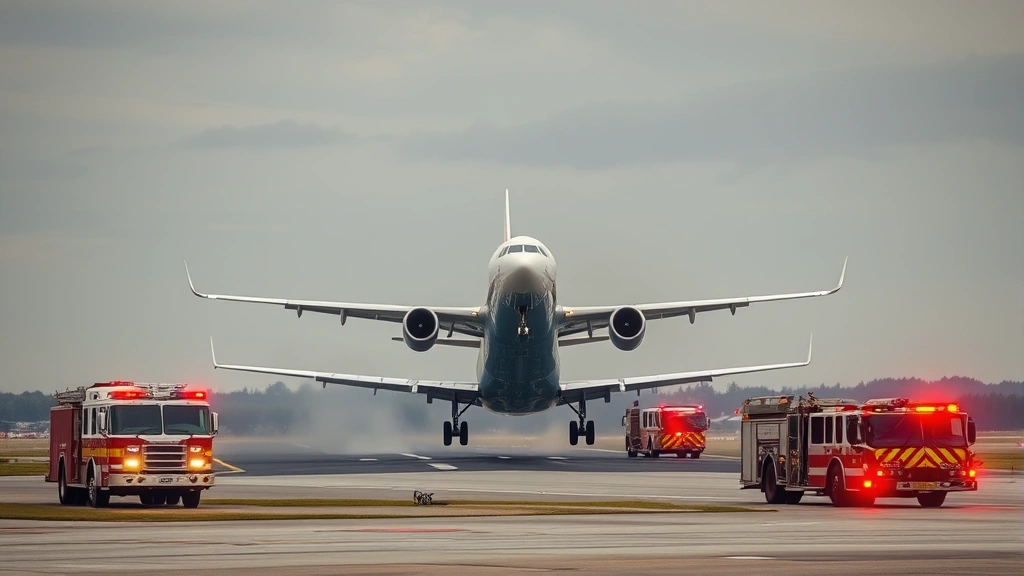
Landing and Post-Incident Procedures: The divert airport is selected based on runway length, weather conditions, available emergency equipment, and airport facilities. Southwest coordinates with the receiving airport to ensure fire trucks, emergency medical services, and other support resources stand ready. Once the aircraft lands safely, maintenance personnel board to inspect the aircraft and identify the smoke or odor source. Passengers typically remain on the aircraft during initial inspections, though they may be deplaned depending on circumstances.
Passenger Rights During Flight Diversions
When Southwest flights divert due to safety concerns, passengers have specific rights and protections under federal regulations and airline policies. Understanding these rights helps passengers navigate the disruption and seek appropriate compensation or assistance.
Rebooking and Transportation: Airlines must rebook passengers on the next available flight to their destination at no additional cost. If the diverted flight cannot continue that day, airlines typically provide hotel accommodations and meal vouchers for overnight passengers. Southwest generally handles these situations generously, recognizing that diversions cause significant inconvenience despite being necessary safety measures.
Flight Delay Compensation: Passengers should understand that flight delay compensation rules vary by jurisdiction. In the European Union, passengers may be entitled to compensation for long delays under EU261 regulations. In the United States, compensation requirements are less stringent, though airlines may offer goodwill gestures. For more information on compensation eligibility, passengers should review Department of Transportation guidance.
Communication and Updates: Airlines must keep passengers informed about diversion reasons, expected timelines, and next steps. Passengers should request written documentation of the diversion and reasons, which may be useful for insurance claims or compensation requests.
Refunds and Credits: If passengers choose not to continue on the rebooked flight, they may request refunds. Southwest’s generous refund policy often allows passengers to receive travel credits or full refunds depending on circumstances surrounding the diversion.
Prevention and Detection Systems
Modern aircraft incorporate sophisticated detection and prevention systems designed to identify potential problems before they escalate into serious emergencies. These systems represent millions of dollars in engineering and development, reflecting aviation’s commitment to safety.
Smoke Detection Systems: Aircraft cabins, cargo holds, and engine compartments contain smoke detectors that meet stringent certification standards. These detectors respond to actual smoke particles rather than heat alone, allowing for early warning of developing problems. Cargo compartment detectors alert crews immediately if smoke is detected, triggering automatic fire suppression systems in some cases.
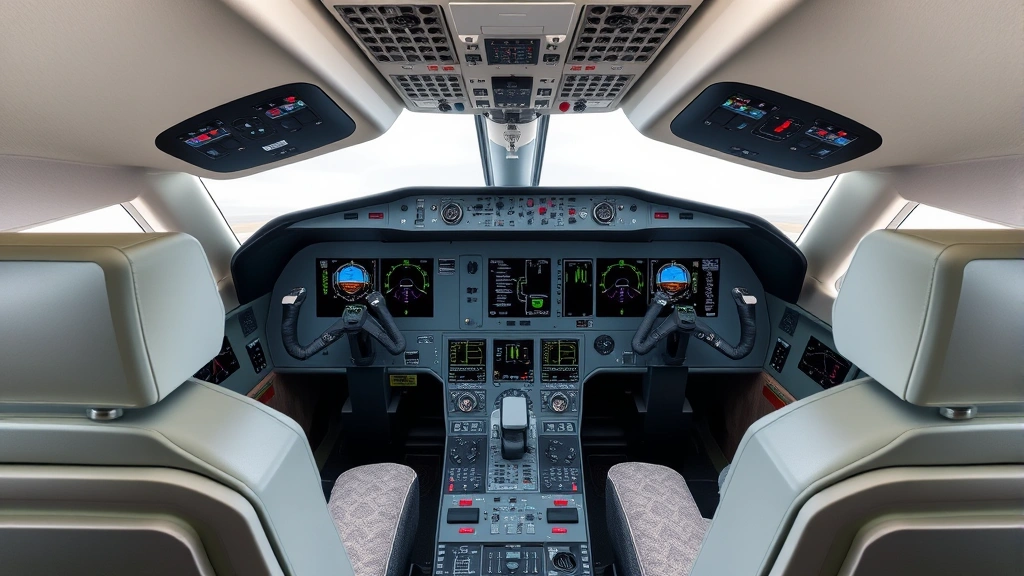
Engine Monitoring Systems: Modern turbofan engines include dozens of sensors monitoring temperature, pressure, vibration, and other parameters. Engine indication and crew alerting systems (EICAS) display this information to pilots in real-time, highlighting any anomalies. If engine conditions deteriorate, systems alert crews immediately, often before smoke or odors become apparent in the cabin.
Air Quality Monitoring: Environmental control systems continuously monitor cabin air quality. Advanced filtration systems remove contaminants, and air composition sensors detect unusual chemicals or particulates. If air quality deteriorates, systems alert crews and may automatically trigger increased fresh air intake.
Maintenance Programs: Southwest operates rigorous preventive maintenance programs that inspect and service aircraft components regularly. These programs identify deteriorating components before they fail, reducing the likelihood of in-flight problems. Airlines with strong safety records invest heavily in maintenance, recognizing that prevention is far more effective than responding to emergencies.
Regular inspections of electrical systems, hydraulic systems, air conditioning systems, and all other critical components help prevent many issues that could otherwise result in smoke or odors during flight. Southwest’s maintenance teams follow manufacturer recommendations and often exceed minimum requirements, contributing to the airline’s safety reputation.
Real-World Case Studies and Outcomes
Examining actual smoke-related diversion incidents provides valuable context for understanding how these situations typically develop and resolve. While specific recent incidents involving Southwest flights should be researched through aviation news sources, the general pattern of such events demonstrates the effectiveness of safety protocols.
Typical Incident Pattern: Most smoke or odor-related diversions follow a predictable pattern. A flight attendant or passenger notices an unusual smell or observes smoke. The crew immediately investigates, determines the source if possible, and assesses severity. In the vast majority of cases, the problem proves to be minor—perhaps a heating element in the galley, a lavatory malfunction, or a minor electrical issue. However, because pilots cannot always determine severity immediately, they err on the side of caution and divert.
Investigation and Resolution: After landing, maintenance personnel thoroughly inspect the aircraft. They check electrical systems, air conditioning components, hydraulic systems, and other potential sources. In many cases, they identify minor issues that would not have endangered the flight but justified the precautionary diversion. Once repairs are completed and systems are verified operational, the aircraft returns to service.
Passenger Experience: While diversions inconvenience passengers, most arrive at their destinations within a few hours of the original schedule. Airlines typically provide meals, accommodations, and communication throughout the process. Passengers who understand the safety rationale behind diversions generally accept the inconvenience as a necessary part of aviation safety.
The aviation industry’s approach to smoke and odor incidents reflects a fundamental principle: no flight is so important that it justifies risking passenger safety. This philosophy has contributed to commercial aviation’s remarkable safety record, where fatal accidents remain extraordinarily rare.
” alt=”Aircraft landing approach during emergency diversion procedure”>
Learning from Incidents: Each diversion, investigation, and resolution contributes to aviation’s collective safety knowledge. When patterns emerge—for example, if a particular aircraft type experiences recurring issues—manufacturers, airlines, and regulators collaborate to develop solutions. This continuous improvement cycle has made aviation increasingly safe over decades.
Southwest Airlines participates actively in aviation safety organizations and information-sharing networks. The airline contributes data and insights from its operations to help the entire industry identify and address safety concerns. This collaborative approach strengthens safety across the aviation system.
Training and Professionalism: The effectiveness of Southwest’s safety response depends fundamentally on crew training and professionalism. Pilots and flight attendants receive extensive initial training and recurrent training throughout their careers. Simulator training allows crews to practice emergency procedures in realistic scenarios without risk. This investment in training ensures that crews respond appropriately to emergencies, whether they occur during the first flight of a career or the thousandth.
When passengers book flights, they trust that airlines have invested in crew training, aircraft maintenance, and safety systems. Smoke-related diversions, while inconvenient, represent this safety investment in action. The decision to divert demonstrates that safety protocols work as intended, protecting everyone aboard.
What Passengers Should Know About Flight Safety
Passengers often feel anxious when flights divert, but understanding the context helps reduce unnecessary worry. Modern aircraft are extraordinarily reliable, and flight crews are extensively trained to handle any situation that develops during flight. The appearance of smoke or unusual odors triggers conservative responses because aviation safety standards demand it.
When booking flights, passengers should review airline booking strategies and consider selecting airlines with strong safety records. Southwest consistently ranks among the safest carriers in the world. The airline’s commitment to safety, crew training, and aircraft maintenance justifies confidence in its operations.
Passengers should also understand that various routes and flight operations follow identical safety standards regardless of distance or destination. Whether flying domestic routes or international journeys, aircraft must comply with the same rigorous safety requirements and crew training standards.
If passengers experience a smoke-related diversion, they should remain calm, follow crew instructions, and trust that the crew is making decisions based on extensive training and experience. After landing, passengers can request information about the incident, which may help them understand why the diversion occurred and whether it represented a serious concern or a precautionary measure.
” alt=”Modern aircraft cockpit with advanced avionics and monitoring systems”>
Frequently Asked Questions
What should passengers do if they smell smoke during a flight?
Immediately alert a flight attendant. Describe the smell’s location and characteristics as accurately as possible. Flight attendants are trained to investigate and report concerns to the flight deck. Do not panic or attempt to investigate yourself. Let trained crew members assess the situation and determine appropriate responses.
How often do Southwest flights divert due to smoke or odor concerns?
Exact statistics vary by year, but smoke and odor-related diversions represent a small percentage of all flights. Most diversions prove to be precautionary measures, with investigations revealing minor issues. The frequency of such diversions reflects the industry’s conservative approach to safety rather than indicating frequent serious problems.
Are passengers at risk when smoke is detected in the cabin?
The precautionary approach taken by airlines means that most smoke or odor detections do not represent immediate danger. However, because crews cannot always determine severity immediately, they divert as a safety precaution. This conservative approach has proven highly effective in preventing accidents.
What happens to the aircraft after a smoke-related diversion?
The aircraft undergoes thorough inspection by maintenance personnel. Technicians check all potential sources of smoke or odors, perform necessary repairs, and verify that all systems operate correctly. The aircraft returns to service only after passing all inspections and safety checks.
Can passengers receive compensation for smoke-related diversions?
Compensation depends on jurisdiction and circumstances. In the United States, airlines are not required to provide compensation for diversions caused by safety concerns, though they must provide meals, accommodations, and rebooking. International flights may be subject to different regulations. Passengers should contact the airline for information about their specific situation.
How do pilots detect smoke if it is not visible in the cabin?
Modern aircraft contain smoke detectors in cargo holds, engine compartments, and other areas. Engine monitoring systems alert pilots to temperature or pressure anomalies that might indicate developing problems. Flight attendants observe cabin conditions and report any unusual smells or observations. This multi-layered detection approach ensures that problems are identified quickly.
What training do Southwest flight attendants receive for smoke and fire emergencies?
Flight attendants receive extensive initial training covering fire detection, evacuation procedures, emergency equipment operation, and communication protocols. They receive recurrent training annually to maintain proficiency. This training ensures that crew members can respond effectively to any emergency scenario.
Are there differences in safety standards between airlines?
All airlines operating in the United States must comply with the same FAA regulations and safety standards. However, airlines may implement additional safety measures beyond minimum requirements. Southwest’s strong safety record reflects the airline’s commitment to exceeding minimum standards through extensive training, quality maintenance, and safety culture.
Understanding why Southwest flights divert due to smoke or unusual odors provides reassurance about aviation safety. These diversions represent safety systems working effectively, protecting passengers through proven protocols and professional crew training. The inconvenience of a diversion is a small price for the certainty that safety remains the absolute priority in commercial aviation.