Why Did AA292 Divert? Flight Expert Analysis
On Sunday, American Airlines Flight AA292 made an unexpected diversion to Rome Fiumicino Airport, creating significant disruption for passengers originally bound for their final destination. This incident sparked widespread questions about aviation safety protocols, operational decisions, and what triggers emergency diversions on transatlantic flights. Understanding the reasons behind such diversions requires insight into how airlines prioritize passenger safety, aircraft integrity, and regulatory compliance when unexpected situations arise mid-flight.
Flight diversions are not uncommon in modern aviation, but they remain noteworthy events that capture public attention and raise important discussions about airline operations. The AA292 diversion exemplifies how airlines navigate complex decision-making scenarios at 35,000 feet, where factors ranging from mechanical issues to medical emergencies can necessitate landing at alternate airports. This comprehensive analysis explores the documented circumstances surrounding the diversion, the technical and operational factors that influenced the decision, and what passengers should understand about emergency procedures.
Understanding Flight Diversions
Flight diversions represent a critical safety mechanism in modern commercial aviation, allowing pilots and crew to respond dynamically to unforeseen circumstances. A diversion occurs when an aircraft changes course to land at an unscheduled airport rather than continuing to its intended destination. These decisions stem from careful risk assessment, where flight crews weigh the severity of the situation against the time and distance remaining to reach the original airport.
Airlines maintain extensive contingency planning for diversions, with crews trained extensively in emergency protocols. The decision to divert involves multiple stakeholders: the flight crew in the cockpit, cabin crew, airline operations centers, and air traffic control. When considering why American Airlines Flight AA292 diverted to Rome on Sunday, it’s essential to understand that such decisions prioritize human safety above all operational considerations. Even minor concerns that could potentially escalate during the remaining flight hours warrant immediate diversion to the nearest suitable airport.
Diversions can result from various triggers including mechanical failures, medical emergencies, severe weather, security concerns, or pressurization issues. Each category demands different responses and considerations. The SkyVoyage Hub Blog provides regular updates on aviation incidents and safety protocols that help travelers understand these operational decisions.
The AA292 Incident Overview
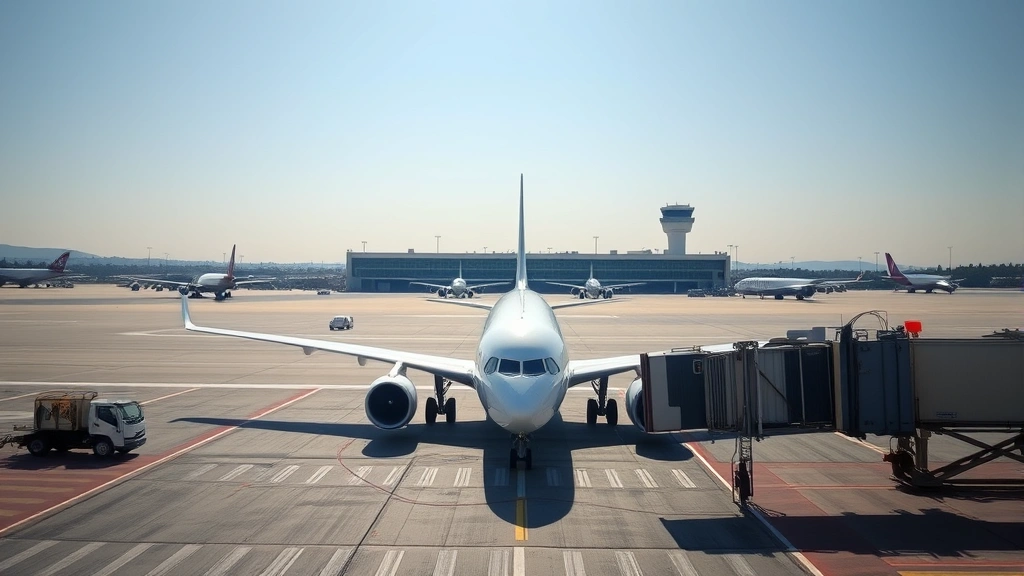
The Sunday diversion of American Airlines Flight AA292 occurred on what was likely a transatlantic service, given that Rome Fiumicino Airport serves as a major European hub for redirected traffic. The flight, which was presumably operating on a regular scheduled route, encountered circumstances requiring immediate attention from the flight crew. While specific details about the exact nature of the problem may take time to emerge from official aviation authorities, the decision to divert indicates that crew members identified a situation requiring ground-based assessment and potential maintenance intervention.
American Airlines, as a major U.S. carrier, maintains rigorous safety standards and operates with comprehensive crew training programs. The airline’s response to the AA292 situation would have followed established procedures documented in their operations manual. These procedures ensure consistency in decision-making across all flights and pilot crews. The diversion itself demonstrates the system working as intended, with crew members identifying a potential issue and taking appropriate action before it could impact passenger safety.
Initial reports surrounding the diversion would typically come from aviation tracking services and airline statements. The Federal Aviation Administration (FAA) maintains oversight of such incidents and investigates significant events to identify any systemic issues or safety improvements needed.
Mechanical and Technical Factors
Mechanical issues represent one of the most common reasons for flight diversions, though modern aircraft are remarkably reliable due to rigorous maintenance schedules and engineering standards. If AA292’s diversion stemmed from mechanical concerns, the specific system involved would determine the urgency and appropriate response. Aircraft systems are designed with redundancy, meaning most critical functions have backup systems that can take over if primary systems fail.
Common mechanical issues triggering diversions include hydraulic system anomalies, engine performance variations, electrical system malfunctions, or landing gear concerns. Modern aircraft continuously monitor system status through sophisticated avionics, alerting crew members to any deviations from normal parameters. Even minor alerts that suggest potential degradation of system integrity can warrant diversion, as pilots must assume that any indication of system trouble could worsen during the remaining flight time.
The Boeing 777 and Airbus A350, common aircraft on transatlantic routes, incorporate advanced health monitoring systems that provide real-time data on engine performance, structural integrity, and system functionality. If the aircraft operating AA292 experienced alerts from these systems, the crew would follow specific procedures outlined in their flight manual. These procedures often recommend diversion when certain thresholds are exceeded or when the nature of the alert suggests progressive deterioration.
Understanding best airlines for long flights includes recognizing that major carriers invest heavily in maintenance and safety systems. American Airlines operates one of the most extensive maintenance programs in the industry, with aircraft undergoing regular inspections that exceed regulatory minimums.
Engine and Propulsion Systems
If the diversion involved engine concerns, this would represent a serious but manageable situation. Modern commercial aircraft can safely operate and land with single engine operation, though crews naturally prefer to land with all engines functioning normally. Engine issues might manifest as performance degradation, unusual vibrations, or instrument readings suggesting mechanical stress.
Airlines conduct continuous monitoring of engine health through modern prognostic systems. These systems track parameters like turbine temperature, fuel flow, and vibration levels, comparing actual readings against baseline performance data. Anomalies that suggest potential engine deterioration trigger alerts, prompting crew discussion and potential diversion decisions.
Crew Decision-Making Process
The decision to divert involves a structured process that balances multiple considerations. The flight crew—typically consisting of two pilots on long-haul flights—would first identify and confirm any issue through systematic troubleshooting. This process involves reviewing instrument data, consulting checklists, and communicating with airline dispatch and maintenance specialists via radio or data link.
Once an issue is identified, the captain makes the ultimate decision regarding diversion. This decision involves evaluating several factors: the severity and nature of the problem, the distance and time remaining to the destination, the availability of suitable alternate airports, weather conditions at potential diversion airports, and fuel reserves. The captain must determine whether continuing to the destination airport poses greater risk than diverting to a nearby suitable airport.
For transatlantic flights, this calculation becomes particularly important because the aircraft must maintain sufficient fuel reserves throughout the flight. International aviation regulations require aircraft to carry fuel for the planned flight plus reserves for alternate airports and holding patterns. If a situation develops that might require extended holding or maneuvering, the captain must ensure adequate fuel remains.
Communication between the flight crew and airline dispatch center plays a crucial role in the decision-making process. Dispatch specialists have access to weather information, airport conditions, and airline policies regarding specific situations. However, the captain retains final authority over flight operations and can override dispatch recommendations if crew assessment differs from ground-based evaluation.
Safety Protocols and Regulations
Commercial aviation operates under comprehensive regulatory frameworks established by aviation authorities worldwide. In the United States, the FAA establishes regulations governing aircraft operations, maintenance, and crew procedures. These regulations provide the foundation for airline operations manuals that detail specific procedures for various scenarios.
Part of these regulations requires airlines to establish procedures for identifying situations requiring diversion and establishing decision criteria that crews can apply consistently. Airlines must also ensure crew training addresses diversion scenarios, with regular simulator training reinforcing proper procedures and decision-making frameworks.
The principle of conservative decision-making permeates aviation culture. When uncertainty exists about aircraft safety or passenger welfare, regulations and industry practice favor erring on the side of caution. This philosophy explains why crews might divert for situations that, in retrospect, might not have posed immediate danger. The goal is preventing potential problems from developing into actual emergencies.
Additionally, the International Civil Aviation Organization (ICAO) establishes international standards for aviation safety, ensuring consistency across borders and enabling seamless operations on international routes.
Passenger Impact and Support
When flights divert, passengers face significant disruption to their travel plans. American Airlines would have implemented passenger support procedures designed to minimize inconvenience and ensure passenger welfare. These procedures typically include rebooking passengers on subsequent flights, providing accommodation if overnight stays are necessary, and offering meal vouchers or other support services.
Modern airlines maintain agreements with ground handling services and other carriers that facilitate rapid passenger rebooking during diversions. Passengers on AA292 would have received information about the diversion, the reason for the change, and available options for reaching their final destinations. American Airlines’ customer service teams would have been activated to manage the situation and provide support.
The airline would also handle aircraft servicing in Rome, which might involve maintenance inspections, repairs if necessary, or aircraft repositioning. Depending on the nature of the issue and the time required for resolution, the aircraft might resume service after repairs, or a replacement aircraft might be arranged to continue the flight or serve subsequent scheduled routes.
Understanding essential tips for long haul flights includes recognizing that diversions, while inconvenient, represent normal aviation operations and should not cause excessive concern about aircraft safety.
Rome as Alternate Airport
Rome Fiumicino Airport (Leonardo da Vinci-Fiumicino) serves as a major international hub and represents an appropriate alternate airport for transatlantic flights. The airport features extensive facilities capable of handling large commercial aircraft, including the Boeing 777 and Airbus A380. Its location in southern Europe makes it a logical diversion point for flights from North America bound for northern European destinations or beyond.
The airport maintains 24-hour operations and employs sophisticated air traffic control systems capable of handling diversions alongside scheduled traffic. Ground handling services at Fiumicino can accommodate passenger processing, aircraft maintenance, and catering services required for extended stays or aircraft servicing.
Rome’s selection as a diversion airport reflects airline planning and air traffic coordination. Airlines pre-plan alternate airports for major routes, considering factors like distance, airport capacity, available services, and regulatory requirements. Fiumicino would have been identified as a suitable alternate before AA292 departed its origin airport.
For passengers, Rome presented both challenges and opportunities. While the diversion disrupted travel plans, Rome offers world-class hospitality and attractions. The city’s cultural heritage and tourism infrastructure meant that passengers facing overnight stays could access quality accommodations and dining options.
Industry Standards for Emergency Response
The aviation industry has established comprehensive standards for responding to emergencies and diversions, developed through decades of operational experience and accident investigation. These standards ensure that when situations develop requiring aircraft to land at unscheduled airports, procedures exist to manage the situation safely and efficiently.
Emergency response coordination involves multiple parties: the aircraft crew, air traffic control facilities along the flight path, the diversion airport’s operations center, the airline’s operations control center, and ground handling services. When a crew declares a diversion need, air traffic control prioritizes the aircraft, clearing airspace and vectoring the aircraft toward the selected airport with minimal delay.
Airlines maintain emergency operations centers staffed with specialists trained to coordinate responses to incidents. These centers activate passenger services, arrange alternate transportation, coordinate with maintenance teams, and manage communication with passengers and the public. The speed and effectiveness of these responses significantly impact passenger experience during disrupted flights.
For context on aviation industry practices and how they affect travel, understanding why flights cost what they do includes recognizing the substantial investments airlines make in safety systems, maintenance, crew training, and emergency preparedness.
Crew training represents a critical component of emergency response capability. Pilots undergo regular simulator training addressing diversion scenarios, decision-making under pressure, and communication with dispatch and air traffic control. Flight attendants receive training on passenger management during emergencies and diversions, ensuring they can maintain passenger safety and comfort during unexpected events.
The AA292 diversion, whatever its specific cause, demonstrates these systems functioning as designed. The crew identified a situation warranting diversion, made an appropriate decision, and executed the diversion safely. Passengers reached an airport capable of accommodating them, and American Airlines’ systems activated to support affected travelers.
Post-Incident Investigation
Following significant incidents like flight diversions, airlines conduct internal investigations to understand what occurred and identify any opportunities for improvement. These investigations review flight data, crew statements, maintenance records, and any other relevant information. If safety issues are identified, airlines implement corrective actions to prevent recurrence.
Depending on the incident classification, aviation authorities may also conduct investigations. The FAA maintains oversight of U.S. carriers, while European authorities (EASA) would be involved given the diversion to Italy. These investigations focus on systemic safety issues rather than individual crew performance, seeking to identify improvements benefiting the entire aviation system.
The information gathered from incident investigations contributes to the industry’s continuous safety improvement process. Findings are shared across the aviation community through formal channels, helping all operators learn from incidents and enhance their operations.
FAQ
What exactly caused AA292 to divert to Rome?
While specific details may take time to emerge officially, flight diversions result from mechanical issues, medical emergencies, weather concerns, or security situations. The crew’s decision to divert indicates they identified a situation requiring ground assessment and potential maintenance intervention before continuing the transatlantic flight.
Are diversions common in aviation?
Yes, diversions occur regularly in commercial aviation and represent normal operational responses to unexpected situations. Modern aircraft are exceptionally reliable, but when any concern arises that might affect safety, crews follow established procedures to divert to suitable airports. Thousands of commercial flights operate daily worldwide, and diversions represent a tiny fraction of operations.
How do airlines handle passengers during diversions?
Airlines activate emergency operations centers that coordinate passenger rebooking, accommodation, meals, and ground transportation. Passengers receive regular updates about the situation and available options. Major carriers like American Airlines maintain agreements enabling rapid rebooking on alternative flights or arrangements with other carriers.
Is it safe to fly after a diversion incident?
Absolutely. Diversions demonstrate aviation safety systems working as intended. Aircraft are maintained to exacting standards, and crews are extensively trained. Diverting when any concern exists ensures passenger safety. Flying remains statistically one of the safest forms of transportation available.
How long does investigation into a diversion take?
Initial findings may emerge within days or weeks, while comprehensive investigations can take several months. Airlines conduct internal investigations quickly to understand what occurred, while aviation authorities may conduct separate investigations focusing on systemic safety issues. The timeline depends on the incident’s complexity and severity.
What should passengers do if their flight diverts?
Follow crew instructions carefully, as they have extensive training in emergency procedures. Stay calm and patient, as the crew and airline are working to resolve the situation and minimize disruption. Listen for announcements regarding next steps, available accommodations, and rebooking options. Contact the airline’s customer service for assistance with rebooking or compensation questions.
Can passengers claim compensation for diversions?
Compensation eligibility depends on the diversion cause and applicable regulations. In Europe, EU261 regulations provide passenger compensation for certain flight disruptions, though exceptions exist for extraordinary circumstances beyond the airline’s control. Passengers should contact the airline directly to inquire about compensation eligibility for their specific situation.