Comair Flight 5191: Lessons Learned and Aviation Safety Review
On August 27, 2006, Comair Flight 5191 crashed shortly after takeoff from Lexington’s Blue Grass Airport in Kentucky, killing 49 of the 50 people aboard. This tragedy became one of the most significant aviation accidents in recent history and sparked comprehensive safety reviews across the industry. The accident occurred when the regional jet departed from a runway that was too short for safe takeoff, highlighting critical failures in communication, runway procedures, and safety protocols that had cascading effects on flight operations.
The Comair Flight 5191 disaster serves as a sobering reminder of how seemingly routine operations can become catastrophic when safety systems fail. For travelers and aviation professionals alike, understanding what happened on that fateful morning and the lessons learned provides valuable insight into modern aviation safety. This comprehensive review examines the accident, investigative findings, and the substantial improvements implemented to prevent similar tragedies in the future.

What Happened on August 27, 2006
Comair Flight 5191 was a scheduled passenger flight operating from Lexington Blue Grass Airport (LEX) to Atlanta Hartsfield-Jackson International Airport (ATL). The aircraft involved was a Bombardier CRJ-100, a regional jet capable of carrying up to 50 passengers and crew. On that morning, the flight crew prepared for what should have been a routine regional flight, but a series of critical errors would lead to tragedy.
The captain and first officer conducted their pre-flight checks, but a crucial mistake occurred during the runway assignment process. Air traffic control cleared the flight for takeoff from Runway 22, a 3,500-foot runway, when the flight crew actually lined up on Runway 26, which measured only 4,000 feet. However, the critical issue was that the crew believed they were on Runway 22, which was the assigned runway. The confusion stemmed from inadequate runway markings and signage at the airport, combined with the flight crew’s failure to positively identify their location before beginning the takeoff roll.
At 6:07 AM, the CRJ-100 began its takeoff roll on the incorrect runway. The aircraft accelerated down the runway, but the crew soon realized they were not on the correct runway. By this point, it was too late to abort the takeoff safely. The aircraft ran out of runway, crashed through the airport perimeter fence, crossed a ravine, and struck trees. The impact killed 49 passengers and crew members, with only one flight attendant surviving the crash.
Flight Crew Communication Failures
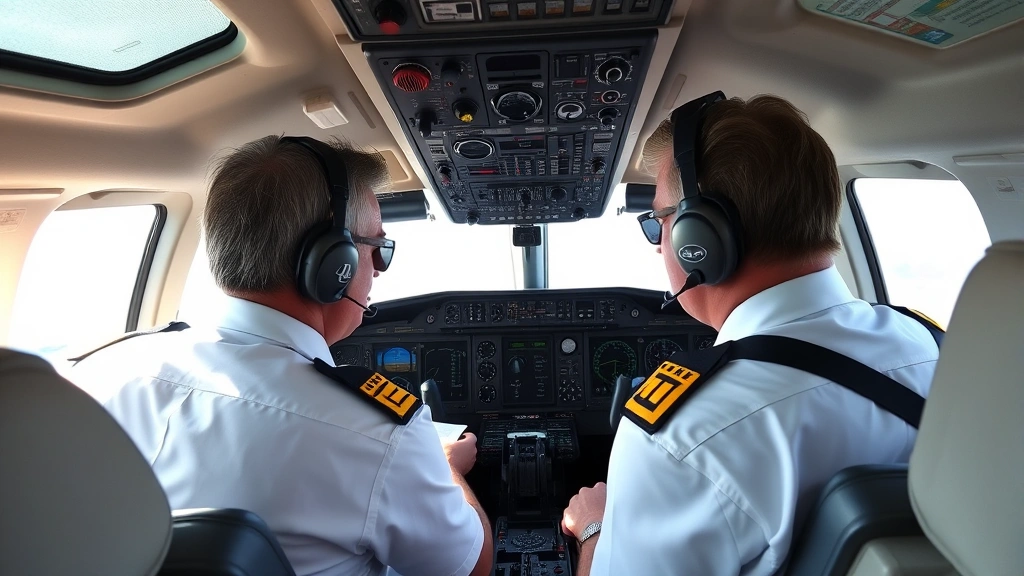
Communication breakdowns were central to the Comair Flight 5191 accident. The National Transportation Safety Board (NTSB) investigation revealed multiple instances where proper communication protocols were not followed. The first officer made initial radio contact with ground control but failed to confirm the runway assignment clearly. When air traffic control issued the takeoff clearance for Runway 22, neither crew member verbally confirmed they were lined up on that specific runway.
Standard operating procedures at most airports require flight crews to conduct a “before takeoff” briefing that includes confirming the runway assignment. The Comair crew apparently conducted this briefing, but the confirmation was not explicit enough to catch the runway misidentification. The captain, who had the responsibility for final verification of the runway, did not positively identify the runway before advancing the throttles.
This communication failure highlights why modern aviation emphasizes aviation safety protocols and redundancy. When multiple crew members fail to communicate essential information, the safety system designed to catch errors becomes ineffective. The investigation noted that the flight crew’s attention was divided between several tasks, and neither pilot took the critical step of positively identifying their runway location using available visual cues and navigation aids.
Post-accident safety improvements now mandate more explicit runway confirmation procedures. Crews are required to use specific phraseology when confirming runway assignments, and pilots must visually identify runway numbers before beginning takeoff. These enhanced communication protocols apply across all commercial aviation operations.
Runway Selection and Airport Procedures
The Lexington Blue Grass Airport’s runway configuration contributed significantly to the accident. The airport has two parallel runways: Runway 22 and Runway 26. These runways are only 1,000 feet apart, creating an environment where visual confusion between the two runways is possible, particularly in low-light conditions. On the morning of the accident, it was still dark outside, with limited visibility of runway markings.
The airport’s runway identification markings were inadequate by modern standards. Runway 26 lacked proper edge lighting and clear numerical designation visible from the taxiway approach. The flight crew, unfamiliar with the airport layout at that early hour, did not have sufficient visual cues to positively identify which runway they occupied. This design deficiency, while not the sole cause of the accident, significantly contributed to the confusion.
Air traffic control procedures at LEX also played a role. The ground controller did not require explicit confirmation from the flight crew that they were lined up on Runway 22. In many high-traffic airports, controllers conduct visual confirmation of aircraft runway position before issuing takeoff clearances. At Lexington, this level of oversight was not standard procedure, though the airport was not busy at that early morning hour.
Following the accident, the FAA implemented significant improvements to airport runway identification systems nationwide. Airports upgraded lighting systems, enhanced runway markings, and improved signage to make runway identification unmistakable. The Federal Aviation Administration established new standards for runway edge lighting and numerical designation visibility, particularly at regional airports where accidents had previously occurred.
Investigation and Root Causes
The NTSB launched a comprehensive investigation into Comair Flight 5191, examining every aspect of the accident from mechanical failure to human factors. The investigation team interviewed surviving crew members, reviewed cockpit voice recordings, analyzed flight data, and examined airport procedures and maintenance records. Their findings revealed a complex chain of events involving human error, inadequate airport infrastructure, and systemic safety gaps.
The primary cause of the accident was identified as the flight crew’s failure to use available resources to positively identify the runway before takeoff. The crew did not consult available navigation aids, did not conduct a proper visual identification of the runway number, and did not follow established procedures that would have caught this error. The NTSB determined that the captain bore ultimate responsibility for ensuring the aircraft was on the correct runway before beginning takeoff.
Contributing factors included the airport’s inadequate runway lighting and identification markings, the similarity between the two parallel runways, and the early morning darkness that reduced visual cues. The investigation also noted that the flight crew’s fatigue may have been a contributing factor. Both pilots had been working early morning flights for several days, potentially affecting their alertness and decision-making.
The NTSB issued several safety recommendations following the investigation. These recommendations addressed flight crew procedures, airport infrastructure improvements, air traffic control oversight, and fatigue management for flight crews. The recommendations were directed at the FAA, individual airports, airlines, and the aviation industry as a whole.
Safety Improvements Post-Accident
The aviation industry implemented substantial safety improvements following the Comair Flight 5191 accident. These changes have made air travel safer and have prevented similar accidents from occurring. Understanding these improvements is important for anyone who flies regularly, as they directly impact your safety as a passenger.
Enhanced Runway Identification Procedures: Airlines now require explicit verbal confirmation of runway assignment between air traffic control and flight crews. Pilots must state the runway number they are lined up on, and controllers must confirm this information before issuing takeoff clearance. This simple but effective procedure creates a double-check system that catches runway misidentification errors.
Improved Airport Infrastructure: Airports have upgraded runway lighting, edge markings, and numerical designations. Many airports installed high-intensity lighting systems that make runway identification unmistakable even in darkness or low visibility. Runway numbers are now painted in larger, more visible formats on the runway surface itself.
Cockpit Procedures and Training: Airlines revised cockpit procedures to emphasize runway identification verification. Flight crews now conduct more detailed before-takeoff briefings that include specific runway confirmation steps. Training programs emphasize the importance of positive runway identification and the risks of runway confusion. Pilots receive scenario-based training on how to recognize and correct runway errors.
Air Traffic Control Improvements: Controllers received enhanced training on runway confirmation procedures. Many airports implemented technology systems that alert controllers when aircraft are not lined up on the assigned runway, providing an additional safety layer. The FAA also standardized procedures across all airports to ensure consistency in runway clearance practices.
Fatigue Management: Airlines implemented more rigorous fatigue management programs following recommendations from the accident investigation. Flight crews receive more rest between flights, and scheduling practices now consider circadian rhythm factors. These changes ensure that pilots are adequately rested and alert during critical flight phases.
Impact on Regional Airlines
Comair, the airline involved in Flight 5191, was a regional carrier operating flights on behalf of Delta Air Lines. The accident had profound consequences for Comair and the regional airline industry. The accident investigation revealed that Comair’s training and procedures, while meeting FAA minimums, were not as comprehensive as those at major carriers. This finding prompted the FAA and regional airlines to elevate safety standards across the industry.
Many regional airlines subsequently enhanced their training programs and operational procedures. Airlines that operate regional and long-distance routes now implement safety protocols comparable to major carriers. The accident demonstrated that airline size should not determine safety standards, and regional carriers now invest heavily in crew training and safety infrastructure.
Comair itself faced significant operational and financial consequences. The airline’s fleet was grounded for extended safety inspections, and the company faced lawsuits from accident victims’ families. These legal and operational challenges contributed to Comair’s eventual decision to cease operations in 2012, though the airline had faced other challenges unrelated to the accident.
The broader regional airline industry learned important lessons about the critical importance of safety culture. Airlines recognized that safety cannot be compromised by cost considerations or operational pressures. The accident reinforced that regional carriers must maintain the same safety standards as major airlines, even though they operate smaller aircraft with fewer passengers.
Lessons for Modern Air Travel
For modern travelers, the Comair Flight 5191 accident provides important perspective on aviation safety. While the accident was tragic, it led to substantive improvements that make flying safer today. When you board a commercial flight, you benefit from the lessons learned from this and other accidents that prompted safety enhancements.
The accident underscores the importance of redundancy in aviation safety. Modern aviation systems are designed with multiple layers of protection, so that if one system fails, others catch the error. Runway identification now involves multiple confirmation steps between crew and air traffic control. If a crew member makes an error, another crew member should catch it. If both crew members miss an error, air traffic control procedures should identify the problem.
Transparency and reporting are critical components of modern aviation safety. The NTSB investigation was thorough and public, and its findings and recommendations were shared across the industry. This openness ensures that all airlines learn from accidents and implement improvements. When you choose flights between major cities or regional routes, you are flying on aircraft and with crews trained under safety standards informed by accident investigations.
The accident also highlights the importance of airport infrastructure in safety. Modern airports invest in lighting, signage, and technology systems designed to prevent confusion and errors. These investments may seem expensive, but they are critical components of the safety system that protects passengers and crew.
For frequent travelers, understanding the safety systems and procedures in place provides confidence in commercial aviation. Modern aviation is extraordinarily safe, with accident rates continuing to decline. The Comair Flight 5191 accident, while tragic, contributed to safety improvements that have prevented subsequent accidents and continue to protect millions of passengers who fly annually.
When boarding a flight, you may notice that crew members conduct detailed briefings and checklists before departure. These procedures, which may seem repetitive, are designed to catch errors and prevent accidents. The cabin crew’s safety demonstrations and the pilots’ pre-flight checks are not formalities—they are critical safety procedures informed by decades of aviation experience and accident investigations.
FAQ
What was Comair Flight 5191?
Comair Flight 5191 was a regional jet that crashed on August 27, 2006, at Lexington Blue Grass Airport in Kentucky. The aircraft departed from the wrong runway and ran out of runway, resulting in 49 deaths. The accident was caused by crew failure to positively identify the runway before takeoff, combined with inadequate airport runway markings and lighting.
Why did the crew takeoff from the wrong runway?
The flight crew failed to use available resources to positively identify their runway location before takeoff. They lined up on Runway 26 instead of assigned Runway 22, but did not conduct proper visual identification of runway numbers. The early morning darkness, inadequate airport lighting, and similar-appearing parallel runways contributed to the confusion.
What safety improvements resulted from this accident?
Major improvements included enhanced runway identification procedures requiring explicit verbal confirmation between crews and controllers, upgraded airport lighting and runway markings, improved cockpit procedures emphasizing runway verification, enhanced air traffic control training, and better fatigue management for flight crews. These changes apply across commercial aviation.
Has this type of accident happened since?
Runway confusion accidents have become extremely rare due to improvements implemented after Comair Flight 5191 and other similar accidents. The combination of enhanced procedures, improved airport infrastructure, and better training has effectively eliminated this category of accident in commercial aviation.
How safe is commercial aviation today?
Commercial aviation is extraordinarily safe and continues to improve. The accident rate for commercial flights has declined significantly over decades. The Comair Flight 5191 accident and subsequent safety improvements contribute to the safety record that makes flying one of the safest forms of transportation. When selecting flights with delay compensation protections, you are also protected by comprehensive safety systems.
What can passengers do to stay safe while flying?
Pay attention to safety briefings and demonstrations before each flight. Follow crew member instructions promptly. Familiarize yourself with emergency procedures and equipment locations. Choose airlines with strong safety records. When booking flights, consider reputable carriers with established safety practices. Trust the safety systems in place—they are designed and constantly improved to protect you.
How do pilots prevent runway confusion today?
Modern procedures require pilots to conduct explicit runway identification briefings and confirm runway assignments with air traffic control. Pilots must visually identify runway numbers before beginning takeoff. Many airports have installed lighting and signage systems that make runway identification unmistakable. Air traffic control procedures include verification steps that catch runway identification errors.