Delta Flight DL153 Diversion: Expert Analysis and Traveler Guide
Delta Air Lines flight DL153 experienced a significant operational disruption when it was diverted from its intended destination, creating a ripple effect across the airline’s network and affecting hundreds of passengers. This incident provides valuable insights into how modern airlines handle unexpected challenges and what travelers should know about their rights during diversions. Understanding the mechanics of flight diversions, the reasons behind them, and passenger compensation options is essential for anyone who flies regularly or plans to book with major carriers.
Flight diversions represent one of the most complex operational scenarios in commercial aviation. When Delta Flight DL153 was diverted, it triggered a cascade of decisions involving crew management, fuel calculations, passenger logistics, and regulatory compliance. Whether caused by weather, medical emergencies, technical issues, or air traffic control directives, diversions demand split-second decision-making from experienced pilots and ground crews. This comprehensive analysis explores what happened with Delta Flight DL153, why diversions occur, and how passengers can navigate these situations effectively.
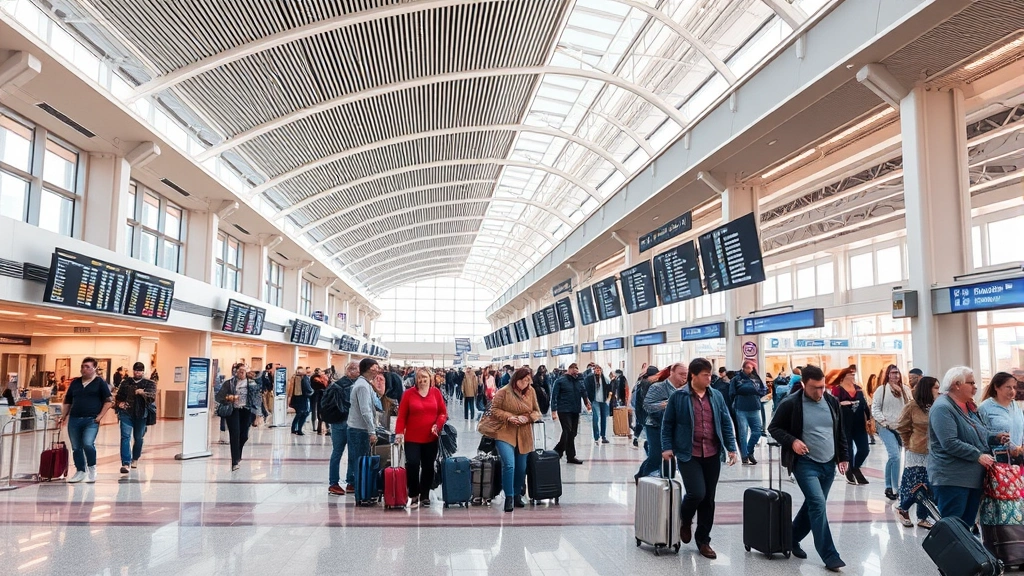
Understanding Flight Diversions
A flight diversion occurs when an aircraft changes its planned destination and lands at an alternate airport. This decision can be made by the pilot in command, air traffic control, or sometimes by mutual agreement when operational circumstances warrant it. Diversions are distinct from delays, which occur when a flight departs late but reaches its original destination. Understanding this distinction is crucial for passengers seeking airline flight delay compensation, as compensation rules differ significantly between delays and diversions.
The decision to divert involves complex calculations. Pilots must consider fuel reserves, weather conditions at the alternate airport, runway length requirements, passenger medical needs, and crew duty time limitations. Federal Aviation Administration (FAA) regulations require all commercial aircraft to maintain sufficient fuel to reach their destination plus an alternate airport, with additional reserve fuel for contingencies. When circumstances force a diversion, the airline bears significant costs including ground handling, passenger accommodations, rebooking, and potential aircraft repositioning.
Commercial aviation has established standardized procedures for diversions that prioritize passenger safety above all other considerations. Airlines maintain relationships with airports nationwide to ensure divert airports can accommodate unexpected arrivals. Ground crews at these facilities must be prepared to handle passenger processing, baggage operations, and aircraft servicing at a moment’s notice. The complexity of modern air travel means that a single diversion can affect not just the diverted flight but dozens of subsequent flights as aircraft and crews become misaligned with their scheduled operations.
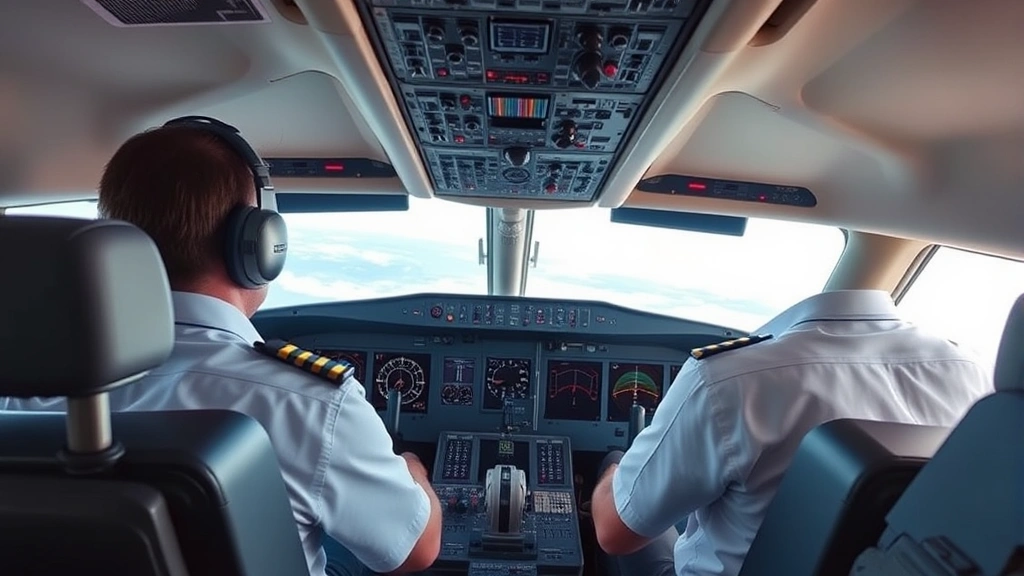
Delta Flight DL153 Diversion Details
Delta Flight DL153, operating on a route with Boston as either the origin or destination, experienced a diversion that captured attention within aviation circles and among affected passengers. The specific circumstances surrounding this diversion—whether weather-related, medical, mechanical, or security-based—determined the airline’s response protocols and passenger entitlements. Boston Logan International Airport, one of the busiest airports on the East Coast, serves as a major hub for Delta operations and frequently experiences weather-related operational challenges.
When Delta Flight DL153 was diverted, passengers faced uncertainty about their final destination, expected arrival time, and accommodation arrangements. The airline’s crew executed the diversion with professional precision, communicating with passengers about the situation and expected next steps. Ground personnel at the divert airport worked to process passengers efficiently while Delta’s operations team coordinated the logistics of continuing the flight or rebooking passengers on alternative services. The incident highlighted how individual flight disruptions cascade through the entire airline network, affecting crew scheduling, aircraft positioning, and downstream passenger connections.
Documentation of the Delta Flight DL153 diversion provides valuable case study material for understanding how airlines manage operational disruptions. Aviation authorities including the FAA and the National Transportation Safety Board (NTSB) monitor all diversions as part of their oversight responsibilities. Passengers who experienced this diversion may be entitled to compensation under Department of Transportation regulations, particularly if the diversion resulted in significant delays exceeding three hours at the final destination. Understanding your specific situation and the applicable regulations is essential for pursuing any claims you may have.
Common Causes of Flight Diversions
Weather represents the most frequent cause of flight diversions in commercial aviation. Thunderstorms, low visibility conditions, wind shear, and severe turbulence can make landing at the planned destination unsafe or impossible. Pilots receive continuous weather updates from air traffic control and must make diversion decisions when conditions deteriorate faster than anticipated or when forecast weather patterns change significantly. Boston area airports experience weather-related diversions regularly during winter months and severe weather seasons, making weather-related diversions particularly common for flights serving that region.
Medical emergencies constitute another significant category of diversions. When passengers experience serious health events—cardiac incidents, severe allergies, respiratory distress, or injuries—pilots must divert to the nearest suitable airport where emergency medical services can provide rapid response. These diversions prioritize the affected passenger’s welfare and cannot be delayed regardless of schedule impact or operational costs. Airlines maintain protocols for communicating with ground-based medical personnel and coordinating emergency response services at divert airports.
Mechanical and technical issues prompt diversions when pilots identify problems affecting aircraft safety or airworthiness. These range from minor issues like pressurization problems to more serious concerns like hydraulic anomalies or engine irregularities. Pilots are trained to assess whether an issue requires immediate landing or can be managed until reaching the planned destination. The conservative approach to aviation safety means that many technical diversions occur for issues that ultimately prove minor upon inspection, but the precautionary diversion was nonetheless the correct decision.
Security concerns, though less common, can trigger diversions. These might involve unruly passengers, suspected security threats, or operational security directives from government authorities. Air traffic control can also mandate diversions due to airspace congestion, runway closures, or other traffic management needs. Understanding these various causes helps passengers recognize that diversions, while inconvenient, reflect the aviation system’s commitment to safety and operational integrity.
Passenger Rights and Compensation
Your rights during a flight diversion depend on several factors including the reason for the diversion, the length of the delay at your final destination, and the airline’s response. The Department of Transportation’s regulations regarding airline flight delay compensation provide the framework for understanding what you may be owed. If a diversion results in arrival at your final destination more than three hours late, you may qualify for compensation unless the airline can demonstrate that the diversion was caused by extraordinary circumstances beyond their control.
Extraordinary circumstances that may exempt airlines from compensation include severe weather, air traffic control directives, security threats, and medical emergencies. However, the airline bears the burden of proving that the diversion fell into these categories. Many passengers don’t realize they may be entitled to compensation and fail to pursue claims. Documenting your flight details, delays, and expenses is essential if you need to file a claim. Keep your boarding pass, receipt for the original booking, and records of any expenses incurred due to the diversion.
Airlines must provide reasonable care to diverted passengers including meals, refreshments, and accommodations if an overnight stay becomes necessary. If the diversion occurs due to airline responsibility rather than extraordinary circumstances, the airline must cover these costs. You may also be entitled to reimbursement for reasonable expenses incurred due to the diversion, such as phone calls to notify contacts of your delay or transportation to reach your final destination. Some airlines provide meal vouchers automatically, while others require passengers to submit expenses for reimbursement.
Booking with airlines that are members of major alliances can sometimes provide additional protections. Best airlines for frequent flyers often offer superior customer service during disruptions and may provide additional amenities or compensation beyond minimum regulatory requirements. Frequent flyer status can also entitle you to priority rebooking on alternative flights and access to airline clubs with amenities during disruptions.
Airline Response Protocols
Delta Air Lines maintains comprehensive protocols for managing flight diversions that prioritize passenger communication and safety. When Delta Flight DL153 was diverted, the airline’s crew and ground operations team activated established procedures designed to minimize passenger inconvenience and ensure orderly processing. These protocols include immediate communication with passengers about the diversion reason, expected timeline, and next steps.
Airlines operate sophisticated operations control centers that monitor all flights in real-time and coordinate responses to disruptions. When a diversion becomes necessary, these centers work to identify the best alternate airport considering fuel reserves, ground handling capabilities, passenger connections, and crew limitations. The operations team simultaneously begins rebooking affected passengers on alternative flights and coordinating ground transportation and accommodations. For flights with tight connections, passengers may be rebooked on completely different flight paths to minimize overall delay.
Ground handling companies at divert airports must be prepared to process unexpected aircraft arrivals. These facilities handle passenger deplaning, baggage claim operations, customer service inquiries, and aircraft servicing. Delta maintains service agreements with ground handlers at major airports nationwide to ensure quality service during diversions. Passengers should expect professional and courteous treatment during diversion processing, though congestion at the divert airport may cause temporary delays in processing.
Modern airline communication systems now include real-time passenger notifications via text message, email, and mobile app alerts. When a diversion occurs, passengers receive updates about the new destination, expected arrival time, and rebooking information. This transparency helps passengers manage their own logistics and plan for ground transportation or accommodation. Some airlines now offer automatic meal and accommodation vouchers for qualifying diversions, reducing the need for passengers to submit expenses for reimbursement.
How to Prepare for Unexpected Changes
While you cannot prevent flight diversions, you can prepare to manage them effectively. When booking airline tickets, consider factors that influence diversion risk such as seasonal weather patterns and your departure airport’s weather history. Building buffer time between connections reduces the impact of diversions on your overall travel plans. If you have critical connections, consider booking flights that depart earlier in the day when weather is more predictable, or choose routing with longer layovers.
Maintain comprehensive travel insurance that covers flight disruptions and unexpected expenses. Travel insurance can reimburse you for meals, accommodations, and transportation costs incurred due to diversions, and may also cover trip interruption if a diversion causes you to miss important events or connections. Review your policy carefully to understand what types of disruptions are covered and what documentation you need to submit claims.
Keep essential items in your carry-on luggage including medications, important documents, phone chargers, and a change of clothes. If a diversion occurs and you’re stuck at an unexpected airport overnight, having these items available prevents additional stress and expense. Store contact information for your airline’s customer service, travel insurance provider, and emergency contacts in your phone before you travel.
Register for your airline’s mobile app and enable push notifications to receive real-time updates about your flight status. This information allows you to respond quickly to diversions and make alternative arrangements if necessary. Familiarize yourself with your airline’s travel policies and procedures before you travel so you understand what to expect during disruptions.
Document everything related to your flight including booking confirmations, boarding passes, receipts for expenses, and photos of delay notices or other relevant information. This documentation proves invaluable if you need to file a compensation claim or dispute with your airline. Keep detailed notes about the timeline of your diversion including when you were notified, when you departed the divert airport, and when you finally reached your destination.
Frequently Asked Questions
What is the difference between a flight delay and a flight diversion?
A flight delay occurs when a flight departs late but still reaches its original destination. A flight diversion occurs when an aircraft changes its planned destination and lands at a different airport. Diversions typically result in longer delays than standard delays and may involve ground time at the divert airport before continuing to your final destination or being rebooked on a different flight.
Am I entitled to compensation if my flight is diverted?
You may be entitled to compensation if your flight diversion results in arrival at your final destination more than three hours late, unless the airline can demonstrate that the diversion was caused by extraordinary circumstances beyond their control such as severe weather, medical emergencies, or security threats. Contact your airline or visit the Department of Transportation website to understand your specific situation.
Who decides whether to divert a flight?
The pilot in command has ultimate authority to make diversion decisions. However, air traffic control can recommend or mandate diversions due to runway closures, airspace congestion, or other traffic management needs. Airlines’ operations centers may also suggest diversions based on weather forecasts or other operational factors, but the pilot makes the final decision.
What happens to my baggage during a flight diversion?
Your checked baggage typically remains on the aircraft and continues with you to either the divert airport or your final destination. If your diversion results in an overnight stay or significant delay, the airline must ensure your baggage is available to you or make arrangements for baggage delivery to your hotel or final destination.
Can I get a refund if my flight is diverted?
You are generally not entitled to a refund simply because your flight was diverted, even if the diversion causes significant delays. However, if the diversion results in arrival more than three hours late and the airline cannot demonstrate extraordinary circumstances, you may be entitled to compensation. Additionally, if the airline cancels your flight entirely due to a diversion, you may choose between rebooking on another flight or receiving a refund.
What should I do if I miss a connection due to a flight diversion?
Notify your airline immediately about the missed connection. The airline is responsible for rebooking you on the next available flight to your final destination at no additional cost. If you booked your flights as separate tickets rather than as a single itinerary, the airline may have less responsibility, so always book connections through the same airline or alliance when possible.
How can I find information about why a specific flight was diverted?
Check your airline’s website, social media accounts, or contact their customer service directly. The Federal Aviation Administration website and aviation tracking sites may also have information about significant diversions. The Department of Transportation maintains records of major flight disruptions and can provide information about your rights in specific situations.
Are there any airlines that are less likely to experience diversions?
All airlines experience diversions as they are part of normal aviation operations. However, airlines with larger networks and more alternate airport options may manage diversions more efficiently. Airlines with superior service records tend to communicate better during disruptions and provide more comprehensive passenger support.