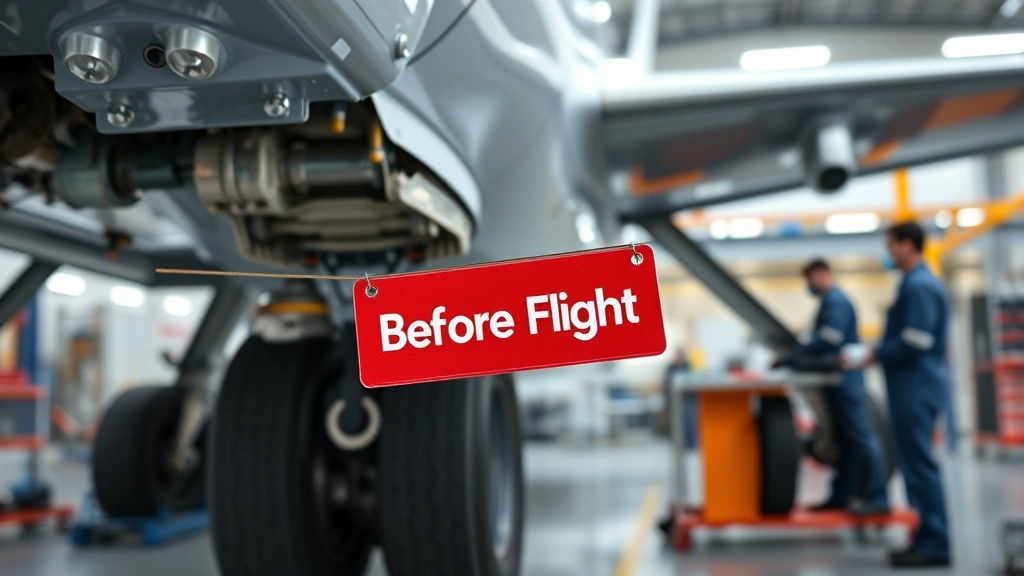
How to Remove ‘Before Flight’ Tag: Expert Guide for Travelers
The ‘Before Flight’ tag is one of aviation’s most recognizable safety labels, appearing on countless aircraft components, maintenance items, and equipment throughout modern commercial aviation. Whether you’re a frequent flyer curious about cockpit operations, a maintenance enthusiast, or someone planning to explore aviation topics, understanding this critical safety marker is essential. This comprehensive guide explains what these tags are, why they matter, and the proper procedures for their removal by authorized personnel.
If you’ve spotted a bright red or yellow tag with ‘Before Flight’ printed on it during a flight or airport visit, you’ve witnessed one of the most important safety protocols in modern aviation. These tags serve as critical visual indicators that specific aircraft systems, components, or procedures require attention before the aircraft is cleared for flight operations. Only trained and certified maintenance personnel should ever handle tag removal, ensuring that every safety check is completed properly.

Understanding Before Flight Tags
‘Before Flight’ tags represent a fundamental safety system used across the aviation industry to communicate critical maintenance and operational requirements. These tags are physical markers attached to aircraft systems, equipment, or control panels to indicate that something requires inspection, testing, or rectification before the aircraft can legally operate. They’re part of a comprehensive maintenance and safety management system that has evolved over decades of aviation development.
The tagging system originated from early aviation’s need to prevent critical oversight during complex maintenance procedures. As aircraft became more sophisticated, the need for clear, visual communication about maintenance status became increasingly important. Modern commercial aviation relies heavily on these tags as part of the pre-flight inspection process. Airlines operating internationally must comply with regulations from multiple aviation authorities, making standardized tagging systems crucial for safety and consistency.
When maintenance personnel discover an issue during routine inspections or repairs, they attach a ‘Before Flight’ tag to ensure that the problem is addressed before the aircraft returns to service. This system prevents aircraft from departing with known defects or incomplete maintenance procedures. The tag essentially locks the aircraft from operation until authorized personnel verify that the issue has been resolved and remove the tag following proper procedures.

Types of Before Flight Tags
Aviation uses several variations of ‘Before Flight’ tags, each designed to communicate different types of maintenance requirements and urgency levels. Understanding these distinctions helps explain why proper removal procedures are so critical.
- Mechanical System Tags: Applied when mechanical components require inspection or repair before flight operations can resume. These might involve landing gear, hydraulic systems, or engine components.
- Electrical System Tags: Used when electrical systems, avionics, or instrument panels require testing or replacement before the aircraft is airworthy.
- Structural Tags: Applied when airframe damage, cracks, or structural concerns require inspection and certification before flight.
- Operational Tags: Indicate that specific operational procedures or checks must be completed before departure, such as fuel system purging or pressurization testing.
- Safety Equipment Tags: Applied to emergency equipment, oxygen systems, or evacuation devices requiring verification before passenger operations.
Each tag type may have specific color coding and documentation requirements. Some tags are temporary, remaining in place for just a few hours, while others might be attached for days during extensive maintenance work. The impact on flight schedules can be significant, which is why proper and timely removal procedures are essential for airline operations.
Removal Procedures and Requirements
Removing a ‘Before Flight’ tag is far more complex than simply pulling it off the equipment. The process requires following strict procedural guidelines that ensure all associated maintenance work has been completed and verified.
- Completion Verification: The maintenance technician must first verify that all work referenced by the tag has been completed to manufacturer specifications and regulatory standards.
- Documentation Review: All maintenance logs, work orders, and technical documentation must be reviewed to confirm that the issue has been properly addressed.
- Testing and Inspection: Depending on the type of tag, the affected system must undergo functional testing, visual inspection, or both to ensure proper operation.
- Supervisor Authorization: A licensed maintenance supervisor or engineer must review and approve the completion of work before tag removal is authorized.
- Airworthiness Certification: The technician must ensure that the aircraft or component meets all airworthiness requirements before removal.
- Physical Removal: Only after all above steps are completed can the tag be physically removed from the aircraft or equipment.
- Documentation Recording: The removal must be recorded in the aircraft’s maintenance log, including who removed it, when, and what work was completed.
This multi-step process ensures that no ‘Before Flight’ tag is removed prematurely or without proper justification. Airlines that attempt to bypass these procedures face severe regulatory penalties, potential safety violations, and damage to their operational reputation. The FAA and international aviation authorities conduct regular audits of maintenance records to verify that proper procedures were followed.
Airlines operating flights to international destinations must also comply with the regulations of those countries’ aviation authorities. A tag removed improperly in one country might be discovered during maintenance in another country, triggering investigations and potential flight restrictions. This is why understanding international flight operations requires knowledge of these safety systems.
Safety Protocols and Documentation
Documentation is absolutely critical to the tag removal process. Every action taken regarding a ‘Before Flight’ tag must be recorded in detail, creating an audit trail that regulators can review at any time.
Maintenance Log Entries: The aircraft’s maintenance log must include detailed entries describing the original problem, work performed, parts replaced, testing conducted, and the date and time of tag removal. These entries must be signed by authorized personnel.
Work Order Documentation: Original work orders must clearly document what maintenance was performed, including part numbers of replaced components, labor hours expended, and any deviations from standard procedures.
Inspection Reports: For structural or complex system issues, detailed inspection reports with photographs and measurements may be required before tag removal is authorized.
Test Reports: Functional testing of repaired systems must be documented with specific test results, measurements, and dates. These reports verify that systems operate within manufacturer specifications.
Regulatory Compliance Verification: Documentation must prove that all work complies with applicable FAA regulations, manufacturer technical manuals, and airline maintenance procedures.
Airlines maintain digital and paper records of all tag removals, creating comprehensive maintenance histories for each aircraft. These records are essential for aircraft resale, lease transfers, and regulatory audits. A single improperly documented tag removal can trigger extensive investigations and potentially ground an aircraft until the issue is resolved.
Common Scenarios for Tag Removal
Different situations require different removal procedures and timelines. Understanding these scenarios helps illustrate why proper procedures are non-negotiable.
Routine Maintenance: During scheduled maintenance checks, technicians may discover minor issues requiring tag application. Once repaired and tested, tags are removed as part of the normal maintenance completion process. These removals typically occur within hours of tag application.
Component Replacement: When parts fail or near the end of their service life, they’re replaced and tested. Once the replacement component passes all tests and is properly installed, the tag is removed. This might take several hours for complex systems.
Repair Work: More extensive repairs, such as welding structural cracks or rebuilding hydraulic systems, require longer periods before tag removal. These situations demand thorough testing and may require manufacturer technical approval before removal is authorized.
Modification Work: When aircraft undergo upgrades or modifications, temporary ‘Before Flight’ tags track the completion status of each modification. Tags are removed only when all modification work is completed and tested.
Emergency Repairs: When aircraft experience in-flight issues or emergency landings, temporary repairs might be made to allow the aircraft to continue to a maintenance facility. Tags ensure that permanent repairs are completed before the aircraft returns to regular service.
Authorized Personnel and Certifications
Only specific individuals with proper training and certifications can remove ‘Before Flight’ tags. This restriction is fundamental to aviation safety and regulatory compliance.
Licensed Aircraft Maintenance Technicians (AMTs): These professionals hold FAA airframe and powerplant (A&P) certificates, demonstrating extensive knowledge of aircraft systems and maintenance procedures. They can perform most routine tag removals within their scope of certification.
Maintenance Supervisors: Senior maintenance personnel with supervisory authority must approve tag removals, especially for complex systems. They’re responsible for ensuring that all procedures were followed correctly.
Licensed Engineers: For major repairs or structural work, licensed engineers must certify that repairs meet design specifications before tags are removed.
Manufacturer Representatives: For complex systems or when manufacturer-specific procedures are required, authorized representatives from aircraft or component manufacturers may supervise tag removal.
Continuing Education: All personnel involved in tag removal must maintain current certifications through regular training and continuing education. Airlines conduct periodic audits to verify that all maintenance personnel have the proper qualifications.
Before booking flights with any airline, travelers can check that the carrier maintains high maintenance standards. Learning about quality airlines for frequent flyer programs often reveals carriers with excellent maintenance records and safety histories.
Regulatory Framework
Aviation authorities worldwide have established detailed regulations governing ‘Before Flight’ tags and their removal. These regulations ensure consistency and safety across the industry.
FAA Regulations: The Federal Aviation Administration maintains detailed standards in Title 14 of the Code of Federal Regulations (CFR) Part 43, which covers maintenance, preventive maintenance, rebuilding, and alteration of aircraft. These regulations require that aircraft be maintained in airworthy condition and that all maintenance be properly documented.
EASA Requirements: The European Union Aviation Safety Agency (EASA) maintains comparable standards for European carriers and aircraft. EASA regulations align with FAA standards while incorporating European-specific requirements.
International Civil Aviation Organization (ICAO) Standards: The International Civil Aviation Organization establishes global standards that member nations adopt. These standards ensure that aircraft operating internationally meet consistent safety requirements.
Airline-Specific Procedures: Individual airlines develop detailed maintenance manuals that exceed minimum regulatory requirements. These procedures often incorporate lessons learned from operational experience and manufacturer recommendations.
Manufacturer Technical Manuals: Aircraft and component manufacturers provide detailed technical manuals specifying how maintenance should be performed and when ‘Before Flight’ tags should be applied or removed.
Violations of these regulations can result in substantial fines, temporary loss of operating certificates, and in severe cases, permanent grounding of aircraft. The Department of Transportation maintains public records of safety violations, allowing travelers to research airline safety histories.
When planning trips and searching for affordable airline tickets, it’s worth considering carriers with excellent maintenance records and regulatory compliance histories. Safety should always be a primary consideration when choosing airlines.
Understanding the ‘Before Flight’ tag system demonstrates the incredible complexity and care involved in maintaining modern aircraft. The procedures, documentation, and oversight involved in removing a single tag reflect decades of aviation safety evolution. Every time you board an aircraft, you’re benefiting from this meticulous safety system that operates largely invisible to passengers but absolutely critical to safe flight operations.
FAQ
Can passengers remove ‘Before Flight’ tags?
Absolutely not. Only certified maintenance personnel can remove these tags. Passengers should never attempt to remove or tamper with any ‘Before Flight’ tags they observe on aircraft. Doing so could result in criminal charges and serious safety violations.
How long do ‘Before Flight’ tags typically stay on aircraft?
Duration varies significantly based on the issue. Simple problems might be resolved within hours, while complex repairs could require days or weeks. Tags remain attached until all associated work is completed and verified.
What happens if an aircraft departs with a ‘Before Flight’ tag?
This is a serious regulatory violation. Aircraft are not permitted to depart with active ‘Before Flight’ tags. If discovered, the aircraft must return to maintenance immediately. The airline faces regulatory penalties and potential suspension of operating certificates.
Are ‘Before Flight’ tags used on all commercial aircraft?
Yes, all commercial aircraft operating under FAA, EASA, and ICAO regulations use ‘Before Flight’ tagging systems. The specific implementation may vary slightly between airlines and aircraft types, but the fundamental concept is universal.
How are ‘Before Flight’ tags different from other maintenance tags?
‘Before Flight’ tags specifically indicate that work must be completed before the aircraft can legally operate. Other maintenance tags might indicate different priorities or timeline requirements. ‘Before Flight’ tags are the most restrictive and critical.
Can mechanics remove tags without supervisor approval?
No. Even experienced mechanics must obtain proper authorization before removing tags. The authorization process ensures that all work has been completed and documented correctly, maintaining the safety system’s integrity.
What training do mechanics need to remove ‘Before Flight’ tags?
Mechanics must hold FAA airframe and powerplant (A&P) certificates at minimum. They must also complete airline-specific training on maintenance procedures and tag removal protocols. Ongoing training and certification maintenance are required throughout their careers.