Tampa to Boston Flights: Expert Booking Tips & Route Guide
Flying from Tampa International Airport (TPA) to Boston Logan International Airport (BOS) is a popular route connecting Florida’s Gulf Coast with New England’s vibrant capital. This approximately 1,100-mile journey typically takes 3 to 3.5 hours of flight time, making it an ideal distance for both business travelers and leisure visitors. Whether you’re heading to Boston for the historic Freedom Trail, world-class seafood, or business meetings, understanding how to book smart can save you hundreds of dollars and ensure a comfortable journey.
The Tampa to Boston corridor sees consistent traffic year-round, with seasonal fluctuations that directly impact pricing and availability. Winter months attract Boston residents visiting Florida’s warm climate, while summer sees the reverse trend as New Englanders escape to Tampa’s beaches. By mastering the booking strategies outlined in this guide, you’ll navigate this route like a seasoned traveler, securing the best fares and flight times for your specific needs.
Airlines Operating Tampa to Boston Route
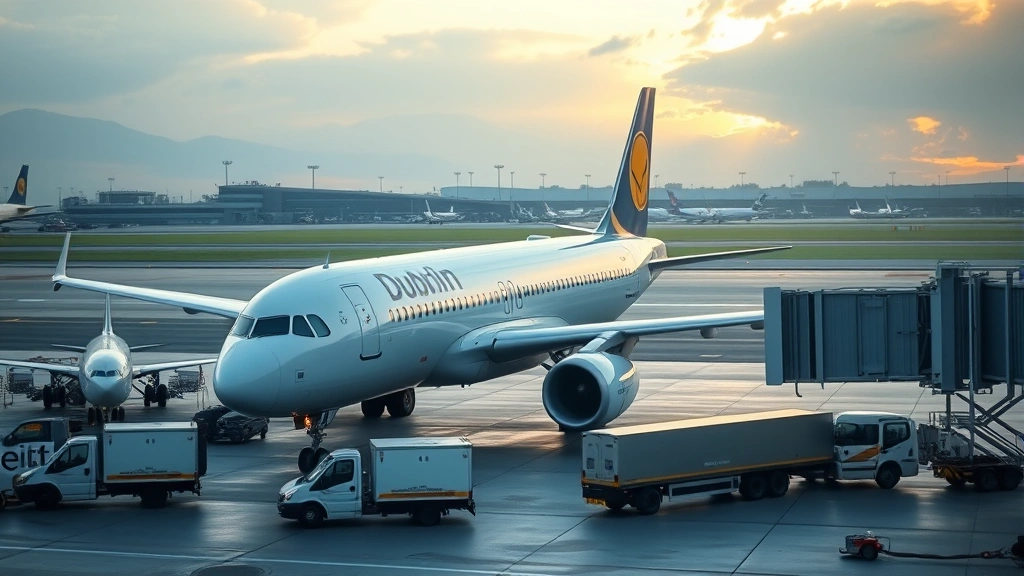
Multiple carriers service the Tampa to Boston route, providing travelers with genuine choice and competitive pricing. Southwest Airlines dominates this corridor, offering multiple daily departures with their signature free baggage policy and open seating model. Their frequent service means you have flexibility in scheduling, though their point-to-point network means some flights may have connections in cities like Chicago or Baltimore.
Delta Air Lines provides several daily options with connections through their Atlanta hub, generally offering premium cabin experiences and better connectivity to international destinations if you’re planning onward travel. United Airlines operates this route with focus on morning and evening departures, catering to business travelers and weekend leisure trips. JetBlue Airways occasionally services this route with their Blue Basic and Blue Plus options, emphasizing customer service and entertainment systems.
For budget-conscious travelers, Spirit Airlines and Frontier Airlines offer ultra-low-cost options, though these come with strict baggage policies and seat selection fees. When comparing carriers, consider not just base fares but total costs including baggage, seat selection, and change fees. Read our guide on best airlines for long flights to understand which carriers excel in service quality for this distance.
Best Times to Book Your Flight
Booking strategy significantly impacts your final ticket price on the Tampa to Boston route. Industry data shows the optimal booking window is 1 to 3 months before departure, though this varies by season. For peak travel periods like summer and winter holidays, booking 2 to 3 months ahead captures better prices before demand spikes.
Tuesday and Wednesday departures typically offer 10-15% savings compared to Friday through Sunday flights. Morning flights (6 AM to 9 AM) and late-night departures (after 8 PM) command lower fares than mid-morning and afternoon slots. If your schedule permits flexibility, you can save substantially by shifting your travel dates by just one or two days.
Set up price alerts on major booking platforms at least 3 months before your planned trip. Airlines release promotional fares on Tuesday and Wednesday afternoons, so checking prices during these windows helps you catch flash sales. Track historical pricing data for your specific dates using tools like Google Flights’ price history feature to understand whether current quotes represent genuine deals or inflated seasonal rates.
Smart Pricing Strategies
Beyond timing, several sophisticated strategies help you secure the lowest fares on Tampa to Boston flights. Incognito browsing prevents websites from tracking your search history and potentially inflating prices based on demand signals. Clear your cookies or use private browsing mode when comparing fares across multiple platforms.
Consider booking one-way tickets separately rather than round-trip packages when prices fluctuate significantly. Sometimes purchasing your outbound flight from one airline and return flight from another yields 20-30% total savings. This requires careful planning to ensure reasonable layover times between flights, but the savings often justify the extra booking steps.
Leverage airline loyalty programs strategically. If you fly frequently, accumulating miles in one carrier’s program provides access to award flights, upgrade opportunities, and elite status perks. Even occasional flyers benefit from signing up before booking, as many airlines offer sign-up bonuses worth $50-100 in travel credit.
Compare refundable airline ticket options carefully. While basic economy non-refundable fares cost less, adding a refundable component or purchasing travel insurance provides protection if your plans change. The $20-40 premium for flexibility often proves worthwhile for business travelers or those with uncertain schedules.
Check airline websites directly before booking through third-party platforms. Some carriers offer exclusive discounts on their homepages, and you avoid third-party booking fees. Additionally, some airlines waive change fees for direct bookings, a significant advantage if your plans might shift.
Direct Flights vs. Connecting Options
The Tampa to Boston route offers both direct and connecting flight options, each with distinct advantages. Direct flights depart Tampa and arrive in Boston without intermediate stops, typically taking 3 to 3.5 hours. Southwest leads this segment with multiple daily nonstop departures, making them the default choice for passengers prioritizing speed and convenience.
Direct flights cost more but save time, eliminate baggage transfer risks, and reduce connection stress. For business travelers, the premium often justifies itself through improved productivity and reduced fatigue. If you’re traveling during peak times, arriving directly means avoiding potential connection delays that could jeopardize your plans.
Connecting flights through hubs like Atlanta (Delta), Charlotte (American), or Washington DC (United) typically cost $30-80 less than direct options. The tradeoff involves 1 to 3 hours of additional travel time, plus layover uncertainty. If your itinerary allows flexibility and you’re budget-sensitive, connecting flights make financial sense. However, if you’re traveling with tight connections to other activities, direct flights eliminate this variable entirely.
Evaluate your total journey time, not just flight time. A connecting flight with a 45-minute connection might actually take 5 to 6 hours door-to-door when accounting for airport procedures, versus 4 to 4.5 hours for a direct flight. Use our travel blog for detailed comparisons of specific routing options and timing considerations.
Where to Book Your Tickets
Selecting the right booking platform impacts both price and customer service availability. Airline websites provide direct booking without third-party markups and often include the most accurate schedule information. Booking directly also simplifies rebooking if flights are cancelled, as you’re working directly with the carrier rather than through a middleman.
Meta-search engines like Google Flights, Kayak, and Skyscanner compare prices across multiple airlines and platforms simultaneously, helping you identify the lowest fares. These tools excel at showing price trends and setting up alerts, though they route you to individual airline or OTA websites for actual booking.
Online travel agencies (OTAs) like Expedia, Orbitz, and Priceline bundle flights with hotels and rental cars, sometimes offering package discounts of 10-20%. However, OTAs complicate rebooking if issues arise, as you must contact the OTA rather than the airline directly. Read the cancellation policy carefully before committing.
Specialty platforms like Kayak and Skyscanner provide excellent price comparison tools. For detailed airline-specific information, consult official sites like Southwest Airlines and Delta Air Lines.
Consider using flight aggregators that show both price and convenience ratings, balancing cost against flight time and connection complexity. Some travelers prioritize lowest price, while others value direct flights or specific airline preferences—choose platforms that weight these factors according to your priorities.
Seat Selection & Cabin Upgrades
Strategic seat selection on Tampa to Boston flights enhances comfort without always requiring expensive cabin upgrades. On Southwest, which offers open seating, boarding position matters significantly. Early boarding lets you select center-row seats with empty middle seats, maximizing personal space on this 3+ hour flight.
For assigned-seat carriers, window seats provide sleeping comfort and wall support, while aisle seats offer bathroom access without disturbing others. Middle seats typically cost $15-30 less and should only be chosen if economy is tight. Avoid seats directly over wings on this distance—they offer no view and experience more engine noise.
Exit-row and preferred seats cost $10-30 extra but provide significantly more legroom. For the Tampa to Boston flight, this investment pays dividends if you’re taller than 5’10” or have mobility concerns. Check seat maps before purchasing; some airlines’ premium economy seats offer better value than first-class upgrades.
Cabin upgrades from economy to premium cabin require different strategies depending on your airline. Frequent flyers with elite status receive complimentary upgrades at check-in if premium seats are available. If you’re not elite, purchasing premium cabin tickets directly sometimes costs less than upgrade requests at the gate. For connecting flights, upgrades apply to each segment separately, potentially doubling costs.
Read our comprehensive guide on essential tips for long haul flights for detailed strategies on maximizing comfort during your journey.
Airport Navigation Tips
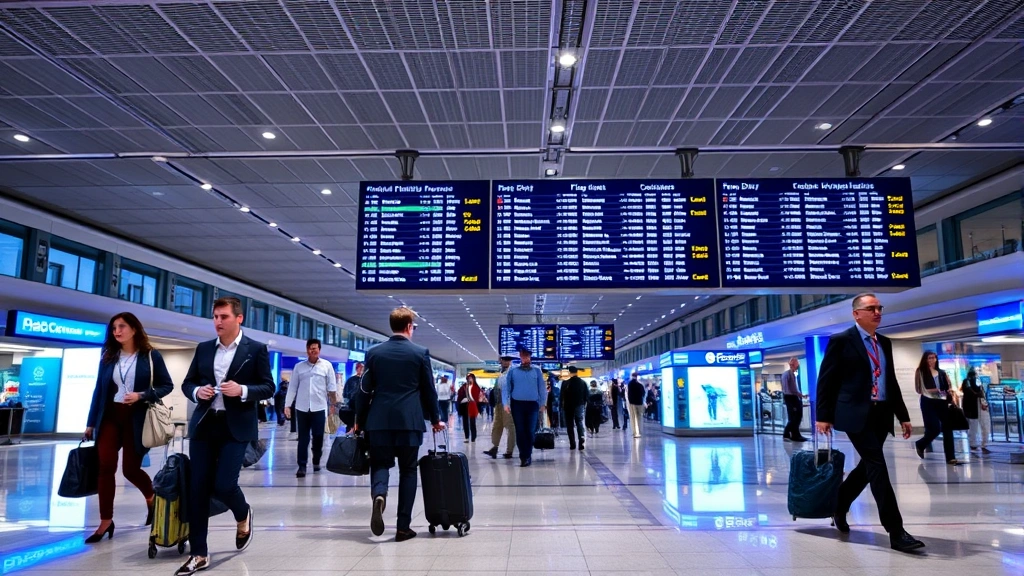
Tampa International Airport (TPA) and Boston Logan International Airport (BOS) serve millions of passengers annually, requiring strategic navigation to minimize stress. At Tampa (TPA), arrive 2 hours before domestic departures to allow time for parking, check-in, and security screening. The airport’s relatively compact design means security lines move quickly except during peak morning hours (6 AM to 9 AM).
TSA PreCheck and CLEAR membership accelerate security screening significantly. At $78-189 annually, these programs save 15-30 minutes per trip, justifying investment if you fly more than twice yearly. Tampa’s PreCheck lanes rarely have lines exceeding 10 minutes, even during peak times.
Boston Logan (BOS) is larger and busier, requiring 2.5 hours for domestic departures, especially during morning rush (6 AM to 10 AM) and evening peaks (4 PM to 7 PM). The airport’s Terminal A and Terminal B handle most domestic flights; check your airline’s terminal assignment before departing for the airport. Parking at Boston runs $25-35 daily; consider rideshare or public transit if staying downtown.
Both airports offer excellent dining and shopping options. Eat before security or bring empty water bottles to fill at fountain stations post-security. This saves $8-15 versus purchasing overpriced airport beverages and food.
Flight delays happen occasionally on this route, particularly during winter storms affecting Boston. Download your airline’s app for real-time updates and rebooking options if delays occur. Knowing your airline’s customer service phone number ensures you can reach representatives quickly if issues arise.
FAQ
What’s the cheapest day to fly from Tampa to Boston?
Tuesday and Wednesday departures typically offer the lowest fares, with savings of 10-15% compared to Friday through Sunday flights. Booking 1 to 3 months in advance and flying during off-peak times (early morning or late evening) maximizes savings. Check price trends using Google Flights’ historical data to identify the cheapest specific days for your travel dates.
How long does a Tampa to Boston flight take?
Direct flights typically take 3 to 3.5 hours of flight time. Connecting flights add 1 to 3 hours depending on layover length and routing. Total door-to-door time ranges from 4 to 6 hours for direct flights (including ground time) and 5 to 8 hours for connections.
Are there non-stop flights from Tampa to Boston?
Yes, Southwest Airlines operates multiple daily non-stop flights on this route. Delta, United, and JetBlue also offer direct service, though less frequently. Check your preferred airline’s schedule directly, as service changes seasonally.
What baggage policies should I know about?
Southwest includes two free checked bags for all passengers. Delta, United, and JetBlue include one free checked bag for basic economy, with additional bags costing $35-45. Budget carriers like Spirit and Frontier charge $30+ for first checked bags. Carry-on bags are free across all carriers, though size restrictions vary.
Can I get a refund if I need to cancel?
Non-refundable basic economy tickets cannot be refunded but typically allow rebooking on other flights for a change fee ($0-75 depending on the airline). Refundable tickets and premium cabin fares offer full refunds if cancelled. Check the specific ticket conditions before booking, as policies vary by airline and booking date. Our guide on refundable airline tickets provides detailed comparison information.
What’s the best airline for this route?
Southwest dominates with frequency and free baggage, ideal for leisure travelers. Delta offers superior premium cabin experience for business travelers. JetBlue excels in customer service and entertainment. Compare based on your priorities: price (Southwest), premium experience (Delta), or customer service (JetBlue). Check our airline comparison for detailed analysis.
Should I book a round-trip or one-way tickets?
Compare both options before deciding. Sometimes two one-way tickets cost less than round-trip packages, especially if return flight prices fluctuate. Use separate searches on airline websites to compare. Round-trip booking simplifies logistics but may cost more; one-way offers flexibility but requires two separate bookings.
What about travel insurance for Tampa to Boston flights?
Travel insurance costing $15-40 per person covers cancellations, medical emergencies, and lost luggage. It’s valuable if you have uncertain plans or health concerns. Review coverage details carefully, as policies vary significantly. For business travelers with strict schedules, insurance provides peace of mind against unexpected disruptions.