China’s Stealth Jet Launch: Aviation Insights and Global Impact
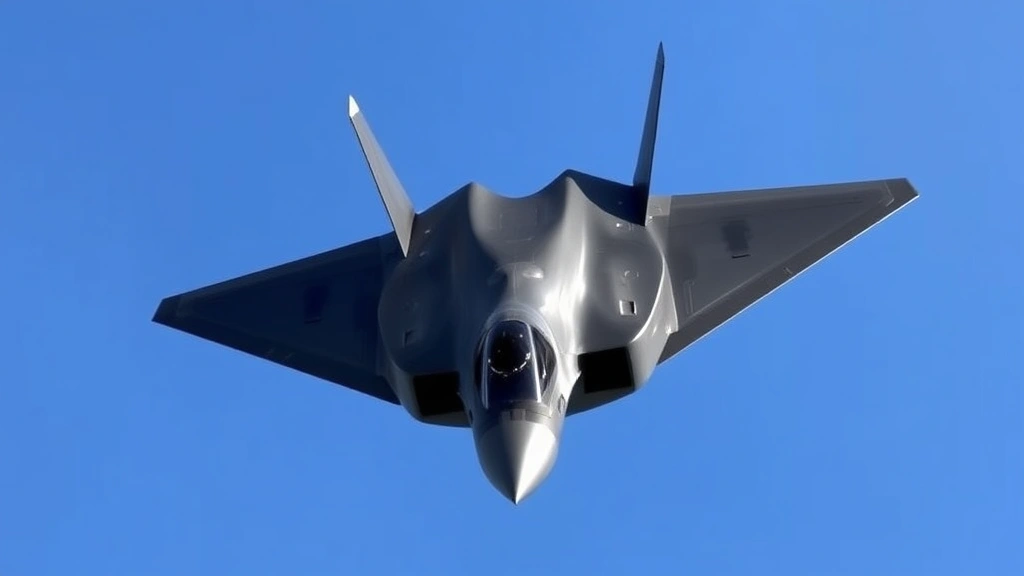
China’s recent launch of its first flight of a new stealth fighter jet marks a significant milestone in military aviation technology and global aerospace development. This groundbreaking achievement demonstrates the rapid advancement of China’s defense capabilities and raises important questions about international aviation standards, military technology competition, and the future of air superiority. As travelers and aviation enthusiasts, understanding these developments helps us appreciate the broader context of modern flight technology and its implications for commercial aviation routes, particularly across Asia.
The successful maiden flight of this advanced stealth fighter represents years of research, development, and engineering innovation. This event underscores how military aviation breakthroughs often influence commercial aircraft design, safety protocols, and international aviation regulations. Whether you’re planning Chicago to Delhi flights or exploring other international routes, understanding the geopolitical landscape of aviation technology provides valuable context for modern air travel.

Overview of China’s New Stealth Fighter Jet
China’s latest stealth fighter jet represents a watershed moment in the nation’s aerospace industry. The aircraft, developed through extensive collaboration between military research institutions and private aerospace companies, showcases indigenous technological prowess and strategic military ambitions. This development reflects China’s commitment to reducing dependence on foreign military technology and establishing itself as a major aerospace power alongside established nations.
The first flight test was conducted at a military test facility in central China, with the aircraft successfully completing preliminary flight operations. Chinese aerospace officials reported that the aircraft performed according to design specifications, demonstrating stable flight characteristics and responsive control systems. This successful maiden flight paves the way for extensive testing phases that will validate the aircraft’s performance across various flight regimes and operational scenarios.
For commercial aviation professionals and frequent international travelers, this development carries implications for airspace management and flight corridors. Understanding how military aviation advances shape international airspace regulations helps travelers make informed decisions about best airlines for long flights and route selections, particularly on Asian routes where military operations influence civilian aviation corridors.
Technical Specifications and Capabilities
The stealth fighter jet incorporates cutting-edge technologies designed to minimize radar detection and enhance combat effectiveness. Key features include advanced radar-absorbing materials, aerodynamic design optimized for reduced radar cross-section, and integrated avionics systems. The aircraft’s design philosophy emphasizes maneuverability, speed, and sophisticated sensor integration—characteristics that represent the current state-of-the-art in military aviation technology.
Stealth technology works by absorbing and deflecting radar waves, making aircraft difficult to detect and track using conventional radar systems. The new Chinese fighter jet employs composite materials and carefully engineered surface geometries to achieve this capability. Additionally, the aircraft features integrated electronic warfare systems and advanced communications equipment that enable it to operate effectively in contested airspace.
The propulsion system utilizes advanced turbofan engines developed specifically for this platform, providing superior thrust-to-weight ratios and fuel efficiency compared to earlier generation fighter jets. This represents significant progress in China’s domestic engine manufacturing capabilities, historically a challenging area for Chinese aerospace development.
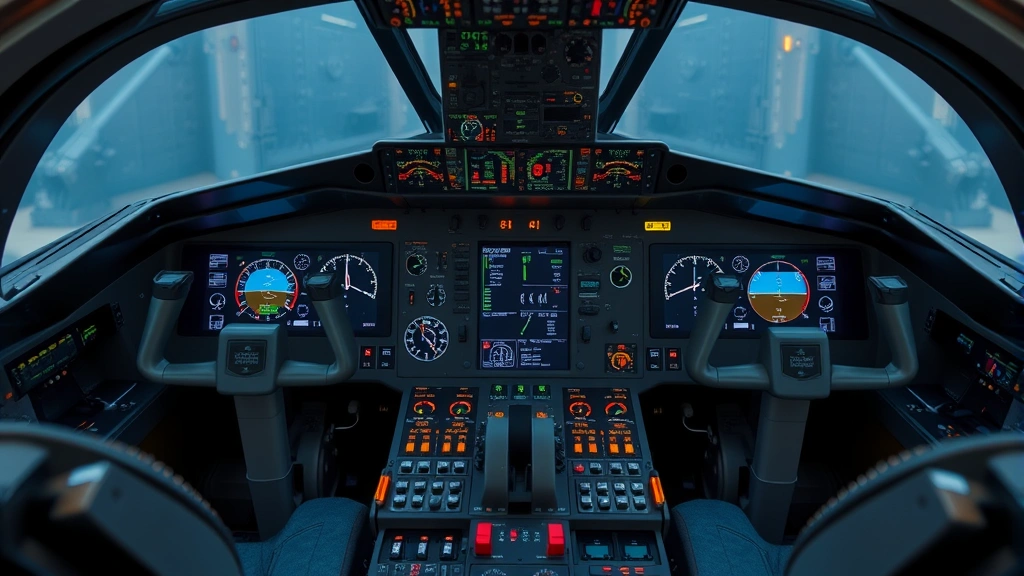
Sensor systems integrated into the aircraft include sophisticated radar, infrared detection equipment, and data-fusion capabilities that process information from multiple sources. These systems enable pilots to maintain situational awareness in complex operational environments and engage multiple targets simultaneously. The avionics architecture emphasizes pilot interface optimization, reducing workload and enhancing operational effectiveness.
Global Aviation and Military Response
The successful maiden flight of China’s stealth fighter has prompted responses from aviation authorities and military organizations worldwide. The United States Department of Defense, along with allied nations, has acknowledged the significance of this achievement while maintaining confidence in their own advanced aviation platforms. International aviation organizations have begun evaluating potential implications for airspace management and flight safety protocols.
Aviation industry analysts note that stealth technology development represents a natural progression in military aviation evolution. However, the pace at which China has achieved these capabilities has surprised many Western observers, suggesting accelerated research timelines and substantial resource investments. This development intensifies the technological competition among major aerospace powers and influences defense spending priorities globally.
Regional aviation authorities, particularly those in Southeast Asia and the Pacific, have expressed interest in understanding how these developments affect civilian aviation safety and airspace sovereignty. Organizations like the International Civil Aviation Organization (ICAO) continue monitoring military aviation developments to ensure they don’t compromise commercial aviation operations or passenger safety.
Allied nations including Japan, South Korea, and Australia have noted this development as part of broader military modernization trends in the region. Their responses emphasize the importance of maintaining technological parity and strengthening allied defense partnerships. These geopolitical considerations ultimately influence international flight routes and aviation infrastructure investments across Asia-Pacific regions.
Impact on Commercial Aviation Routes
While military aviation and commercial aviation operate in distinct spheres, significant overlap exists in airspace usage, infrastructure, and regulatory frameworks. China’s advancement in stealth fighter technology may influence how civilian aviation routes are planned and managed, particularly over sensitive regions or disputed territories. Airspace coordination between military and civilian aviation authorities becomes increasingly complex in regions with active military modernization.
Commercial airlines operating across Asia must navigate evolving airspace restrictions and military exercise zones. The presence of advanced military aircraft may necessitate route adjustments or timing modifications for civilian flights. Airlines planning how to find cheap airline tickets to Europe and other long-distance routes must consider geopolitical factors that influence optimal flight paths.
Airspace efficiency directly impacts fuel consumption, flight times, and operational costs for commercial carriers. Military operations that constrain civilian airspace utilization can increase flight distances and fuel expenses, ultimately affecting ticket prices for passengers. This interconnection between military and commercial aviation underscores why travelers should understand broader geopolitical contexts when booking international flights.
Chinese airlines, including major carriers like Air China and China Southern Airlines, operate extensively across Asia-Pacific routes. These carriers benefit from domestic military technology advancements through improved air traffic management systems, enhanced navigation capabilities, and better coordination with military airspace authorities. Such improvements potentially translate into more efficient flight operations and better passenger experiences.
Technology Transfer and Aviation Safety
Military aviation technology often influences civilian aircraft design through indirect technology transfer mechanisms. Advances in materials science, aerodynamics, propulsion systems, and avionics developed for military platforms frequently find applications in commercial aviation. China’s stealth fighter development contributes to the nation’s broader aerospace knowledge base, potentially accelerating improvements in commercial aircraft design and manufacturing.
The composite materials used in stealth fighter construction represent significant advances in material science. These lightweight, high-strength materials reduce aircraft weight while maintaining structural integrity—benefits directly applicable to commercial aviation. Lighter aircraft require less fuel, reducing operating costs and environmental impact, making such technological advances valuable across aviation sectors.
Avionics and flight control systems developed for military aircraft often establish new performance standards that commercial aviation eventually adopts. Advanced autopilot systems, navigation precision, and sensor integration technologies migrate from military platforms to commercial aircraft, enhancing passenger safety and flight reliability. Understanding this technology evolution helps travelers appreciate safety advances in modern commercial aviation.
However, military aviation development also raises concerns about technology proliferation and international security. Export controls on advanced aviation technologies aim to prevent unauthorized technology transfer to nations with questionable governance records. International aviation safety depends on responsible technology management and adherence to established export control regimes overseen by organizations like the Missile Technology Control Regime (MTCR).
Aviation safety standards established by international bodies ensure that regardless of technological advancement, all aircraft meet baseline safety requirements. The Federal Aviation Administration (FAA) and equivalent authorities in other nations continuously update safety protocols based on technological developments and operational experience. These standards protect passengers on all commercial flights, regardless of aircraft origin or nationality.
Future Implications for International Aviation
Looking forward, China’s stealth fighter development signals continued investment in advanced aerospace capabilities. This trajectory suggests that China will maintain aggressive research and development programs focused on next-generation aviation technologies. Such developments influence international aviation competition, defense spending, and ultimately, the technological landscape of global aerospace.
The successful maiden flight demonstrates that China possesses the engineering expertise, manufacturing capabilities, and resource allocation necessary to develop world-class military aircraft. This capability extends to commercial aviation as well, where Chinese manufacturers like COMAC continue developing commercial aircraft to compete with Boeing and Airbus. The technological foundations established through military programs accelerate progress in commercial aviation development.
Future international aviation will likely feature increased competition between established aerospace powers and emerging manufacturers. This competition drives innovation, improves safety standards, and expands aviation capabilities globally. Travelers benefit from this competition through improved aircraft design, better airline services, and more competitive pricing. Exploring resources like Sky Voyage Hub Blog helps travelers stay informed about aviation industry developments and make smarter travel decisions.
Regional airspace management will become increasingly sophisticated as military and civilian aviation operations coexist in complex environments. Advanced air traffic management systems will need to accommodate military aircraft operations while maintaining safety and efficiency for commercial aviation. Nations investing in modern air traffic control infrastructure will gain advantages in managing this complexity.
International aviation agreements and treaties will likely evolve to address emerging technological capabilities and security concerns. Organizations like ICAO will continue developing standards that balance military security interests with commercial aviation requirements. Travelers benefit from these regulatory developments through enhanced safety protocols and clearer airspace management procedures.
The proliferation of advanced military aviation technology raises questions about arms control and international security. International aviation authorities must remain vigilant about technology proliferation while maintaining the openness necessary for legitimate commercial aviation operations. Balancing these competing interests remains a challenge for policymakers and aviation regulators worldwide.
For frequent international travelers, staying informed about aviation developments helps optimize travel planning. Understanding how geopolitical factors influence flight routes, airspace availability, and airline operations enables smarter booking decisions. Resources discussing airline flight delay compensation and the best times to book airline tickets provide practical guidance for navigating today’s complex aviation environment.
China’s stealth fighter achievement represents a milestone in global aviation technology development. As this technology matures and influences broader aerospace applications, international aviation will continue evolving. Travelers, airline professionals, and aviation enthusiasts should monitor these developments to understand how military and commercial aviation sectors interact and influence one another.
FAQ
What is a stealth fighter jet and how does stealth technology work?
A stealth fighter jet uses advanced materials and aerodynamic design to minimize radar detection. Radar-absorbing materials and carefully angled surfaces deflect radar waves, making the aircraft difficult to detect using conventional radar systems. This technology provides significant advantages in military operations by reducing detection ranges and enhancing survivability in contested airspace.
How does China’s stealth fighter compare to other nations’ fighter jets?
China’s stealth fighter represents a significant technological achievement comparable to advanced fighters developed by other major powers. While design philosophies and specific capabilities vary, modern stealth fighters from different nations generally share common technological approaches including radar-absorbing materials, integrated avionics, and advanced propulsion systems. Direct performance comparisons require classified information not publicly available.
Will this military development affect commercial airline prices or routes?
Military aviation developments can indirectly influence commercial aviation through airspace restrictions, route modifications, and infrastructure investments. However, primary factors affecting airline prices include fuel costs, competition, and demand. Military developments may influence long-term infrastructure planning and airspace efficiency, potentially affecting ticket prices over extended timeframes.
How does military aviation technology benefit commercial aviation?
Military aviation research drives advances in materials science, aerodynamics, propulsion systems, and avionics that eventually benefit commercial aviation. Technologies developed for military platforms often migrate to commercial aircraft, improving fuel efficiency, safety, and performance. This technology transfer accelerates innovation in commercial aviation design and manufacturing.
What organizations regulate military and commercial aviation interaction?
International Civil Aviation Organization (ICAO) establishes standards for international aviation safety and airspace management. National aviation authorities like the FAA coordinate with military authorities to ensure safe coexistence of military and civilian aviation operations. These organizations develop protocols that balance security interests with commercial aviation requirements.
Should travelers be concerned about military aviation developments?
Travelers need not be concerned about military aviation developments affecting flight safety. Commercial aviation operates under strict international safety standards that remain independent of military aviation activities. Military and civilian aviation authorities coordinate to ensure safe operations in shared airspace. Modern commercial aircraft undergo rigorous safety testing and certification processes ensuring passenger safety regardless of geopolitical developments.