Coffee Flights Explained: Expert Travel Insights
Coffee flights have become an increasingly popular travel trend among aviation enthusiasts and casual flyers alike. Whether you’re a coffee connoisseur seeking the perfect brew at 35,000 feet or a traveler curious about airline beverage services, understanding what coffee flights entail can enhance your overall travel experience. These specialized flights often cater to passengers who appreciate quality refreshments, unique in-flight dining experiences, and the opportunity to explore how different airlines approach their beverage programs across various routes and destinations.
The concept of coffee flights extends beyond simply enjoying a cup of coffee during your journey. It encompasses the entire experience of how airlines source, prepare, and serve their coffee offerings, the timing of beverage service, and the cultural significance of coffee in different regions you’re traveling to or from. From premium business class coffee selections to economy cabin options, airlines have invested significantly in upgrading their beverage services to compete for passenger loyalty and satisfaction ratings.
What Are Coffee Flights?
Coffee flights refer to flights where passengers prioritize or specifically seek out quality coffee service as part of their travel experience. This can mean booking with airlines known for their exceptional beverage programs, scheduling flights during peak coffee service times, or selecting routes where airlines partner with specialty coffee roasters. The term has evolved from describing actual coffee sampling experiences to encompassing the broader airline beverage culture.
The rise of coffee flights correlates directly with the global specialty coffee movement. As consumers have become more discerning about their coffee consumption, airlines have responded by upgrading from standard institutional coffee to offerings featuring premium espresso machines, specialty roasters like Lavazza, and locally-sourced blends. Some airlines now offer multiple coffee options, allowing passengers to choose between different origins, roast levels, and preparation methods.
Understanding coffee flights helps travelers make informed decisions about which airlines to fly with and when to schedule their journeys. If you’re planning international travel, exploring Chicago to Delhi flights or Boston to London flight time options can reveal which carriers offer superior coffee services on these routes.
Airline Coffee Quality Standards
Major airlines have established specific quality standards for their coffee services, recognizing that beverage quality directly impacts passenger satisfaction. These standards typically address water temperature, brewing time, bean freshness, storage conditions, and equipment maintenance. Airlines operating premium coffee programs often employ specialized staff trained in proper espresso preparation and milk steaming techniques.
Leading carriers have partnered with renowned coffee brands to elevate their offerings. Lufthansa offers Dallmayr coffee, while British Airways serves Whittard of Chelsea coffee in premium cabins. These partnerships ensure consistency and quality across their entire fleet. Economy class passengers typically receive different offerings than business or first-class travelers, though many airlines have improved their standard coffee options significantly in recent years.
The quality of airline coffee depends on several factors beyond the bean itself. Water quality and temperature control are critical—water must reach specific temperatures for optimal extraction. Flight altitude and cabin pressure affect how coffee tastes, sometimes making it taste less flavorful due to reduced taste bud sensitivity at high altitudes. Airlines account for this by selecting slightly more robust blends for in-flight service.
When booking your next flight, consider checking the Sky Voyage Hub Blog for airline-specific reviews and recommendations about their beverage programs.
Coffee Service Timing and Procedures
Understanding when coffee service occurs on your flight helps you plan your in-flight experience. On short-haul flights, coffee service typically happens once, usually 20-30 minutes after takeoff. Long-haul flights may feature multiple service rounds, with coffee available during breakfast service, after meals, and sometimes before landing.
Flight attendants follow specific procedures for coffee service to maintain safety and efficiency. Coffee is prepared in galley areas using airline-approved equipment, then distributed via beverage carts that are secured during turbulence. The timing of service depends on flight duration, route, and airline policies. International flights generally offer more extensive beverage services compared to domestic routes.
The transition from takeoff to cruising altitude affects when coffee service can begin. Regulations typically prohibit beverage service during the initial climb and final descent phases of flight due to safety considerations. Once the aircraft reaches cruising altitude and the captain extinguishes the “fasten seatbelt” sign, cabin crew can begin their service routine.
For those interested in maximizing comfort during extended travel, our guide on essential tips for long haul flights provides additional insights into managing your in-flight experience.
Premium Coffee Experiences in the Sky
First and business class passengers enjoy significantly enhanced coffee experiences compared to economy travelers. Many premium cabins feature espresso machines operated by trained baristas, allowing passengers to request custom preparations. Some airlines offer coffee tastings or curated selections featuring beans from different origins and roasters.
Luxury carriers like Singapore Airlines and Qatar Airways have invested heavily in their beverage programs, including premium coffee selections prepared to passenger specifications. These airlines often employ flight attendants with barista training and provide freshly ground coffee from high-quality beans sourced from specialty roasters worldwide.
The premium experience extends beyond the coffee itself. Presentation matters—premium cabins typically serve coffee in proper cups rather than paper cups, often accompanied by premium biscuits or pastries. The timing is more flexible, with passengers able to request coffee at virtually any point during their flight rather than waiting for scheduled service rounds.
Upgrading to business class specifically for coffee service might seem indulgent, but for serious coffee enthusiasts on long journeys, the experience can be transformative. Combined with other amenities like best travel pillow for long flights and lie-flat seats, premium cabins create an entirely different travel experience.
Regional Coffee Culture and Flight Routes
Certain flight routes naturally align with coffee culture, making them particularly appealing for coffee enthusiasts. Routes connecting coffee-producing regions—such as flights to Ethiopia, Colombia, or Kenya—often feature coffees sourced from local producers. Airlines recognize the opportunity to offer culturally authentic beverages that reflect the destination.
Flying into coffee hubs like Seattle, Portland, or Melbourne means departing from cities with strong coffee cultures, and airlines serving these routes often adjust their offerings accordingly. You’ll notice different coffee selections on flights from specialty coffee destinations compared to other routes. This regional customization adds authenticity to the travel experience and supports local economies.
The Chicago to Delhi flights route, for example, might feature chai-inspired coffee blends or traditional Indian coffee preparations alongside standard espresso options, reflecting the cultural destination. Similarly, Boston to London flight time routes often showcase British tea culture alongside premium coffee selections.
Understanding these regional variations can enhance your appreciation of the flight experience. Rather than viewing in-flight coffee as a necessity, you can see it as an introduction to the destination’s beverage culture.
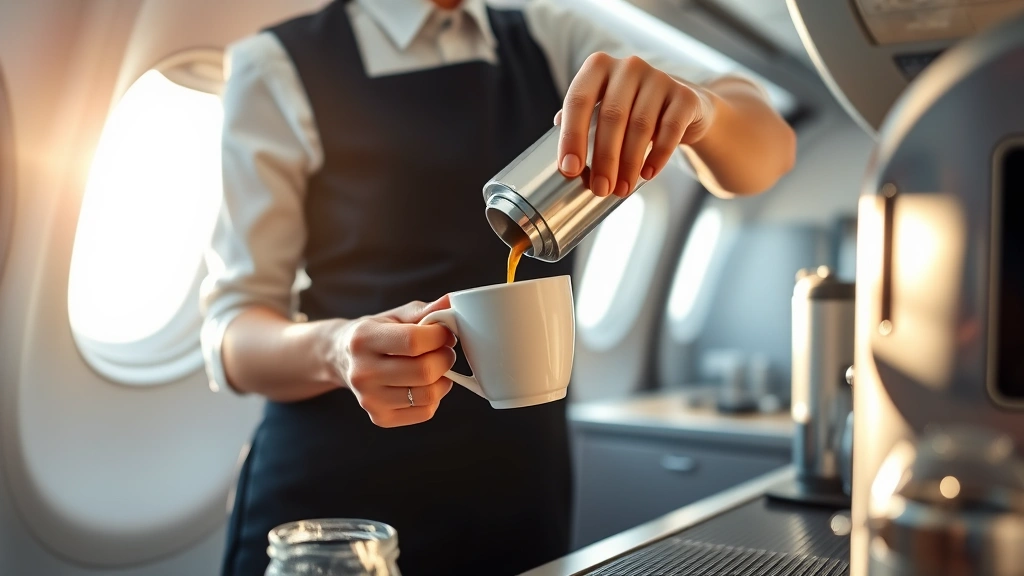
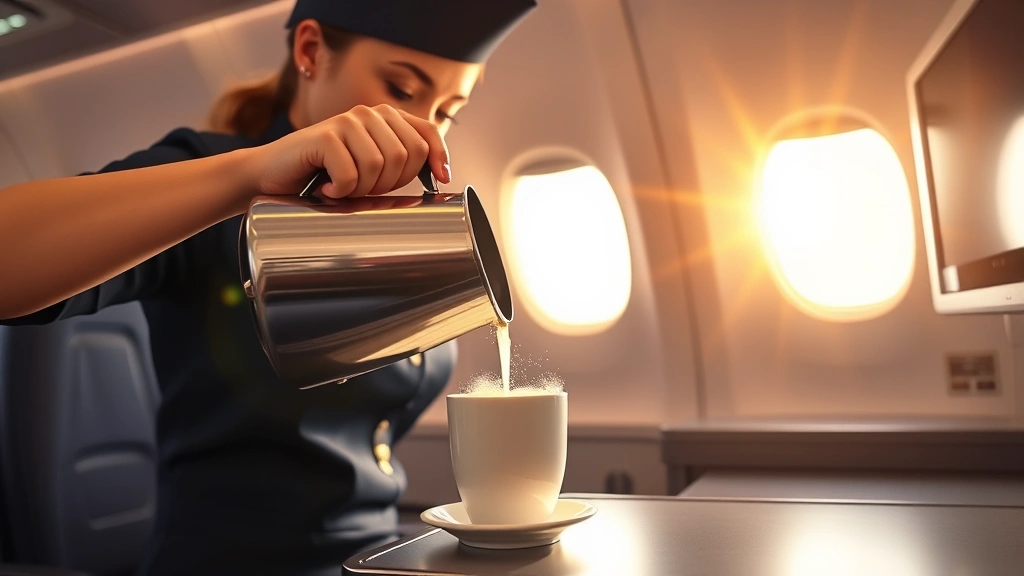
” alt=”Flight attendant pouring freshly brewed coffee into a ceramic cup in modern airline galley with stainless steel equipment and morning light streaming through cabin windows”>
How to Maximize Your In-Flight Coffee Experience
Several strategies can help you enjoy superior coffee during your flight. First, timing matters—request coffee during peak service hours when it’s freshly prepared rather than during lulls when it might have been sitting in the pot. On long flights, this might mean requesting coffee during the main service rather than waiting for secondary beverage rounds.
Second, don’t hesitate to ask flight attendants about coffee options. Many airlines offer multiple choices, but these aren’t always announced. Ask whether the aircraft is equipped with espresso machines and whether custom preparations are available. On premium routes, flight attendants expect and welcome such requests.
Third, consider the cabin configuration when booking. Business class obviously offers superior coffee experiences, but some airlines also upgrade economy cabin coffee on premium routes. Checking airline-specific information before booking helps you identify flights with better beverage services.
For frequent flyers, loyalty program status sometimes unlocks access to premium lounges where you can enjoy quality coffee before your flight. This can be particularly valuable on early morning flights when you want excellent coffee before boarding.
Additionally, consider how to book refundable airline tickets when selecting airlines known for superior beverage programs—this flexibility allows you to switch to carriers with better coffee service if your plans change.
Coffee Flights on Long-Haul Routes
Long-haul flights present unique opportunities and challenges for coffee service. Extended flight times mean multiple service opportunities, allowing airlines to offer coffee at different points during your journey. However, the challenge lies in maintaining coffee quality over extended periods and managing passenger expectations when flights span multiple time zones.
Airlines operating long-haul routes typically invest more heavily in their beverage programs because passengers expect enhanced amenities. A 12-hour flight justifies premium coffee service in ways a 2-hour flight doesn’t. You’ll notice significant differences in coffee quality between short-haul and long-haul carriers.
The circadian rhythm disruption on long flights makes strategic coffee consumption important. Coffee service timing can help or hinder your sleep schedule adjustment. Understanding when airlines serve coffee and planning accordingly—perhaps skipping coffee on overnight flights or requesting it specifically on daytime flights—helps manage jet lag more effectively.
For detailed insights into managing long journeys, explore our essential tips for long haul flights guide, which addresses beverage consumption strategies alongside other wellness considerations.
Health and Wellness Considerations
While coffee flights offer enjoyable experiences, health considerations deserve attention. Caffeine consumption at high altitudes affects your body differently than at sea level. The combination of cabin pressure, dehydration, and caffeine can intensify caffeine’s effects, potentially causing jitteriness or sleep disruption.
Flight attendants recommend balancing coffee consumption with adequate water intake. For every cup of coffee consumed, drinking an additional glass of water helps counteract dehydration effects. The dry cabin air already stresses your hydration levels, and caffeine exacerbates this issue.
Sleep considerations matter significantly on long flights. While coffee provides an energy boost, consuming it too close to when you plan to sleep sabotages rest quality. On overnight flights, many experienced travelers skip coffee service entirely or consume it only during the first half of the flight.
Digestive sensitivity also increases at altitude. Some passengers experience stomach upset from coffee consumed at high altitudes even if they tolerate it normally at sea level. If you’re sensitive to coffee, starting with smaller quantities during flights helps determine your personal tolerance.
For comprehensive wellness strategies during extended air travel, check our guide on essential tips for long haul flights, which covers hydration, sleep, and nutrition alongside beverage considerations.

” alt=”Overhead view of multiple coffee cups in white ceramic with latte art designs arranged on an airplane tray table with pastries and the window showing clouds at cruising altitude”>
FAQ
What exactly is a coffee flight?
A coffee flight is a flight where passengers prioritize or specifically seek quality coffee service as part of their travel experience. This can involve booking airlines known for superior beverage programs, scheduling flights during peak coffee service times, or selecting routes where airlines partner with specialty coffee roasters.
Which airlines serve the best coffee?
Major carriers like Lufthansa, British Airways, Singapore Airlines, and Qatar Airways invest significantly in premium coffee programs. These airlines partner with specialty roasters and employ trained baristas in premium cabins. However, coffee quality varies by route and cabin class, so researching specific flights provides the most accurate information.
How does altitude affect coffee taste?
Altitude reduces taste bud sensitivity, making coffee taste less flavorful at 35,000 feet than at sea level. Airlines account for this by selecting more robust coffee blends for in-flight service. Additionally, cabin pressure and humidity levels affect how flavors are perceived.
Can I request specific coffee preparations on flights?
Yes, especially in premium cabins equipped with espresso machines. Flight attendants can typically prepare various coffee drinks including lattes, cappuccinos, and americanos. However, availability depends on the airline, aircraft type, and cabin class. Always ask what options are available.
Is coffee service available on all flights?
Most commercial flights offer coffee service, though the timing and quality vary significantly. Short-haul flights typically have one service round, while long-haul flights offer multiple opportunities. Economy class service differs substantially from premium cabin offerings.
How can I access better coffee on budget airlines?
Many budget airlines don’t offer complimentary coffee service. However, some sell premium coffee beverages at reasonable prices. Alternatively, purchasing coffee in airport lounges before boarding or bringing an insulated cup filled at the airport provides quality alternatives.
What’s the best time to request coffee on a flight?
Request coffee during peak service hours when it’s freshly prepared rather than toward the end of service rounds when it may have been sitting. On long flights, main meal service typically offers the freshest coffee. Always ask flight attendants about timing and available options.