Flight Dispatch Careers: Expert Insights
Flight dispatch represents one of the most critical yet often overlooked careers in aviation. Flight dispatchers are the unsung heroes behind every successful flight operation, responsible for planning routes, monitoring weather conditions, managing fuel efficiency, and ensuring safety compliance before aircraft leave the gate. This comprehensive guide explores what it takes to build a rewarding career as a flight dispatcher, the skills required, training pathways, and real-world insights from industry professionals.
The role of a flight dispatcher has evolved dramatically over the past decade. Modern dispatchers work alongside pilots, mechanics, and airline management using sophisticated software systems and real-time data analytics. Whether you’re considering this career path or simply curious about aviation operations, understanding flight dispatch careers provides valuable perspective into how airlines maintain their complex daily operations.
What Flight Dispatchers Do Daily
Flight dispatchers perform a variety of essential tasks that directly impact airline operations and passenger safety. At the core of their responsibilities is flight planning, which involves analyzing weather patterns, calculating optimal flight routes, determining fuel requirements, and coordinating with air traffic control. Every flight requires a dispatch release—a document that authorizes the flight and certifies it meets all safety and regulatory requirements.
During pre-flight operations, dispatchers review weather briefings across the entire planned route, including departure airport, en-route conditions, and destination weather. They assess whether conditions meet minimums for the aircraft type and identify alternate airports if necessary. Fuel planning is particularly critical; dispatchers must calculate fuel burn based on aircraft weight, wind patterns, and routing to ensure efficiency while maintaining legal reserves.
Throughout flight operations, dispatchers monitor aircraft in real-time, tracking position, altitude, fuel consumption, and weather developments. If conditions change significantly, they communicate with pilots to discuss potential route modifications, holding patterns, or alternate landing sites. This dynamic problem-solving happens continuously, especially during severe weather events or unexpected mechanical situations.
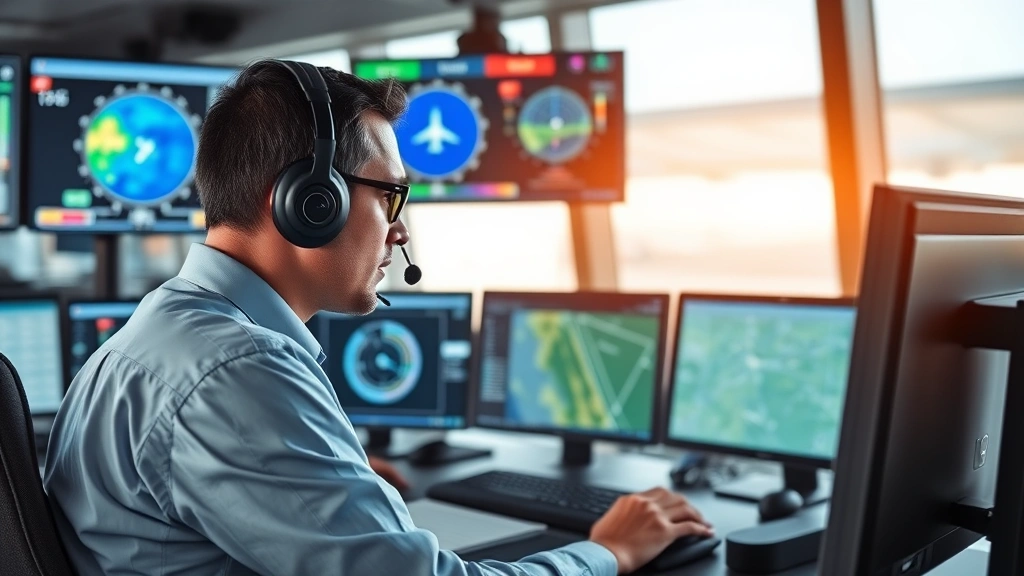
Dispatchers also coordinate with various airline departments including flight crews, maintenance teams, ground operations, and customer service. They maintain detailed flight logs, document any irregularities, and ensure all regulatory requirements are met. Many dispatchers work in flight operations centers where they manage dozens of flights simultaneously across regional or international networks.
Educational Requirements and Certifications
Becoming a flight dispatcher requires specific education and certification. The FAA Aircraft Dispatcher Certificate is the primary credential needed to work legally in this field within the United States. To qualify for the certification exam, candidates must complete formal dispatcher training from an FAA-approved school, which typically requires 200+ hours of instruction covering meteorology, aircraft systems, regulations, and operational procedures.
Most dispatcher training programs take 4-6 months to complete when pursued full-time. These programs cover essential topics including:
- Meteorology and weather interpretation
- Aircraft performance and systems
- Navigation and flight planning
- FAA regulations and procedures
- Aeronautical decision-making
- Dispatch software systems
- International operations
Beyond the FAA certificate, many airlines prefer candidates with aviation-related college degrees. A degree in aviation management, aviation science, or aeronautics demonstrates commitment to the field and provides broader industry knowledge. Some universities offer four-year programs that include dispatcher training as part of their curriculum.
Prior aviation experience is valuable but not always required. Many successful dispatchers transition from other aviation roles such as pilot, flight attendant, or aircraft mechanic backgrounds. This experience provides context for understanding flight operations, though it’s not mandatory. The FAA dispatcher exam itself is rigorous, testing knowledge across multiple aviation domains.
Continuing education remains important throughout a dispatcher’s career. Airlines require regular training updates on new aircraft types, procedural changes, and regulatory modifications. Professional development through aviation organizations helps dispatchers stay current and advance their careers. Visiting our aviation blog provides insights into industry trends affecting dispatch operations.
Skills That Set Dispatchers Apart
Technical expertise forms the foundation of successful flight dispatch careers, but interpersonal and analytical skills equally determine career success. Decision-making under pressure distinguishes exceptional dispatchers from average ones. When weather deteriorates rapidly or mechanical issues emerge mid-flight, dispatchers must analyze complex variables quickly and recommend appropriate actions.
Meteorological knowledge extends beyond understanding weather symbols and radar imagery. Top dispatchers develop intuitive understanding of atmospheric patterns, wind shear behavior, and how terrain influences local weather. This expertise allows them to anticipate weather changes before they occur and proactively modify flight plans.
Communication skills are paramount in this role. Dispatchers interact constantly with pilots, who may be stressed or fatigued, especially during challenging conditions. Clear, concise communication prevents misunderstandings that could impact safety. Similarly, explaining technical decisions to non-technical airline personnel requires different communication approaches.
Strong organizational abilities enable dispatchers to manage multiple flights simultaneously without losing attention to detail. One missed fuel calculation or overlooked weather report could have serious consequences. The best dispatchers develop systems and checklists that ensure nothing falls through the cracks despite operational chaos.
Computer proficiency is increasingly important as dispatch systems become more sophisticated. Modern dispatchers work with flight planning software, weather analysis platforms, fuel optimization systems, and aircraft tracking technology. Comfort with technology and willingness to learn new systems is essential for career growth.
Problem-solving creativity distinguishes dispatchers who simply follow procedures from those who excel. When a scheduled route isn’t viable, finding alternative solutions that maintain schedule integrity while ensuring safety requires creative thinking combined with regulatory knowledge.
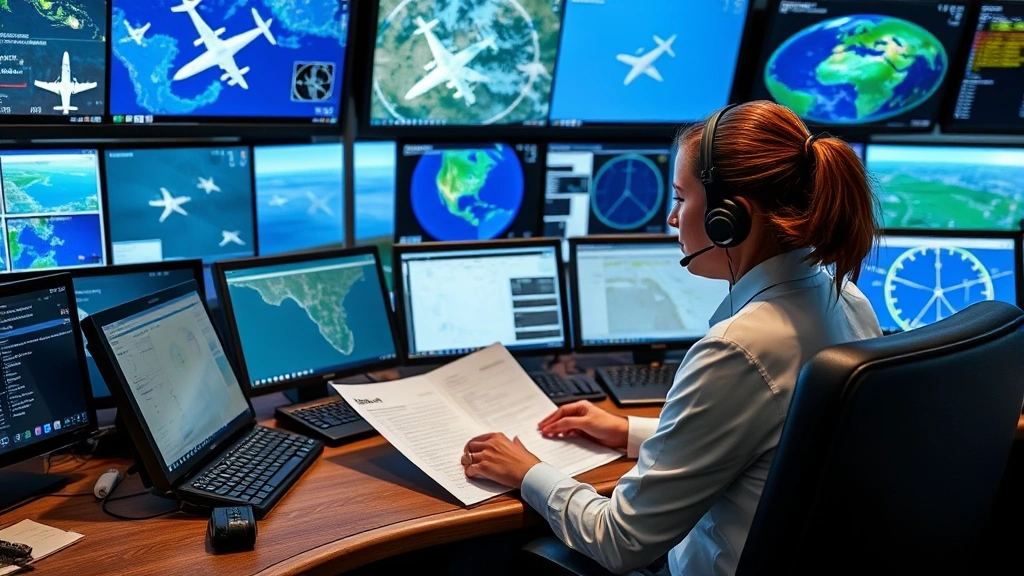
” alt=”Flight dispatcher working at control station monitoring multiple aircraft screens with weather radar and flight tracking systems”>
Career Growth and Advancement Opportunities
Flight dispatch careers offer numerous advancement pathways. Many dispatchers begin as junior dispatchers or trainees, handling routine flights under supervision. With experience, they progress to handling more complex operations, international flights, or specialized aircraft types. Some become lead dispatchers responsible for training junior staff and managing dispatch operations during peak periods.
Senior dispatchers often move into supervisory roles, overseeing entire dispatch teams or managing specific operational areas. Some transition into management positions such as Chief Dispatcher or Director of Flight Operations, where they shape operational policies and strategy rather than managing individual flights.
Specialization opportunities exist within dispatch careers. Some dispatchers focus on international operations, developing expertise in foreign regulations and oceanic procedures. Others specialize in specific aircraft types, becoming the go-to expert for that platform’s performance characteristics and operational considerations.
Many experienced dispatchers transition into related aviation careers. Some become check airmen training pilots on dispatcher coordination. Others move into airline management, safety positions, or aviation consulting. The knowledge and experience gained in dispatch provides foundation for diverse aviation careers.
Entrepreneurial dispatchers sometimes establish consulting firms advising airlines on operational efficiency or training programs. Others work for aviation authorities or the FAA in regulatory or training roles. The skills developed in flight dispatch careers transfer well to other aviation sectors.
Salary and Benefits in Flight Dispatch
Flight dispatch careers offer competitive compensation, particularly at major airlines. Entry-level dispatcher salaries typically range from $35,000 to $50,000 annually, depending on airline size and location. With experience, dispatchers at major carriers earn $70,000 to $100,000+, with senior dispatchers and managers earning substantially more.
Benefits packages are typically generous at established airlines. Health insurance, retirement plans with company matching, and life insurance are standard. Many dispatchers receive free or heavily discounted airline travel benefits for themselves and family members, enabling frequent travel opportunities. Understanding what happens if you miss your flight becomes personally relevant when you have travel privileges.
Shift differentials provide additional compensation for evening, night, and weekend work. Many airlines pay premium rates for overnight shifts, making total compensation attractive for those willing to work non-traditional hours. Overtime opportunities often exist during peak travel seasons.
Career stability is another significant benefit. Airline dispatch positions are relatively secure compared to some aviation careers. Airlines cannot eliminate dispatch functions, and experienced dispatchers are valuable assets. Union representation at many major carriers provides additional job security and standardized compensation.
Professional development opportunities often include airline-paid training for new aircraft types or advanced certifications. Some airlines fund dispatcher participation in industry conferences and professional organizations, supporting career growth investment.
Working Conditions and Schedules
Flight dispatch careers involve shift work, as airlines operate 24/7. Most dispatchers work rotating schedules including evenings, nights, and weekends. While this schedule challenges work-life balance, many dispatchers appreciate the variety and the fact that no two days are identical. Preparing for travel with proper equipment like a flight bag helps dispatchers stay organized during irregular schedules.
The work environment is typically fast-paced and high-pressure. During severe weather events, system outages, or operational disruptions, stress levels increase significantly. Dispatchers must remain calm and focused despite demanding circumstances. Good stress management and emotional resilience are essential for long-term success.
Most dispatch centers are modern, climate-controlled facilities with ergonomic workstations. Technology-rich environments mean dispatchers spend extended periods at computers reviewing data and managing systems. Physical activity is limited, making exercise and movement important for health during shift work.
The social aspect of dispatch work varies. Some dispatchers form close bonds with colleagues during shared shifts, while others prefer minimal interaction beyond necessary communications. Dispatch centers typically have small teams compared to other airline departments, creating tight-knit communities.
Travel opportunities exist for dispatchers willing to relocate. Major airlines operate dispatch centers in multiple cities, and experienced dispatchers can often transfer to preferred locations. Some dispatchers enjoy international assignments with carriers operating globally.
Job Market and Industry Demand
Flight dispatch careers currently experience strong job market conditions. As air traffic increases globally and retirements claim experienced dispatchers, airlines actively recruit qualified candidates. The aviation industry’s recovery following pandemic disruption has accelerated hiring across operational roles, including dispatch.
Regional airlines often have more entry-level opportunities than major carriers, making them good starting points for career development. Smaller carriers provide excellent training grounds where new dispatchers handle diverse aircraft types and gain broad operational experience. Many successful dispatchers at major airlines began at regional carriers.
International opportunities are expanding as global air traffic grows. Airlines in Europe, Asia, and the Middle East actively recruit English-speaking dispatchers. International positions offer adventure and higher compensation in many cases, though they require willingness to relocate.
The job market is expected to remain favorable for the next decade. Industry analysts project continued aviation growth, particularly in emerging markets. Dispatcher retirements will create additional openings, especially as the experienced generation reaches retirement age. For those considering aviation careers, now is an excellent time to pursue flight dispatch careers as opportunities abound.
Automation presents both challenges and opportunities. While some routine tasks become automated, dispatchers’ roles are evolving toward more strategic decision-making and system management. This evolution actually increases demand for highly skilled, experienced dispatchers who can interpret complex data and make nuanced operational decisions.
Getting Started in Flight Dispatch
The pathway to flight dispatch careers begins with research and planning. Start by exploring dispatcher training programs accredited by the FAA. Many programs offer information sessions and tours where prospective students can experience the dispatch environment firsthand.
Consider your educational background and career goals. If you’re early in your career, pursuing a four-year degree in aviation might provide broader opportunities. If you’re already established professionally, a focused dispatcher training program may be more efficient. Both pathways lead to successful dispatch careers.
Build foundational aviation knowledge before formal training begins. Read aviation publications, study weather patterns, learn about aircraft systems, and familiarize yourself with FAA regulations. This preparation accelerates progress through formal training programs.
Network within the aviation community. Attend aviation conferences, join professional organizations, and connect with working dispatchers. These relationships provide mentorship, job leads, and insider knowledge about specific airlines and opportunities. The aviation community welcomes newcomers interested in dispatch careers.
Apply strategically to airlines. Start with regional carriers to gain experience, then transition to major carriers if desired. Some dispatchers intentionally remain at regional airlines, finding the smaller operational environment more rewarding than large carrier environments.
Prepare thoroughly for the FAA dispatcher exam. Use study guides, practice exams, and training program resources. The exam is challenging but achievable with proper preparation. Many training programs include exam preparation in their curriculum.
Expect the certification process to take 6-12 months from decision to employment, depending on your starting point and how quickly you complete training and certification. Planning accordingly ensures smooth career transition.
FAQ
What qualifications do I need for flight dispatch careers?
You need an FAA Aircraft Dispatcher Certificate obtained through approved training programs. Most positions also prefer some aviation background, though it’s not always required. A college degree in aviation or related field is increasingly preferred by major airlines.
How long does it take to become a flight dispatcher?
Formal training typically takes 4-6 months when pursued full-time. Including exam preparation and job search, expect 6-12 months from decision to employment. Prior aviation experience may shorten this timeline.
What is the salary range for flight dispatchers?
Entry-level dispatchers earn $35,000-$50,000 annually. Experienced dispatchers at major airlines earn $70,000-$100,000+. Compensation increases with seniority, airline size, and shift differentials.
Do flight dispatchers work regular hours?
No, dispatchers work rotating shifts including evenings, nights, and weekends. Airlines operate 24/7, requiring round-the-clock dispatch coverage. Shift work is inherent to the career.
Is the job market good for flight dispatchers?
Yes, the job market is currently strong. Growing air traffic, retirements, and post-pandemic recovery create abundant opportunities. Regional and international carriers actively recruit dispatchers.
Can flight dispatchers transfer to other airline departments?
Yes, dispatcher experience is valued across airline operations. Many transition to management, training, safety, or customer service roles. Some move to aviation consulting or regulatory positions.
What is the most challenging aspect of flight dispatch work?
Decision-making under pressure during adverse conditions is most challenging. Managing multiple flights simultaneously while ensuring safety requires strong focus, technical knowledge, and emotional resilience.
Are there international opportunities for flight dispatchers?
Yes, international carriers actively recruit English-speaking dispatchers. International positions often offer higher compensation and opportunities to work with diverse aircraft and procedures across different regulatory environments.