Flight Scope: How to Choose the Best Seats? Expert Guide
Selecting the right airplane seat can transform your entire flying experience, whether you’re embarking on a quick domestic flight or a grueling long-haul journey. With thousands of seat configurations across different aircraft types and airlines, understanding how to navigate seat selection requires knowledge that goes beyond simply clicking “random” during online check-in. This comprehensive guide will help you master flight scope and seat selection strategies that maximize comfort, convenience, and value.
Whether you’re a frequent flyer seeking premium positioning or an economy traveler looking to avoid middle seats, the decisions you make during booking can significantly impact your flight comfort. Airlines strategically price seats based on location, amenities, and legroom, making it essential to understand what you’re actually paying for. By learning to read seat maps effectively and knowing which positions offer genuine advantages, you’ll make informed decisions that align with your travel priorities and budget.
Understanding Flight Scope and Seat Maps
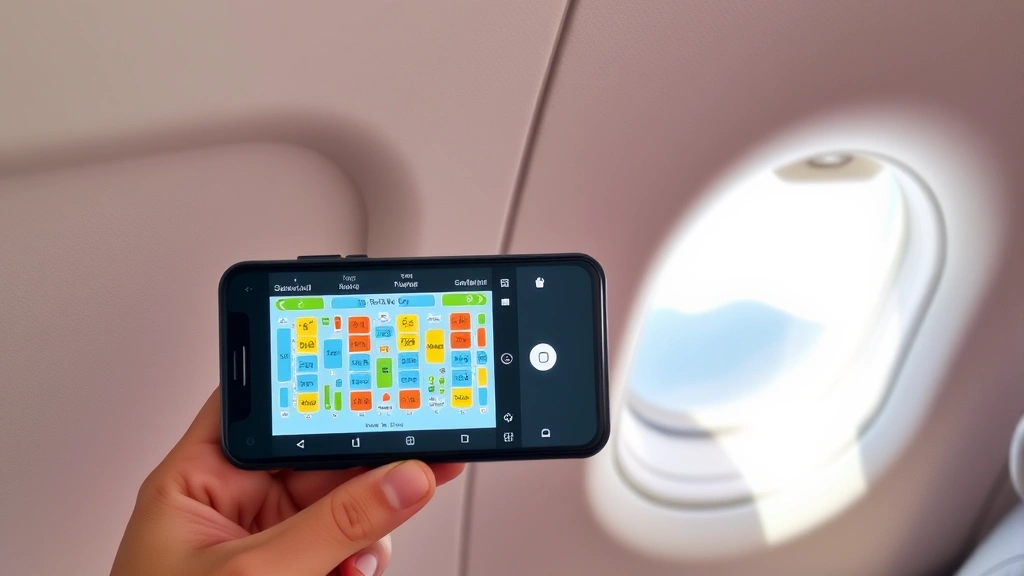
Flight scope refers to the comprehensive view of an aircraft’s seating layout, including seat designations, configurations, and available amenities for each position. Modern flight scope tools, available through airline websites and third-party booking platforms, display interactive seat maps showing exact locations, dimensions, and features. Understanding how to read these maps is your first step toward making strategic seat selections.
When you access a flight scope display, you’ll notice seats organized in rows (numbered 1-80+) and columns (typically labeled A-K depending on aircraft width). Each seat is color-coded to indicate its status: available, occupied, or restricted. Premium seats often appear in different colors, immediately showing which positions command higher fares. Learning to interpret these visual cues helps you quickly identify seats matching your preferences and budget constraints.
The best approach involves accessing the flight scope several days before your flight, as seat availability changes constantly. Airlines release seats in phases, and checking periodically might reveal premium economy or extra-legroom seats at standard prices if someone cancels their booking. Many frequent flyer programs offer complimentary seat upgrades, making it worthwhile to check your elite status benefits before paying for premium positioning.
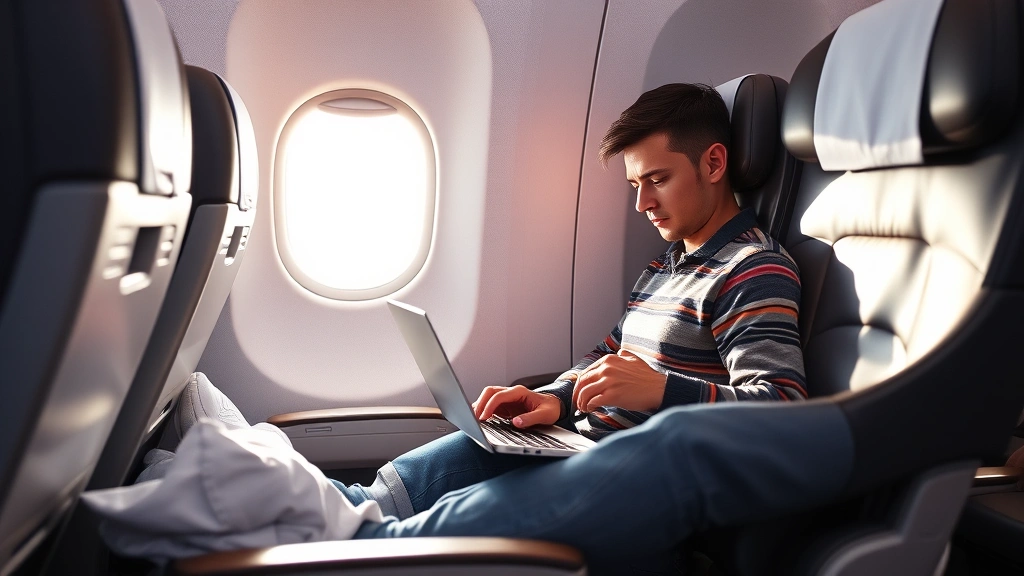
Aircraft Seat Categories Explained
Modern commercial aircraft feature distinct seat categories, each designed for different passenger needs and willingness to pay. Understanding these categories helps you identify genuine value versus marketing hype.
Economy Class (Standard Seats): These standard-width seats offer minimal legroom, typically 31-32 inches pitch (distance from seat back to seat back). They’re densely packed to maximize airline revenue but remain the most affordable option. Standard economy seats in the middle and rear sections of the cabin often feature the least desirable characteristics, including proximity to lavatories and galley areas.
Premium Economy: Positioned between economy and business class, premium economy seats offer 38-40 inches of pitch with wider seats, better recline angles, and enhanced amenities like priority boarding and improved meal service. These seats provide exceptional value for long-haul flights when priced reasonably, offering comfort improvements at a fraction of business class costs.
Business Class: Featuring 6-8 feet of pitch with direct-aisle access, lie-flat beds, and luxury amenities, business class seats represent the pinnacle of aircraft comfort. Pricing reflects these amenities, typically costing 5-15 times economy fares on long-haul routes.
Exit Row and Extra-Legroom Seats: These economy-class seats offer 38-40 inches of pitch without premium pricing, though they may have restrictions (no recline, emergency equipment proximity). Exit row seats are ideal for tall passengers or those seeking comfort without premium class expenses.
Premium Economy and Exit Row Advantages
Exit row seats represent one of aviation’s best-kept value secrets. Airlines must keep these seats clear of obstructions for emergency egress, resulting in substantially more legroom than standard economy. A passenger sitting in row 15E (exit row) gains the same legroom advantage as someone in premium economy, yet exit row seats often cost only $50-150 more than standard seats instead of $300-500.
However, exit row seats come with specific restrictions. You cannot recline (preventing sleep on overnight flights), you cannot store carry-on luggage in front of you, and airlines require you to be capable of assisting with emergency procedures. If you’re traveling with young children or have mobility limitations, exit row seats won’t work for your situation.
Premium economy seats offer excellent value when booked at promotional fares, which airlines frequently offer to fill these intermediate cabins. During low-demand periods, premium economy seats might cost only 30-50% more than economy while providing 25% additional legroom and significantly enhanced comfort. For flights exceeding 6 hours, the premium economy investment often proves worthwhile for the improved sleep quality and reduced fatigue.
Bulkhead seats (first row of each cabin section) offer extra legroom but come with disadvantages: galley proximity means increased noise and activity, lavatories nearby create odors, and you cannot store items under the seat in front (as there is none). Evaluate whether the legroom gain justifies these trade-offs for your specific flight.
Identifying and Avoiding Problem Seat Locations
Lavatory and Galley Proximity: Seats directly behind lavatories and galleys experience constant foot traffic, noise, and odor issues throughout flights. Identify these locations on your flight scope and avoid selecting seats within 3-4 rows of these facilities. On long-haul flights, proximity to lavatories becomes particularly problematic during night hours when cabin crew operates galleys.
Over-Wing Seats: Aircraft wings typically contain fuel tanks, limiting window operation and providing minimal views. More significantly, these mid-fuselage seats often feature narrower windows and positioning that makes viewing impossible for window-seat passengers. Some aircraft models restrict recline in over-wing sections due to structural considerations.
Rear-Fuselage Seating: The last 10-15 rows of aircraft experience maximum engine noise and vibration. These seats also feature reduced recline angles and experience more turbulence due to aircraft physics. Airlines often price these seats cheaply, but the discomfort rarely justifies the savings, especially on flights over 3 hours.
Middle Seats in Three-Across Rows: Middle seats in three-across configurations (common in 737s, A320s) offer no window and minimal armrest space, as you share armrests with both neighbors. Unless pricing heavily discounts middle seats, avoid them entirely—the comfort loss isn’t worth minimal savings.
Seats Near Doors: Seats immediately next to emergency exits experience cold air infiltration, noise from door mechanisms, and crew activity. Similarly, seats near galley areas receive constant disruption from service carts and crew movement.
Strategic Booking Approaches
Timing significantly impacts seat availability and pricing. When booking flights, access your airline loyalty account immediately after booking to secure complimentary seat upgrades if available through your elite status. Many carriers provide free premium seat selections to elite members, potentially saving hundreds of dollars.
For paid seat selections, consider waiting 24-48 hours after booking. Airlines sometimes release premium seats at standard prices when they adjust inventory allocations, or passengers cancel bookings, freeing desirable positions. Checking your flight scope 2-3 times weekly during the weeks before departure reveals these opportunities.
Understand that airline pricing algorithms adjust seat costs based on demand. On popular flights, premium seats increase in price as departure approaches. Conversely, on less-popular flights, airlines sometimes drop premium seat prices to fill aircraft. Booking flexibility regarding dates allows you to select flights where premium seats cost less relative to demand.
Consider booking refundable fares when available, as refundable ticket policies provide flexibility to change flights if better seat availability emerges. This strategy works particularly well for business travelers on flexible schedules.
For frequent travelers, enrolling in airline programs providing complimentary seat selections (often available with premium credit cards) eliminates seat selection fees across multiple bookings, generating substantial savings. If you fly 6+ times annually, these credit card benefits typically justify the annual fees.
Aircraft-Specific Seat Selection Tips
Boeing 737 Family: These narrow-body aircraft feature 3-3 seating configurations. Avoid middle seats entirely—the experience is genuinely unpleasant. Aisle seats in rows 10-25 offer optimal balance of legroom and minimal bathroom proximity. Window seats provide views but mean climbing over seatmates for lavatory access.
Airbus A320 Family: Similar 3-3 configuration to 737s with slightly wider cabins. A320s typically have better insulation, reducing engine noise in rear sections. Exit row seats in A320s provide exceptional legroom without premium pricing—prioritize these positions for long-haul flights.
Boeing 777 (Long-Haul Wide-Body): Offering 3-3-3 seating, 777s provide center-section seats that are genuinely acceptable, though window and aisle seats remain superior. The 777’s size means rear sections don’t experience excessive noise. Premium economy on 777s (often 3-3-3 configuration with wider seats) provides excellent value for transpacific flights.
Airbus A350: These modern wide-bodies feature superior cabin pressure systems reducing fatigue. A350 cabins feel more spacious despite similar pitch to older aircraft. Standard economy on A350s proves more comfortable than premium economy on older aircraft, making seat selection less critical on these aircraft.
Regional Jets (CRJ, ERJ): These smaller aircraft offer minimal seat selection strategy—focus on aisle seats if you’re tall, window seats if you want to sleep. Middle seats on regional jets are genuinely terrible; avoid them regardless of pricing.
Special Considerations for Different Travelers
Tall Passengers: Exit row seats become essential, not luxury. Prioritize these positions even at premium pricing—standard economy seats will cause genuine discomfort on flights exceeding 2 hours. Bulkhead seats offer secondary options when exit rows sell out, despite their disadvantages.
Families with Children: Avoid exit row seats entirely—airlines prohibit children from these positions. Bulkhead seats in forward cabin sections provide extra space for managing children. Seats near lavatories, while undesirable for other passengers, offer convenient access for families with young children requiring frequent bathroom trips.
Passengers with Mobility Issues: Aisle seats near lavatories become advantageous rather than problematic. Bulkhead seats offer easier wheelchair access and boarding. Contact airlines before booking to discuss accommodations; many carriers provide complimentary upgrades or premium seat assignments for passengers with documented mobility needs.
Nervous Flyers: Aisle seats reduce claustrophobia feelings. Seats over the wing experience less turbulence perception despite similar actual movement. Forward cabin sections feel more stable than rear positions. Some research suggests window seats (allowing view of stable wing reference points) reduce anxiety compared to aisle seats.
Heavy Sleepers: Window seats with headrests enable sleeping without blocking aisles. Aisle seats mean constant disruption from seatmate bathroom trips. Rear seats experience more vibration and noise, making sleep difficult. Forward premium economy or business class becomes worthwhile investment for passengers prioritizing sleep on long flights.
Business Travelers: Aisle seats enable quick deplaning and minimize disruption to seatmates. Direct-aisle business class seats prove worth premium pricing for frequent business travel, as they optimize productivity and comfort. Consider elite status benefits providing complimentary premium seat selections and upgrades—these often pay for airline credit card annual fees within single annual spending.
FAQ
What’s the difference between flight scope and regular seat selection?
Flight scope encompasses the complete aircraft seating layout with detailed information about each seat’s location, dimensions, amenities, and restrictions. Regular seat selection typically involves choosing from available seats without understanding the broader aircraft configuration. Flight scope provides comprehensive visibility enabling strategic selection, while regular selection is often reactive, choosing from whatever appears available.
Are premium economy seats worth the extra cost?
Premium economy seats typically cost 30-80% more than economy but provide 20-30% additional legroom and enhanced amenities. For flights under 4 hours, the premium rarely justifies costs. For flights exceeding 6 hours, premium economy often delivers better value than business class, especially when booked at promotional rates. Evaluate pricing relative to your comfort priorities and flight duration.
How far in advance should I select my seat?
Select seats immediately after booking to secure your preferences if you’re willing to pay for premium selections. If you prefer complimentary seat selections, check back 24-48 hours after booking, then periodically during the 2-3 weeks before departure. Many airlines release additional complimentary seats as departure approaches, and you may find desirable positions become available at standard pricing.
Can I change my seat selection after booking?
Yes, most airlines allow free seat changes until check-in, though premium seat selections typically cannot be changed to complimentary seats once purchased. Some airlines restrict changes for basic economy fares. Check your airline’s specific policy during booking to understand change restrictions applicable to your ticket type.
What’s the best seat for sleeping on long flights?
Window seats with headrests enable leaning against the cabin wall without blocking aisles. Forward cabin sections experience less turbulence than rear areas. Avoid middle seats entirely—sleeping while straddling two armrests is nearly impossible. Premium economy or business class seats with direct-aisle access and recline functionality prove worth premium pricing if sleep quality significantly impacts your travel experience.
Why do airlines charge for seat selections?
Airlines separate seating revenue from base fares to optimize yield management. Premium seats (exit rows, bulkhead, extra-legroom) command higher prices because they offer genuine comfort improvements. This pricing structure allows budget-conscious passengers to book flights at competitive base fares while charging premium prices to those prioritizing comfort—maximizing total airline revenue.
Are aisle or window seats better for long flights?
Window seats enable sleeping without blocking aisles and provide views and cabin wall support. Aisle seats offer bathroom access without climbing over seatmates and allow standing and stretching without disturbing others. Personal preference, sleep priorities, and bathroom frequency should guide your choice. Neither is objectively superior—they offer different advantages and disadvantages.