LAX to Tokyo: Flight Duration Insights
Flying from Los Angeles to Tokyo is one of the most popular transpacific routes for business travelers, tourists, and aviation enthusiasts. The journey across the Pacific Ocean represents one of the longest direct flights available from the continental United States, covering approximately 5,478 miles. Understanding the flight time from Los Angeles, CA to Tokyo, Japan is essential for planning your itinerary, managing jet lag, and making informed travel decisions.
The typical flight duration for this route ranges from 11 to 12.5 hours, depending on various factors including wind patterns, aircraft type, and specific routing. While the distance is substantial, modern aircraft and optimized flight paths have made this journey more efficient than ever before. Whether you’re a frequent traveler or planning your first trip to Japan, knowing what to expect during this long-haul flight will help you prepare adequately.
Average Flight Time LAX to Tokyo
The standard flight time from LAX to Tokyo’s Narita International Airport (NRT) or Haneda Airport (HND) is approximately 11 to 12 hours for non-stop flights. Westbound flights departing Los Angeles typically take slightly longer than eastbound return flights due to prevailing winds. Most carriers schedule this route with flight times between 11.5 and 12.5 hours, accounting for taxi time, takeoff, and landing procedures.
Haneda Airport, Tokyo’s primary international hub, is closer to central Tokyo than Narita, making it the preferred destination for most travelers. Flights to Haneda typically complete the journey in similar timeframes, though the airport’s location offers significant convenience advantages. The actual block time—from pushback at LAX to arrival at the gate in Tokyo—usually falls within the 11 to 12-hour window, making this one of the longer direct flights from North America.
When booking your tickets, you’ll notice that airlines display the scheduled flight duration prominently. This duration already factors in expected wind conditions and routing. Actual flight times can vary by 15-30 minutes depending on real-time weather patterns and air traffic control routing. Being familiar with the best times to book airline tickets can help you secure the most comfortable flights on this route.
Factors Affecting Flight Duration
Wind Patterns and Jet Streams: The most significant factor influencing flight time on Pacific routes is the jet stream. The polar jet stream flows from west to east across the North Pacific, creating a powerful tailwind for westbound flights returning to Los Angeles but headwinds for eastbound departures. This explains why your return flight from Tokyo to LA typically takes 1-2 hours longer than your outbound journey. A strong jet stream can add or subtract 30-45 minutes from your total flight time.
Aircraft Type: Different aircraft have varying cruise speeds and fuel efficiency profiles. Boeing 787 Dreamliners, Airbus A350s, and Boeing 777s are common on this route. The 787 Dreamliner, for example, is designed for optimal long-range efficiency and often completes the journey slightly faster than older aircraft. Carriers operating newer fleets may offer marginally shorter flight times, though the difference rarely exceeds 20-30 minutes.
Routing and Air Traffic Control: Actual flight paths don’t follow a straight line across the Pacific. Aircraft must navigate established oceanic airways, avoid restricted airspace, and follow air traffic control directions. Controllers may assign different altitudes or lateral offsets based on weather avoidance and traffic management, occasionally adding 10-20 minutes to total flight time. The great circle route from LAX to Tokyo represents the shortest possible path, which airlines naturally prefer for fuel efficiency.
Weather Conditions: Storms, turbulence, and other weather phenomena can necessitate altitude changes or routing modifications. While pilots work to minimize weather impacts, severe conditions occasionally require detours that extend flight time. Conversely, optimal conditions and favorable routing can sometimes result in slightly shorter flights than scheduled.
Seasonal Variations: Jet stream positions shift seasonally, with stronger flows typically occurring during winter months (October through March). Winter westbound flights from Tokyo to LA frequently experience significant time savings due to powerful jet stream assistance, while LAX to Tokyo flights face stronger headwinds during these months.
Direct vs. Connecting Flights
While direct flights dominate the LAX-Tokyo market, some travelers consider connecting options. Direct flights offer obvious advantages: no intermediate stops, no baggage rechecking, and predictable total travel time. A direct flight of 11-12 hours is generally preferable to a 15-18 hour journey with a connection, even if the connecting flight costs less.
Common connecting hubs for LAX-Tokyo routes include Honolulu, Seoul, and Osaka. Honolulu connections add approximately 4-6 hours to your total journey, though the brief layover allows for rest and refreshment. If you’re considering connecting flights, factor in layover time (typically 2-4 hours), potential delays, and the physical toll of multiple takeoffs and landings.
Most major airlines offer multiple daily direct flights on this route, giving you flexibility in scheduling. Checking our guide on best airlines for long flights will help you select carriers known for comfort on extended journeys. Direct service represents the optimal choice for most travelers on this route.
Airlines Operating This Route
Several major carriers provide regular service between Los Angeles and Tokyo, each offering distinct advantages and in-flight experiences. All Nippon Airways (ANA) operates multiple daily flights with modern aircraft and excellent service standards. Japan Airlines (JAL) similarly provides premium service with competitive scheduling. American Airlines, United Airlines, and Delta Air Lines all maintain regular LAX-Tokyo service, offering various cabin classes and loyalty program benefits.
Japanese carriers ANA and JAL excel at catering to long-haul passengers with comprehensive in-flight entertainment, premium meal services, and attentive cabin crews. American carriers often provide competitive pricing and convenient flight times, with United operating multiple daily frequencies. Selecting an airline involves balancing cost, schedule preferences, and desired comfort level. The Sky Voyage Hub Blog regularly reviews airline experiences on major international routes.
Fleet composition varies among carriers, with some operating primarily 787 Dreamliners while others use 777s or A350s. Checking which aircraft operates your specific flight can provide insights into cabin amenities, seat pitch, and overall comfort. Newer aircraft typically offer better cabin humidity, larger windows, and more advanced entertainment systems—factors that significantly impact the long-haul experience.
Preparing for Your Long-Haul Journey
An 11-12 hour flight demands proper preparation to ensure comfort and minimize fatigue. Begin adjusting your sleep schedule 3-4 days before departure, gradually shifting toward Tokyo time. This acclimatization process helps your body adjust more smoothly to the 16-17 hour time difference, reducing jet lag severity.
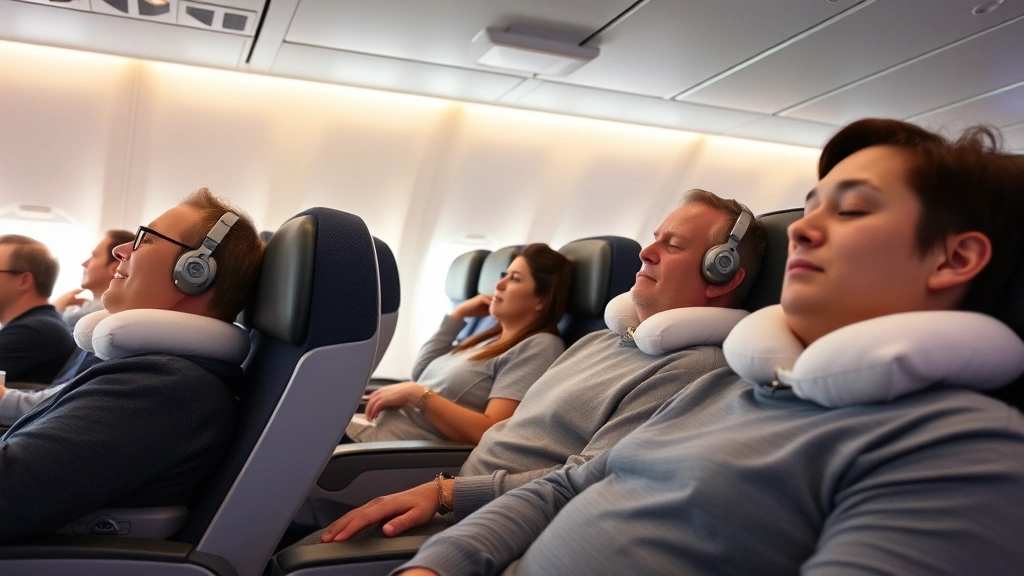
Pack strategically for long-haul comfort: bring compression socks to reduce DVT risk, neck pillows for cervical support, and noise-canceling headphones to minimize cabin noise. Moisture-wicking clothing and layers allow temperature adjustment as cabin conditions change. Consult our comprehensive article on essential tips for long-haul flights for detailed preparation strategies.
Hydration is critical on long flights. The cabin pressure and low humidity can lead to dehydration, exacerbating jet lag and fatigue. Drink water consistently throughout the flight—aim for 8 ounces every hour—while limiting alcohol and caffeine, which accelerate dehydration. Most airlines provide complimentary beverages; don’t hesitate to request water frequently.
Movement prevents stiffness and reduces circulation complications. Walk the aisles every 2-3 hours, perform in-seat stretches, and practice calf raises to maintain circulation. Aisle seats offer easier access for frequent movement, while window seats provide convenient wall support for sleeping. Consider your personal preferences when selecting seats during booking.
Understanding Jet Lag and Time Zones
Flying from Los Angeles to Tokyo involves crossing 16-17 time zones, making jet lag a significant consideration. Tokyo operates on Japan Standard Time (JST), which is 16 hours ahead of Pacific Standard Time (PST) or 17 hours ahead of Pacific Daylight Time (PDT). This substantial time difference means your body’s internal clock will be significantly misaligned upon arrival.
Westbound travel (LAX to Tokyo) is generally easier to adjust to than eastbound return flights. Your body naturally prefers longer days, making it easier to stay awake through your first Tokyo evening and sleep through the night. Eastbound flights, conversely, require your body to compress time, often resulting in more pronounced jet lag symptoms.
Strategic light exposure helps reset your circadian rhythm. Upon arrival in Tokyo, seek bright light in the morning (8-10 AM) to advance your internal clock. Avoid bright light in the evening. Melatonin supplements (0.5-5mg taken 30 minutes before desired bedtime) can facilitate adjustment, though consistency matters more than dosage.
Plan your first day in Tokyo conservatively. Rather than scheduling important meetings or intensive sightseeing, allow yourself 24-36 hours to adjust. Light activity—walking, casual meals, easy exploration—helps adjustment without overtaxing your fatigued system. Most travelers adjust within 3-4 days, though individual variation is significant.
In-Flight Comfort and Services
Modern aircraft operating LAX-Tokyo routes offer substantially improved comfort compared to older generations. The Boeing 787 Dreamliner features larger windows with dimming capabilities, higher cabin pressure (equivalent to 6,000 feet rather than 8,000 feet), and enhanced humidity control. These features significantly reduce fatigue and dehydration—critical advantages on 12-hour flights.
Cabin configuration varies among airlines and aircraft. Premium economy seating, available on most carriers, offers 8-10 extra inches of pitch compared to economy, better recline, and enhanced amenities. Business class seats convert into fully flat beds on most aircraft, though premium pricing reflects this luxury. Economy passengers can maximize comfort through strategic seat selection, purchasing extra legroom if available, and utilizing provided amenities.
In-flight entertainment systems have evolved dramatically, with most carriers now offering extensive movie libraries, television series, games, and music. Seatback screens or personal device streaming (on newer aircraft) provide entertainment flexibility. Downloading entertainment before departure ensures options if connectivity issues arise.
Meal services on LAX-Tokyo flights typically include dinner service shortly after departure, a light breakfast service 1-2 hours before arrival, and beverage/snack service throughout the flight. Special meal requests (vegetarian, vegan, kosher, halal, etc.) should be arranged during booking to ensure availability. Quality varies among carriers, with Japanese airlines typically offering exceptional meal experiences featuring authentic cuisine.
FAQ
What is the exact flight time from LAX to Tokyo?
Direct flights from Los Angeles to Tokyo typically take 11 to 12.5 hours. The scheduled block time is usually around 11.5 hours, though actual duration varies based on winds, routing, and weather. Westbound flights (LAX to Tokyo) generally take slightly longer than eastbound returns due to prevailing winds.
Why does the return flight take longer than the outbound flight?
Return flights from Tokyo to Los Angeles encounter strong headwinds from the Pacific jet stream, adding 1-2 hours to flight time. Westbound flights benefit from tailwinds, while eastbound flights face headwinds. This explains why your return journey feels longer despite covering identical distance.
Which airlines offer the shortest flight times on this route?
Modern aircraft like the Boeing 787 Dreamliner and Airbus A350 achieve similar flight times across all carriers. Flight duration depends more on routing and wind conditions than airline selection. ANA and JAL operate efficient networks with consistent scheduling.
Can I break up this long flight with a connection?
Yes, connecting flights via Honolulu, Seoul, or other hubs are available, though they typically extend total travel time to 15-18 hours. Most travelers prefer direct flights despite longer duration, as connections add complexity and require baggage rechecking.
How should I prepare for jet lag on this route?
Begin adjusting your sleep schedule 3-4 days before departure, stay hydrated during the flight, seek bright light upon arrival in Tokyo, and plan a conservative first day. Most travelers adjust within 3-4 days. Melatonin supplements can facilitate adjustment, though behavioral strategies prove equally effective.
What’s the best seat selection for this long flight?
Aisle seats facilitate movement and bathroom access. Window seats provide wall support for sleeping. Seats over the wing minimize turbulence perception. Exit rows offer extra legroom. Premium economy provides optimal comfort at moderate cost. Personal preferences vary—choose based on your priorities.
Are there seasonal variations in flight time?
Winter months (October-March) feature stronger jet stream winds, extending LAX-Tokyo flight times while shortening Tokyo-LAX returns. Summer months show less variation. Seasonal wind patterns are predictable, reflected in airline scheduling and flight duration estimates.
What amenities help during an 11-hour flight?
Compression socks, neck pillows, noise-canceling headphones, eye masks, and moisture-wicking clothing enhance comfort. Hydration, movement, and strategic entertainment selection make the time pass more pleasantly. Many airlines provide amenity kits; consider upgrading to premium economy for enhanced offerings.