
Boston to Denver: Cheapest Months? Analysis Report
Planning a trip from Boston Logan International Airport to Denver International Airport requires strategic timing to maximize your savings. The Boston-Denver route presents significant seasonal pricing variations, with fares fluctuating by as much as 60-70% depending on when you book and travel. Understanding these patterns empowers travelers to secure the best deals while maintaining flexibility with their schedules.
The distance between these two major metropolitan areas—approximately 1,800 miles—typically translates into flights lasting 4-5 hours depending on layovers and routing. This mid-range domestic route attracts business travelers, leisure visitors, and adventure seekers heading to Colorado’s Rocky Mountains. By analyzing historical pricing data and seasonal trends, we’ve compiled a comprehensive guide to help you book your next Boston to Denver flight at the lowest possible rates.
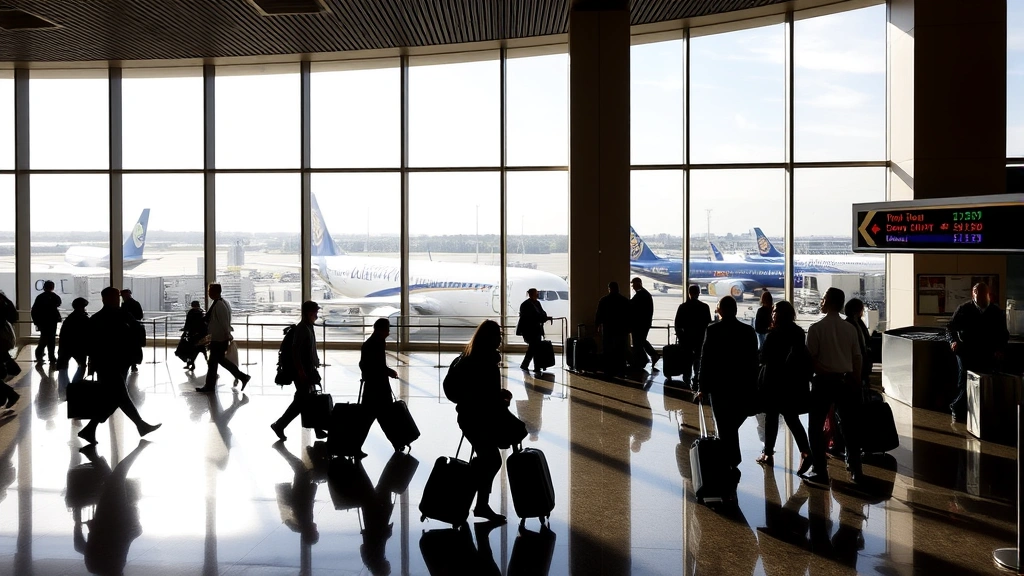
Cheapest Months to Fly Boston to Denver
January and February consistently rank as the cheapest months for flights from Boston to Denver, with average fares dropping to $180-$250 for round-trip tickets. This post-holiday period experiences significantly reduced demand as travelers recover from holiday expenses and winter weather deters casual tourism. Airlines adjust pricing downward to fill seats during their slowest period.
March represents another excellent window for budget-conscious travelers, though prices begin climbing mid-month as spring break approaches. Early April can still offer reasonable rates before the summer season kicks into full swing. September and October provide a secondary sweet spot, particularly early September before school routines solidify and mid-October after fall break but before Halloween travel.
The absolute lowest fares typically appear on Tuesday and Wednesday departures in these months, with prices increasing significantly for weekend flights. Booking 2-3 weeks in advance during these optimal months can yield additional savings of 15-25% compared to last-minute reservations.
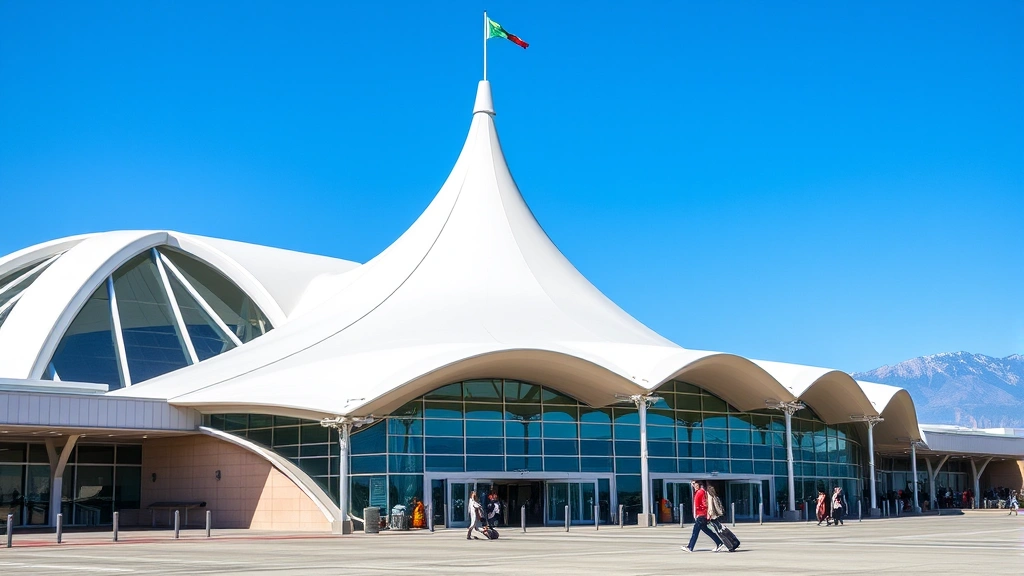
Seasonal Price Breakdown
Winter (December-February): Despite December’s holiday surge, January and February offer exceptional deals ranging from $180-$280 round-trip. December 25-31 and January 1-2 remain expensive, but the remainder of winter provides outstanding value. Snow conditions may affect travel plans, so consider travel insurance when booking winter flights.
Spring (March-May): March prices range $220-$320, with April climbing to $280-$380 as spring break and Easter holidays approach. May sees increased pricing ($300-$420) as summer season begins. Early March offers better deals than late March, making it ideal for spring break travelers willing to adjust dates slightly.
Summer (June-August): Peak season pricing dominates these months, with fares ranging $350-$550 round-trip. School vacations, family travel, and destination popularity drive demand exceptionally high. If summer travel is unavoidable, book at least 6-8 weeks in advance and consider flying on Tuesdays or Wednesdays. Mid-week departures often save $100+ compared to weekend options.
Fall (September-November): Early September offers $240-$340 fares before Labor Day weekend surges. Mid-September through mid-October provides excellent value at $200-$320 round-trip. Late October through November sees climbing prices ($280-$400) as Thanksgiving approaches, with the week before and after Thanksgiving reaching peak-season rates exceeding $450.
Booking Strategies for Maximum Savings
Implementing strategic booking tactics can substantially reduce your airfare costs. Understanding the best times to book airline tickets ensures you capture the lowest available rates. Most analysts recommend booking 2-3 weeks ahead for domestic flights, though booking 4-6 weeks in advance during peak seasons provides additional savings.
Day-of-Week Strategy: Tuesdays and Wednesdays consistently offer lower fares than Friday through Sunday departures. Airlines typically release fare sales on Monday evenings, with Tuesday morning representing optimal booking timing. Avoid Friday evening departures and Sunday returns, which command premium pricing.
Time-of-Day Consideration: Early morning flights (5:00-7:00 AM) generally cost less than afternoon and evening options. Red-eye flights departing Boston after 10:00 PM offer significant savings, often 20-35% below daytime equivalents, though they require schedule flexibility and recovery time.
Flexible Date Booking: Using flexible date search tools reveals price variations across 30-day windows. Shifting your travel dates by just 1-2 days can yield savings of $50-$150 per person. Setting up price alerts through major travel platforms enables automatic notifications when fares drop below your target price.
Incognito Browsing: Clear browser cookies or use private/incognito mode when searching for flights. Some travel websites track repeat searches and adjust prices accordingly. Incognito browsing prevents this dynamic pricing manipulation.
Consider Nearby Airports: While Boston Logan (BOS) and Denver International (DEN) are the primary options, checking alternative airports occasionally reveals better rates. However, ground transportation costs may offset minimal airfare savings.
Airlines Comparison
Multiple carriers operate the Boston-Denver route, each offering distinct pricing structures and service levels. Understanding the best airlines for long flights helps optimize your travel experience alongside cost savings.
Southwest Airlines: Offers competitive pricing with generous baggage allowances (two free checked bags). Their flexible change policies and lack of seat assignments appeal to budget travelers. Southwest typically averages $200-$320 for this route during off-peak months.
United Airlines: As a major Boston-based carrier with significant Denver presence, United offers frequent flights with competitive pricing. Book directly through their website for potential exclusive deals. Their MileagePlus program provides value for frequent travelers.
Delta Air Lines: Provides reliable service with multiple daily flights. Delta’s partnerships enable route flexibility, though baggage fees apply for basic economy fares. Expect $210-$340 average pricing depending on season.
Frontier Airlines: Denver’s home carrier offers exceptionally low base fares ($120-$200), though baggage and seat selection fees add costs. Total all-inclusive pricing before comparing. Frontier appeals to ultra-budget travelers willing to minimize carry-on items.
Allegiant Air: Provides budget options with significant ancillary fees. Their ultra-low base fares often increase substantially with necessary add-ons. Calculate complete pricing including fees before booking.
Denver Attractions Worth the Journey
Denver’s vibrant culture, outdoor recreation, and culinary scene justify the 1,800-mile journey from Boston. Rocky Mountain National Park lies just 90 minutes north, offering world-class hiking, scenic drives, and alpine lakes. The nearby Denver ski resorts including Breckenridge and Vail provide winter sports opportunities within 2-3 hours’ drive.
Downtown Denver features the Denver Convention & Visitors Bureau for comprehensive local information. The Denver Art Museum showcases extensive American Indian art collections and contemporary works. The Colorado State Capitol building offers free public tours with stunning architectural details and panoramic city views from its dome.
The Great American Beer Festival calls Denver home, with numerous craft breweries throughout the city offering tastings and tours. Union Station, recently renovated, serves as a beautiful transit hub with shopping, dining, and entertainment options. The 16th Street Mall provides urban shopping with free shuttle service.
For outdoor enthusiasts, Red Rocks Park near Denver offers iconic concert venue experiences within a geological wonder. Bear Creek Lake provides water activities, and numerous hiking trails crisscross the surrounding areas. Denver’s mile-high elevation (5,280 feet) requires acclimatization time, so plan moderate activities for your first day.
FAQ
What’s the absolute cheapest month to fly Boston to Denver?
January consistently offers the lowest average fares, typically $180-$250 round-trip. February runs a close second. These post-holiday months experience minimal travel demand, allowing airlines to discount heavily. Avoid December 25-31 and January 1-2 when holiday pricing remains elevated.
How far in advance should I book Boston to Denver flights?
Book 2-3 weeks ahead for optimal pricing during off-peak months. During peak seasons (summer, holidays, spring break), extend booking to 4-6 weeks. Booking too far in advance (8+ weeks) rarely provides additional savings and increases cancellation risks if plans change.
Are connecting flights cheaper than direct flights?
Generally, yes—connecting flights average 10-25% less than direct options. However, factor in additional time, missed connection risks, and potential rebooking fees. For budget-conscious travelers with flexible schedules, one-stop connections offer meaningful savings. Direct flights typically cost $40-$80 more but provide convenience and reliability.
Can I find cheaper flights by flying into alternative Denver airports?
Denver International Airport (DEN) serves the vast majority of commercial traffic. Alternative airports within reasonable distance don’t exist, making DEN the only practical option. Focus savings efforts on timing and airline selection rather than airport alternatives.
What travel insurance should I purchase for Boston to Denver flights?
Consider trip cancellation insurance covering medical emergencies, family emergencies, or airline bankruptcies. Winter travel (January-February) warrants additional coverage for weather-related delays. Refundable airline tickets provide inherent protection, though they cost more upfront.
Do I need a connecting flight from Boston to Denver?
Direct flights operate regularly, though some itineraries include connections through hubs like Chicago (ORD), Dallas (DFW), or Charlotte (CLT). Direct flights take 4.5-5 hours; connecting flights range 6-9 hours depending on layover duration. Direct flights typically cost more but save total travel time.
What’s Denver’s best time to visit besides finding cheap flights?
September-October offers ideal weather (60-75°F), moderate crowds, and excellent outdoor activity conditions. Summer (June-August) provides warmest weather but peak tourism. Winter (December-February) enables skiing and winter sports despite higher elevation challenges. Spring (March-May) showcases wildflower blooms and comfortable temperatures.
How does weather impact Boston to Denver flight pricing?
Winter weather (January-February) reduces demand despite occasional delays, maintaining low prices. Summer clear conditions increase demand and pricing. Spring and fall weather stability moderates pricing. Weather forecasting doesn’t significantly impact advance pricing, but unexpected storms occasionally trigger last-minute deals as travelers cancel bookings.