Flying with a Golden Retriever: Vet-Approved Guide
Taking your beloved golden retriever puppy on a flight can be one of the most rewarding experiences for pet owners, but it requires careful planning and preparation. Golden retrievers are known for their gentle temperament and adaptability, making them excellent candidates for air travel. However, flying with your furry companion involves understanding airline policies, health requirements, and stress-reduction techniques that ensure a safe and comfortable journey for your puppy.
Whether you’re relocating, visiting family, or planning a pet-friendly vacation, this comprehensive guide covers everything you need to know about traveling with your golden retriever. From pre-flight veterinary checks to in-flight comfort measures, we’ll walk you through each step of the process to make your golden retriever puppy flight journey as smooth as possible.
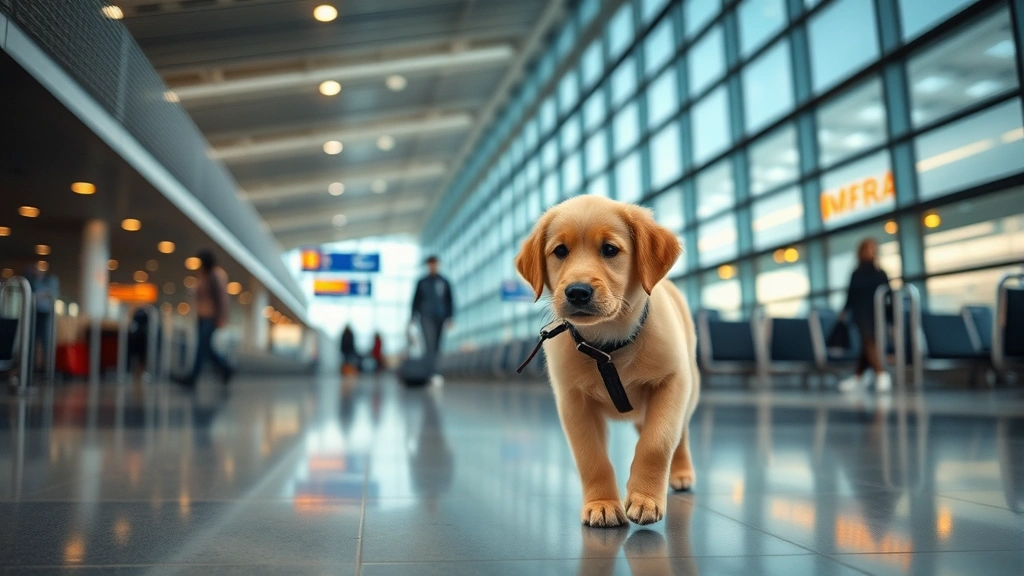
Pre-Flight Veterinary Requirements
Before booking your flight, schedule a comprehensive veterinary appointment with your golden retriever’s doctor. This visit is crucial for ensuring your puppy is physically ready for air travel. Your veterinarian will assess your dog’s overall health, check for any underlying conditions that might be exacerbated by flight stress, and provide documentation required by airlines.
Most airlines require a health certificate issued by a licensed veterinarian within 10 days of travel. This document confirms that your golden retriever is fit to fly and free from contagious diseases. Your vet will also advise you on whether your puppy’s age, weight, and health status make flying appropriate. Golden retrievers typically weigh between 55-75 pounds as adults, so understanding airline luggage size restrictions extends to understanding pet carrier requirements as well.
Discuss vaccination records with your veterinarian. Airlines often require proof of rabies vaccination and other standard immunizations. If you’re traveling internationally, additional health certificates and permits may be necessary. Ask your vet about motion sickness medication, anxiety relief options, and whether a calming supplement might benefit your puppy during the flight.
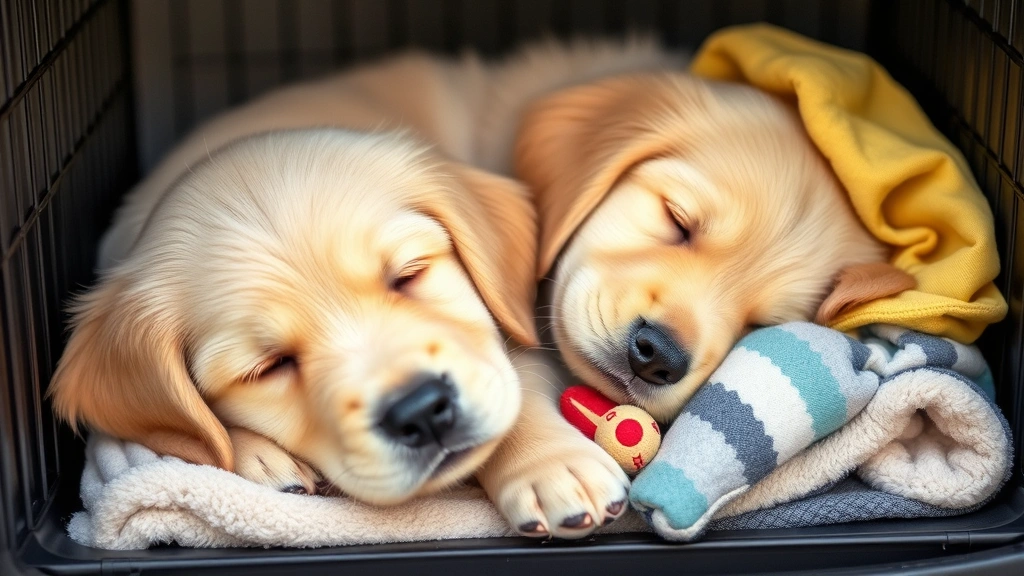
Choosing the Right Airline
Not all airlines have the same pet policies, so research carefully before booking. Some carriers offer in-cabin pet programs, while others require pets to travel in the cargo hold. For golden retrievers, in-cabin travel is preferable as it keeps your puppy close and reduces stress and temperature fluctuations.
Check out resources like the Federal Aviation Administration for guidelines on pet air travel. Major airlines like United, American, and Delta have varying pet policies. United allows one pet per passenger in the cabin for a fee (typically $95-$125), while some budget carriers have more restrictive policies. When comparing best airlines for long flights, consider not just the airline’s reputation for service but also their pet-friendly amenities.
Contact the airline directly to confirm current pet policies, as regulations change frequently. Ask about temperature-controlled cargo holds if your puppy must travel below deck, and inquire about their experience with large breed dogs. Some airlines have restrictions on brachycephalic breeds due to respiratory concerns, but golden retrievers typically don’t face these limitations.
Consider booking direct flights when possible. Fewer connections mean less handling of your pet, reduced stress, and a shorter overall travel time. Flights to Vegas from Houston or flights from Denver to Las Vegas are examples of routes where you can often find direct options, making the journey easier for your golden retriever.
Preparing Your Golden Retriever for Air Travel
Preparation is key to a successful flight experience with your puppy. Begin acclimating your golden retriever to the carrier or travel crate at least 4-6 weeks before your flight. Leave the crate open in your home, place treats inside, and encourage your puppy to enter voluntarily. This positive association helps reduce anxiety when the crate becomes necessary for travel.
Practice short car rides to desensitize your puppy to vehicle motion. Golden retrievers that are comfortable in cars typically adapt better to flying. Gradually increase ride duration and introduce new environments to build confidence. If your puppy shows signs of motion sickness or severe anxiety, discuss medication options with your veterinarian.
Exercise is essential before flying. A well-exercised golden retriever is calmer and more likely to rest during the flight. Schedule vigorous play sessions or long walks the day before and morning of travel. However, avoid excessive activity immediately before boarding, as an overheated or exhausted puppy may experience additional stress.
Familiarize your golden retriever with airport-like environments. Visit busy public spaces, expose your puppy to different sounds and crowds, and practice walking through doorways and confined spaces. This socialization helps your puppy remain calm when navigating the airport terminal.
Check the CDC’s pet importation guidelines if traveling internationally or to specific states. Some destinations have quarantine requirements or specific health protocols for incoming pets.
Packing Essentials for Your Puppy
Create a comprehensive packing list to ensure you have everything your golden retriever needs during the journey. Essential items include:
- Collapsible water bowl and bottled water – Airport water quality varies, so bring familiar water to prevent digestive upset
- Portable food and treats – Pack your puppy’s regular food in sealed containers to maintain digestive consistency
- Leash and harness – Choose a sturdy, well-fitting option appropriate for your growing golden retriever
- ID tags and microchip information – Ensure your contact details are current on all identification
- Comfort items – Include a favorite toy, blanket with familiar scents, or chew toy
- First aid kit – Pack bandages, antiseptic, and any medications your puppy requires
- Travel documents – Health certificates, vaccination records, airline confirmations, and veterinary contact information
- Poop bags and cleaning supplies – Bring extra bags for airport relief areas
- Recent photos – In case your puppy becomes lost, having clear photos helps with identification
Consider the best times to book airline tickets to secure flights that work best for your puppy’s schedule. Early morning flights often mean less airport congestion, while afternoon flights allow time for morning exercise and bathroom breaks.
Pack items in an organized carry-on bag separate from your main luggage. This ensures easy access during layovers and quick bathroom breaks. Keep your puppy’s favorite toys and comfort items readily available to reduce anxiety during travel delays.
Day-of-Flight Tips
On the day of your flight, wake early and provide your golden retriever with a light breakfast and plenty of water. Avoid feeding a full meal immediately before flying, as motion sickness is more likely on a full stomach. Take your puppy out for bathroom breaks and vigorous exercise before heading to the airport.
Arrive at the airport with extra time to account for pet check-in procedures. Most airlines require pets to be checked in separately from luggage. Have all documentation ready, including health certificates and vaccination records. Keep your puppy calm and on a short leash throughout the terminal.
Use designated pet relief areas in the airport. Most major airports now have these facilities, often located near baggage claim or before security checkpoints. Take advantage of these areas to allow your golden retriever to eliminate before boarding.
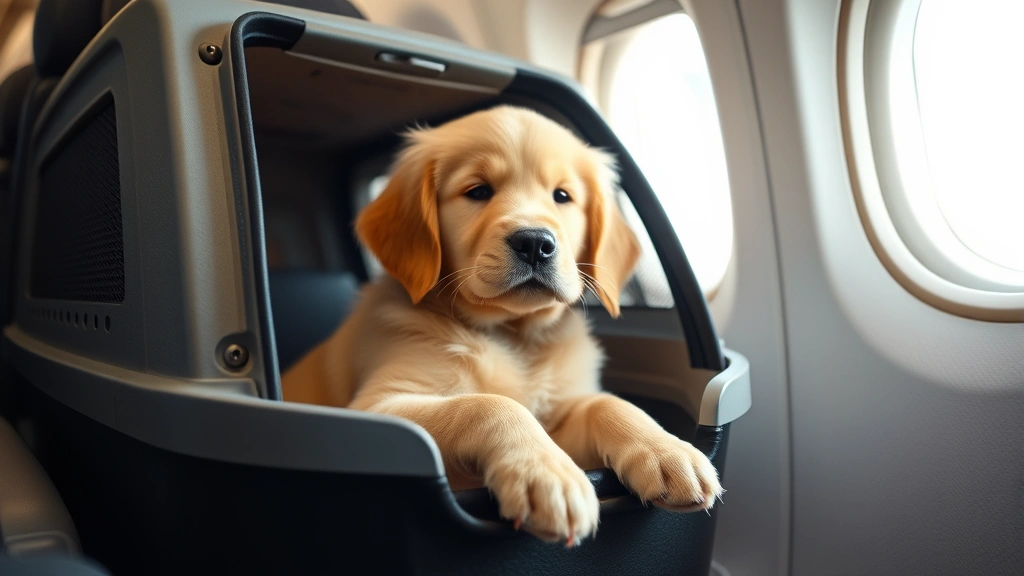
Before boarding, take your puppy outside one final time. Once on the aircraft, settle your puppy into the carrier with familiar comfort items. Keep the carrier partially open if airline regulations permit, allowing your puppy to peek out while remaining secure.
Speak to flight attendants about your golden retriever’s presence. They can provide information about bathroom access, offer water, and alert you to any turbulence ahead so you can prepare your puppy.
In-Flight Comfort Strategies
Keeping your golden retriever comfortable during the flight requires attention to several factors. Maintain a calm demeanor yourself, as puppies sense and mirror human anxiety. Speak softly to your puppy and offer gentle reassurance without excessive handling.
Offer water periodically during the flight. Dehydration is a concern during air travel, and golden retrievers need regular hydration. Use a collapsible bowl to provide small amounts of water, especially on longer flights. Avoid giving large quantities at once, which may cause bathroom emergencies.
Provide mental stimulation with puzzle toys or long-lasting chews. These activities keep your puppy occupied and reduce anxiety. Avoid toys that make excessive noise or may disturb other passengers. A durable rubber toy or bully stick can provide hours of engagement.
Monitor your puppy’s breathing and behavior throughout the flight. Golden retrievers can be susceptible to heat stress, so ensure adequate ventilation around the carrier. If your puppy shows signs of distress—excessive panting, drooling, or whining—alert flight attendants immediately.
For longer flights, discuss with your airline whether your golden retriever can take a brief bathroom break. Some airlines permit passengers to take pets outside the carrier during the flight if the aircraft is not in motion. This opportunity can be invaluable for your puppy’s comfort.
If your puppy becomes anxious, remain calm and provide reassuring touch. Excessive attention may reinforce anxious behavior, so balance comfort with allowing your puppy to self-soothe. The American Animal Hospital Association provides guidance on pet anxiety management during travel.
Post-Flight Care
After landing, prioritize your golden retriever’s comfort and recovery. Immediately take your puppy outside for a bathroom break and gentle exercise. Your puppy may be stiff, anxious, or disoriented after the flight, so allow time to readjust to solid ground.
Offer fresh water and a small meal once your puppy has settled. Avoid large amounts of food immediately after flying, as your puppy’s digestive system may be sensitive. Monitor for signs of motion sickness or digestive upset over the next 24 hours.
Watch for behavioral changes or signs of stress. Some golden retrievers may be quieter or more clingy after flying. This is normal and typically resolves within a few days. Maintain your puppy’s regular routine as much as possible to provide comfort and security.
Schedule a post-flight veterinary check-up if your puppy shows any signs of illness or distress. While most dogs recover quickly from air travel, a veterinary assessment provides peace of mind and addresses any concerns promptly.
Document your flight experience for future reference. Note what worked well, what caused stress, and any adjustments needed for future trips. This information helps you refine your approach and make subsequent flights even smoother for your golden retriever.
Visit the International Air Transport Association for comprehensive pet air travel standards and best practices used by airlines worldwide.
FAQ
Can golden retriever puppies fly on airplanes?
Yes, golden retriever puppies can fly, but age restrictions apply. Most airlines require puppies to be at least 16 weeks old and fully vaccinated before flying. Always confirm your airline’s specific age and health requirements before booking.
How much does it cost to fly with a golden retriever?
In-cabin pet fees typically range from $95-$125 per flight. Cargo travel may be more expensive, sometimes $300-$500 depending on weight and destination. Check with your airline for exact pricing based on your route and your puppy’s size.
Should I sedate my golden retriever for flying?
Sedation is generally not recommended unless specifically prescribed by your veterinarian. Airlines often prohibit sedated pets due to safety concerns. Instead, focus on proper preparation, exercise, and anxiety-reduction techniques to keep your puppy calm naturally.
What if my golden retriever gets sick during the flight?
Notify flight attendants immediately if your puppy shows signs of illness. Keep cleaning supplies handy for accidents. After landing, contact a veterinary clinic at your destination if symptoms persist. Have your veterinarian’s emergency contact information available.
Can I take my golden retriever out of the carrier during the flight?
This depends on your airline’s policies. Some airlines permit brief bathroom breaks if the aircraft is not in motion. Always ask flight attendants before removing your puppy from the carrier, and keep your dog on a leash at all times.
How do I help my golden retriever adjust after flying?
Maintain your puppy’s regular routine, provide plenty of exercise and attention, and monitor for behavioral changes. Most puppies adjust within a few days. If anxiety persists beyond a week, consult your veterinarian about additional support strategies.
What vaccinations does my golden retriever need to fly?
Most airlines require current rabies vaccination and proof of other standard immunizations. International travel may require additional vaccines like bordetella. Consult your veterinarian about your specific travel destination’s requirements.
Is it safer to fly with a golden retriever in the cabin or cargo?
In-cabin travel is generally safer and less stressful for your puppy. You maintain direct supervision, monitor your dog’s comfort, and keep your puppy close. Cargo holds are temperature-controlled on most modern aircraft, but in-cabin travel remains the preferred option for pet safety and peace of mind.