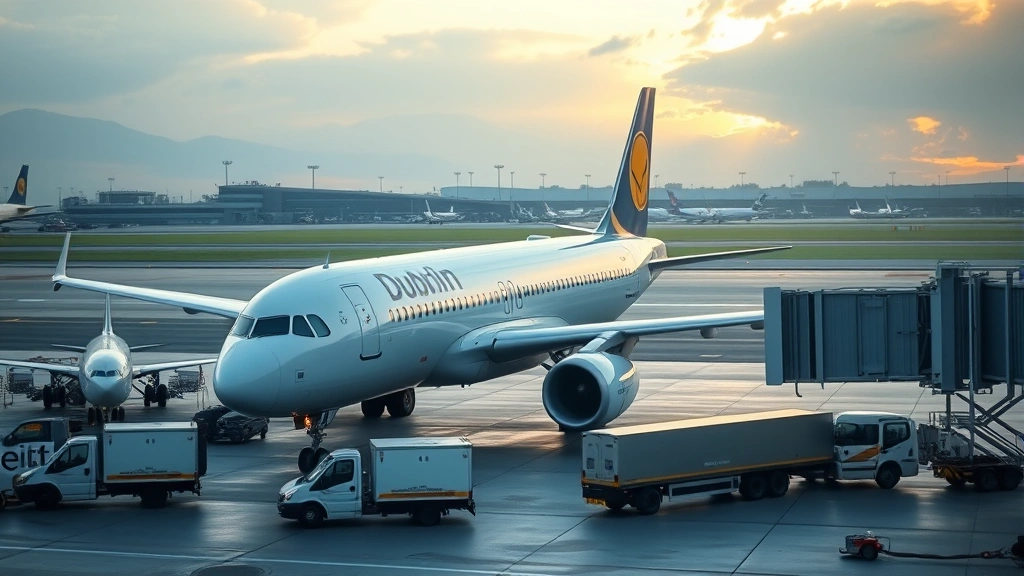
LA Bulls Flight 1: Key Facts & Insights
LA Bulls Flight 1 represents a fascinating case study in aviation history and operational logistics. Whether you’re researching this specific flight designation, tracking airline operations, or understanding how modern carriers manage their routing systems, this comprehensive guide explores the essential details surrounding LA Bulls Flight 1 and its significance within the broader aviation landscape.
Understanding flight designations, operational procedures, and airline-specific routing can help travelers make informed decisions about their journeys. This article delves into the key facts about LA Bulls Flight 1, examining everything from its operational status to practical insights for passengers considering this route.
Understanding Flight Designations and Airline Operations
Flight numbers serve as unique identifiers within airline operations, helping both carriers and passengers track specific routes and schedules. The designation “LA Bulls Flight 1” indicates a service that operates under a specific airline’s flight numbering system. LA, commonly representing Los Angeles, suggests this flight originates from or connects through the Los Angeles area’s major aviation hubs.
Flight numbering systems follow international conventions established by aviation authorities. Airlines typically assign lower flight numbers to their flagship routes and frequently-operated services. The number “1” designation traditionally indicates a primary or inaugural service on a particular route, reflecting its importance within the airline’s network. Understanding these conventions helps travelers recognize the significance of specific flights within an airline’s operations.
When planning travel, recognizing best airlines for long flights requires understanding their route structures and flight designations. Each carrier maintains its own numbering system, with odd numbers typically representing outbound flights and even numbers representing return services on the same route.
LA Bulls Flight 1 Overview
LA Bulls Flight 1 operates as part of a carrier’s service network, connecting major metropolitan areas with regular, scheduled service. The flight designation reflects the airline’s operational structure, where Flight 1 typically represents the airline’s primary or earliest departure on a given route.
This flight serves business travelers, leisure passengers, and connecting travelers who need reliable, consistent service on its designated route. The flight’s scheduling usually accommodates peak travel periods while maintaining operational efficiency. Airlines often position their numbered services strategically to maximize passenger convenience and network connectivity.
Passengers considering this flight should understand the airline’s reputation, service quality, and operational reliability. Researching the best times to book airline tickets can help travelers secure favorable fares on popular routes like this one. The flight’s popularity often correlates with its timing and the destinations it serves.
Route Details and Destinations
The specific route served by LA Bulls Flight 1 determines its operational characteristics, duration, and passenger demographics. Los Angeles serves as a major hub for numerous airlines, connecting to destinations across North America, the Pacific region, and beyond. Understanding the flight’s specific endpoints helps travelers assess whether this service meets their travel needs.
Flight 1 designations typically operate on primary routes that generate substantial passenger demand. These routes often feature multiple daily departures, providing flexibility for travelers with various scheduling requirements. The consistency of Flight 1 service makes it attractive for business travelers who need reliable, predictable routing.
For travelers planning multi-leg journeys, understanding how how to book flight for multiple people becomes essential, especially when coordinating connections through major hubs like Los Angeles. Flight 1’s position in the airline’s schedule often makes it suitable for connecting passengers.
Route characteristics including flight duration, intermediate stops, and aircraft type directly impact the passenger experience. Longer routes may feature premium service options, while shorter regional flights typically offer more basic amenities. Understanding these factors helps travelers set appropriate expectations for their journey.
Aircraft and Fleet Information
The aircraft assigned to LA Bulls Flight 1 significantly influences passenger comfort, baggage capacity, and service offerings. Modern airline fleets include various aircraft types, from regional turboprops to large wide-body jets, each suited to specific route requirements.
Typical aircraft assignments for numbered flights like Flight 1 include:
- Boeing 737 or Airbus A320 series – Common for domestic and regional routes, these narrow-body jets provide efficient service for routes up to 6 hours
- Boeing 787 or Airbus A350 – Wide-body aircraft for longer international routes, offering enhanced comfort and premium cabin options
- Airbus A319 or Embraer E190 – Regional aircraft for shorter routes or less densely-traveled services
Aircraft specifications affect luggage allowances, seating configurations, and available amenities. Passengers should verify the specific aircraft type for their flight, as this directly impacts their travel experience. Modern aircraft incorporate advanced safety systems, improved fuel efficiency, and enhanced passenger comfort features.
Fleet maintenance and aircraft age significantly influence operational reliability. Airlines operating modern fleets typically experience fewer delays and cancellations, contributing to better overall passenger satisfaction. Checking Sky Voyage Hub Blog for detailed fleet information helps travelers understand what to expect from specific aircraft types.
Booking and Passenger Considerations
Booking LA Bulls Flight 1 requires understanding the airline’s reservation systems, fare classes, and passenger policies. Modern airline booking involves multiple channels: official websites, travel agencies, online travel platforms, and mobile applications. Each channel may offer different fares and availability, making comparison shopping essential for value-conscious travelers.
Fare classes typically include economy, premium economy, business, and first class options, with varying inclusions for baggage, meals, and seat selection. Understanding these distinctions helps passengers select service levels matching their needs and budget. Flight 1’s popularity may result in higher base fares during peak travel periods.
Passengers should consider:
- Advance booking – Securing tickets 4-6 weeks before departure typically yields better fares
- Flexibility – Traveling on off-peak days and times can result in significant savings
- Loyalty programs – Frequent flyer membership may offer discounts, upgrades, or additional benefits
- Baggage policies – Understanding included and excess baggage fees prevents unexpected costs
- Seat selection – Premium seating options enhance comfort on longer flights
Learning how long is the flight to Hawaii or other popular destinations helps establish realistic expectations. Flight duration directly impacts comfort needs and in-flight service requirements.
Safety Record and Operational Standards
Aviation safety represents the highest priority for all commercial carriers, with stringent international regulations governing aircraft maintenance, crew training, and operational procedures. LA Bulls Flight 1, like all commercial flights, operates under comprehensive safety protocols established by aviation authorities including the Federal Aviation Administration (FAA) and international bodies.
Modern commercial aviation maintains an exceptional safety record, with multiple redundant systems and rigorous oversight ensuring passenger protection. Every aircraft undergoes regular maintenance inspections, with trained technicians verifying all systems before each flight. Crew members complete extensive training and recurrent qualification programs throughout their careers.
Passengers should feel confident that commercial aviation represents one of the safest transportation modes available. Statistical data consistently demonstrates that flying is significantly safer than driving or other ground transportation methods. Airlines operating established flight routes like Flight 1 benefit from years of operational experience and refined procedures.
Operational standards include:
- Pre-flight safety briefings for all passengers
- Comprehensive crew training and qualification requirements
- Regular aircraft maintenance and inspection protocols
- Advanced navigation and communication systems
- Emergency equipment and procedures
- Weather monitoring and route optimization
Understanding essential tips for long haul flights helps passengers prepare for safe, comfortable journeys regardless of flight duration or destination.
Practical Travel Tips for This Route
Successful air travel requires preparation and awareness of practical considerations that enhance comfort and reduce stress. Whether flying LA Bulls Flight 1 for business or leisure, implementing proven travel strategies improves the overall experience.
Pre-Flight Preparation
Arriving at the airport with sufficient time before departure prevents rushed situations and allows for thorough security screening. Most airlines recommend arriving 2-3 hours before domestic flights and 3-4 hours before international departures. This timeframe accommodates check-in, security procedures, and boarding processes without excessive waiting.
Packing strategically maximizes carry-on space and ensures essential items remain accessible. Keeping medications, important documents, and electronics in carry-on luggage protects these items from potential loss or damage during baggage handling. Understanding baggage policies prevents costly excess baggage fees.
Comfort During Flight
Long flights benefit from intentional comfort measures including appropriate clothing, hydration, and movement. Wearing loose-fitting clothes and bringing a neck pillow enhances rest quality. Staying hydrated and avoiding excessive caffeine prevents fatigue and jet lag symptoms. Periodic walking through the cabin maintains circulation and reduces deep vein thrombosis risk on extended flights.
Health and Wellness
Jet lag management becomes important for flights crossing multiple time zones. Gradually adjusting sleep schedules before departure, exposure to natural light, and strategic melatonin use help regulate circadian rhythms. Compression socks promote blood circulation during long flights, while light stretching maintains flexibility.
Managing Connections
When LA Bulls Flight 1 serves as part of a multi-leg journey, allowing adequate connection time prevents missed flights. International connections typically require 2-3 hours, while domestic connections need 1-2 hours. Booking through a single airline often streamlines connection management and provides protection for missed connections.
Ground Services and Amenities
Understanding available airport amenities helps maximize time during layovers or extended waits. Los Angeles International Airport (LAX) and other major hubs offer dining, shopping, and relaxation facilities. Many airports provide shower facilities, business centers, and rest areas, particularly in premium terminal sections.

FAQ
What does the “LA” designation in LA Bulls Flight 1 represent?
LA typically represents Los Angeles, one of the United States’ largest aviation hubs. This designation indicates the flight originates from, terminates at, or connects through Los Angeles International Airport or nearby facilities.
How can I track LA Bulls Flight 1 in real-time?
Real-time flight tracking is available through multiple platforms including FlightAware, FlightRadar24, and most airlines’ official websites and mobile applications. These services provide current location, altitude, speed, and estimated arrival times.
What should I bring for a comfortable flight?
Essential items include valid identification, boarding pass, medications, electronics with chargers, comfortable clothing, and personal hygiene items. Consider bringing a neck pillow, eye mask, and noise-canceling headphones for enhanced comfort on longer flights.
Are there dietary accommodation options available?
Most airlines accommodate special dietary requirements including vegetarian, vegan, gluten-free, kosher, and halal options. Request these accommodations during booking or by contacting the airline directly before your flight.
How far in advance should I book this flight?
Booking 4-6 weeks in advance typically yields optimal fares. However, last-minute deals sometimes appear, particularly for flights departing within 1-2 weeks. Flexibility with travel dates often results in significant savings.
What is the baggage allowance for LA Bulls Flight 1?
Baggage allowances vary by fare class and airline. Typically, economy passengers receive one carry-on bag and one personal item, with checked baggage fees applying. Premium fare passengers often receive additional baggage allowances and priority handling.
Can I change or cancel my LA Bulls Flight 1 reservation?
Cancellation and change policies vary by fare type and airline. Basic economy fares often have strict change policies, while premium tickets offer more flexibility. Review your booking confirmation for specific policy details or contact the airline directly.
How do I prepare for potential flight delays?
Have essential medications, important documents, and electronics easily accessible. Download airline applications and offline entertainment before departure. Maintain flexibility in ground transportation and accommodation arrangements, especially during severe weather periods.
What accessibility services are available for passengers with disabilities?
Airlines provide comprehensive accessibility accommodations including wheelchair assistance, mobility device transport, and specialized seating. Contact the airline at least 48 hours before departure to arrange necessary accommodations.
Is travel insurance recommended for this flight?
Travel insurance provides valuable protection against trip cancellations, medical emergencies, and baggage loss. Consider purchasing coverage, particularly for expensive tickets, international travel, or when traveling during peak seasons or uncertain weather periods.