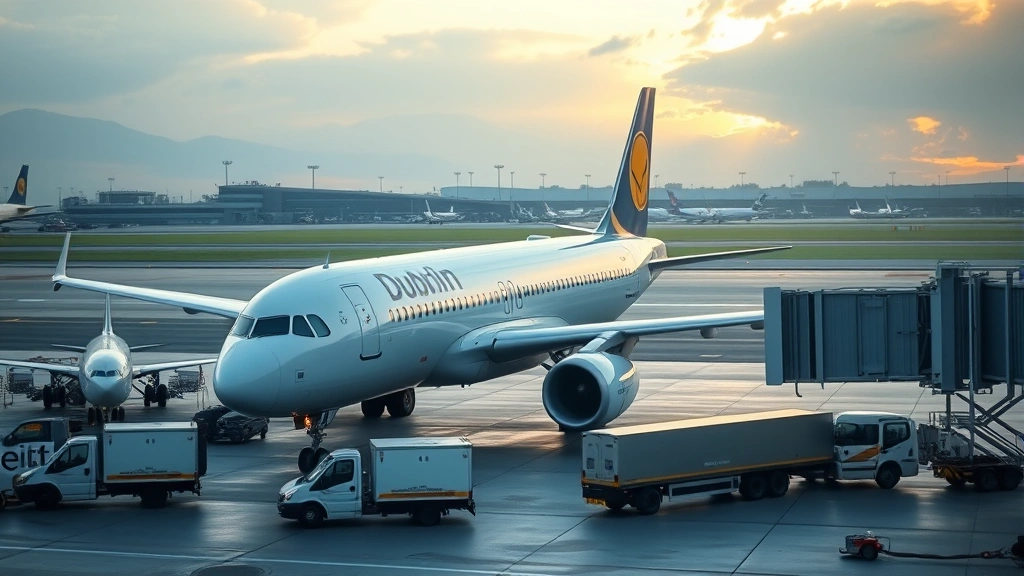
NYC to London Flight Time: Expert Insights for Transatlantic Travelers
Planning a transatlantic journey from New York City to London? Understanding flight duration is crucial for scheduling your trip, managing jet lag, and making informed travel decisions. The NYC to London flight time typically ranges from 7 to 8 hours for nonstop flights, making it one of the most popular long-haul routes in the world. However, actual flight times vary based on numerous factors including wind patterns, aircraft type, routing, and seasonal considerations.
This comprehensive guide explores everything you need to know about flying from New York to London, from realistic flight duration expectations to practical tips for maximizing your transatlantic experience. Whether you’re a frequent flyer or preparing for your first international journey, understanding the nuances of this route will help you plan more effectively and arrive refreshed.
Actual Flight Duration Breakdown
When you book a flight from New York City to London, you’ll encounter several time measurements that can seem confusing. The block time—the official scheduled duration from pushback at JFK, LaGuardia, or Newark to arrival at London Gatwick, Stansted, or Luton—typically ranges from 7 hours 20 minutes to 8 hours 15 minutes. The actual flight time (engines running to wheels down) is usually 10-15 minutes shorter, approximately 7 to 8 hours depending on conditions.
Westbound flights departing New York in the evening typically experience longer flight times than eastbound returns. This occurs because westbound aircraft fly against the jet stream, which can add 30-60 minutes to your journey. A typical evening departure from New York might arrive in London the following morning after 8+ hours aloft, while the return flight often takes 6.5-7.5 hours thanks to favorable tailwinds pushing you eastward.
Direct nonstop flights represent the fastest option available. Airlines like British Airways, American Airlines, United Airlines, and Virgin Atlantic operate multiple daily nonstop services on this route. If you’re considering connecting flights through European hubs, expect total journey times of 11-15 hours or more, which rarely makes sense given the competitive nonstop options available.
Factors Affecting Flight Time
Several variables significantly impact your actual NYC to London flight time. Understanding these factors helps you set realistic expectations and plan accordingly.
Jet Stream Positioning: The North Atlantic jet stream is the primary factor affecting transatlantic flight times. This river of fast-moving air typically flows from west to east across the Atlantic. Eastbound flights (London to NYC) ride this tailwind, reducing flight time by 30-60 minutes. Westbound flights (NYC to London) must fight against it, adding equivalent time to your journey. Seasonal variations in jet stream position mean winter flights often experience more dramatic differences than summer flights.
Weather Conditions: Severe weather, thunderstorms, and atmospheric disturbances can force aircraft to deviate from optimal flight paths. While modern routing systems minimize delays, significant weather systems occasionally add 15-30 minutes to flight times. Volcanic ash, rare but occasionally present in the North Atlantic, can also affect routing.
Aircraft Type: The Boeing 777, Airbus A350, and Boeing 787 Dreamliner represent the primary aircraft used on NYC-London routes. These modern jets cruise at similar speeds (around 490-500 knots true airspeed) but have different fuel efficiencies and altitude capabilities. The A350 and 787, being newer, sometimes operate slightly faster routing options due to superior fuel efficiency.
Departure Timing: Evening departures from New York are standard, typically leaving between 5-8 PM. These westbound flights arrive in London the following morning (8-9 AM local time). Morning departures are less common but occasionally available; these typically arrive in the evening UK time. Departure delays naturally extend total journey time, and air traffic congestion at busy airports can add 10-20 minutes to block times.
Routing and Waypoints: Air traffic control assigns specific flight paths based on current conditions and traffic. The standard North Atlantic Organized Track System (OTS) provides optimized routes that change twice daily. Aircraft follow these tracks to maximize efficiency, but occasional deviations for weather avoidance can extend flight times slightly.
Jet Lag and Recovery Strategies
Flying 7-8 hours eastward across five time zones creates significant jet lag challenges. Understanding this will help you prepare appropriately for your London arrival and subsequent activities.
When you depart New York in the evening (5-8 PM) and arrive in London the following morning (8-9 AM), your body experiences an abrupt shift from evening to morning while your internal clock remains on New York time. This eastbound travel is generally more disruptive than westbound flights because you’re “losing” sleep time rather than gaining it. Most travelers need 2-4 days to fully adjust to London time.
Pre-Flight Preparation: Begin adjusting your sleep schedule 2-3 days before departure. If flying eastbound to London, go to bed slightly earlier and wake earlier than usual. Stay hydrated throughout the flight and limit alcohol and caffeine, both of which worsen jet lag. Exposure to natural light at your destination accelerates circadian rhythm adjustment.
During Flight Strategies: Set your watch to London time immediately upon boarding. This psychological adjustment helps your brain begin adapting. Try to sleep during the flight’s nighttime hours (roughly 11 PM to 6 AM New York time). Using a neck pillow, eye mask, and earplugs improves sleep quality. Walk the cabin periodically to maintain circulation and reduce deep vein thrombosis risk on this long flight.
Post-Arrival Recovery: Get outdoor exposure to London daylight immediately upon arrival, even if you feel exhausted. Breakfast at your hotel should be light, with lunch being your main meal. Avoid napping until evening local time, even if tempted. Light exercise like walking helps reset your circadian rhythm faster than rest. Most travelers find they’re functional within 24-36 hours and fully adjusted within 3-4 days.
Airlines Operating This Route
Multiple carriers compete aggressively on the NYC-London route, offering various service levels and price points. Choosing the right airline significantly impacts your flight experience and comfort during this 7-8 hour journey.
Premium Carriers: British Airways operates the most frequent service with multiple daily flights from all three New York area airports. Their Club World business class is renowned for comfort on long-haul routes. Virgin Atlantic offers competitive pricing with strong service standards. Both carriers feature modern aircraft and excellent in-flight entertainment systems.
When selecting among best airlines for long flights, consider seat pitch (legroom), meal quality, entertainment options, and amenity kits. Premium economy options on many carriers provide excellent value for long-haul travel, offering more space than economy without business class pricing.
Full-Service Carriers: American Airlines, United Airlines, and Delta all operate NYC-London service. These carriers typically offer competitive pricing and frequent flyer benefits. Service quality and aircraft types vary, so checking specific flight details is important. United’s 787 Dreamliner offers superior cabin pressure and humidity on this route, potentially reducing jet lag symptoms.
Value Considerations: All major carriers offer similar flight times on this route since they’re constrained by wind patterns and air traffic control routing. The primary differences lie in service, seat comfort, and amenities. The best times to book airline tickets typically occur 2-3 months before departure for transatlantic routes, allowing you to secure better pricing while still having seat selection options.
Booking Tips for Long-Haul Flights
Securing the best value and experience for your NYC-London flight requires strategic planning and awareness of industry practices.
Timing Your Booking: Transatlantic flights follow predictable pricing patterns. Booking 60-90 days in advance typically yields the best fares. Last-minute bookings (within 2 weeks) are usually expensive unless you’re flexible about dates and times. Avoid booking during peak travel periods (summer holidays, Christmas, Easter) unless those dates are necessary.
Seat Selection Strategy: For a 7-8 hour flight, seat choice dramatically impacts comfort. Exit row seats offer extra legroom but restrict recline and storage. Bulkhead seats provide legroom without the exit row restrictions. Window seats allow leaning against the fuselage for sleep; middle seats are least desirable. Aisle seats provide easy bathroom and galley access. Consider your priorities: sleep, movement, or bathroom convenience.
Understanding airline carry-on baggage restrictions prevents surprises at the gate. Most transatlantic carriers allow one carry-on bag plus one personal item. Check your specific airline’s dimensions and weight limits before packing.
Connecting Flight Considerations: If you’re traveling beyond London to another UK or European destination, book through connections carefully. Minimum connection times in London should be at least 2 hours for domestic connections, 2.5-3 hours for international connections. Direct routing saves time compared to separate bookings, though may offer less flexibility.
Group Booking: If traveling with multiple people, how to book flight for multiple people requires coordinating seat selections and checking whether group discounts apply. Most airlines offer modest discounts for groups of 10+, but independent booking often yields better results for smaller groups.
Airport Procedures and Connections
Understanding airport procedures ensures smooth travel despite the long flight duration.
New York Departure: Arrive 3 hours before international departure (earlier during peak times). This allows time for check-in, security screening, and reaching your gate without stress. JFK typically handles more international flights; LaGuardia (LGA) and Newark (EWR) also serve this route. Security lines vary by time; early morning departures often have shorter waits.
London Arrival: After 7-8 hours aloft, you’ll arrive at London Gatwick (the primary international airport for this route), Stansted, or Luton. Gatwick is closest to central London with excellent ground transportation. Immigration and customs procedures typically take 30-45 minutes. Have your passport, return ticket, and accommodation details readily available.
Ground Transportation from London: The Gatwick Express train reaches central London (Victoria Station) in 30 minutes. The London Underground (Tube) offers cheaper but slower connections. Minicabs and black taxis are available but expensive for this distance. Pre-booking transportation reduces post-flight stress when jet-lagged.
Luggage Considerations: Most carriers allow one checked bag (23 kg/50 lbs) plus carry-on. Checked luggage on international flights typically arrives within 2-3 hours of landing. Budget time for baggage collection before arranging ground transportation.
Visit the London Gatwick official website for current terminal information, security procedures, and ground transportation details. The UK government travel guidance provides current entry requirements and health information.
For additional travel planning resources, explore the SkyVoyage Hub Blog for comprehensive travel insights and destination guides. If you’re planning a multi-city North American journey, our guide to NYC to Charlotte flights covers connecting flight strategies applicable to international routing as well.
FAQ
How long does it take to fly from NYC to London?
Nonstop flights from New York City to London typically take 7 to 8 hours. Westbound flights (NYC to London) are usually 30-60 minutes longer than eastbound flights due to prevailing jet streams. Block time (official scheduled duration) typically ranges from 7 hours 20 minutes to 8 hours 15 minutes depending on aircraft type, routing, and wind conditions.
Is there a time difference between NYC and London?
London is 5 hours ahead of New York during Eastern Standard Time (winter) and 5 hours ahead during Eastern Daylight Time (summer), as both regions observe daylight saving time on different dates. When you depart New York at 7 PM and arrive in London 8 hours later, it’s already 8 AM the following morning in London.
What airlines fly nonstop from NYC to London?
British Airways, American Airlines, United Airlines, Virgin Atlantic, and Delta all operate nonstop service from New York area airports to London. British Airways offers the most frequent service with multiple daily flights. All major carriers use modern wide-body aircraft suitable for this long-haul route.
Can flight time vary significantly between different airlines?
Flight times between different airlines on the same route are remarkably similar, typically varying by only 5-10 minutes. Air traffic control routing, wind patterns, and jet stream position affect all aircraft equally. Differences in block time usually reflect scheduled padding rather than actual aircraft performance differences.
What’s the best way to handle jet lag on this flight?
Adjust your sleep schedule 2-3 days before departure, stay hydrated during flight, limit alcohol and caffeine, and try to sleep during the flight’s nighttime hours. Upon arrival in London, get immediate exposure to daylight and maintain London meal times. Most travelers adjust within 2-4 days using these strategies.
Should I book a connecting flight or nonstop to save money?
Nonstop flights are almost always preferable for this route. Connecting flights add 4-8 hours to total journey time while rarely offering significant cost savings. The convenience and reduced fatigue of nonstop travel justifies the typically minimal price difference.
What’s included in the fare for NYC to London flights?
Most fares include checked baggage, meals, and beverages. Seat selection may incur additional fees. Premium economy and business class offer enhanced meals, better seating, and priority services. Check your airline’s specific terms before booking.