Pigeons on Delta Flights? Expert Insight into Wildlife on Commercial Aircraft
The question of whether pigeons can end up on Delta flights might sound absurd at first, but it touches on a genuine concern for aviation authorities and airlines worldwide. While pigeons aboard commercial aircraft during flight are extraordinarily rare, the mechanisms that could theoretically allow this, combined with real-world incidents at airports, make this topic worth exploring. This comprehensive guide examines the reality of wildlife on commercial flights, Delta’s safety protocols, and what travelers should know about animal incidents in aviation.
Understanding how airlines prevent unwanted animals from boarding, and what happens when they somehow make it onboard, reveals the sophisticated systems modern aviation employs. From ground crew procedures to pest control measures, travel industry experts continuously monitor these operational challenges to ensure passenger safety and comfort.
Wildlife and Aviation: A Historical Perspective
The relationship between wildlife and aviation has been contentious since the early days of commercial flight. The most famous incident—the “Miracle on the Hudson” in 2009—occurred when a flock of Canada geese struck US Airways Flight 1549, forcing an emergency landing in New York’s Hudson River. This dramatic event highlighted how seriously aviation authorities take wildlife management, particularly around airports where birds concentrate.
Birds pose the greatest wildlife threat to aircraft, with over 200,000 wildlife strikes reported annually across U.S. airports alone. However, most strikes occur during takeoff and landing when aircraft operate at lower altitudes. The scenario of pigeons somehow boarding and remaining on a commercial flight during cruise represents an entirely different category of concern—one that combines airport security with aircraft maintenance procedures.
Delta Air Lines, as one of the best airlines for long flights, maintains rigorous standards across its entire operation. The airline’s commitment to safety extends beyond mechanical systems to environmental management, including preventing animals from accessing aircraft during ground operations.

Pigeons at Airports: The Real Risk
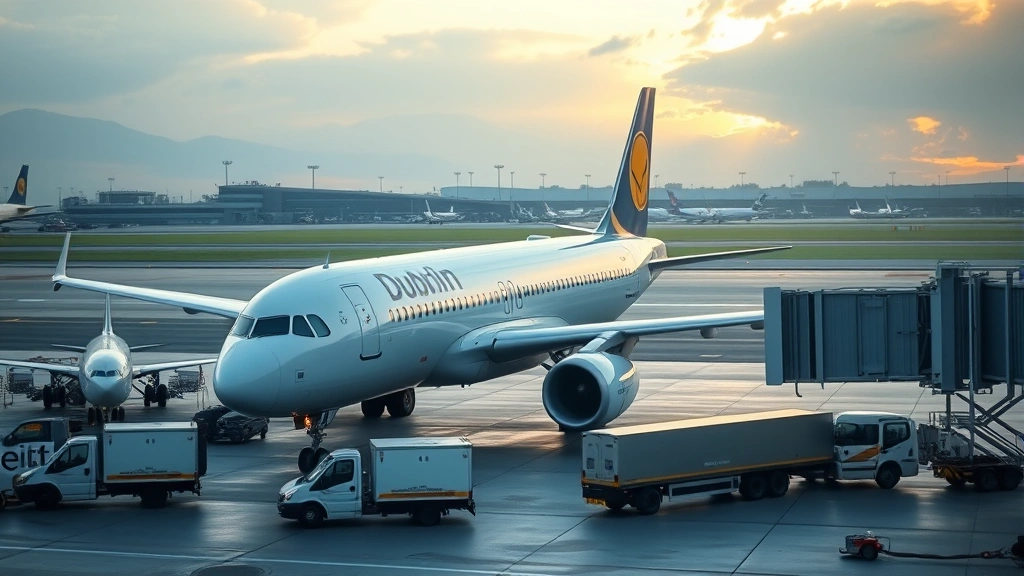
Pigeons are ubiquitous at airports worldwide. These adaptable birds thrive in urban environments and airport facilities, where food waste and shelter create ideal living conditions. At busy hubs like Hartsfield-Jackson Atlanta International Airport (Delta’s largest hub), pigeons congregate in terminal areas, maintenance facilities, and cargo zones. The challenge intensifies during ground operations when aircraft doors remain open for boarding and cargo loading.
Unlike other birds that might strike aircraft in flight, pigeons present a different problem. Their tendency to roost in sheltered areas means they occasionally enter airport buildings and, theoretically, could board aircraft during busy ground operations. However, the probability remains extraordinarily low due to multiple layers of prevention.
Pigeons are relatively small, weighing only 300-500 grams, which means they wouldn’t significantly impact flight safety even if somehow aboard. Nevertheless, airlines treat any animal intrusion as a serious breach of operational protocol requiring investigation and corrective action. When travelers book Orlando to Miami flights or any other route, they expect aircraft to be thoroughly inspected and secure.
Delta’s Safety Protocols and Prevention Measures
Delta Air Lines implements comprehensive protocols designed to prevent any animals, including pigeons, from boarding aircraft. These procedures begin long before passengers arrive at the gate and continue throughout the boarding process.
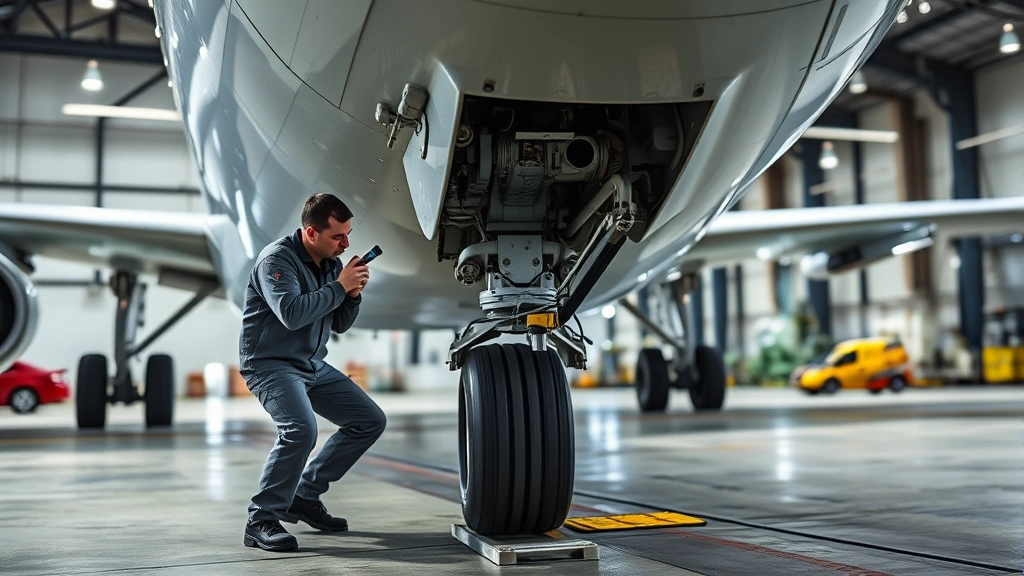
Pre-flight Inspections: Every Delta aircraft undergoes systematic inspection before passenger boarding. Ground crews examine the exterior, interior cabins, cargo holds, and overhead compartments. These inspections specifically look for signs of animal activity, nesting materials, or evidence of wildlife intrusion. Trained personnel know exactly where animals might hide and check these locations methodically.
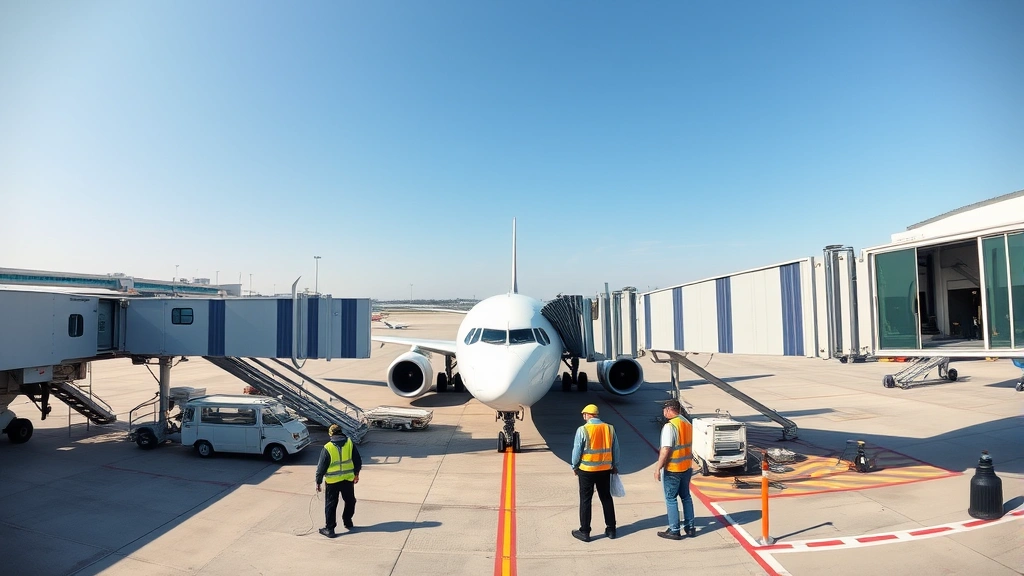
Gate Area Management: Delta maintains strict protocols around jet bridges and gate areas. Ground staff monitor these zones during aircraft servicing and boarding to ensure no animals access the aircraft. During high-traffic periods, additional personnel may be deployed to supervise gate areas and prevent unauthorized entry of any kind.
Cargo and Baggage Procedures: Before baggage and cargo are loaded, they pass through screening areas. While primarily designed to detect contraband, these procedures also help identify if any animals have inadvertently entered luggage or cargo containers. Baggage handlers are trained to report any unusual activity or animal sightings immediately.
Aircraft Maintenance Facilities: Delta’s maintenance hangers employ pest control services and regular inspections to prevent animals from nesting in aircraft during servicing. Maintenance teams conduct thorough walkthroughs before aircraft return to service.
Documented Animal Incidents on Commercial Flights
While pigeons boarding Delta flights remain theoretical, actual incidents of animals on commercial aircraft do occur, though they’re exceptionally rare. Documented cases provide insight into how airlines respond when prevention measures somehow fail.
Snakes and Stowaways: The most common animals found aboard aircraft are snakes that have hidden in cargo or wheel wells. These incidents typically occur on flights arriving from tropical regions. Airlines have documented cases of small snakes discovered in cargo holds or passenger cabins, usually during flight or immediately after landing. Pilots are trained to handle such situations calmly, and aircraft are diverted if necessary.
Rodents: Rats and mice occasionally board aircraft, typically by hiding in cargo or catering supplies. These incidents trigger immediate pest control protocols and aircraft deep-cleaning. Airlines take rodent incidents seriously because of disease transmission risks and the potential for damage to aircraft systems.
Birds in Flight: Small birds have occasionally been discovered aboard aircraft, usually after boarding in warm climates where birds might enter open cargo doors. These incidents are handled by trained crew members, and aircraft are thoroughly inspected before returning to service.
In contrast to these documented cases, no verified incident of pigeons boarding and remaining on a commercial flight exists in aviation records. This speaks to the effectiveness of current prevention systems.
How Airlines Prevent Animals from Boarding
The prevention of animals boarding aircraft involves multiple overlapping systems that make unauthorized animal access extremely difficult. Understanding these procedures reveals why the scenario of pigeons on Delta flights remains virtually impossible.
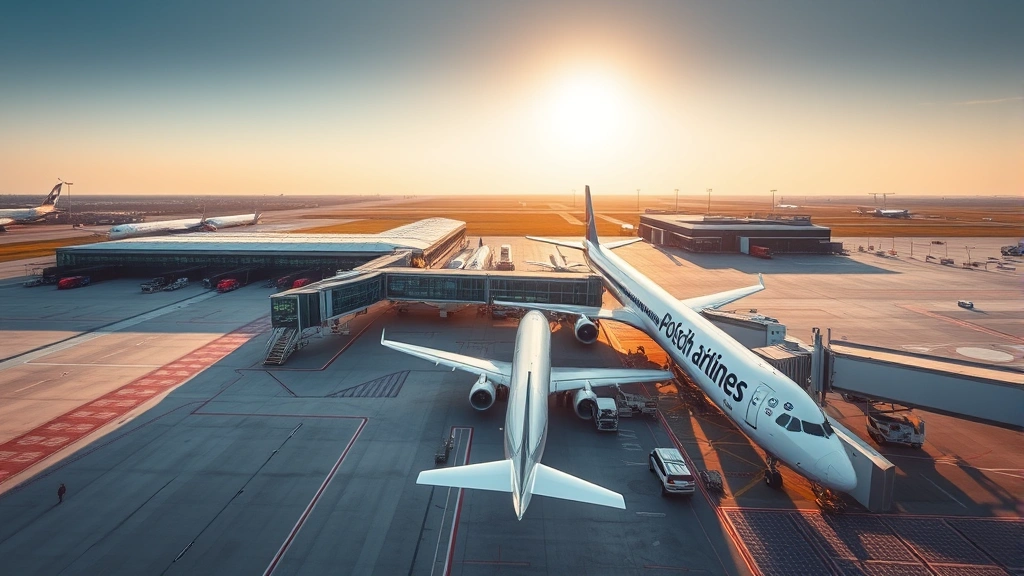
Jet Bridge Design and Monitoring: Modern jet bridges are enclosed structures that connect terminal buildings to aircraft doors. These bridges are monitored during boarding, and ground crews ensure no animals can access them. Any birds or animals spotted near gate areas are deterred using humane methods—typically loud noises or visual deterrents—before they can approach the jet bridge.
Galley and Lavatory Inspections: Flight attendants conduct thorough inspections of galleys, lavatories, and crew areas before passenger boarding. These confined spaces are where small animals might hide. Any signs of animal intrusion trigger immediate reporting and aircraft servicing delays.
Cargo Hold Procedures: Cargo handlers follow strict protocols when loading and unloading cargo. They visually inspect containers and cargo areas before and after loading. Sealed cargo containers reduce the risk of animals accessing the hold, and temperature-controlled cargo areas are less attractive to wildlife.
Catering and Supply Loading: Catering trucks and supply vehicles are inspected before boarding aircraft. Pest control measures at catering facilities prevent rodents and insects from contaminating food supplies that board aircraft. Many airlines use sealed catering containers that further reduce animal intrusion risks.
Wheel Well and Exterior Checks: Maintenance personnel inspect wheel wells, landing gear areas, and exterior surfaces for evidence of animals. These checks occur during regular maintenance and before aircraft return to service after extended ground time.
Airport Pest Management Systems
Airports employ sophisticated pest management programs that go far beyond simple traps and deterrents. These comprehensive systems address wildlife at the source—the airport environment itself—rather than waiting for animals to board aircraft.
Habitat Modification: Modern airports, particularly major Delta hubs, modify their environments to discourage birds and rodents. This includes removing standing water where birds drink and bathe, managing landscaping to eliminate food sources, and sealing building entry points. Airport grounds are maintained to minimize attractive habitats for pigeons and other wildlife.
Falconry Programs: Many major airports employ trained falconers who use birds of prey to deter pigeons and other birds. The presence of predators—even if rarely hunting—keeps pigeon populations from establishing permanent roosts. These programs have proven highly effective at reducing bird concentrations near active runways and taxiways.
Netting and Exclusion Devices: Cargo areas, maintenance hangars, and storage facilities employ netting and exclusion devices that prevent birds from entering. These systems are regularly inspected and maintained to ensure effectiveness. Pigeons cannot access areas where aircraft are stored or serviced.
Professional Pest Control Services: Airports contract with licensed pest control companies that monitor for rodent activity, implement trapping programs, and use humane deterrents. Regular inspections identify animal activity before populations become established.
Coordination with FAA: Airport pest management programs work in coordination with the Federal Aviation Administration (FAA) and follow national wildlife management standards. The FAA provides guidelines for wildlife hazard management, and airports are required to maintain documented programs addressing wildlife threats.
How Airlines Prevent Animals from Boarding
Beyond airport-level prevention, individual airlines like Delta implement aircraft-specific procedures that create additional barriers to animal intrusion.
Ground Crew Training: All Delta ground personnel receive training on animal awareness and reporting procedures. Gate agents, baggage handlers, and maintenance staff understand what to do if they spot animals near aircraft. This trained workforce provides constant vigilance during ground operations.
Pre-boarding Announcements: Flight attendants make announcements instructing passengers not to bring animals aboard except certified service animals in approved carriers. This clear communication sets expectations and helps crew members identify unauthorized animals quickly.
Service Animal Documentation: Delta requires proper documentation for service animals, and these animals travel in specific areas of the aircraft under strict protocols. This documentation system ensures that any animals aboard are authorized and properly managed.
Environmental Controls: Modern aircraft maintain pressurized cabins at specific temperatures and humidity levels. These environmental controls, designed for passenger comfort, are inhospitable to wild birds like pigeons. Pigeons require specific environmental conditions to survive, and aircraft cabins don’t provide them.
What Travelers Should Know
Passengers booking flights, whether NYC to Rome flights or domestic routes, should understand that animal incidents on commercial aircraft are extraordinarily rare. The aviation industry’s safety record regarding wildlife reflects decades of refined procedures and continuous improvement.
Reporting Procedures: If a passenger observes any animal aboard an aircraft, they should immediately notify flight attendants. Crew members are trained to handle such situations calmly and professionally. The aircraft will be thoroughly inspected, and if necessary, diverted to the nearest airport.
Ground Operations Transparency: When learning how to book flight for multiple people, travelers might wonder about safety procedures. Airlines are generally transparent about safety protocols, and passengers can request information about animal prevention procedures from customer service representatives.
Cargo and Baggage Handling: Passengers should ensure baggage is properly closed before checking. While this primarily prevents theft and damage, it also eliminates any possibility of animals accidentally entering luggage during ground handling.
Informed Travel Decisions: Understanding that the best times to book airline tickets include consideration of flight frequency and aircraft age, passengers can feel confident that modern aircraft undergo rigorous inspections and maintenance. Newer aircraft incorporate advanced environmental control systems and sealed cargo holds that further reduce any animal intrusion risk.
Delta’s commitment to operational excellence extends to environmental management and animal prevention. The airline’s reputation as a reliable carrier reflects comprehensive safety systems that address even unlikely scenarios like animal intrusion.
FAQ
Has a pigeon ever been found on a commercial flight?
No verified incident of a pigeon boarding and remaining on a commercial flight exists in aviation records. While other animals have occasionally been discovered aboard aircraft, pigeons specifically have not been documented as stowaways on commercial flights. The rarity reflects the effectiveness of airport and airline prevention procedures.
What happens if an animal is discovered on an aircraft during flight?
Flight crews are trained to handle animal discoveries calmly. Small animals pose minimal threat to flight safety. The crew will secure the animal if possible, document the incident, and report it to the airline and relevant aviation authorities. The aircraft may be diverted to the nearest airport if the situation warrants, though this is rarely necessary. Upon landing, the aircraft undergoes thorough inspection and pest control treatment before returning to service.
Do Delta flights have special procedures for animal prevention?
Yes, Delta implements comprehensive animal prevention procedures including pre-flight inspections, pest control programs at maintenance facilities, trained ground crew, and coordination with airport wildlife management. These procedures are part of Delta’s broader safety and operational excellence programs.
Are certified service animals treated differently regarding animal prevention?
Absolutely. Certified service animals are welcome aboard Delta flights with proper documentation. These animals are not considered intrusions or safety hazards. Service animal handlers must provide documentation, and animals travel in designated areas. This distinction ensures legitimate service animals can travel while preventing unauthorized animals from boarding.
What should I do if I see an animal near an airport gate?
Immediately notify airport or airline staff. Ground personnel are trained to handle such situations and will take appropriate action. Do not attempt to interact with or capture the animal yourself. Airport staff will use humane deterrents or contact wildlife control services if necessary.
How effective are airport wildlife management programs?
Airport wildlife management programs are highly effective. The combination of habitat modification, falconry programs, netting, professional pest control, and coordination with aviation authorities has dramatically reduced wildlife incidents over the past two decades. While bird strikes still occur during takeoff and landing, incidents of animals boarding aircraft remain vanishingly rare.
Can animals survive in aircraft cargo holds?
Aircraft cargo holds are pressurized and temperature-controlled, similar to passenger cabins. However, the environment is not ideal for most animals. Pigeons and other birds require specific conditions to survive, and cargo holds lack food and water sources. Additionally, the noise and vibration of flight are stressful for animals. These factors make prolonged survival unlikely, though it’s theoretically possible for hardy animals to survive short flights.
What regulatory bodies oversee animal prevention at airports?
The Federal Aviation Administration (FAA) provides guidelines and oversight for wildlife hazard management at U.S. airports. The FAA requires airports to maintain documented wildlife management programs. Additionally, the U.S. Department of Transportation sets standards for airport safety. International airports follow similar regulations established by their respective aviation authorities and ICAO (International Civil Aviation Organization) standards.
Are there international differences in animal prevention procedures?
Yes, different countries and regions have varying wildlife management approaches based on local animal populations and environmental conditions. However, all ICAO-compliant airports maintain wildlife hazard management programs. Delta and other international carriers follow local regulations at each airport while maintaining their own additional safety procedures.
What is the most common animal found aboard commercial aircraft?
Rodents are the most commonly discovered animals aboard aircraft, typically found in cargo areas or catering supplies. Snakes occasionally board aircraft from tropical regions, usually hidden in cargo or wheel wells. Birds other than pigeons have been documented, but incidents remain exceptionally rare. The low frequency of any animal incidents speaks to the effectiveness of prevention systems.