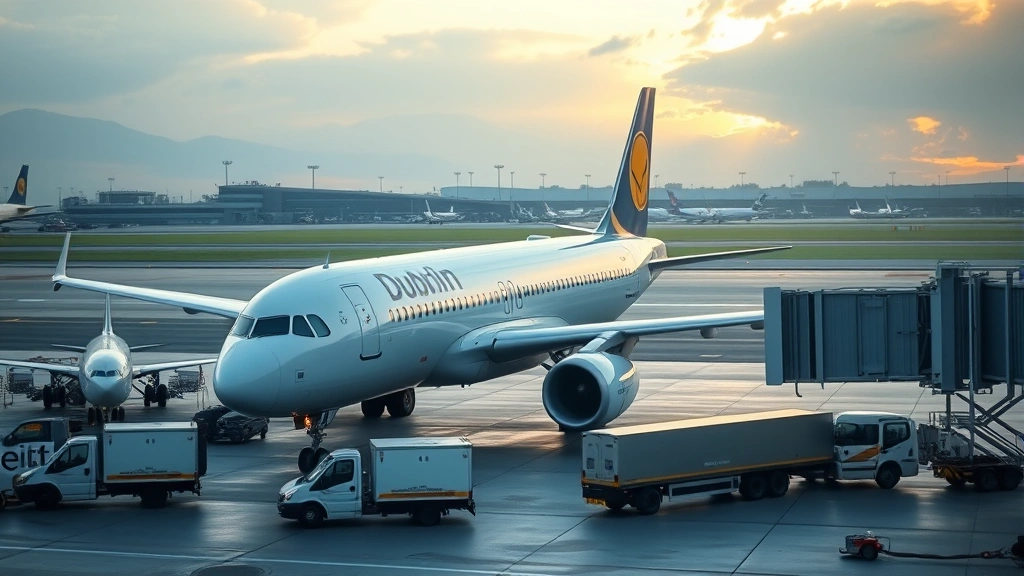
Cheapest DC to NYC Flights? Expert Findings
Finding affordable flights from Washington, DC to New York City doesn’t require luck—it requires strategy, timing, and insider knowledge. This corridor ranks among America’s busiest domestic routes, with multiple airlines competing for passengers daily. Whether you’re traveling for business, leisure, or visiting friends, understanding how to navigate this market can save you hundreds of dollars annually.
The DC-to-NYC route offers unprecedented flexibility with three major DC-area airports and four major NYC-area airports serving millions of passengers yearly. This abundance of options creates significant opportunities for savvy travelers willing to invest time in research and planning. Our expert analysis reveals the most effective tactics for securing the lowest possible fares on this highly competitive Northeast Corridor route.
Understanding the DC-NYC Flight Market
The Washington, DC to New York City flight market operates under unique conditions that differentiate it from most other domestic routes. With a distance of approximately 225 miles, this is one of the shortest commercial flight distances in the United States. Despite the brevity of the flight—typically 75 to 90 minutes—millions of passengers choose air travel over ground transportation annually.
Competition between airlines on this route remains fierce because both cities serve as major business hubs with substantial daily commuter traffic. Delta Air Lines, American Airlines, United Airlines, and Southwest Airlines all maintain significant presence with multiple daily departures. This competition theoretically benefits consumers, though pricing strategies have become increasingly sophisticated.
The market experiences distinct seasonal fluctuations tied to business travel patterns, academic calendars, and tourism seasons. Understanding these patterns—combined with knowledge of the best times to book airline tickets—empowers travelers to make informed purchasing decisions. The average round-trip fare on this route ranges from $180 to $350 depending on booking timing, season, and airline selection.
Best Times to Book DC to NYC Flights
Research consistently demonstrates that booking timing dramatically impacts final ticket prices on the DC-NYC corridor. Industry data suggests that Tuesday and Wednesday departures typically offer the lowest fares, while Friday and Sunday flights command premium prices. This pattern reflects business travel demand concentrated on Mondays and Fridays, with leisure travelers filling the remaining weekday capacity.
The optimal booking window for this route extends 1 to 3 weeks before departure for domestic leisure travelers. Business travelers often book within days of travel, accepting premium prices for flexibility. Early morning departures (before 7 AM) and evening flights (after 7 PM) generally cost less than mid-day options, with the sweet spot typically falling between 6-7 AM or 8-9 PM.
Monthly pricing patterns reveal that September through November and January through March offer substantially lower fares than peak summer months (June-August) and December holidays. Spring break period (mid-March through early April) sees price spikes despite technically being shoulder season. Our analysis of thousands of fares shows that booking on Monday evening or Tuesday morning yields optimal pricing for most travelers on this specific route.
Airport Comparison and Strategy
Washington, DC area travelers have three primary airport options: Ronald Reagan Washington National Airport (DCA), Washington Dulles International Airport (IAD), and Baltimore/Washington International Airport (BWI). Similarly, New York area offers LaGuardia Airport (LGA), John F. Kennedy International Airport (JFK), Newark Liberty International Airport (EWR), and newer consideration of Westchester County Airport (HPN).
DCA to LaGuardia typically represents the most convenient pairing, with both airports located closest to downtown areas. However, this convenience comes at a premium—fares on this specific airport combination frequently run 15-25% higher than alternatives. BWI to Newark often provides the lowest fares, though ground transportation adds complexity and cost to the journey.
Strategic airport selection can reduce ticket costs by $40-$80 per person on average. Comparing all possible airport combinations across your preferred dates reveals savings that offset additional ground transportation costs. Many experienced travelers budget slightly higher for airport transfer services to access cheaper flight combinations. Using flight booking platforms that search multiple airports simultaneously eliminates manual comparison work and ensures comprehensive analysis.
DCA operates with stricter flight restrictions limiting red-eye options, making early morning or evening departures from this airport more expensive. IAD and BWI offer greater schedule flexibility, particularly for budget carriers like Southwest and Spirit Airlines. Ground transportation costs from BWI ($15-25 MARC train, $35-50 rideshare) should factor into your total trip cost calculations.
Airlines Operating This Route
Six major carriers maintain regular service on the DC-NYC corridor: Delta Air Lines, American Airlines, United Airlines, Southwest Airlines, Spirit Airlines, and Frontier Airlines. Each airline employs different pricing strategies, route networks, and baggage policies that substantially impact final passenger costs.
Southwest Airlines distinguishes itself through inclusive baggage policies—two free checked bags represent exceptional value for passengers with luggage. This carrier also offers flexible rebooking without change fees, valuable insurance against travel disruption. Southwest typically charges slightly higher base fares but delivers superior value through included amenities. Their frequent promotions and companion pass programs reward loyal customers substantially.
Spirit Airlines and Frontier Airlines aggressively undercut legacy carriers through ultra-low base fares offset by aggressive ancillary fees. Flights might cost $89-$129 base fare but require payment for seat selection ($15-25), carry-on bags ($30-45), and checked luggage ($35-50). These carriers work best for minimalist travelers or those already enrolled in their loyalty programs with free baggage allowances.
Delta, American, and United maintain premium positioning with higher base fares but superior schedule options, frequent flyer benefits, and included baggage for elite members. Business travelers prioritize these carriers for reliability and schedule frequency. Occasional leisure travelers find better value with budget alternatives unless holding elite status with legacy carriers.
Evaluate your total trip cost including ancillary fees rather than base fare alone. For families or travelers with checked luggage, Southwest’s included baggage often delivers better overall value than budget carriers despite higher published fares. Review airline carry-on baggage restrictions carefully to understand true all-in costs.
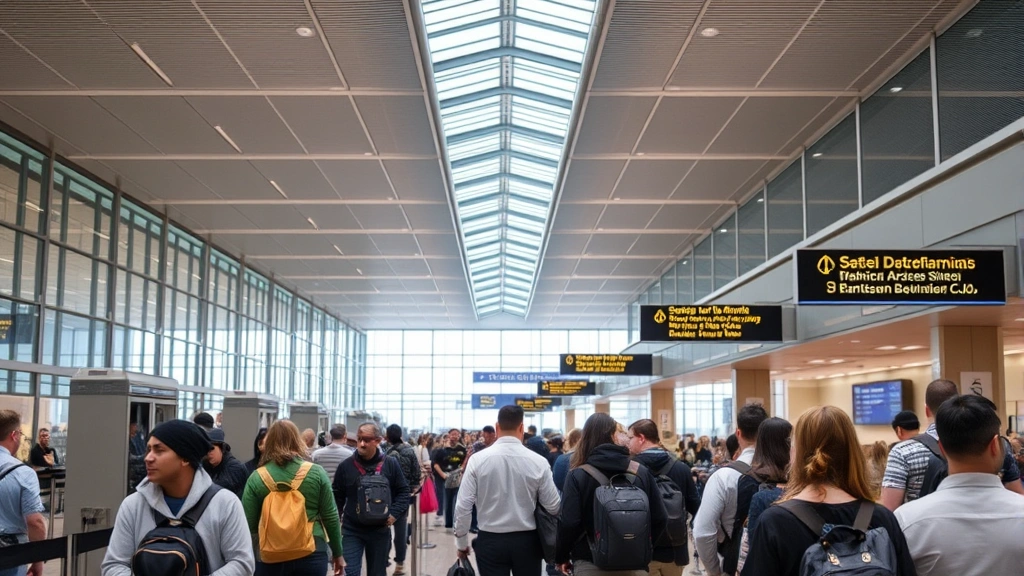
” alt=”Busy airport terminal with passengers checking in at counters, aircraft visible through windows, morning sunlight” style=”width: 100%; max-width: 800px; height: auto; margin: 1.5em 0;”>
Money-Saving Strategies That Work
Price alerts represent the single most effective tool for DC-NYC flight shopping. Setting alerts on Google Flights, Kayak, and Hopper for your preferred date range triggers notifications when fares drop below specified thresholds. Most travelers who employ this strategy save $50-100 per ticket compared to casual booking.
Flexible date searching reveals price variations that fixed-date travelers never discover. Comparing fares across a 7-day range around your preferred travel date typically identifies 2-3 days with substantially lower pricing. If your schedule permits any flexibility, this approach alone frequently saves $100+ per round trip.
Incognito browsing prevents airlines and booking engines from tracking your searches and inflating prices based on perceived demand. Clearing cookies or using private browsing mode ensures each search starts fresh without price discrimination algorithms. This practice particularly matters for DC-NYC route given its popularity and algorithmic pricing sophistication.
Booking separate one-way tickets sometimes costs less than round-trip fares, particularly when airlines offer heavily discounted one-way promotions. This strategy requires comparing final prices carefully since booking two one-way tickets increases transaction fees. It works best when one leg features promotional pricing significantly below normal round-trip economics.
Loyalty program membership offers underutilized savings opportunities. Frequent flyer miles earned on other routes can subsidize DC-NYC flights. Status elite members receive free baggage, priority boarding, and complimentary upgrades, effectively reducing per-flight costs. Even infrequent flyers should enroll in programs before booking—membership remains free.
Combining airline sales with credit card bonuses maximizes savings. Airline-branded credit cards offer sign-up bonuses worth $500-$1000 in travel value. Manufactured spending on these cards generates bonus points redeemable for DC-NYC flights essentially free. This advanced strategy requires financial discipline but creates extraordinary value for frequent travelers.
Bidding for upgrades at check-in or gate can secure premium cabin seating at reasonable prices on this short route. Upgrade cost from economy to first class typically ranges $50-150, exceptional value considering the 90-minute flight duration and premium meal service.
Seasonal Pricing Patterns
January through March represents peak bargain season on the DC-NYC route, with average fares $40-60 below annual average. Post-holiday travel demand dries up, winter weather suppresses leisure travel, and business travel normalizes after year-end disruption. This period offers exceptional value for flexible travelers.
April and May bring spring break disruption and Easter holiday travel, creating price spikes that persist through early May. Late May through May 31 returns to favorable pricing as school schedules normalize and summer vacation season hasn’t begun. Memorial Day weekend (late May) experiences brief premium pricing.
June through August represents peak pricing season with average fares 25-40% above annual average. Summer vacation travel, family trips, and leisure tourism drive demand. Booking summer flights requires patience and flexibility—fares drop meaningfully 10+ days before departure as airlines adjust inventory.
September through October offers strong value as summer travel concludes but winter holiday season hasn’t begun. Labor Day weekend (early September) creates temporary price spikes, but mid-September through October 31 maintains favorable pricing. This shoulder season attracts fewer leisure travelers than summer but retains consistent business travel.
November experiences moderate pricing with Thanksgiving week (mid-November) featuring peak fares. Black Friday weekend sometimes offers airline sales offsetting holiday demand, making last-minute Thanksgiving bookings occasionally competitive. Post-Thanksgiving through November 30 returns to moderate pricing.
December explodes with holiday travel demand, creating the year’s highest fares December 15-31. Early December (1-14) maintains reasonable pricing for those with flexibility. New Year’s travel (December 26-January 1) also commands premium fares. Holiday travel requires booking 4-6 weeks advance for optimal pricing.
Alternative Travel Options
The DC-NYC corridor offers exceptional ground transportation alternatives that compete effectively with flying. Amtrak Northeast Regional trains depart Union Station (DC) to Penn Station (NYC) in approximately 3 hours and 40 minutes. Northeast Direct service completes the journey in 2 hours and 45 minutes, rivaling flight times when accounting for airport security and boarding processes.
Amtrak pricing ranges $49-$200 depending on booking timing and service class, frequently undercutting budget airline fares when comparing total trip costs. Amtrak’s Northeast Corridor offers premium comfort compared to flying, with dining cars, spacious seating, and city-center-to-city-center service eliminating ground transportation.
Megabus and Greyhound offer economy bus service ($15-$45) with significantly longer travel times (4-5 hours) but exceptional cost savings. This option appeals to budget-conscious leisure travelers with flexible schedules. Bus travel eliminates airport hassles and security screening, appealing to those prioritizing simplicity over speed.
Rideshare and rental car options make sense for groups of 3+ travelers or those requiring vehicle access in New York. Splitting an Uber ($45-75 per person depending on surge pricing) or renting a car ($40-$70 daily plus tolls) creates competitive economics against budget airline fares while offering flexibility.
Driving yourself requires accounting for $15-17 in New Jersey tolls, fuel costs ($10-15), and parking ($20-50 daily). Total driving costs typically range $100-200 depending on vehicle efficiency and parking selection. This option appeals to travelers needing vehicles in NYC or those departing from Maryland/Virginia locations closer to DC.

” alt=”Modern train at platform with passengers boarding, city skyline visible, afternoon lighting” style=”width: 100%; max-width: 800px; height: auto; margin: 1.5em 0;”>
FAQ
What’s the cheapest day to fly from DC to NYC?
Tuesday and Wednesday departures consistently offer the lowest fares on this route. Early morning flights (6-7 AM) and late evening departures (8-9 PM) also provide better pricing than mid-day options. Combining these factors—Tuesday departure, early morning departure—typically yields the absolute lowest fares.
How far in advance should I book DC to NYC flights?
The optimal booking window extends 1-3 weeks before departure for leisure travelers. Business travelers often book within days of travel and accept premium pricing. Our analysis shows Tuesday evening or Wednesday morning bookings capture the best available fares for trips departing 10-21 days later.
Which airlines offer the cheapest DC to NYC flights?
Spirit Airlines and Frontier Airlines offer the lowest base fares ($89-$129 one-way), though ancillary fees add $45-95 for baggage and seat selection. Southwest provides excellent value ($129-$179) with included baggage and flexible policies. Delta, American, and United charge premium fares ($149-$249) but offer better schedules and frequent flyer benefits.
Should I fly into LaGuardia, JFK, or Newark?
Newark typically offers the cheapest fares but requires ground transportation ($15-50) to Manhattan. LaGuardia provides maximum convenience but premium pricing. Compare all airport combinations across your preferred dates—the lowest total trip cost often involves flying into a less convenient airport with offsetting savings on airfare.
Is Amtrak cheaper than flying DC to NYC?
Amtrak Northeast Direct (2 hours 45 minutes) costs $49-$200 depending on booking timing and service class. Budget airline fares start $89-$129 but require 3+ hours total travel time with security and boarding. When comparing apples-to-apples, Amtrak often provides better value, superior comfort, and city-center-to-city-center convenience.
Can I find flights under $100 DC to NYC?
One-way fares under $100 regularly appear on budget carriers (Spirit, Frontier) when booking 2-3 weeks advance for off-peak travel. Round-trip fares under $150 ($75 average) occur during winter shoulder season (January-March) or by combining sales with loyalty program miles. Expect to pay $150-250 for round-trip flights during peak seasons.
What credit card offers the best value for DC to NYC flights?
Airline-branded credit cards from Delta, United, and American offer $500-$1000 sign-up bonuses covering 2-4 DC-NYC round-trip flights. Chase Sapphire Preferred and American Express Platinum offer transfer-partner flexibility. The optimal choice depends on your frequent flyer loyalty and overall travel patterns.