Delta Flight Drama: Passenger Reports Collapsing Ceiling Mid-Flight
A shocking incident aboard a Delta Air Lines flight has left passengers and aviation safety experts questioning aircraft maintenance protocols and emergency procedures. According to reports, passengers on a domestic flight were forced to physically hold up a collapsing ceiling panel with their hands during flight, raising serious concerns about structural integrity and in-flight safety measures. This alarming event highlights critical issues within commercial aviation maintenance standards and what travelers need to know about their safety while flying.
The incident represents one of the more unusual and concerning situations reported in recent aviation news, sparking conversations about aircraft inspections, crew training, and passenger protection. As travelers continue to rely on commercial airlines for business and leisure travel, understanding what happened during this Delta flight and how it compares to broader safety protocols becomes essential for informed flying decisions.
What Happened on the Delta Flight
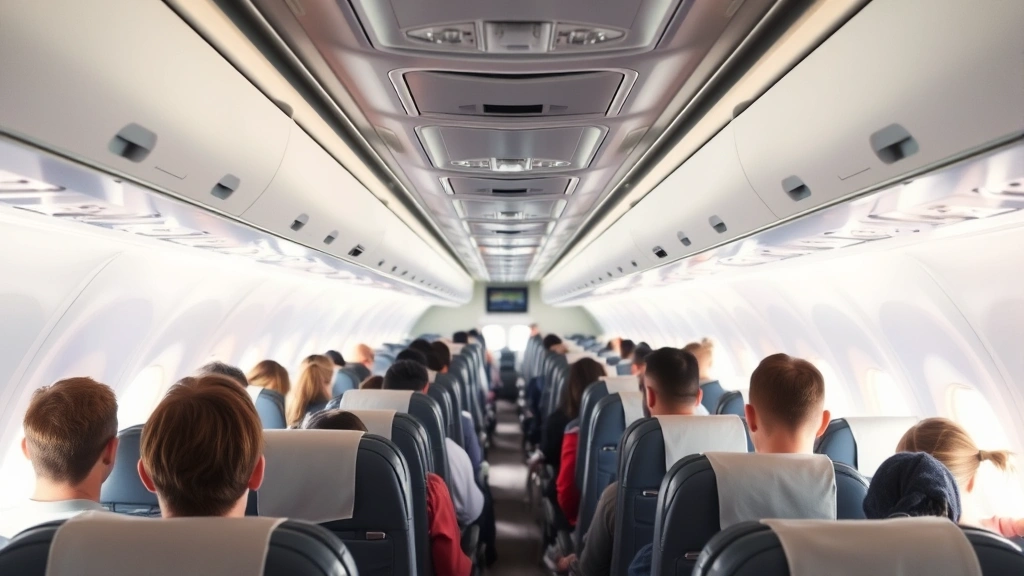
During what should have been a routine domestic flight, passengers aboard a Delta aircraft encountered a structural emergency that forced them to take matters into their own hands. Reports indicate that an overhead ceiling panel began collapsing during flight, and rather than waiting for crew assistance or allowing the panel to fall completely, passengers physically held the panel up with their hands to prevent it from falling onto other travelers.
The incident occurred at cruising altitude, making the situation particularly concerning since aircraft maintenance issues at 30,000 feet limit emergency response options significantly. Passengers who witnessed and participated in holding the ceiling panel described a moment of panic followed by quick thinking and collective action to ensure everyone’s safety. The flight ultimately continued to its destination, though the incident was documented and reported to aviation authorities.
This event raises questions about pre-flight inspection procedures and how structural issues can go undetected before aircraft departure. The overhead compartments and ceiling panels are typically inspected as part of regular maintenance checks, yet this particular panel apparently showed enough deterioration to collapse during normal flight operations. Understanding the timeline of this incident helps clarify what safety measures may have failed.
Safety Concerns and Aircraft Maintenance
The structural failure of an overhead ceiling panel during flight represents a significant safety concern that extends beyond the immediate incident. Aircraft undergo rigorous maintenance schedules mandated by the Federal Aviation Administration, including daily pre-flight inspections, regular maintenance checks, and comprehensive overhauls. When components like ceiling panels fail during operation, it suggests potential gaps in inspection protocols or maintenance documentation.
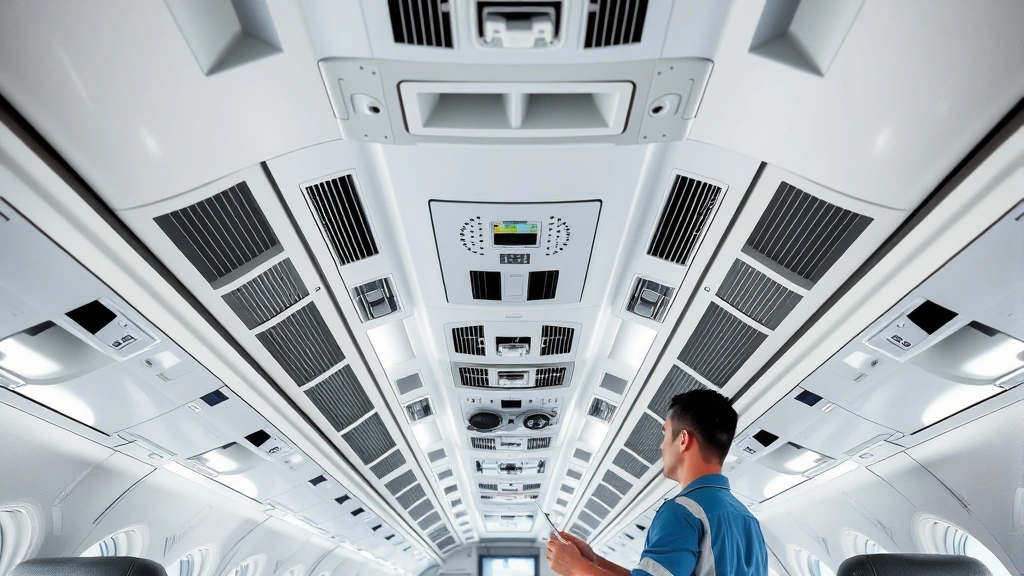
Overhead panels and interior cabin structures are essential to aircraft safety for multiple reasons. They house wiring, ventilation systems, and emergency equipment. A collapsing panel could potentially damage critical systems or injure passengers. The fact that passengers had to physically support the panel indicates that crew members may not have had immediate access to proper emergency equipment or procedures for this specific situation.
When reviewing aviation incident reports, structural failures are taken seriously because they indicate broader maintenance concerns. A single panel failure might suggest that other components on the same aircraft could be experiencing similar deterioration. This is why aviation authorities typically ground aircraft for thorough inspections following such incidents.
The incident also raises questions about cabin crew training. While flight attendants receive extensive safety training, they may not be specifically trained to handle structural failures like collapsing ceiling panels. The passenger response—working together to hold up the panel—demonstrates civilian problem-solving but also highlights potential gaps in emergency procedure training for cabin crew.
Passenger Experience During the Emergency
Passengers aboard the affected flight described a harrowing experience that tested both their composure and their willingness to help fellow travelers. The moment when the ceiling panel began to fail likely caused immediate concern, followed by a critical decision: allow the panel to fall or attempt to prevent it from dropping onto seated passengers below.
Several passengers made the choice to stand and physically support the failing panel using their hands and bodies. This collective action prevented potential injuries and kept the panel from blocking aisles or damaging equipment. However, this also meant that passengers had to remain standing, potentially for an extended period, supporting a structural component that should have been secure throughout the entire flight.
The psychological impact of such an incident cannot be understated. Passengers rely on the assumption that their aircraft is thoroughly inspected and safe for operation. Experiencing a structural failure during flight directly contradicts this fundamental trust. Many passengers on this flight likely experienced anxiety, fear, and a loss of confidence in the aircraft and airline.
Witness accounts from passengers provide crucial information for investigators. These firsthand descriptions of how the panel failed, what sounds or warnings preceded the failure, and how long the panel remained unstable all contribute to understanding the root cause. Passengers also reported their observations about crew response times and the effectiveness of emergency procedures implemented during the incident.
Delta Airlines Response and Investigation
Following the incident, Delta Air Lines initiated an investigation to determine how the structural failure occurred and what measures would prevent similar incidents. The airline’s response typically includes grounding the affected aircraft, conducting comprehensive inspections, and reviewing maintenance records to identify any missed warning signs.
Delta’s public response emphasized their commitment to passenger safety and stated that the airline takes all maintenance issues seriously. The airline likely cooperated with FAA investigators and provided detailed maintenance logs for the aircraft. Transparency in such situations is crucial for maintaining passenger confidence and demonstrating that the airline takes safety concerns seriously.
The investigation process involves multiple steps: identifying the specific cause of the panel failure, reviewing inspection records from the previous 12 months, examining similar panels on other Delta aircraft, and determining whether systemic issues exist across the fleet. If the problem is widespread, Delta would need to implement fleet-wide inspections or replacements.
For those interested in comparing this incident with other Delta operational issues, reviewing Delta flight turned back to Atlanta due to pressurization issues provides context on how the airline has handled previous in-flight emergencies. Each incident informs procedures and training for future operations.
FAA Regulatory Standards for Aircraft Maintenance
The Federal Aviation Administration establishes comprehensive maintenance standards that all commercial airlines must follow. These standards are detailed in the aircraft’s Maintenance Manual, which specifies inspection intervals, procedures, and replacement schedules for every component, including overhead panels.
Regular maintenance checks occur at different intervals: daily preflight inspections conducted before each flight, A-checks performed every few hundred flight hours, C-checks every 18-24 months, and D-checks every 6-10 years. Each level of inspection becomes increasingly comprehensive, with D-checks involving essentially a complete teardown and inspection of the aircraft.
The FAA also requires airlines to maintain detailed maintenance records for every aircraft, documenting all inspections, repairs, and component replacements. These records must be available for inspection by FAA personnel. If a structural component fails, investigators review these records to determine whether proper maintenance was performed and whether inspection intervals were followed.
In cases where structural failures occur, the FAA may issue Airworthiness Directives (ADs) requiring specific inspections or modifications across an entire aircraft type or fleet. These directives are legally binding and must be complied with within specified timeframes. If the ceiling panel failure indicates a systemic issue, the FAA would likely issue an AD affecting all similar aircraft.
Understanding FAA regulations helps passengers appreciate the extensive oversight governing commercial aviation. While this incident is concerning, the regulatory framework exists precisely to catch and correct such issues before they become widespread safety problems.
How Airlines Prevent Such Incidents
Modern airlines employ multiple strategies to prevent structural failures and other in-flight emergencies. These measures extend beyond basic maintenance to include advanced inspection technologies, predictive maintenance programs, and continuous crew training.
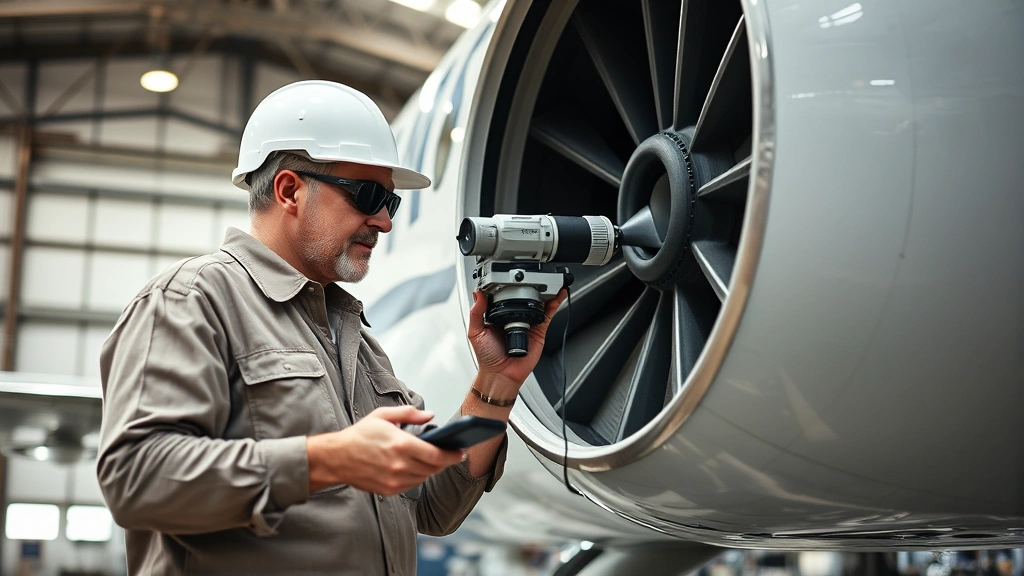
Advanced inspection technologies now include thermal imaging, ultrasonic testing, and borescope cameras that can identify structural degradation before components fail. Airlines increasingly use predictive maintenance software that analyzes data from thousands of flights to identify patterns suggesting component failure. This data-driven approach allows maintenance teams to replace components proactively rather than reactively.
Crew training programs include procedures for responding to various in-flight emergencies, though training for structural failures like collapsing ceiling panels may not be comprehensive. Following this incident, airlines will likely enhance training to address how crew members should respond when structural components fail during flight.
Quality assurance programs within maintenance departments include random inspections of completed work, peer reviews of maintenance procedures, and accountability systems for maintenance technicians. These programs ensure that maintenance standards remain consistent across all aircraft in the fleet.
Airlines also implement feedback systems where flight crews report any unusual observations during operations. These reports, combined with maintenance technician observations, help identify emerging issues before they become critical safety concerns. This collaborative approach to safety involves everyone from pilots and flight attendants to ground maintenance personnel.
Passenger Rights and Compensation
Passengers who experienced this in-flight emergency may be entitled to compensation or assistance from Delta Air Lines. Understanding passenger rights in emergency situations helps travelers know what to expect and what they can request from airlines.
Under Department of Transportation regulations, airlines must provide passengers with accurate information about delays, cancellations, and safety issues. If an aircraft must be diverted or delayed due to maintenance concerns, airlines must inform passengers and provide certain amenities depending on the duration of the delay.
Passengers who suffered physical injuries during the incident—such as muscle strain from holding the ceiling panel—may pursue compensation claims against Delta for medical expenses and pain and suffering. These claims typically fall under the airline’s liability insurance and require documentation of injuries and medical treatment.
Beyond compensation for injuries, passengers may request reimbursement for expenses incurred due to flight disruptions, such as hotel accommodations if the flight was delayed overnight, meal expenses, and ground transportation. Airlines often provide these expenses without requiring claims if passengers can document them.
For those considering their airline options after such incidents, exploring best airlines for long flights provides comparative information on safety records and service quality across carriers. Passenger experiences like this incident influence airline selection decisions for many travelers.
Passengers who wish to file formal complaints can contact the FAA’s Aviation Consumer Protection Division, which investigates complaints about airline safety and service. Documenting all details of the incident, including flight number, date, time, and specific observations, strengthens formal complaints.
FAQ
What exactly caused the ceiling panel to collapse?
The specific cause would be determined during the FAA investigation. Possible causes include material fatigue, improper installation during previous maintenance, corrosion from humidity exposure, or manufacturing defects. The investigation examines maintenance records and conducts laboratory analysis of the failed panel to identify the root cause.
Why didn’t the flight crew have equipment to handle this emergency?
While flight crews receive extensive safety training, specific procedures for structural failures like collapsing ceiling panels may not be comprehensively addressed in training programs. Emergency equipment aboard aircraft focuses primarily on fire, medical, and evacuation scenarios. This incident may prompt airlines to develop new procedures and equipment for structural emergencies.
Is it safe to fly Delta after this incident?
A single incident does not indicate systemic safety problems with an airline. Delta, like all major carriers, maintains rigorous maintenance standards and safety protocols. The FAA investigation will determine whether this was an isolated incident or indicative of broader maintenance issues. Passengers should monitor investigation results and any subsequent FAA directives.
What should passengers do if they experience a similar situation?
If structural components fail during flight, passengers should immediately alert flight attendants rather than attempting to repair or support components themselves. Flight attendants can assess the situation, communicate with pilots, and implement appropriate emergency procedures. Ensuring crew awareness allows for proper documentation and investigation of the incident.
How often do aircraft structural failures occur?
Structural failures during flight are extremely rare due to rigorous maintenance standards and inspection protocols. When they do occur, they are thoroughly investigated to prevent recurrence. The extensive regulatory oversight of commercial aviation makes structural failures far less common than the general traveling public might assume.
Can passengers request compensation for emotional distress?
Compensation for emotional distress is more difficult to claim than compensation for physical injuries. Passengers would need to demonstrate psychological harm requiring professional treatment. Consulting with an aviation attorney can help determine whether a specific case warrants pursuing emotional distress compensation.