
Table of Contents
Introduction
Have you ever found yourself stuck at the airport gate, suddenly informed that your carry-on bag is too large or too heavy? Or maybe you’ve faced the inconvenience of having to check your bag at the last minute, leading to unexpected fees and travel delays. If so, you’re not alone. Understanding airline carry-on baggage restrictions is crucial for avoiding these common travel headaches and ensuring your journey goes as smoothly as possible.
Traveling today involves navigating a complex web of rules and regulations, especially when it comes to what you can bring onboard the aircraft. Carry-on baggage restrictions vary among airlines and can differ based on whether you are flying domestically or internationally. The size and weight limits set by airlines are designed not only for safety but also to promote comfort and convenience for all passengers. Yet, these rules often confuse travelers, leading to unnecessary stress and extra charges.
According to recent travel surveys, up to 40% of travelers have experienced some form of carry-on baggage issue, from oversize luggage to banned items. These problems can cause significant delays at security checkpoints and boarding gates, disrupt travel plans, and add unexpected costs. Imagine rushing through an airport only to be pulled aside for bag inspection or forced to repack on the spot. These situations underscore the importance of being well-informed about the regulations before you even pack.
Moreover, carry-on baggage restrictions are not just arbitrary policies; they reflect essential safety standards enforced by airport security and the airlines themselves. Regulations regarding prohibited items—such as liquids over certain amounts, sharp objects, and hazardous materials—are in place to protect everyone on board. Being aware of these restrictions can save you from confiscation of items, delays, or even denied boarding.
What You’ll Learn in This Guide
In this comprehensive resource, we cover everything you need to know to master airline carry-on baggage rules and travel confidently. Here’s a breakdown of what you’ll gain from this guide:
- Standard Size and Weight Limits: Understand typical airline size and weight restrictions for carry-on bags, why these limits exist, and how they vary between international and domestic flights.
- Restricted and Prohibited Items: Learn which items are commonly banned or limited in carry-on luggage and how to pack electronics, batteries, medications, and baby supplies properly to comply with regulations.
- Measuring and Weighing Your Carry-On: Get step-by-step instructions on how to accurately measure and weigh your bag using the right tools to avoid surprises at the airport.
- Airline Policy Variations and Tips: Discover how carry-on policies differ among budget and full-service airlines, tips for checking the latest rules, and advice on handling restrictions smoothly.
As you continue reading this article, we will explore these topics in depth to equip you with actionable knowledge for hassle-free travel. Whether you are a frequent flyer or planning your very first trip, knowing the ins and outs of carry-on baggage restrictions will empower you to pack smart, avoid common pitfalls, and fly with ease.
We’ll examine standard size and weight guidelines and how they differ based on your flight type. We’ll also delve into the types of items that are off-limits, detailing special considerations for electronics, batteries, medications, and essential supplies for families. Following that, you’ll learn practical steps to measure and weigh your bag correctly, backed by packing tips that maximize space without exceeding restrictions.
Furthermore, understanding the subtle differences in carry-on policies across airlines can help you anticipate potential fees or changes to baggage allowances, especially when comparing budget carriers with full-service airlines. We’ll cover these variations and how to verify the latest regulations before your trip to avoid surprises at check-in.
By the end of this guide, you’ll be prepared to navigate airline carry-on baggage restrictions confidently. Your travel experience will benefit from reduced stress, fewer fees, and a smoother journey from airport arrival to destination. So, let’s dive in and make your next flight hassle-free from the very start.
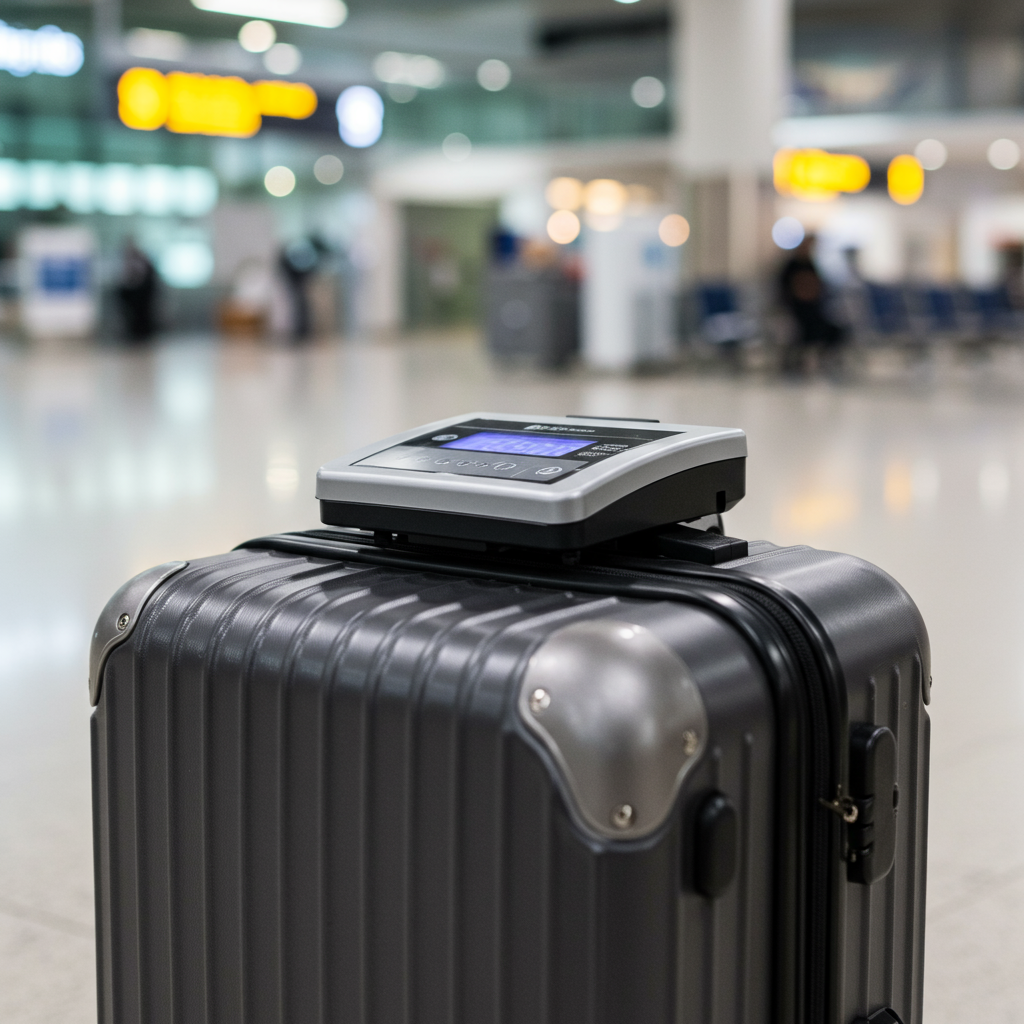
Understanding airline carry-on baggage restrictions is essential for every traveler aiming to have a hassle-free airport experience. These regulations ensure safety, convenience, and fairness in managing limited cabin space. Travelers who are well-informed about size, weight limits, and prohibited items tend to face fewer delays and additional fees. This discussion takes a deeper dive into the practical aspects of carry-on baggage restrictions, exploring the typical size and weight allowances, restricted items, and strategies for complying with various airline policies. By mastering these details, you can confidently prepare your carry-on and breeze through security checkpoints and boarding procedures.
Standard Size and Weight Limits for Carry-On Bags
One of the most critical aspects of carry-on baggage is abiding by airline size and weight restrictions, which vary depending on the airline, flight type, and even aircraft. Airlines impose these limits primarily to ensure safe and efficient storage in overhead bins and under seats, prevent cabin congestion, and adhere to aviation safety standards. Typically, for domestic flights, carry-on bags must fit within the dimensions of around 22 x 14 x 9 inches (56 x 36 x 23 cm), including handles and wheels. Weight limits for carry-ons can range between 15 and 22 pounds (7 to 10 kilograms), but certain international flights or airlines, especially budget carriers, may enforce stricter rules.
International flights often have size and weight limits that differ from domestic regulations due to varied aircraft configurations and multinational safety standards. Knowing these differences in advance can help avoid unpleasant surprises at the airport. Some airlines provide detailed baggage calculators on their websites or mobile apps to assist travelers in verifying their luggage compliance before arriving at the gate. To fully grasp this concept, it helps to understand airline ticket price trends first, as fees for overweight or oversized bags often relate to ticket pricing policies and fare types.
Key Aspects of Size and Weight Limits
When preparing your carry-on, keep these crucial points in mind to stay within limits and save stress and potential fees:
- Include handles and wheels in measurements: Airlines measure total dimensions including all protrusions like handles and wheels. Ignoring this can lead to unexpected rejections.
- Know your airline’s specific limits: Not all airlines enforce the same size or weight restrictions. Budget airlines often have tighter limits and may charge for carry-ons above certain thresholds.
- Consider flight type (domestic vs international): International flights frequently have different or more stringent baggage policies compared to domestic routes, especially for weight limitations.
- Use portable luggage scales and measuring tapes: Investing in these tools lets you verify compliance ahead of time and avoid costly airport surprises.
Restricted and Prohibited Items in Carry-On Luggage
Beyond size and weight, airlines and security agencies enforce strict rules on what you can and cannot bring in your carry-on baggage. These restrictions primarily aim to protect all passengers and crew from potential hazards and streamline the security screening process. Generally, items considered dangerous such as weapons, explosives, and certain chemicals are universally banned. Additionally, rules on liquids, gels, and aerosols limit amounts and container types to reduce risks during flight.
Special attention must also be given to electronics and batteries, which have unique packaging and transport requirements due to fire hazard potential. Medication and baby supplies, while generally allowed, often require clear labeling and declaration at security checkpoints to avoid delays. Understanding these nuances helps you pack smart and ensures a smoother security experience.
Important Considerations for Restricted Items
To comply efficiently with carry-on restrictions, consider these guidelines:
- Commonly prohibited items: Sharp objects like knives or scissors with blades over a certain length, flammable liquids, and explosives are not allowed. Checklists are available on most airline and TSA websites.
- Special rules for electronics and batteries: Carry electronics in a way that makes security screening straightforward, and ensure lithium batteries are protected against short circuits. Airlines often require devices to be carried onboard rather than in checked luggage.
- Traveling with medication and baby supplies: Essential medicines and baby-related items are usually exempt from some liquid restrictions but may need to be declared and inspected separately at security checkpoints.
- Stay updated with regulatory changes: Security regulations can evolve based on threat assessments, so always check current rules close to your departure date.
Conclusion
Understanding airline carry-on baggage restrictions is an essential part of preparing for any flight. Throughout this guide, we’ve explored the typical size and weight limits set by airlines, the nuanced differences between domestic and international rules, and the critical list of restricted and prohibited items you must know before packing. These regulations exist not just as arbitrary rules but as measures that ensure passenger safety, contribute to efficient boarding processes, and protect you from unexpected fees or delays. Being familiar with these guidelines empowers travelers to move confidently through security and boarding, avoiding common pitfalls that could otherwise disrupt your journey.
We also emphasized practical strategies for measuring and weighing your carry-on accurately, including using portable luggage scales and measuring tapes. This preparation helps you stay within your airline’s specified limits, which can vary significantly depending on your carrier and flight route. Smart packing techniques such as choosing the appropriate bag, organizing belongings efficiently with packing cubes, and understanding which items to check rather than carry on can further enhance your travel experience. Additionally, knowing how to handle sensitive items like electronics, lithium batteries, medication, and baby supplies ensures compliance with safety rules and smooth transit through security checkpoints.
Another crucial takeaway is that carry-on baggage policies differ widely among airlines, especially between budget carriers and full-service airlines. Staying informed by checking airline websites or apps before your trip can save you from surprises at the gate related to baggage allowances or extra fees. Likewise, understanding the consequences of exceeding limits—like unexpected charges or forced check-ins—and knowing when to contact your airline or airport security for clarification will enable you to manage any issues calmly and efficiently.
To navigate air travel smoothly, it is vital to combine rule awareness with proactive planning. When you know what to expect and how to prepare, you reduce stress and maximize convenience. So before your next flight, take a few moments to review your airline’s carry-on baggage restrictions, measure and weigh your bag carefully, and plan your packing smartly. These simple but crucial steps will help you sail through airport processes confidently and focus on the excitement of your journey rather than logistical worries.
Traveling should be an experience full of anticipation and enjoyment, not hassle and last-minute surprises. By mastering the nuances of airline carry-on baggage restrictions, you equip yourself to travel smarter and more efficiently. Remember, successful travel planning starts with understanding and respecting the rules — your key to a seamless, enjoyable adventure from start to finish.


