
Table of Contents
Introduction
Imagine this: you’ve planned a well-deserved vacation, only to discover that the plane tickets are shockingly expensive. How you time your booking could be the difference between splurging hundreds extra or saving a significant amount. Knowing the best times to book airline tickets can open doors to incredible savings and smarter travel choices, transforming your experience from stressful to savvy.
Travel has become an integral part of modern life, whether for leisure, business, or visiting loved ones. However, the cost of airline tickets can be a major deterrent, often fluctuating dramatically based on when and how you book. According to various travel studies, travelers who book at strategic times can save anywhere from 10% to even 50% on their airfare. These savings add up over time, enabling more frequent trips or extra spending on destinations and experiences. Understanding the patterns of airline pricing and booking behavior is crucial to capitalizing on these savings. With millions of flights daily worldwide, airlines use complex pricing algorithms influenced by demand, seat availability, seasonality, and competition.
The emotional impact of finding a great flight deal is immense. It not only enhances your travel budget but also alleviates the anxiety of planning. Conversely, last-minute bookings or poorly timed purchases often lead to hefty expenses and fewer options, causing frustration and diminishing the joy of travel. Many travelers feel overwhelmed by the unpredictability of prices, often regretting delayed bookings or impulsive decisions. This guide will help untangle these complexities and equip you with confidence and practical knowledge to navigate the airline ticket marketplace effectively.
Before diving into specifics, it’s important to understand the broader factors that impact ticket prices. These include demand trends around holidays and weekends, cost pressures like fuel prices and competition, as well as tactical considerations such as booking lead times and the time of day you make purchases. For an in-depth look at these factors, you might find it helpful to explore airline industry pricing dynamics on airline ticket price trends.
Ultimately, learning the best times to book airline tickets offers you more than just low prices—it provides peace of mind, better planning flexibility, and an optimized travel experience. In a fast-changing travel landscape, being informed is your strongest ally against unpredictable costs and limited availability.
What You’ll Learn in This Guide
In this comprehensive guide, we’ll walk you through everything you need to know about booking airline tickets at the best times. Here’s what we’ll cover:
- Understanding the Factors That Influence Airline Ticket Prices: Discover how airlines price tickets based on demand, seasonality, fuel costs, and timing. Understanding these influences lays the foundation for smart booking decisions.
- Identifying the Best Time to Book Your Flight: Learn specific booking windows for domestic, international, and holiday travel, plus how last-minute deals can be advantageous or risky depending on your flexibility.
- Mastering the Best Days to Book and Fly: Explore how booking mid-week and choosing the right flight days such as Tuesday or Wednesday can significantly reduce costs.
- Implementing Effective Money-Saving Strategies: Gain practical tips on setting price alerts, being flexible with travel dates and airports, exploring alternative routes, and capitalizing on airline sales and promotions.
As we move forward, you’ll gain valuable insights and actionable strategies to save money and fly smarter. Whether you’re a seasoned traveler or planning your first flight, this guide is crafted to empower you with knowledge and confidence.
The next sections will break down the various elements that shape airline ticket prices and the best tactics for timing your bookings. We’ll dive into how seasonal peaks influence costs, the impact of fuel and competition, and why booking too early or too late might hurt your wallet.
You’ll also discover the optimal booking windows tailored to different trip types and learn the best days of the week to both book and fly. These insights will enable you to plan your flights strategically, avoid common pitfalls, and seize the best deals available.
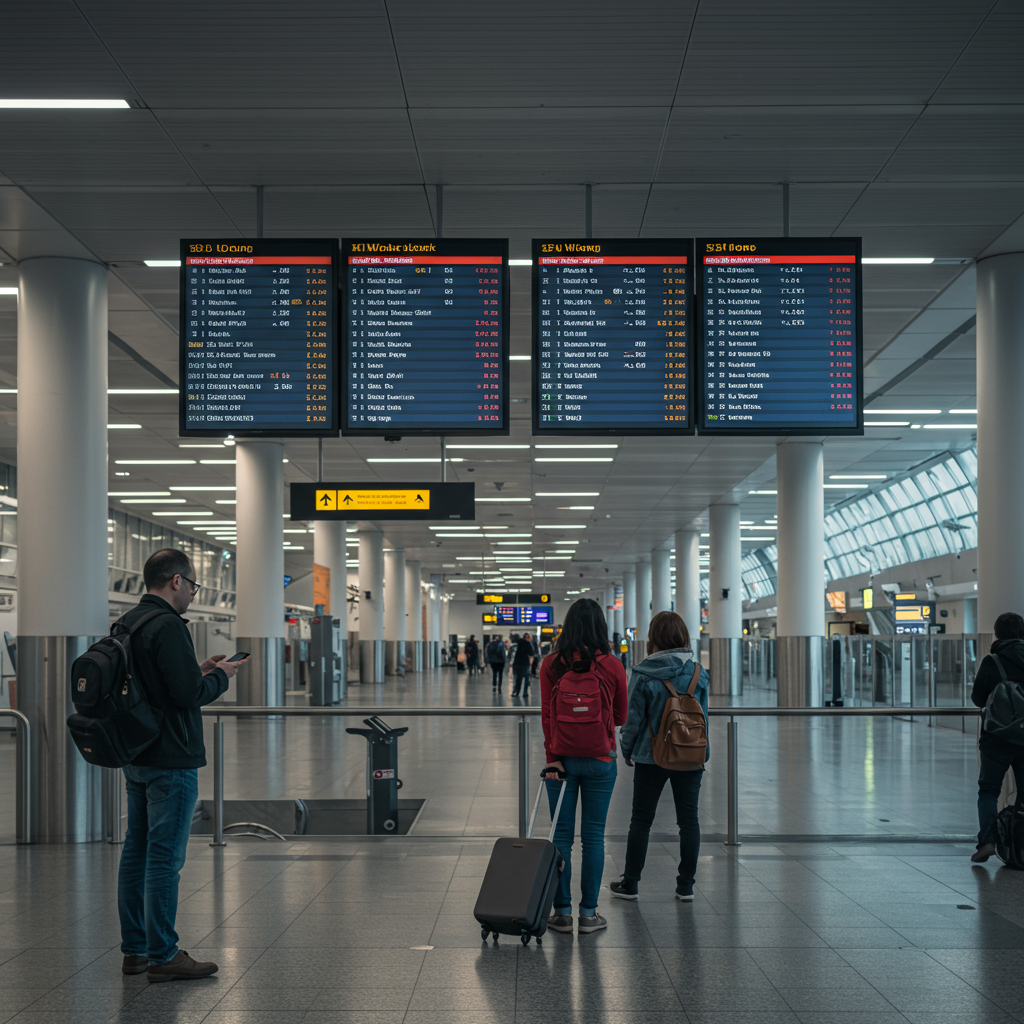
Understanding when to book airline tickets can be daunting given the multitude of factors influencing prices and availability. In this detailed discussion, we will explore critical influences on ticket pricing and pinpoint the optimal booking windows to save you money and hassle. Whether you’re planning a domestic getaway, international trip, or last-minute travel, knowing these timing strategies empowers you to fly smarter. By integrating these insights, you’ll navigate the complexities of airline pricing and secure the best deals consistently.
Factors That Influence Airline Ticket Prices
The pricing of airline tickets is a dynamic process shaped by several key factors that airlines monitor closely. Demand fluctuations and seasonal travel surges often cause prices to rise during holidays and popular vacation periods. Fuel costs also play a significant role as they directly impact airline operating expenses. Furthermore, competition among airlines for routes can either drive prices down or keep them elevated depending on market saturation. The timing of your booking itself, including how far in advance you purchase and even the day of the week, affects how much you’ll pay for a seat. Understanding these elements helps travelers anticipate price changes and book flights strategically.
For example, airlines tend to increase ticket prices as seats fill up, highlighting the importance of booking when availability is still ample. Moreover, fuel price volatility, such as during geopolitical events, can lead to sudden fare adjustments. Seasonality is particularly influential; peak travel months often command premium rates, while off-peak periods may present bargains. Airlines also analyze customer booking patterns and adjust prices using complex algorithms aiming to maximize revenue. To fully grasp this concept, it helps to understand airline ticket price trends first.
Key Aspects of Ticket Pricing
Several principal factors shape the cost of airline tickets. Here are some of the most important to keep in mind when planning your trip:
- Demand and Seasonality: Higher demand during holidays, weekends, and vacation seasons drives prices up. Booking outside these peak times often yields savings.
- Fuel Costs and Airline Competition: Rising fuel costs increase operational expenses, prompting airlines to raise fares. Conversely, intense competition on certain routes can help keep prices competitive.
- Booking Lead Time and Seat Availability: Airlines use dynamic pricing models where earlier bookings typically enjoy lower fares. As departure nears and seats sell out, prices tend to spike.
- Day of the Week and Timing of Purchase: Mid-week purchases, like Tuesday or Wednesday, often offer better deals. Airlines also periodically release discounted tickets during specific sale windows.
When Is the Best Time to Book Your Flight?
Timing your flight booking effectively can translate into substantial financial savings. Different types of trips—domestic, international, holiday, or last-minute—benefit from distinct booking windows tailored to airline pricing patterns. For domestic flights, the sweet spot is generally between one and three months before departure. International travelers typically find better prices booking earlier, around two to eight months in advance. Holiday travel requires even earlier planning, as fares tend to jump months before peak dates. Conversely, last-minute travel offers occasional deals but carries the risk of limited availability and higher prices for popular itineraries.
Booking on the right day also matters: many studies confirm that purchasing tickets mid-week often yields cheaper prices, and flying on Tuesdays or Wednesdays is usually less expensive than weekends or Fridays when demand surges. Flexibility in travel dates and airport choices further amplifies your ability to snag bargains. For a detailed breakdown of this step, see our guide on airline ticket price trends and booking timing.
Ideal Booking Windows
To maximize savings, consider these general timing guidelines for booking flights:
- Domestic Flights: Book one to three months ahead to access the best rates. Prices tend to rise sharply closer to departure dates.
- International Flights: Reserve tickets two to eight months before traveling for optimal pricing and better schedule options.
- Holiday Travel: Plan early—two to six months in advance—to avoid inflated fares and limited availability during peak seasons.
- Last-Minute Deals: Can appear one to two weeks prior but are unpredictable and often limited to less popular routes or dates.
Best Days to Book and Fly
The interplay between when you book and when you fly influences airfare costs significantly. These insights can guide your scheduling decisions:
- Booking Mid-Week: Airlines often release deals around Tuesday or Wednesday, making these days advantageous for ticket purchases.
- Fly on Weekdays: Traveling on Tuesdays or Wednesdays usually offers lower fares compared to weekend trips when demand and prices peak.
- Avoid Weekends and Fridays: These days tend to see higher prices due to heavier travel demand and business travelers.

Conclusion
Understanding the many factors that influence airline ticket prices is essential for anyone looking to save money and fly smarter. Airlines set their prices based on demand fluctuations, seasonal peaks, fuel costs, and competitive pressures. Timing plays a critical role, as knowing when to book can open the door to significant savings. This guide has explored how different booking windows apply to various types of trips—domestic flights often offer the best deals when booked 1 to 3 months in advance, while international travel typically requires planning 2 to 8 months ahead. Holiday travel demands even earlier action, with bookings ideally made 2 to 6 months before departure to avoid price surges and limited seat availability.
In addition to when to book, understanding the best days to make your purchase and fly can further reduce costs. Mid-week bookings, especially on Tuesdays and Wednesdays, generally yield cheaper fares compared to weekends or Fridays when demand spikes. Flying on these less popular days can also offer more flexible options and a smoother travel experience. Practical money-saving strategies such as setting price alerts on trusted travel sites, remaining flexible with travel dates and nearby airports, and considering alternative routes have been highlighted to empower travelers. Taking advantage of flight sales and promotions introduces yet another layer of potential savings.
Conversely, knowing when to avoid booking is just as important as knowing the optimal times. Last-minute purchases without necessity often come with steep price tags and limited seat choice. Similarly, last-minute holiday bookings or purchases made over weekends and late nights tend to be more expensive and stressful. Thoughtful planning and strategic booking achieve more than just monetary benefits—they reduce anxiety, maximize travel options, and enhance the overall journey.
To put this knowledge into practice, start by using fare comparison tools and setting price alerts for your preferred routes. Maintain flexibility whenever possible, as adjusting travel dates or airports can uncover hidden, budget-friendly options. Consider booking early for holidays and international flights and explore nearby airports or connecting flights to widen your choices. With these actionable steps, anyone can become a savvy traveler, navigating airline pricing with confidence and maximizing value for their travel budget.
Finally, continuing to deepen your understanding of airline pricing trends will keep you ahead in the dynamic travel market. For more insights, explore airline ticket price trends and what you need to know. Armed with strategic timing and smart tools, you’re now equipped to book your tickets wisely, save money, and enjoy a more relaxed, rewarding travel experience.


