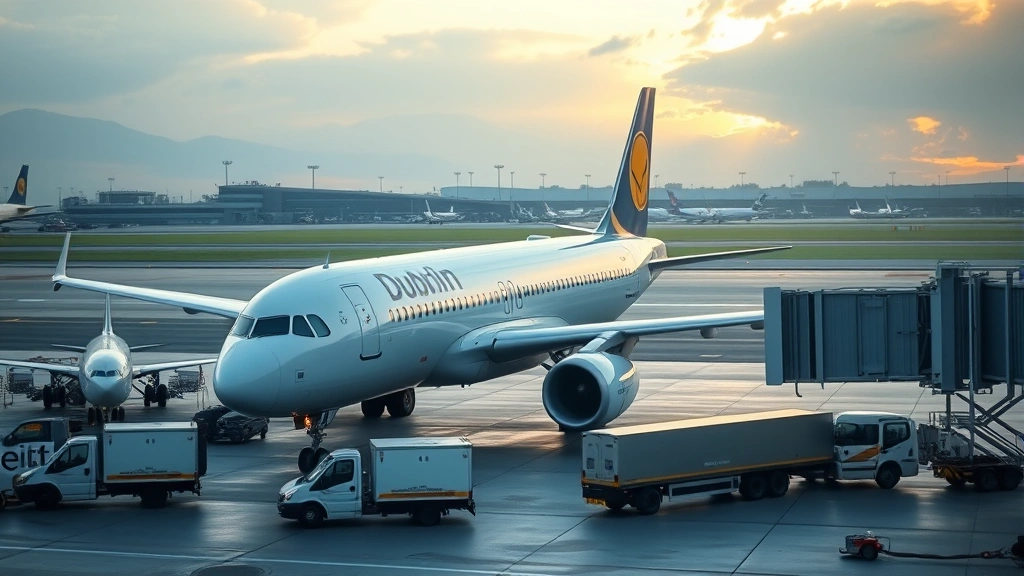
Finding affordable flights from Detroit to Tampa requires strategy, timing, and knowledge of the route’s unique characteristics. This popular corridor connects Michigan’s largest metropolitan area with Florida’s vibrant Gulf Coast, offering travelers numerous opportunities to save money if they know where to look. Whether you’re planning a beach getaway, visiting family, or conducting business, understanding the best booking practices and seasonal trends can significantly reduce your airfare costs.
The Detroit Metropolitan Airport (DTW) to Tampa International Airport (TPA) route is served by multiple carriers, each with different pricing strategies and route options. With flight times ranging from 2.5 to 4 hours depending on connections, this mid-distance journey presents various opportunities for budget-conscious travelers. This comprehensive guide reveals insider tips, optimal booking windows, and practical strategies to secure the cheapest possible fares.

Best Time to Book Flights from Detroit to Tampa
Timing your booking is crucial for finding cheap flights on this route. According to industry data, the optimal window for booking Detroit-Tampa flights typically falls 6-8 weeks in advance of your departure date. This timeframe allows you to capture early-bird discounts before prices surge closer to travel dates, yet gives airlines enough visibility to offer competitive fares.
For specific day-of-week advantages, Tuesday and Wednesday departures consistently offer lower fares than weekend flights. This occurs because business travelers typically book Friday-Sunday travel, driving up weekend prices. By shifting your travel by just one or two days, you can save $50-$150 per ticket. Morning departures (before 9 AM) and late evening flights (after 7 PM) also tend to be cheaper than mid-day options, as leisure travelers prefer convenient afternoon departure times.
The time of day you book matters equally. Booking flights between 6-9 AM or after 9 PM often yields better prices, as airline pricing algorithms adjust less frequently during these hours. Using the best times to book airline tickets strategies can help you identify these pricing windows more effectively.
Airlines & Route Options for Detroit-Tampa Flights
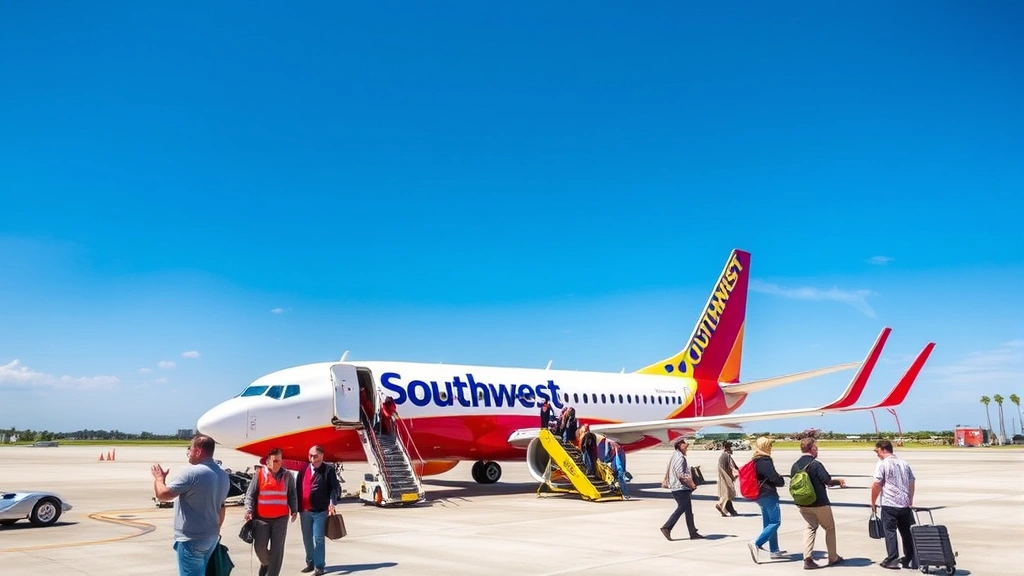
Multiple carriers operate on the Detroit-Tampa corridor, each offering distinct advantages. Southwest Airlines dominates this route with frequent direct flights, typically offering the most competitive pricing due to their high frequency and operational efficiency. Southwest’s checked baggage policy (two bags fly free) provides additional value for families and longer trips.
Delta Air Lines offers several daily flights with both direct and one-stop options through Atlanta or other hubs. As a major carrier with significant presence at Detroit Metro, Delta frequently matches competitor pricing and provides premium frequent flyer opportunities. United Airlines provides additional daily options, often with competitive fares, particularly for early morning or late evening departures.
Budget carriers like Frontier and Spirit may appear cheaper at first glance, but hidden fees for carry-ons, seat selection, and baggage quickly inflate final costs. When comparing prices, always calculate total fees to determine true cost-per-ticket. For longer trips, traditional carriers often provide better overall value despite higher base fares.
Direct flights from Detroit to Tampa typically take 2.5-3 hours, while one-stop connections add 4-6 hours to travel time. The time savings of direct flights often justify slightly higher ticket prices, particularly for business travelers and those with limited vacation time.
Seasonal Pricing Patterns on This Route
Understanding seasonal demand directly impacts your ability to find cheap flights. Winter months (December-February) represent peak pricing season as Americans flee cold northern weather for Florida’s warm beaches. Expect fares 30-50% higher during Christmas week, New Year’s week, and Presidents’ Day weekend. However, early December (before holiday breaks) and late February offer relative bargains within the winter season.
Summer months (June-August) show surprisingly moderate pricing, as families who can travel during school breaks drive demand, but overall leisure travel remains lower than winter. Shoulder seasons (April-May and September-November) typically offer the absolute cheapest fares, with September-October being particularly affordable as summer vacation ends and winter migration hasn’t begun.
Spring Break (mid-March through early April) creates another pricing spike, with families booking trips for college and high school breaks. Similarly, Thanksgiving week sees elevated prices as families reunite. Planning trips for non-holiday weeks in shoulder seasons can yield savings of 40-60% compared to peak periods.
Hurricane season (June-November) technically affects Tampa, but historically has minimal impact on pricing except during active storm events. Travel insurance becomes more valuable during these months, offering protection if weather disruptions occur.
Money-Saving Booking Strategies
Successful flight hunters employ multiple strategies simultaneously. Price tracking using Google Flights, Hopper, or Kayak allows you to monitor fare trends for your specific dates. Setting up price alerts notifies you when fares drop, enabling quick booking decisions. These tools show historical pricing patterns and price predictions, helping you decide whether to book now or wait for better rates.
Learning how to book refundable airline tickets provides flexibility if prices drop after your initial booking. While refundable fares cost more upfront, they allow rebooking at lower prices without penalties—a strategy that often pays for itself when significant price drops occur.
Clearing browser cookies before searching remains valid, as some booking sites track your searches and artificially inflate prices. Using incognito/private browsing mode prevents this manipulation. Similarly, searching for flights across different devices and browsers sometimes reveals different pricing.
Booking directly with airlines versus third-party sites occasionally reveals exclusive deals, particularly for airline loyalty members. Southwest, Delta, and United all offer member-exclusive fares unavailable through aggregator sites. Checking airline websites directly costs nothing and frequently yields better prices than comparison sites.
Flexible date searches expand your options significantly. Rather than searching for specific dates, use flexible search tools to compare 7-10 day windows. The cheapest fares often appear on dates you hadn’t originally considered, potentially saving $100+ per person.
Credit card sign-up bonuses and travel rewards can substantially reduce effective flight costs. Cards offering 50,000+ bonus miles/points can cover most or all of a Detroit-Tampa flight when redeemed strategically. However, only pursue this if you can meet spending requirements and pay balances in full.
Airport Alternatives and Expanded Search Options
While Detroit Metropolitan (DTW) and Tampa International (TPA) are primary airports, exploring alternatives can reveal significant savings. Coleman Young International Airport (DET), Detroit’s secondary airport, occasionally offers competitive fares on regional carriers, though fewer flight options exist.
From the Tampa area, St. Petersburg-Clearwater International (PIE) and Orlando International (MCO) sometimes show cheaper flights than Tampa proper. The 1-1.5 hour drive from Orlando to Tampa may be worthwhile if savings exceed $75-100 per person, particularly for groups or multi-person bookings.
Searching nearby departure airports from Detroit, including Flint Bishop International (FNT) and Lansing Capital Region (LAN), occasionally reveals cheaper options. However, driving distances and time costs usually outweigh savings unless you’re already in those areas.
Travel Tips & Recommendations for Detroit-Tampa Route
Beyond booking strategies, several practical considerations optimize your travel experience. The Detroit-Tampa route experiences minimal weather disruptions compared to northern routes, with cancellation rates typically below 2%. However, summer thunderstorms in Florida occasionally cause minor delays.
TSA PreCheck and Clear memberships provide value for frequent travelers on this route, reducing airport time and stress. At $85-$189 annually, these programs pay for themselves within 4-6 round-trip flights through saved time and occasional priority boarding benefits.
Arrive at Detroit Metropolitan Airport 2 hours before departure for domestic flights. Tampa International’s efficient design allows 1.5-hour minimums, though 2 hours remains safest. Both airports offer excellent dining and retail options if you arrive early.
When comparing to related routes, checking flights from Denver to Chicago and flights from Atlanta to New York pricing patterns can inform your understanding of carrier strategies across different routes. These comparisons reveal which airlines consistently offer competitive pricing and which tend toward premium pricing.
For longer trips, exploring best airlines for long flights becomes less critical since Detroit-Tampa is a short route, but understanding airline quality helps with connection planning if you choose one-stop options.
Ground transportation in Tampa is efficiently managed through the airport’s rental car facilities, rideshare services, and public transit connections. Booking ground transportation in advance often yields 10-20% discounts compared to on-site bookings.
Consider travel insurance for trips booked more than 2-3 weeks in advance, particularly during hurricane season. Annual travel insurance plans ($200-400) cover multiple trips and provide peace of mind for weather-related disruptions and medical emergencies.
The Federal Aviation Administration provides current flight information and safety updates. For Tampa-specific travel planning, the Visit Tampa tourism board offers destination information and special offers.
Checking TSA guidelines before your trip ensures smooth airport security experiences. Both Detroit and Tampa airports maintain efficient security operations with average wait times under 15 minutes during off-peak hours.
FAQ
What’s the average price for Detroit-Tampa flights?
Average fares range from $150-250 for non-stop flights during shoulder seasons, rising to $300-500+ during peak winter and holiday periods. Last-minute bookings often cost $400+ while 6-8 week advance bookings average 30-40% less. Prices vary based on booking day, departure time, and airline selection.
How far in advance should I book?
The sweet spot is 6-8 weeks before departure. Booking earlier (10+ weeks) sometimes misses sales, while booking later (3 weeks or less) significantly increases prices. For peak periods like Christmas, booking 10-12 weeks ahead provides better rates.
Which airline is cheapest Detroit to Tampa?
Southwest Airlines consistently offers competitive pricing on this route with frequent daily flights and included baggage. Delta and United match prices during sales. Budget carriers like Frontier appear cheaper but hidden fees often result in higher final costs. Comparing total fees across airlines is essential.
What day of the week are flights cheapest?
Tuesday and Wednesday flights cost 20-30% less than Friday-Sunday options. Morning (before 9 AM) and late evening (after 7 PM) departures also cost less than mid-day flights. Avoiding peak travel days significantly reduces fares.
Are one-stop flights cheaper than direct?
One-stop flights typically cost $20-60 less than direct flights but add 2-3 hours to travel time. For short 2.5-3 hour routes, the time cost usually outweighs modest savings. Direct flights generally provide better value.
Can I find flights under $100?
Round-trip fares under $100 are rare but occasionally appear during airline sales or error fares. Setting price alerts and checking daily during shoulder seasons increases chances of finding deals. One-way flights occasionally drop below $50 during sales.
What about baggage fees and hidden costs?
Southwest includes 2 free checked bags; Delta and United charge $35 first bag, $45 second. Spirit and Frontier charge for carry-ons ($35-45) and checked bags ($25-35). Always calculate total cost including baggage when comparing airlines.
Is it cheaper to fly round-trip or book separate one-way tickets?
Round-trip tickets are typically cheaper, though booking separate one-way tickets occasionally saves money if one leg has a sale. Comparing both options takes 2 minutes and frequently reveals $30-80 savings on multi-leg trips.