
Table of Contents
Introduction
Effective communication is more than just exchanging words; it is the cornerstone of all human interactions, influencing every aspect of our personal and professional lives. Imagine a workplace where ideas flow effortlessly, misunderstandings are minimized, and relationships flourish — this is the power that effective communication skills bring. Whether you’re negotiating a business deal or connecting with loved ones, the ability to communicate clearly and empathetically can unlock doors to success and fulfillment.
In today’s fast-paced world, communication mishaps can lead to costly errors, conflicts, and missed opportunities. Studies show that communication issues cost organizations billions annually due to lost productivity and employee disengagement. On a personal level, lack of communication skills can cause unnecessary tension and emotional distance. This reality makes training in effective communication not just beneficial, but essential. Developing these skills helps foster clarity, builds stronger relationships, and even boosts confidence.
Training programs play a vital role in equipping individuals with the tools to navigate complex communication landscapes. They focus on enhancing key abilities such as active listening, non-verbal communication, clarity in messaging, and empathy. For professionals in industries like airlines, where coordination and customer interaction are critical, mastering communication skills elevates customer satisfaction and operational efficiency. Understanding concepts like airline carry-on baggage restrictions also requires clear communication to passengers, emphasizing how training can improve service delivery.
Many people struggle with self-expression or interpreting others’ messages accurately. This can create barriers both at work and in social settings. Effective communication training addresses these challenges by offering practical strategies and techniques that build confidence and adaptiveness. It helps transform everyday conversations into meaningful exchanges. If you’re new to this topic, you might want to start with foundational communication techniques that emphasize understanding non-verbal cues and verbal clarity to ensure your message is received as intended.
What You’ll Learn in This Guide
In this comprehensive guide, we’ll explore the multifaceted world of communication skills training, focusing on practical insights and actionable advice. Whether you want to improve your interpersonal interactions or professional communication, this guide has you covered.
- Understanding the Basics of Effective Communication: Learn about the different forms of communication including verbal, non-verbal, and written, and why mastering these is essential to connect and engage with others meaningfully.
- Key Components of Communication Training: Discover core elements such as active listening, clarity, empathy, and feedback. These components are the building blocks that empower you to communicate with impact and authenticity.
- Training Methods and Techniques: Explore various ways to develop your skills, including workshops, role-playing, online courses, and one-on-one coaching. Each method offers unique benefits tailored to different learning styles and needs.
- Measuring and Applying Your Communication Skills: Understand how to assess the effectiveness of your communication training and apply these skills to real-life scenarios, ensuring continuous improvement and lasting results.
This guide will serve as your roadmap to unlocking your communication potential, helping you overcome barriers and build stronger connections. You’ll gain a deeper understanding of the principles behind effective communication and practical tools to implement immediately.
As we dive deeper, we will cover the importance of communication skills training in professional settings, especially in dynamic industries like airlines, where clarity and empathy can significantly enhance customer experiences and team collaboration. You’ll learn how training helps address typical communication challenges, improve workplace morale, and increase productivity.
Moreover, we will review proven training approaches and techniques to suit various preferences, from interactive workshops to personalized coaching sessions. These methods ensure that you not only learn but also practice and internalize essential skills to communicate effectively in any context.
Get ready to unlock your full communication potential and discover how these skills can transform your interactions, relationships, and career trajectory. Effective communication is within your reach — let’s embark on this journey together and change the way you connect with the world around you.
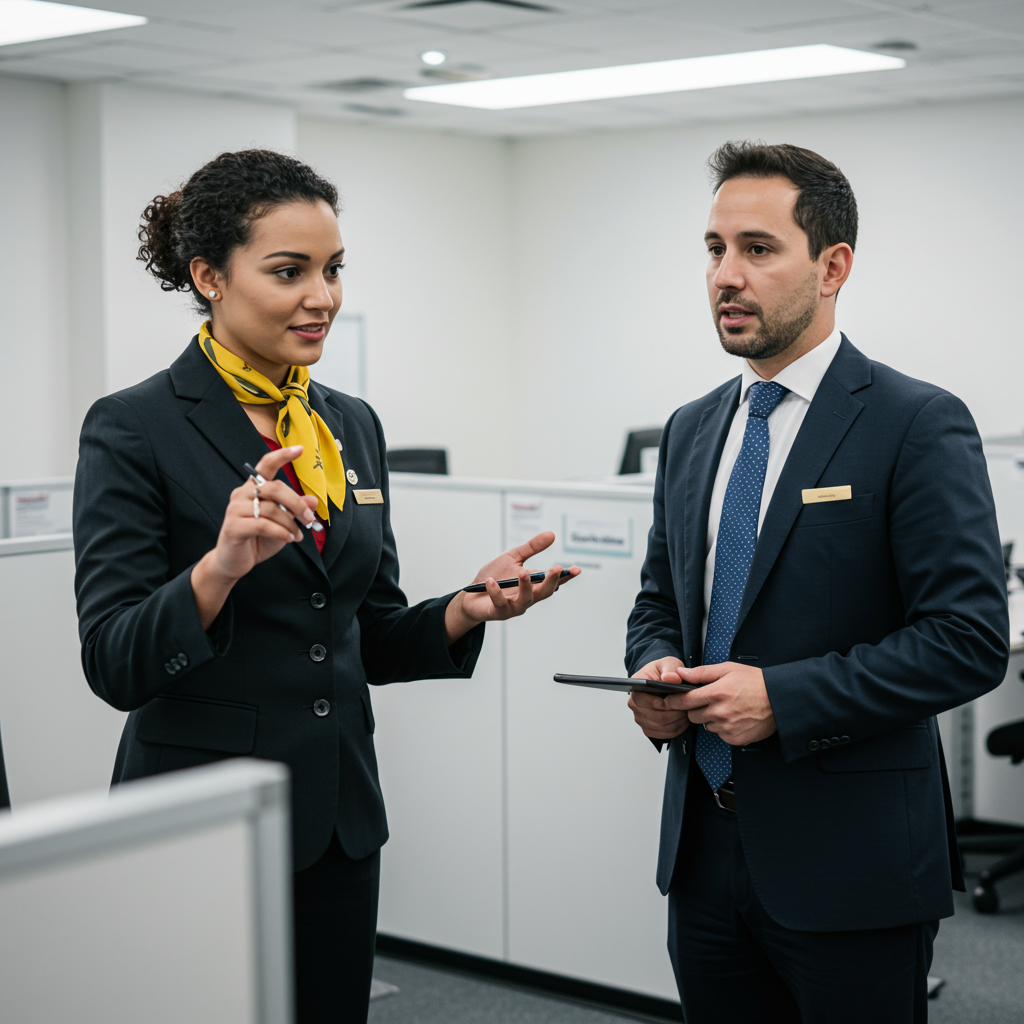
Effective communication is more than just exchanging information; it is about understanding the emotion and intentions behind the information. Building on the introduction, we will delve deeper into two critical aspects of effective communication skills training: the key components that make communication impactful and the diverse methods and techniques used for training. This comprehensive discussion aims to highlight how mastering these components through targeted training methods can unlock personal and professional potential, ultimately leading to stronger relationships and enhanced productivity in the fast-paced airline industry.
Key Components of Effective Communication Skills Training
To truly excel in communication, it is essential to grasp the core elements that form the foundation of effective interactions. Communication skills encompass much more than just speaking well; they involve active listening, understanding non-verbal cues, expressing oneself clearly, empathizing with others, and engaging in meaningful feedback. Each of these components contributes to creating an environment where ideas and feelings are exchanged openly and constructively. In the airline industry, where timely and precise communication is critical, focusing on these components can dramatically improve safety, customer satisfaction, and teamwork. For foundational knowledge, exploring the basics of communication and active listening can enhance understanding of these core skills.
Advanced communication skills training typically focuses on helping learners develop the ability to tailor messages for various audiences, decode body language accurately, and manage emotional responses effectively. These programs emphasize the importance of clarity and conciseness, enabling communicators to deliver messages that are easy to understand and hard to misinterpret. Additionally, empathy is highlighted as a vital skill to foster connection and trust, particularly in high-stress environments. Constructive feedback mechanisms enable continuous improvement within teams and promote a culture of open communication and mutual respect.
Key Aspects of Communication Skills Training
The following bullet points outline the essential components that effective communication training programs address to ensure comprehensive skill development:
- Active Listening: This involves not only hearing the words but also understanding the underlying messages and emotions. Techniques include maintaining eye contact, reflecting responses, and asking clarifying questions, which help ensure that the listener fully comprehends the speaker’s intent.
- Non-Verbal Communication: Body language, facial expressions, gestures, and tone significantly influence message interpretation. Effective training teaches individuals to become aware of their non-verbal signals and read those of others accurately to avoid misunderstandings.
- Clarity and Conciseness: Communicating ideas clearly and directly is crucial in avoiding confusion. Training focuses on structuring messages logically, avoiding jargon, and emphasizing key points, which is especially vital in fast-paced scenarios such as airline operations.
- Empathy: Building genuine emotional connections fosters trust and respect. Empathetic communication helps in managing conflicts and supporting colleagues or customers, contributing to a positive work environment and enhanced customer experience.
Methods and Techniques for Communication Skills Training
Learning effective communication requires more than theory; it demands practical experience, reflection, and personalized guidance. Training methods have evolved to incorporate interactive, diverse techniques that cater to different learning styles and professional contexts. From group workshops to individualized coaching, these methods empower participants to practice and refine their skills in safe, supportive environments. In the airline sector, where communication involves coordination between diverse teams and frequent customer interactions, adopting varied training approaches ensures comprehensive skill development.
Modern communication training programs blend face-to-face and digital formats to offer accessibility and flexibility. Workshops and seminars encourage collaborative learning through discussions and role-play, while online courses provide convenience and self-paced progress. One-on-one coaching offers personalized feedback tailored to individual strengths and improvement areas. Reflection and feedback loops promote continuous growth by encouraging participants to critically assess their communication practices and seek constructive input.
Important Considerations for Communication Training Methods
Below are key training techniques commonly used to develop effective communication skills across professional settings:
- Workshops and Seminars: These interactive group sessions provide opportunities to learn new concepts, share experiences, and engage in activities that simulate real-life communication challenges. Such sessions foster peer learning and build confidence in applying skills.
- Role-Playing: By acting out scenarios, participants can practice responding to various communication situations, such as conflict resolution or customer service interactions. Role-playing enhances problem-solving abilities and helps internalize effective communication behaviors.
- Online Courses: Flexible and accessible, online modules allow learners to study at their own pace while accessing multimedia content and interactive quizzes. This method suits busy professionals who require adaptable training options.
- One-on-One Coaching: Personalized sessions address specific communication challenges faced by individuals. Coaches provide tailored strategies, real-time feedback, and guidance, which accelerates skill development and addresses unique professional needs.

Conclusion
Effective communication skills are foundational to success in both personal and professional domains, but their significance is especially pronounced in fast-paced, high-stakes industries such as airlines. This article has illuminated the multifaceted nature of communication, including verbal, non-verbal, and written forms, all of which contribute to clear, meaningful exchanges. Mastery of these skills through targeted training enables individuals and teams to foster stronger relationships, increase productivity, and resolve conflicts constructively. In the airline context, where coordination among staff and clarity with customers can directly influence safety and satisfaction, such competencies are indispensable.
Training programs focused on communication incorporate key components such as active listening, non-verbal awareness, message clarity, empathy, and effective feedback. These elements work in synergy to create an environment where ideas and emotions are expressed and understood authentically. The methods for acquiring these skills range from interactive workshops and role-playing exercises to flexible online courses and personalized coaching. Moreover, the incorporation of reflection and feedback mechanisms ensures continuous personal growth and skill refinement, adapting to evolving challenges in workplace communication.
Measuring the effectiveness of communication training through surveys, performance metrics, and feedback loops provides organizations and individuals with concrete insights on progress and areas for improvement. Recognizing when professional communication development is needed—such as during repeated misunderstandings, rising conflicts, or diminished team cohesion—is a vital indicator for investing in formal training. By doing so, airlines can enhance operational efficiency, boost employee morale, and elevate customer experience — all critical to maintaining competitive advantage in a dynamic industry.
To take actionable next steps, individuals and airline organizations should actively seek out communication training that best fits their needs and learning styles, whether through group workshops or one-on-one coaching. Prioritizing training programs that emphasize real-world practice, such as role-play and interactive feedback, will accelerate skill acquisition and confidence building. Encouraging open communication channels and feedback culture within teams further solidifies these gains, enabling sustained improvement over time.
Ultimately, investing in effective communication skills training unlocks untapped potential, fostering a workplace where clarity, empathy, and collaboration thrive. The airline industry—and indeed any fast-paced environment—stands to benefit enormously from teams who communicate with precision and understanding. Embrace this opportunity to transform how you connect, engage, and lead. Your journey toward communication mastery starts here, empowering you to unlock new realms of success and fulfillment in both your professional and personal life.


