Table of Contents
Introduction
Let’s be honest—long haul flights aren’t exactly anyone’s idea of fun. Whether you’re heading off on that dream vacation you’ve been planning for months or catching a red-eye for an important business meeting, the thought of spending 8+ hours crammed in an airplane seat can make even the most seasoned traveler a little anxious. You know the drill: stiff necks, swollen feet, that weird airplane food, and don’t even get me started on trying to sleep sitting upright.
But here’s the thing—it doesn’t have to be torture. With the right game plan, you can actually make those marathon flights pretty bearable (dare I say… almost comfortable?). The secret isn’t just surviving the flight; it’s preparing for it like the travel pro you’re about to become.
Think about it this way: you wouldn’t run a marathon without training, right? Same principle applies here. Getting the basics down—like figuring out carry-on baggage restrictions so you’re not that person frantically repacking at the gate—can save you so much stress. And those little comfort items everyone talks about? The neck pillow, compression socks, that eye mask you keep meaning to buy? They’re actually game-changers when you’re stuck in seat 32B for half a day.
Now, let’s talk about something most people completely ignore: your mental game. (Trust me, this matters more than you think.) Sure, everyone focuses on the physical stuff—staying hydrated, avoiding blood clots, all that important health stuff. But what about keeping your sanity intact? Simple techniques like breathing exercises or having a good podcast queue can be the difference between arriving frazzled or actually feeling human when you land.
The nutrition piece is huge too. You’ve probably experienced that weird airplane hunger where nothing sounds good but you’re also starving. Planning ahead—bringing snacks you actually want to eat, staying ahead of dehydration instead of playing catch-up—makes everything easier. And jet lag? Don’t even get me started on how rough that can be. But if you start adjusting your sleep schedule a few days before you leave, you’re already ahead of the game.
Here’s where it gets interesting though. Long haul flight prep isn’t just about the flight itself—it’s part of your whole travel strategy. Maybe you’ve been sitting on a pile of airline miles and don’t know how to use them effectively. Or perhaps you’ve never thought about what happens if your flight gets delayed (spoiler alert: you have more rights than you probably realize). Understanding your passenger rights for flight delays can actually save you time, money, and a lot of headaches down the road.
What You’ll Learn in This Guide
Look, I get it. You want practical advice that actually works, not fluff. This guide breaks down everything you need to turn your next long haul flight from a survival mission into something you might actually look forward to.
- Pre-Flight Preparation: We’ll walk through the smart moves to make before you even step foot in the airport—from snagging the best seats to getting your health prep dialed in. Because honestly, most flight stress happens before you even board.
- Packing Essentials: What should actually go in your carry-on versus checked bag? We’ll cover the must-haves that frequent flyers swear by, plus some lesser-known items that can make or break your comfort level.
- In-Flight Comfort Strategies: Real talk about staying comfortable when you’re basically trapped in a metal tube for hours. Physical comfort, sure, but also mental strategies that’ll keep you sane and maybe even relaxed.
- Managing Nutrition and Jet Lag: How to eat and drink smart at 35,000 feet, plus the insider tricks for beating jet lag that actually work (not just the stuff everyone says but never tries).
What makes this different from other travel guides? We’re going deep into the stuff that actually matters when you’re living it. Not just “drink water and stretch” (though you should definitely do both), but the real strategies that experienced travelers use to make long flights work for them instead of against them.
You’ll get specific, actionable advice for every stage of your journey. We’re talking about which airlines handle long haul routes better, how to work the system for better seats, and what to do when things inevitably don’t go according to plan. Plus, we’ll dive into the bigger picture stuff—like how understanding loyalty programs and compensation policies can make you a smarter, more confident traveler overall.
Whether this is your first time crossing multiple time zones or you’re a road warrior looking to up your game, you’re going to walk away with strategies that actually work. No more arriving at your destination feeling like you’ve been hit by a truck. No more wondering why some people seem to handle flights so much better than you do.
Ready to become one of those travelers who makes it look easy? Let’s dive in and transform how you think about long haul flights. Because once you know these tricks, you’ll wonder how you ever flew without them.
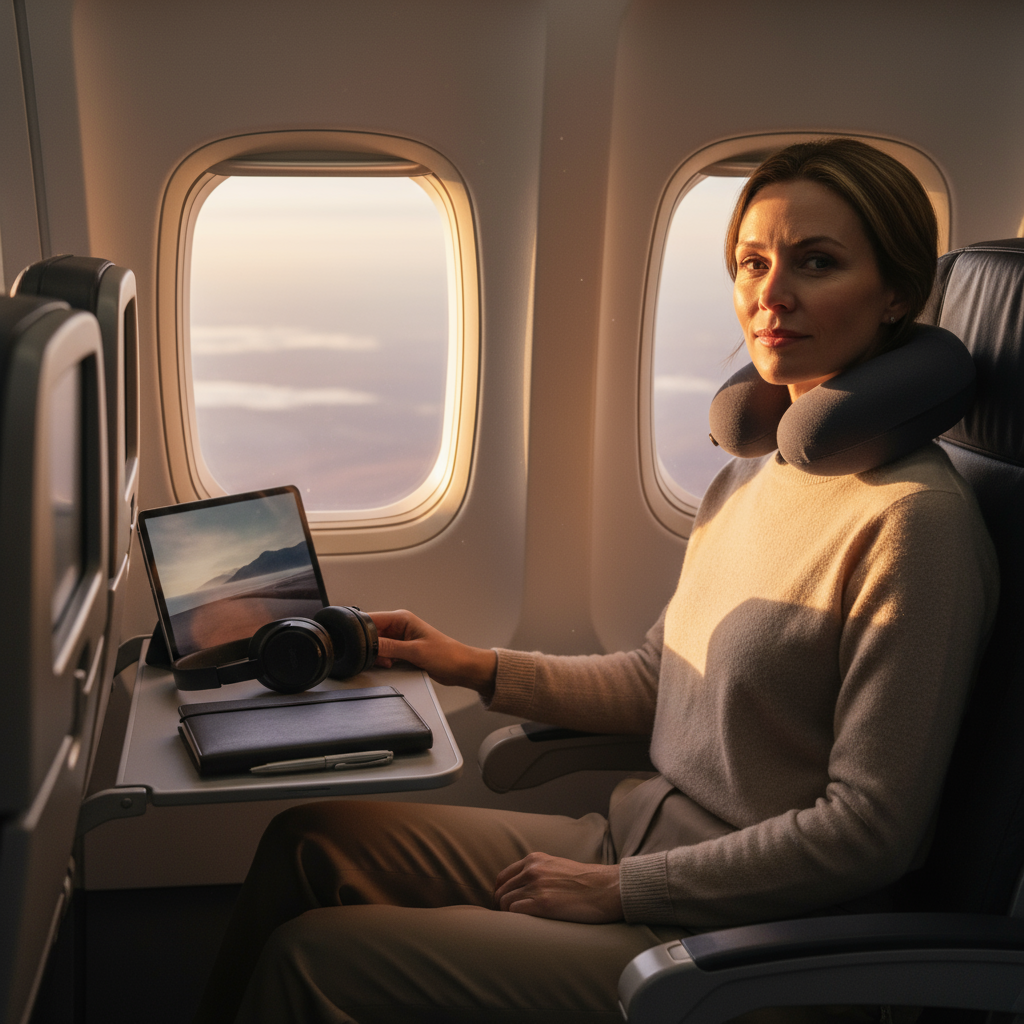
Long haul flights—love them or hate them, they’re often the only way to reach those dream destinations. Sure, the thought of spending 10+ hours in a metal tube hurtling through the sky can be daunting. But here’s the thing: with the right approach, you can actually make these marathon flights work for you instead of against you. It’s not just about surviving the journey anymore. We’re talking about arriving at your destination feeling human (maybe even refreshed) rather than like you’ve been through a blender. The secret? Smart preparation before you even step foot in the airport, plus some tried-and-true comfort strategies once you’re airborne. Let’s break down exactly how to turn your next long flight from an endurance test into something you might actually look forward to.
Effective Pre-Flight Preparation for a Smooth Journey
The magic of a comfortable long flight actually starts way before you board the plane. Think of it like this—you wouldn’t run a marathon without training, right? Same principle applies here. Your seat choice alone can make or break your entire experience. Those extra few inches of legroom in an exit row? Worth every penny when you’re hour eight into your flight. Aisle or window is a personal choice, but consider this: aisle means easier bathroom breaks and stretching (trust me, you’ll want both), while window gives you a wall to lean against for sleeping.
Now, let’s talk about the stuff that might not be as exciting but could save your trip. Travel documents—boring but essential. Nothing ruins vacation vibes like realizing your passport expires next month. And travel insurance? I know, I know, it feels like throwing money away until you actually need it. Whether it’s a medical emergency, lost luggage, or flight cancellations, having that safety net means you can focus on enjoying your trip instead of worrying about what could go wrong. Your future self will thank you for taking care of these details now.
Key Aspects of Pre-Flight Preparation
Here’s what you need to nail down before your trip:
- Booking and Seat Selection: Splurge on seats with extra legroom if your budget allows—bulkhead or exit rows are your friends. Choose aisle for easy movement or window if you’re a leaner-sleeper type.
- Health Considerations: Chat with your doctor about any concerns, especially if you have health conditions. They might recommend compression socks, specific medications, or other precautions that’ll make your flight much more comfortable.
- Documentation and Travel Insurance: Double-check passport expiration dates and visa requirements. Get comprehensive travel insurance—it’s cheaper than you think and covers way more than you’d expect.
- Flight Timing and Layovers: Book flights that work with your body clock when possible. If you need layovers, give yourself enough time to stretch and grab decent food—rushing through airports is nobody’s idea of fun.
Once you’ve got these basics locked down, you’re already ahead of 90% of travelers. You’ll board that plane knowing you’ve set yourself up for success. But preparation is only half the battle—now let’s talk about what to do once you’re actually up there.
Staying Comfortable and Maintaining Wellbeing During the Flight
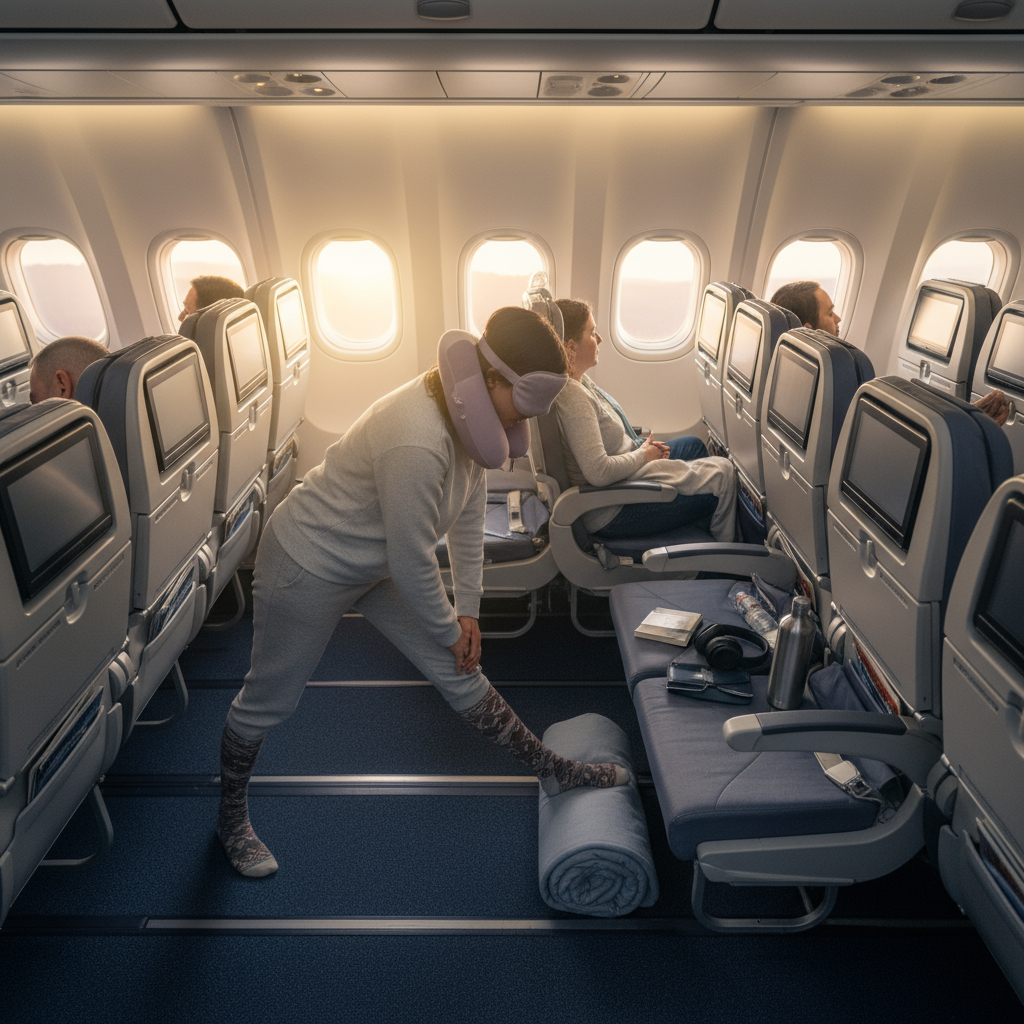
Alright, you’re on the plane. Seat belt’s fastened, carry-on’s stowed, and you’ve got hours ahead of you. Here’s where the real strategy kicks in. First rule: move regularly. I don’t care if you feel awkward walking up and down the aisle—your legs will thank you later. Blood clots are no joke, and your muscles will turn into concrete if you sit still for eight hours straight. Every hour or two, get up and take a little stroll. Do some ankle rolls and calf stretches right at your seat. Your fellow passengers might look at you funny, but who cares?
Food and drink strategy is huge too. The airplane meal might look sad, but try to eat something every few hours to keep your energy stable. Skip the heavy, salty stuff that’ll make you feel bloated and gross. Water is your best friend up there—the cabin air is drier than a desert, so you’ll dehydrate faster than you think. That glass of wine might sound tempting, but alcohol + altitude + dehydration = feeling terrible. Save the celebratory drinks for when you land.
Key Aspects of Flight Comfort and Wellbeing
These habits will keep you feeling human during those long hours:
- Seating and Movement: Adjust your seat to find that sweet spot between upright and reclined. Get up every hour or two for a walk, and do simple stretches at your seat—your circulation will love you for it.
- Sleep Strategies: Invest in a good neck pillow, eye mask, and earplugs. These aren’t luxuries—they’re necessities. If you usually need sleep aids, talk to your doctor about what’s safe at altitude.
- Mental Wellbeing: Download some meditation apps, practice deep breathing, or just focus on staying relaxed. Long flights can trigger anxiety, so having coping strategies ready makes a huge difference.
- Eating, Drinking, and Hydration: Choose lighter meals and snacks, drink water consistently (aim for a glass every hour), and go easy on caffeine and alcohol. Your body is already working hard at 35,000 feet.
Long haul flights don’t have to be torture. Sure, they’re challenging—but with the right approach, you can actually turn those hours in the sky into something manageable (maybe even enjoyable). We’ve walked through everything you need to know: picking the perfect seat, keeping your body happy before takeoff, packing those game-changing comfort items, and staying loose during the flight. Each piece matters. And here’s the thing about nutrition and time zones—get these right, and you’ll step off that plane feeling human instead of like you’ve been run over by a luggage cart.
The real magic happens when you combine physical comfort tricks with some mental strategies. Stiffness? Anxiety? That weird airplane sleep that leaves you feeling worse than before? You can beat all of it. But here’s what I’ve learned after countless long flights: preparation is everything. It’s the difference between white-knuckling through 12 hours and actually arriving ready to explore. Stay hydrated, eat smart, keep moving—your body will thank you when you finally touch down.
So what’s next? Time to put this knowledge to work. Start with your seat selection—it’s the foundation of everything else. If you’re considering an upgrade, check out the best airlines with premium economy for that extra space and comfort that can transform your flight. And while we’re talking about being prepared, make sure you know your passenger rights for flight delays—trust me, you’ll want this info in your back pocket when things go sideways. Traveling with pets? The best airlines for pet travel guide will save you and your furry friend a lot of stress. And here’s something most travelers don’t think about: having an emergency fund can be a lifesaver when travel plans go off the rails. Learn how to build an emergency fund that gives you peace of mind whether you’re dealing with unexpected flight changes or any other curveballs life throws your way.
Look, long haul flights aren’t going anywhere—they’re part of the adventure. But now you’re armed with everything you need to not just survive them, but actually thrive. Every little detail we’ve covered, from what you do before you even get to the airport to how you move around that cramped cabin, adds up to a completely different experience. Take these strategies seriously, and those marathon flights might just become your chance to unwind, reset, and land ready for whatever comes next. Safe travels—and here’s to arriving feeling like yourself again.
Frequently Asked Questions
-
How early should I arrive at the airport for a long haul flight?
- It’s generally recommended to arrive at least 3 hours before departure to allow ample time for check-in, security, and boarding procedures without stress.
-
What are the best foods to eat during a long flight?
- Opt for light, nutritious, and high-protein foods while avoiding heavy, salty, or greasy meals to maintain energy and reduce bloating during the flight.
-
How can I prevent deep vein thrombosis (DVT) during long flights?
- Wearing compression socks, staying hydrated, and regularly moving around the cabin through stretching or walking can significantly lower the risk of DVT.
-
Is it safe to use sleep aids during a long flight?
- Consult your healthcare provider before using any sleep aids to ensure they are safe and appropriate for your health conditions while flying.
-
How can I reduce jet lag after landing?
- Adjust to the local time zone quickly by getting natural light exposure, shifting your sleep schedule before travel, and pacing your activities to allow your body to adapt.


