Houston to Dallas Flights: Expert Guide
Flying between Houston and Dallas represents one of the shortest commercial air routes in the United States, yet it remains surprisingly popular among business travelers and leisure passengers. The Houston to Dallas flight typically takes just 45 minutes to an hour of actual flight time, making it one of the quickest ways to traverse the roughly 240-mile distance between Texas’s two largest metropolitan areas. Whether you’re planning a quick business trip or a weekend getaway, understanding the nuances of this route will help you make informed decisions and potentially save money on your airfare.
This comprehensive guide covers everything you need to know about flying from Houston to Dallas, including airline options, airport details, booking strategies, and insider tips that frequent travelers use to maximize their journey. We’ll explore the best times to fly, fare comparison strategies, and what to expect during your travel experience on this busy corridor. By the end of this guide, you’ll have the knowledge to navigate this route like a seasoned traveler.
Airlines Operating This Route
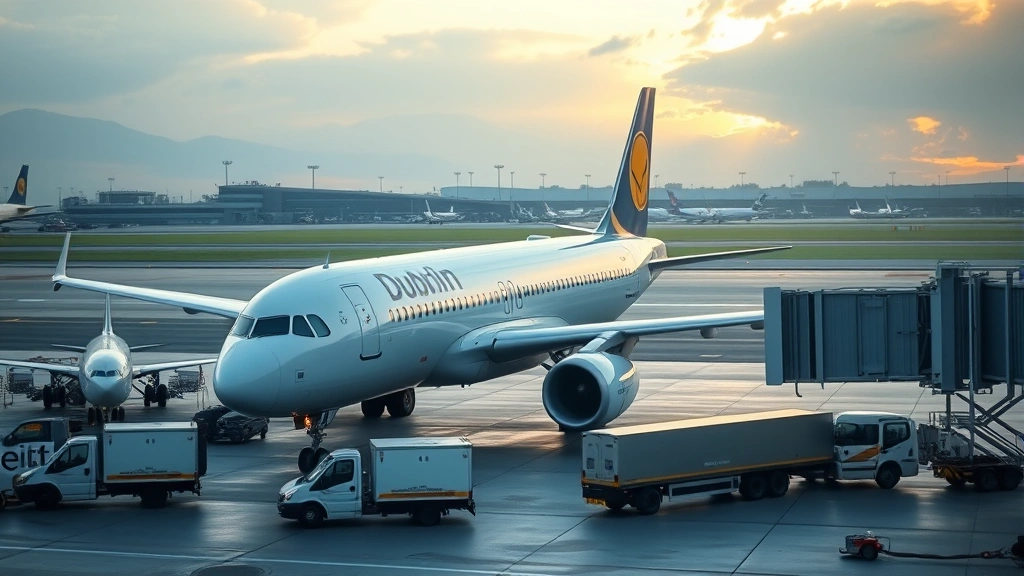
Several major carriers operate the Houston to Dallas corridor, providing passengers with multiple options for their travel needs. Southwest Airlines dominates this route with the most frequent flights, offering numerous daily departures from both Houston airports to Dallas Love Field Airport. Their generous baggage policy and frequent flyer program make them a popular choice for regular travelers on this route.
American Airlines also maintains a significant presence on this route, particularly from Houston’s George Bush Intercontinental Airport (IAH) to Dallas/Fort Worth International Airport (DFW). As a hub carrier at both airports, American offers competitive scheduling and often provides better connectivity options for passengers continuing to other destinations. United Airlines provides additional capacity on select flights, though their presence is less dominant than Southwest or American.
Budget carriers occasionally operate this route during peak travel periods, though their presence fluctuates seasonally. When comparing airlines, consider factors beyond just price—including baggage allowances, seat comfort, frequent flyer benefits, and schedule flexibility. You can check current FAA flight information for real-time schedule updates.
Houston Airports and Departure Points
Houston offers two major commercial airports, each with distinct advantages for the Dallas route. George Bush Intercontinental Airport (IAH), located about 23 miles north of downtown Houston, is the city’s largest airport and primary international hub. It offers more flight options and better connectivity for passengers connecting from other cities. The airport features modern facilities, numerous dining options, and comprehensive passenger amenities.
Houston Hobby Airport (HOU), situated just 7 miles south of downtown, provides a more convenient option for many Houston residents due to its proximity to the city center. Southwest Airlines operates extensively from Hobby, making it an excellent choice for passengers flying that carrier. The airport features shorter security lines and faster processing times compared to IAH, though it has fewer overall flight options.
When selecting your departure airport, consider your location within the Houston metropolitan area. If you’re in downtown Houston or the south side, Hobby offers significant time savings. For passengers on the north side or with connecting flights, IAH may be more convenient. Both airports offer ground transportation options including ride-sharing services, rental cars, and public transit connections.
We recommend checking Houston Airport System information before your trip for current facility details and parking availability.
Dallas Destination Airports
Dallas has two commercial airports serving the metropolitan area, each catering to different airline partnerships and passenger preferences. Dallas Love Field Airport (DAL) sits just 6 miles northwest of downtown Dallas and serves as Southwest Airlines’ primary hub. The airport has undergone significant modernization and offers a streamlined passenger experience with competitive dining and shopping options. Love Field’s proximity to downtown Dallas makes it ideal for business travelers and downtown-focused leisure visitors.
Dallas/Fort Worth International Airport (DFW), located between Dallas and Fort Worth approximately 18 miles from downtown Dallas, serves as American Airlines’ major hub and hosts numerous international carriers. This larger facility offers more flight options, better connectivity to worldwide destinations, and extensive amenities. However, the greater distance from downtown Dallas means longer ground transportation times.
Your choice of arrival airport should depend on your final destination and airline preference. If you’re flying Southwest, Love Field is your only option and offers convenience. For American Airlines and other carriers, DFW provides more options and potential for better connectivity. Consider ground transportation time and cost when making your selection, as this can significantly impact your total travel time.
Flight Duration and Schedule
The actual flight time for a Houston to Dallas flight averages 45 minutes to one hour, making this one of America’s shortest commercial routes. However, total travel time extends considerably when accounting for airport arrival requirements, security screening, boarding, and ground transportation at both ends. Plan for at least 2-2.5 hours total travel time, including the 45-minute flight itself.
Flight schedules vary significantly throughout the week, with peak frequencies during weekday business hours. Early morning departures (6:00 AM to 9:00 AM) serve commuters and business travelers, while midday flights accommodate flexible schedules. Evening departures (4:00 PM to 7:00 PM) capture the after-work travel rush. Weekend schedules typically feature fewer flights with different timing patterns reflecting leisure travel patterns.
Airlines typically operate 8-12 daily flights on this route during normal operations, though this can increase during peak travel seasons. Flight frequencies can be affected by weather, operational disruptions, and seasonal demand fluctuations. Using flight tracking tools and airline apps helps you monitor real-time schedule information and make adjustments as needed.
For comparison, you might also explore Houston to Atlanta flight options if you’re considering alternative destinations in the Southeast region.
Booking Strategies and Best Times
Booking your Houston to Dallas flight strategically can result in significant savings. Advance booking typically yields better fares, with research suggesting that booking 3-6 weeks ahead offers optimal pricing for this short-haul route. However, last-minute deals occasionally appear, particularly for midweek flights with lower demand.
Tuesday and Wednesday flights generally offer the cheapest fares, as business travel concentrates on Monday-Thursday patterns. Weekend flights, particularly Saturday and Sunday departures, tend to be more expensive due to leisure traveler demand. Avoid flying on Friday afternoons and Sunday evenings when prices peak and flights are most crowded.
Time-of-day considerations affect pricing significantly. Early morning flights (before 7:00 AM) and late evening departures (after 6:00 PM) often feature lower fares than convenient midday options. If schedule flexibility is available, choosing less popular flight times can yield 20-30% savings compared to peak-hour flights.
Use flight comparison websites and set up price alerts to monitor fare trends. Direct airline bookings sometimes offer loyalty discounts unavailable through third-party sites. Consider booking directly with airlines when you have elite frequent flyer status or planned loyalty program participation. For frequent travelers on this route, exploring travel planning resources and loyalty program benefits becomes increasingly valuable.
Airport Experience and Ground Time
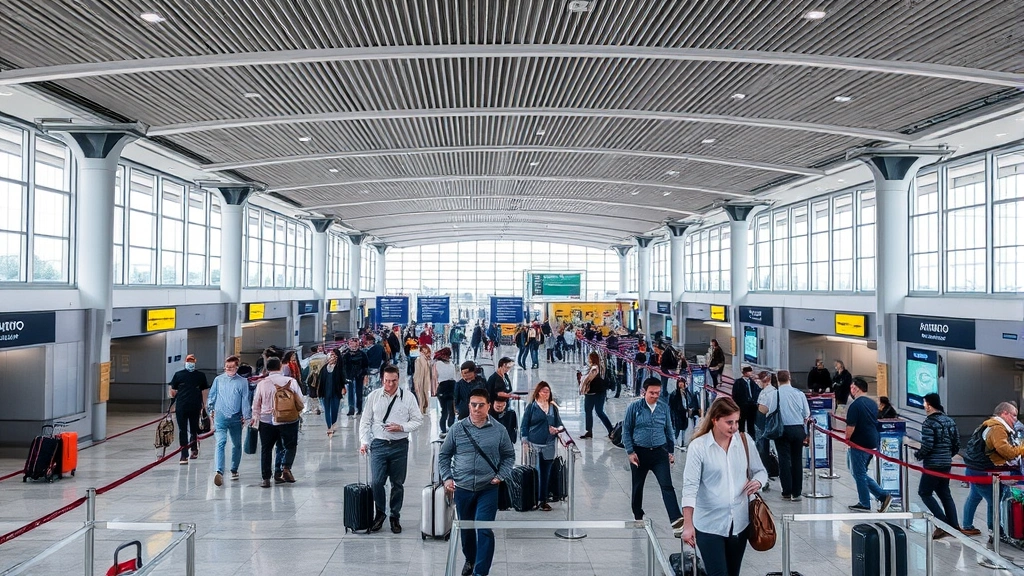
The airport experience for short-haul flights like Houston to Dallas differs significantly from longer routes. Arrive at your departure airport 90 minutes before domestic flight departure, which is generally sufficient for this busy route. During peak travel periods or holidays, arriving 2 hours early provides a safety margin for unexpected delays or security line congestion.
Security screening typically takes 10-20 minutes during normal periods, though this can extend during peak hours. TSA PreCheck or Clear membership accelerates security processing and is worthwhile for frequent travelers on this route. Both Houston airports and Dallas airports offer these expedited screening programs.
Boarding for these short flights occurs efficiently, with airlines typically calling zones 15-20 minutes before scheduled departure. The quick turnaround time means flights depart promptly, so avoid arriving at the gate late. Ground time in Dallas is minimal—from landing to baggage claim takes approximately 15-20 minutes for checked luggage, making this a genuinely quick travel experience.
Airport amenities at all three airports (IAH, HOU, and both Dallas airports) include dining, shopping, and business services. For business travelers, priority pass lounges offer quiet spaces, complimentary refreshments, and business facilities. These lounges become increasingly valuable on frequent short-haul routes where you might transit multiple times monthly.
Fares and Pricing Considerations
Pricing for Houston to Dallas flights varies considerably based on timing, airline, and booking method. Economy fares typically range from $80-$200 for one-way tickets when booked in advance, with last-minute bookings extending into the $200-$300 range. Connecting flights through hub airports occasionally undercut direct fares, though the extended travel time usually makes direct flights preferable.
Baggage policies differ among carriers, significantly impacting true ticket cost. Southwest includes two free checked bags, making their fares excellent value for travelers with luggage. American Airlines charges $35-$45 for first checked bag, and United applies similar fees. Factor these charges into your total cost comparison, as they can swing the value calculation dramatically.
Round-trip bookings sometimes offer better per-segment pricing than individual one-way tickets. However, for flexibility-focused travelers, purchasing separate one-way tickets on different airlines provides more control over schedule changes and provides better protection if one flight is disrupted. The price difference typically justifies the flexibility benefit.
Loyalty program members should always book through airline websites to ensure miles posting correctly. Elite members often receive complimentary upgrades, priority boarding, and lounge access that enhance the short flight experience. For this route’s brevity, upgrades to premium cabin classes (available seats only) provide limited additional benefit but represent nice perks when available.
Alternative Transportation Options
While flying offers speed, alternative transportation methods merit consideration for Houston-Dallas travel. Driving takes 3.5-4 hours via I-45, plus parking and fuel costs. This option makes sense for travelers with flexible schedules, multiple passengers sharing costs, or those requiring a rental car at their destination. Ground transportation eliminates airport hassles and allows departure flexibility.
Bus services like Greyhound and Megabus offer budget-friendly options at $15-$40 per ticket, though travel time extends to 4-5 hours. These services work well for budget-conscious travelers without time constraints and for those wanting to avoid driving or flying stress.
Train service via Amtrak doesn’t directly connect Houston and Dallas, requiring inconvenient routing through other cities. This option rarely makes practical sense for this specific route.
Ride-sharing services provide door-to-door convenience, though costs typically exceed $150-$250 for the 240-mile journey. This option suits travelers prioritizing convenience over cost and those avoiding airport parking fees.
For most business travelers and time-conscious leisure passengers, flying remains the optimal choice despite airport processes. The 45-minute flight plus 2-2.5 hours total travel time beats driving’s 3.5-4 hours significantly. For weekend leisure travelers or those on tight budgets, driving or bus services become more competitive alternatives.
If you’re exploring other routes, our guide on flights to London from LAX provides insights into longer-haul flight planning that contrasts sharply with this short-haul route.
FAQ
How long is the flight from Houston to Dallas?
The actual flight time is approximately 45 minutes to one hour. Total travel time, including airport arrival, security screening, boarding, and ground transportation, typically ranges from 2-2.5 hours. This makes flying competitive with driving for this 240-mile journey.
Which airlines fly Houston to Dallas most frequently?
Southwest Airlines operates the most frequent flights, particularly from Houston Hobby to Dallas Love Field. American Airlines provides substantial capacity from Houston IAH to Dallas/Fort Worth. United Airlines and other carriers operate select flights, offering additional options during peak travel periods.
What’s the cheapest way to book this flight?
Book 3-6 weeks in advance for optimal pricing. Choose Tuesday or Wednesday departures and early morning or late evening flight times for lowest fares. Use flight comparison sites, set price alerts, and consider alternative airports if schedule flexibility permits. Southwest’s included baggage often provides best overall value.
Is it better to fly from IAH or Hobby?
Hobby Airport (HOU) offers better convenience for south Houston residents, shorter security lines, and Southwest’s extensive operations. IAH suits north Houston locations and passengers needing connections or international flights. Choose based on your location and airline preference rather than airport size alone.
Should I drive instead of flying Houston to Dallas?
Flying takes 2-2.5 hours total time versus 3.5-4 hours driving, making flight more time-efficient for most travelers. However, driving costs less for multiple passengers, offers schedule flexibility, and eliminates airport hassles. For solo business travelers, flying typically wins. For leisure groups, driving often makes more sense economically.
Can I get a same-day return trip?
Yes, same-day round trips are common on this route due to frequent flight schedules. Morning flights to Dallas with evening returns work well for day trips and quick business meetings. Book return flights with sufficient buffer time for your Dallas activities and unexpected delays.
What are baggage allowances on this route?
Southwest includes two free checked bags. American, United, and most other carriers charge $35-$45 for the first checked bag. Carry-on baggage is free on all carriers. Factor baggage fees into your airline comparison, as they significantly impact total cost.
Are there nonstop flights between Houston and Dallas?
Yes, all flights on this route are nonstop. The short distance and high passenger volume make connecting flights impractical and uncompetitive. You’ll experience direct service regardless of airline choice, though some passengers might connect through Dallas to other destinations.