LAX to Honolulu Flights: Expert Recommendations for Your Hawaii Getaway
Flying from Los Angeles International Airport (LAX) to Daniel K. Inouye International Airport (HNL) in Honolulu is one of the most popular domestic routes in the United States. This scenic journey across the Pacific Ocean connects California’s bustling entertainment hub with Hawaii’s tropical paradise, making it an ideal choice for both leisure travelers and business professionals. The route has become increasingly competitive in recent years, with multiple carriers offering various service levels and pricing options that cater to different traveler preferences and budgets.
Whether you’re planning a relaxing beach vacation, a family reunion, or a business conference, understanding the ins and outs of LAX to Honolulu flights will help you make informed decisions and potentially save significant money. This comprehensive guide draws from industry expertise and passenger feedback to provide you with actionable recommendations that go beyond basic booking tips. We’ll explore everything from airline selection and timing strategies to in-flight comfort considerations and money-saving tactics that experienced travelers swear by.

Airlines Serving the LAX-HNL Route
The LAX to Honolulu corridor is serviced by several major carriers, each offering distinct advantages depending on your priorities. Hawaiian Airlines dominates this route as the primary operator, leveraging their extensive inter-island network and deep connection to Hawaii. United Airlines, Southwest Airlines, and Delta Air Lines also provide regular service, creating a competitive environment that benefits consumers. American Airlines occasionally offers seasonal flights on this route as well, though their presence is less consistent than the others.
Hawaiian Airlines typically operates the most frequent departures, with multiple daily flights throughout the day. Their intimate knowledge of the Hawaii market and frequent flyer program benefits make them attractive to regular travelers on this route. United and Delta offer competitive pricing and extensive connection options for passengers traveling from other parts of the country. Southwest’s baggage policy, which includes two free checked bags, makes them particularly appealing to families and travelers with substantial luggage needs.
Flight Duration and Schedule
The flight time from LAX to Honolulu is consistently around 5 to 5.5 hours under normal conditions. This relatively short duration for a transpacific flight makes it manageable even for nervous flyers and families with young children. However, it’s important to note that return flights from Honolulu to LAX typically take 30 minutes to one hour longer due to prevailing westerly winds aloft. Understanding this timing difference helps with planning your return journey and managing jet lag considerations.
Most airlines offer flights throughout the day, with early morning departures around 6 AM and evening departures as late as 9 PM. Early morning flights allow you to arrive in Honolulu by mid-afternoon local time, giving you the remainder of the day to settle into your hotel or begin exploring. Evening departures are popular with travelers who prefer not to wake up extremely early, though these flights arrive late evening, limiting your first day activities. Learn more about flight duration to Hawaii for additional context on your journey.
Smart Booking Strategies for LAX to Honolulu Flights
Timing your booking correctly can yield substantial savings on LAX to Honolulu flights. Industry data suggests that booking 1 to 3 months in advance typically offers the best prices for this route. However, the sweet spot varies depending on the season. During peak travel periods (summer months, winter holidays, spring break), booking even further in advance—up to 8 weeks—becomes advisable. Off-season travel in May, September, and early November often presents last-minute deals, sometimes available just 2 to 3 weeks before departure.
Setting up price alerts on multiple booking platforms ensures you don’t miss opportunities when fares drop. Major booking sites like Kayak, Google Flights, and Hopper allow you to monitor specific routes and receive notifications when prices change significantly. Consider flying on Tuesdays, Wednesdays, or Saturdays rather than Fridays or Sundays, when leisure travelers pack flights and drive up prices. Avoiding peak hours (early morning and evening) in favor of mid-day departures often reveals cheaper fares, though this depends on your schedule flexibility.
Being flexible with your exact travel dates can unlock savings of 20 to 40 percent compared to fixed-date bookings. If your vacation allows for a day or two of flexibility, comparing prices across a range of dates before committing reveals the cheapest options. Some travelers find success booking one-way tickets separately if they discover cheaper pricing on different airlines for each leg, though this approach carries risks if your first flight is delayed.
Detailed Airline Comparison for Your Journey
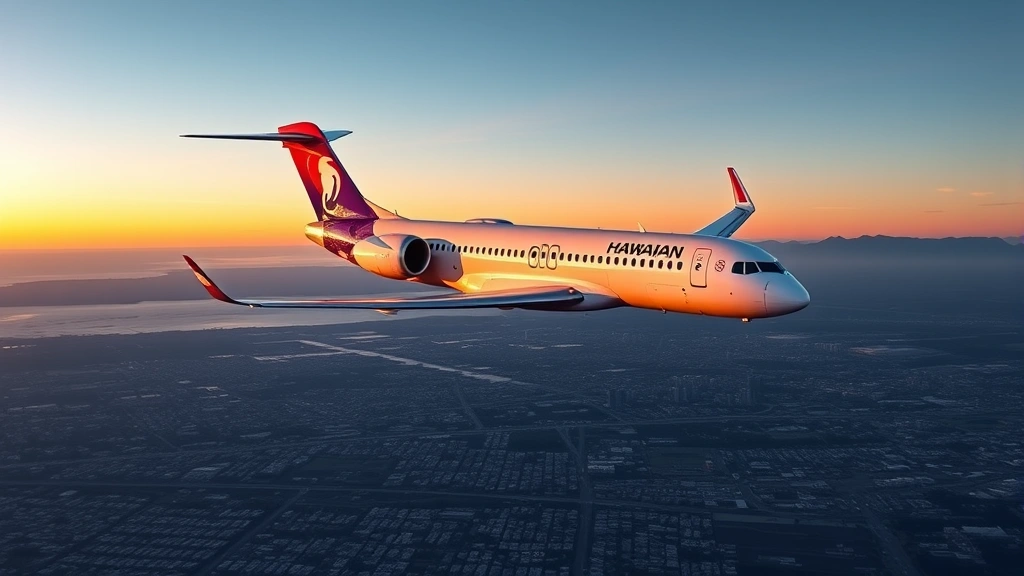
Hawaiian Airlines stands out as the specialist carrier on this route, offering the most frequent flights and the deepest loyalty rewards program for regular travelers. Their Boeing 717 aircraft on this route provides a comfortable single-aisle experience. Hawaiian’s Kahili Business Class offers lie-flat seats on some aircraft, though many LAX-HNL flights operate with standard premium economy seating. Their frequent flyer program (HawaiianMiles) provides excellent value for those planning repeat visits to the islands.
Southwest Airlines appeals to budget-conscious travelers and families. Their generous baggage allowance (two free checked bags), no change fees policy, and open seating create a casual, flexible flying experience. Southwest typically uses Boeing 737 aircraft, which feel spacious compared to some competitors. However, their cabin service is more minimal, with snacks and beverages available for purchase rather than complimentary meals. Southwest’s lack of assigned seating means arriving early for boarding to secure preferred seats.
United Airlines offers premium service levels and extensive connections through LAX. Their lie-flat Polaris Business Class seats on larger aircraft provide exceptional comfort for premium passengers, though most LAX-HNL flights operate with standard cabin configurations. United’s frequent flyer program (MileagePlus) integrates well with their broader network, benefiting passengers connecting from other cities. Their premium economy offering provides more legroom than standard economy without the business class price tag.
Delta Air Lines provides competitive pricing and consistent service quality. Delta’s SkyMiles program offers reasonable earning rates, and their partner benefits through airline alliances can enhance value. Delta typically operates Boeing 767 or 737 aircraft on this route, providing a solid middle ground between capacity and comfort. Their customer service reputation remains strong, which matters when flight issues arise.
Seat Selection and Comfort Considerations
Choosing the right seat significantly impacts your 5+ hour journey across the Pacific. Window seats offer stunning views of the California coastline at departure and Hawaii’s landscapes on arrival, plus the ability to lean against the fuselage for sleeping. Middle seats are generally considered the least desirable due to limited armrest access and being hemmed in by two other passengers. Aisle seats provide easy restroom access and stretch-out opportunities, valuable for longer flights.
Exit row seats provide substantially more legroom and are worth the modest upgrade fee, typically $15 to $25. These seats are particularly valuable if you’re over six feet tall or simply prefer extra space. However, be aware that exit row seats come with safety responsibilities—you must be willing and able to assist in an emergency evacuation. Airlines may deny assignment to passengers with mobility issues or those who appear unwilling to fulfill these duties.
For families traveling with young children, rows near the galley offer advantages—flight attendants are more accessible for assistance, and the area provides informal space for children to stand and stretch. Seats near the rear of the cabin tend to be slightly cheaper, though they’re closer to lavatories and may experience more noise from restroom usage. Bulkhead seats offer extra legroom but eliminate under-seat storage for personal items.
Invest in a quality travel pillow regardless of which seat you select, as proper neck support enhances sleep quality on this route. Compression socks help prevent deep vein thrombosis on longer flights and reduce leg swelling, particularly valuable for passengers with circulation concerns.
Understanding Baggage Policies and Associated Fees
Baggage policies vary significantly among carriers operating LAX to Honolulu flights, directly impacting your total travel cost. Southwest Airlines includes two free checked bags with every ticket, making them the clear winner for passengers traveling with substantial luggage. This advantage alone can save $60 to $70 compared to carriers charging for checked baggage. Hawaiian Airlines allows one free checked bag in economy class, with additional bags costing $35 each. United, Delta, and American Airlines similarly charge for checked bags beyond the first one, typically $35 for the second bag and $45 for the third.
All major carriers allow one complimentary personal item (purse, backpack, laptop bag) and one carry-on bag in standard economy. However, carry-on dimensions vary slightly among airlines—most enforce a 22 x 14 x 9 inch maximum, though some allow slightly larger bags. Exceeding these dimensions may result in gate-checking your bag, delaying your boarding and creating potential baggage handling issues.
Special baggage fees apply to sports equipment, musical instruments, and oversized items. Surfboards, golf clubs, and dive gear typically incur $50 to $100 fees depending on the airline. If you’re traveling to Hawaii for water sports, factor these fees into your budget comparison. Musical instruments may be allowed as carry-on items if they fit within size restrictions, avoiding baggage fees entirely.
Best Times to Fly LAX to Honolulu
Seasonal considerations dramatically affect pricing and crowding on this popular route. Winter months (December through February) represent peak season due to holiday travel and those escaping mainland cold. Expect fully booked flights, premium pricing, and crowded airports. If you must travel during winter, book 8 to 10 weeks in advance and plan for substantial costs. The winter period after New Year’s (January 2 through mid-February) is slightly less expensive than the December holiday rush.
Summer season (June through August) brings families on school vacation, driving up prices and crowding. However, it offers the most consistent sunny weather in Hawaii and the warmest ocean temperatures. Mid-June through early July, before school summer breaks peak, offers slightly better pricing than late July and August.
Shoulder seasons (March through May and September through November) provide the best value and reasonable weather. May through early June offers exceptional value with warm weather approaching. September through early October provides excellent deals as summer vacation ends and the weather remains pleasant. Late October through November sees increasing hurricane season awareness (though direct hits remain rare), potentially contributing to lower prices.
Avoid traveling around spring break (mid-March through early April) when schools take breaks and families flood the route. Similarly, the week surrounding Thanksgiving and the entire Christmas-New Year period brings peak crowds and maximum pricing.
Navigating LAX and Honolulu Airports Efficiently
LAX is one of America’s busiest airports, so arriving 2 to 2.5 hours before domestic departure is essential. The airport’s multiple terminals can confuse first-time visitors—confirm your airline’s terminal location when booking. Using LAX’s website’s terminal finder tool prevents arriving at the wrong terminal. Consider using TSA PreCheck ($78 for 5 years) or Clear ($189 annually) to expedite security screening, particularly valuable at LAX’s often-congested checkpoints.
LAX offers numerous dining and shopping options, though prices are premium. Eating before arriving at the airport or bringing snacks reduces expenses. The airport includes quiet zones and charging stations if you arrive early and want to relax before boarding. Parking at LAX is expensive ($15 to $32 per day depending on lot), so ride-sharing services like Uber or Lyft often provide better value, particularly for solo travelers.
Daniel K. Inouye International Airport (HNL) in Honolulu is significantly smaller and more relaxed than LAX. Baggage claim moves quickly, and ground transportation is readily available. The airport includes rental car facilities, taxi stands, and ride-sharing pickup zones. If traveling during peak hours, expect moderate crowds, but nothing comparable to mainland major airports. The airport is located about 4 miles from downtown Honolulu, approximately 15 to 20 minutes by car depending on traffic.
Compare this route to other LAX departures or explore other popular domestic routes if you’re flexible with destinations. Visit our travel blog for additional destination insights and flight planning resources. For those interested in the aviation industry itself, learn about flight attendant careers and industry perspectives.
Frequently Asked Questions About LAX to Honolulu Flights
What’s the cheapest way to fly from LAX to Honolulu?
Southwest Airlines typically offers the lowest fares due to their business model and included baggage fees. Booking 6 to 8 weeks in advance for off-season travel (May, September, October) on Tuesday or Wednesday departures usually yields the best prices. Using price comparison tools and setting up alerts helps capture deals when prices drop unexpectedly.
Which airline is best for families on this route?
Southwest Airlines excels for families due to their generous baggage allowance, no change fees, and family-friendly policies. Hawaiian Airlines is also family-oriented with frequent flights and kid-friendly amenities. Both airlines offer good value for families compared to competitors charging for checked bags.
How early should I book LAX to Honolulu flights?
For off-season travel, 4 to 6 weeks in advance is typically sufficient. For peak season (summer and winter holidays), book 8 to 10 weeks ahead. Setting up price alerts allows you to book immediately when fares drop to your target price, regardless of the booking window.
Are there direct flights from LAX to Honolulu?
Yes, all flights on this route are direct. The flight time is approximately 5 to 5.5 hours westbound and 5.5 to 6 hours eastbound due to prevailing winds.
What’s the time difference between LAX and Honolulu?
Honolulu is 2 hours behind Los Angeles. When it’s noon in Los Angeles, it’s 10 AM in Honolulu. This time difference helps minimize jet lag on westbound flights.
Can I get a refund if my flight is cancelled?
Yes, passengers are entitled to refunds or rebooking on alternative flights if the airline cancels your flight. However, airlines are not required to provide compensation for cancellations due to weather or mechanical issues. Travel insurance can provide additional protection against these scenarios.
What documents do I need for LAX to Honolulu flights?
Since Hawaii is part of the United States, you only need a valid government-issued photo ID (driver’s license or passport). However, if your ID is expired, you’ll need to bring an alternative form of identification.