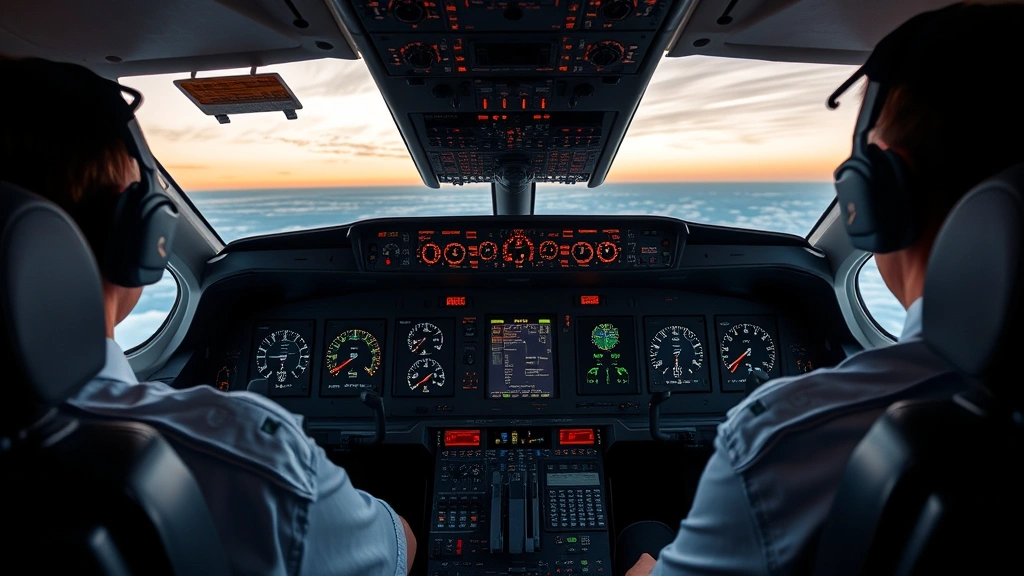
Why Did United Airlines Make an Emergency Landing? Understanding Aviation Safety Protocols
Emergency landings are among the most dramatic moments in aviation, often leaving passengers shaken and wondering what went wrong. When a United Airlines flight emergency landing occurs, it captures immediate attention from media outlets, aviation authorities, and concerned travelers worldwide. These incidents, while rare, represent the aviation industry’s commitment to passenger safety and the rigorous training pilots undergo to handle critical situations. Understanding why these emergencies happen helps demystify the process and reinforces confidence in modern air travel safety systems.
United Airlines, as one of the largest carriers in North America, operates hundreds of daily flights across numerous routes. Like all major airlines, United has experienced several emergency situations throughout its operational history. Each incident provides valuable insights into how aircraft systems function under stress and how well-trained flight crews respond to unexpected challenges. The reality is that emergency landings, while serious, are executed with precision and professionalism by highly trained pilots who have spent years preparing for such scenarios.
This comprehensive guide explores the various reasons why United Airlines flights have required emergency landings, the procedures involved, and what modern aviation safety measures ensure your protection in the skies. We’ll examine real incidents, discuss the technical aspects of emergency protocols, and provide context for understanding aviation safety in the modern era.
Common Reasons for Emergency Landings
Emergency landings occur for various reasons, and understanding these categories helps passengers appreciate the complexity of aviation operations. Most emergency landings are classified into several distinct categories, each requiring specific responses from the flight crew. The Federal Aviation Administration (FAA) maintains detailed records of all emergency declarations, providing transparency into aviation safety across the industry.
The most common triggers for declaring an emergency include mechanical malfunctions, unexpected medical situations aboard the aircraft, severe weather encounters, and operational anomalies. United Airlines, like all major carriers, trains its pilots extensively to recognize warning signs and make appropriate decisions regarding emergency declarations. It’s important to note that declaring an emergency doesn’t necessarily mean the aircraft is in immediate danger—it simply alerts ground personnel that special handling may be required and that emergency services should be on standby.
Hydraulic system failures represent one category of mechanical issues that can necessitate emergency procedures. Aircraft typically have multiple redundant hydraulic systems, so a single failure rarely creates critical danger. However, pilots must follow strict protocols and land at the nearest suitable airport to ensure passenger safety. Electrical system anomalies, engine problems, and pressurization issues also trigger emergency declarations. The sophisticated onboard diagnostics systems modern aircraft possess alert pilots immediately to any system degradation, allowing them to take proactive measures.
Weather-related emergencies include encounters with severe turbulence, wind shear during approach, or sudden weather deterioration at the destination airport. Pilots continuously monitor weather patterns and may divert to alternate airports if conditions become unsafe. United’s sophisticated weather radar and real-time meteorological data integration enable flight crews to make informed decisions well before reaching critical situations.
Mechanical Failures and Technical Issues
Mechanical failures represent a significant category of emergency landings, though modern aircraft design emphasizes redundancy to prevent single-point failures from becoming catastrophic. When United Airlines pilots identify mechanical problems through instrument readings or unusual aircraft behavior, they follow established checklists and procedures to stabilize the situation.
Engine-related issues are among the most serious mechanical problems, though modern turbine engines are remarkably reliable. When engine parameters deviate from normal ranges—such as abnormal vibration, temperature, or pressure readings—pilots immediately assess the situation and may shut down the affected engine. Modern commercial aircraft are certified to fly safely on remaining engines, and pilots train extensively for single-engine operations. The Boeing 737, Airbus A320, and Boeing 787 aircraft commonly operated by United all possess excellent single-engine performance characteristics.
Landing gear malfunctions require careful handling but rarely result in catastrophic outcomes. If landing gear fails to extend properly, pilots can attempt cycling procedures, use backup systems, or execute a controlled landing on foam-covered runways. Modern aircraft possess multiple redundant landing gear actuation systems, and emergency procedures have been refined over decades of operational experience. The dramatic nature of gear-up landings often receives media attention, but these situations are handled routinely by experienced pilots.
Pressurization system failures demand rapid response since unpressurized cabins become dangerous at high altitudes. Pilots immediately descend to altitudes where cabin pressure naturally remains safe—typically 10,000 feet or lower. Oxygen masks deploy automatically when cabin pressure drops abnormally, providing passengers with breathable air while the aircraft descends to safe altitudes. United’s maintenance programs ensure pressurization systems receive thorough inspections and regular servicing.
For more detailed information about airline operations and safety protocols, consult the Federal Aviation Administration website, which provides comprehensive safety data and regulations.
Medical Emergencies and Health Crises
Medical emergencies aboard aircraft represent another common reason for emergency declarations. When passengers or crew members experience serious health events, pilots must balance the urgency of medical intervention against the safety considerations of deviating from planned routes or executing emergency procedures.
Common medical emergencies include severe cardiac events, respiratory distress, loss of consciousness, and sudden severe injuries. Flight attendants receive training in first aid and CPR, and larger aircraft carry automated external defibrillators (AEDs) and medical kits. When serious medical situations arise, pilots consult with medical professionals on the ground through established communication channels. These consultations help determine whether the aircraft should continue to its destination or divert to the nearest airport for emergency medical services.
United Airlines maintains medical kits aboard all flights, staffed by trained personnel. The airline also participates in programs connecting flight crews with on-call physicians who can provide guidance during medical emergencies. Pregnant passengers experiencing labor complications, diabetic passengers suffering insulin reactions, and passengers with allergic reactions represent common scenarios requiring emergency medical intervention.
The decision to declare a medical emergency and divert depends on several factors: the severity of the condition, the aircraft’s current altitude and proximity to airports, flight time remaining to the destination, and available ground medical facilities. Pilots generally err on the side of caution, prioritizing passenger welfare over schedule adherence. Modern aircraft equipped with advanced avionics can reach alternate airports quickly, and ground emergency services stand ready to meet diverted flights immediately upon landing.
Understanding airline operations and key airline information and tips for travelers helps passengers appreciate the complexity of flight operations and the multiple systems designed to protect their safety.
Weather-Related Emergencies
Weather represents one of the most significant environmental factors affecting flight operations. While modern aircraft can safely operate in a wide range of weather conditions, certain phenomena require emergency procedures or diversions to ensure passenger safety.
Severe turbulence, while rarely dangerous to the aircraft structure itself, can injure passengers and crew members. When pilots encounter unexpectedly severe turbulence, they may declare an emergency and request expedited descent or landing to minimize passenger discomfort and injury risk. Wind shear during takeoff or landing poses more serious challenges, potentially affecting aircraft performance. Pilots receive extensive training in wind shear recognition and recovery procedures, and modern aircraft equipped with wind shear detection systems provide advance warning of dangerous conditions.
Thunderstorms present multiple hazards including lightning strikes, hail, severe updrafts and downdrafts, and low-level wind shear. While aircraft are designed to withstand lightning strikes, pilots actively avoid thunderstorms when possible by routing around them or requesting altitude changes. The sophisticated weather radar systems in modern aircraft allow pilots to visualize storm locations and intensity, enabling informed routing decisions.
Low visibility conditions from fog, heavy precipitation, or smoke can affect landing operations. Modern aircraft equipped with precision instrument landing systems (ILS) can land safely in visibility conditions that would ground other aircraft. However, if visibility deteriorates below minimums for a particular airport, pilots must divert to an alternate airport with better conditions. United maintains contingency planning for weather-related diversions, ensuring adequate fuel reserves and alternate airport availability.
Volcanic ash encounters, while rare in most regions, pose serious threats to aircraft engines and systems. When volcanic ash is reported in the upper atmosphere, pilots receive notices to avoid affected areas. Historical volcanic ash encounters have led to engine failures and emergency landings, leading to enhanced procedures and real-time ash tracking systems.
Crew Procedures and Response Protocols
United Airlines pilots undergo rigorous training in emergency procedures, with regular simulator sessions ensuring proficiency in handling various scenarios. The standardized procedures, known as standard operating procedures (SOPs), provide pilots with systematic approaches to identifying problems, assessing severity, and implementing appropriate responses.
When pilots identify an abnormal situation, they follow a diagnostic process: recognizing the problem through instrument readings or unusual aircraft behavior, consulting checklists to verify the situation and identify appropriate responses, and implementing corrective actions. For serious situations requiring emergency services or special handling, pilots declare an emergency with air traffic control, providing essential information about the nature of the emergency and requested assistance.
Communication between pilots and air traffic control becomes particularly important during emergencies. Pilots clearly state the emergency nature, current aircraft status, and any special requirements such as fire equipment positioning or medical services availability. Air traffic control prioritizes emergency aircraft, clearing airspace and directing traffic around the emergency aircraft to ensure safe handling.
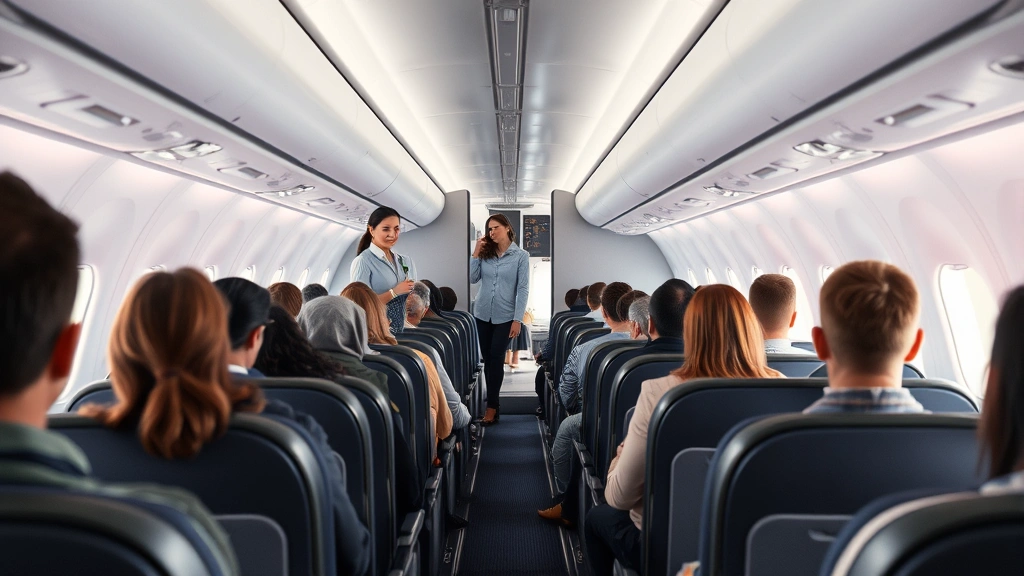
Flight attendants play crucial roles during emergencies, preparing the cabin for potential impacts, ensuring passengers assume brace positions, and providing reassurance through calm demeanor. United’s flight attendants receive recurrent training in emergency procedures, including evacuation techniques, fire suppression, and passenger communication. The coordination between flight crews—pilots managing aircraft systems and flight attendants managing cabin operations—proves essential during serious emergencies.
The decision-making process during emergencies reflects pilot training, experience, and judgment. Experienced pilots, having encountered various scenarios in simulators and actual operations, make calm, deliberate decisions prioritizing passenger safety. United’s culture emphasizes safety above all other operational considerations, supporting pilot decision-making that prioritizes safety even when causing inconvenience or schedule disruptions.
Passenger Safety During Emergency Situations
Passenger safety remains the paramount concern during any emergency situation. Understanding what to expect during emergencies helps passengers remain calm and follow crew instructions effectively, enhancing overall safety outcomes.
Prior to departure, flight attendants conduct safety demonstrations explaining emergency procedures, evacuation techniques, and oxygen system operation. While many passengers view these demonstrations as routine, they provide essential information that passengers should absorb. Paying attention during safety briefings ensures you understand emergency procedures and know how to operate safety equipment.
During emergencies, maintaining calm and following crew instructions proves absolutely critical. Flight attendants provide clear, authoritative directions regarding passenger positioning, evacuation timing, and emergency equipment use. Panic or non-compliance can delay evacuations and compromise safety for everyone aboard. United’s training emphasizes crew authority during emergencies, enabling flight attendants to manage passenger behavior effectively.
Oxygen systems deploy automatically when cabin pressure drops abnormally. Passengers should place oxygen masks over their nose and mouth, secure the elastic band, and breathe normally. Oxygen flow may not be immediately apparent, but the system functions properly. Parents should assist children, and able-bodied passengers should help elderly or disabled passengers with oxygen mask placement.
Life vests, located under seats or in armrests depending on aircraft type, should be donned if water evacuation appears likely. Passengers should follow crew instructions regarding life vest inflation timing—most vests should be inflated only after exiting the aircraft to ease movement through cabin aisles.
For essential tips for long haul flights, familiarizing yourself with aircraft safety features and procedures ensures preparedness for any situation. Reading the safety card in your seat pocket provides valuable information specific to your aircraft type.
Modern aircraft undergo rigorous maintenance and inspection programs, with each aircraft receiving detailed inspections at scheduled intervals. Maintenance records are meticulously documented, and aircraft operate only after maintenance personnel certify all systems as functional. This systematic approach to maintenance, combined with pilot proficiency requirements and crew training, creates multiple layers of protection ensuring passenger safety.
For comprehensive information on airline safety and operations, the International Civil Aviation Organization establishes international standards and recommended practices for aviation safety worldwide.
FAQ
What should I do if I’m on a United flight experiencing an emergency?
Remain calm and listen carefully to crew instructions. Flight attendants are trained professionals who will guide you through the situation. Follow their directions regarding passenger positioning, evacuation procedures, or emergency equipment use. Panic compromises safety for everyone aboard, so maintaining composure proves essential.
How often do United Airlines flights experience emergencies?
Emergency declarations occur relatively infrequently considering United operates hundreds of daily flights. Modern aircraft systems, pilot training, and maintenance programs make aviation remarkably safe. Most emergency declarations result in precautionary landings rather than actual emergencies, reflecting pilot professionalism in prioritizing safety.
Are emergency landings dangerous?
Emergency landings, while serious, are executed by highly trained pilots following established procedures. Modern aircraft possess excellent safety characteristics and can land safely even with significant system degradation. Pilots practice emergency procedures extensively in simulators before encountering actual emergencies. The combination of aircraft design, pilot training, and emergency procedures makes emergency landings survivable in virtually all scenarios.
What happens after an emergency landing?
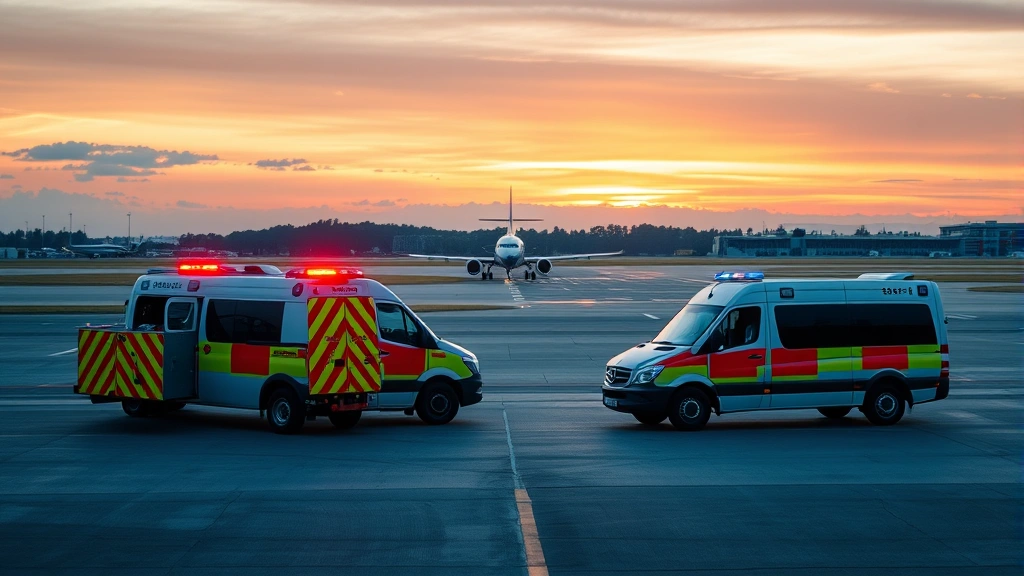
After landing, passengers remain aboard the aircraft until emergency services complete initial assessments. Depending on the emergency nature, passengers may evacuate using slides or exit normally through doors. United arranges transportation to terminal facilities and provides passenger assistance, rebooking, and accommodations as needed. Passengers requiring medical attention receive immediate transport to healthcare facilities.
How can I prepare for potential flight emergencies?
Pay attention during safety briefings and read the safety card in your seat pocket. Familiarize yourself with emergency equipment locations and operation procedures. Maintain calm demeanor and follow crew instructions implicitly. Knowing emergency procedures and understanding aircraft safety systems builds confidence and enables appropriate responses if emergencies occur.
Understanding best airlines for international travel includes evaluating their safety records and emergency response capabilities, important factors for choosing reliable carriers for your journeys.
Does United Airlines have a good safety record?
United Airlines maintains a strong safety record consistent with industry standards. The airline invests significantly in aircraft maintenance, pilot training, and safety programs. Modern commercial aviation represents one of the safest transportation modes, with commercial jet accidents remaining extraordinarily rare. United’s operational practices align with industry best practices and regulatory requirements.
For additional information about flight operations and emergency procedures, consult the National Transportation Safety Board, which investigates aviation accidents and incidents, providing valuable insights into aviation safety.
Exploring Sky Voyage Hub’s travel blog provides additional resources for understanding aviation operations and travel safety considerations. Learning about airline loyalty programs also helps frequent travelers understand the airlines they fly with regularly.


