British Airways Flight BA286: Safety Protocols and Emergency Procedures
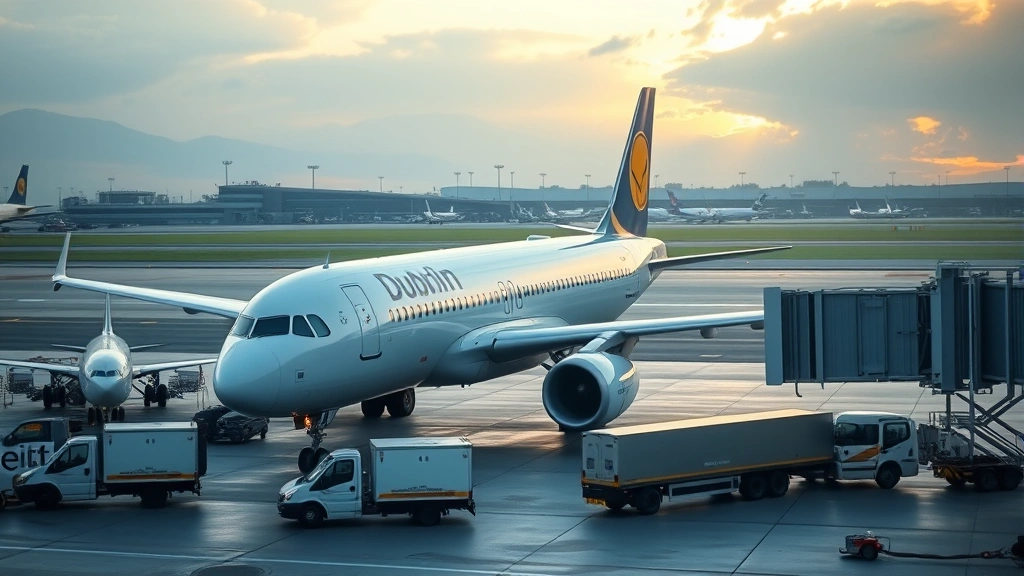
British Airways flight BA286 represents one of the world’s most heavily traveled transatlantic routes, connecting London’s Heathrow Airport with major North American destinations. As a premier international carrier, British Airways maintains rigorous safety standards and comprehensive emergency protocols that protect thousands of passengers annually on this route. Understanding these safety measures provides valuable insight into modern aviation safety and the meticulous planning that goes into every flight operation.
Flight BA286 operates as part of British Airways’ extensive network, and like all commercial aircraft operations, it adheres to strict regulatory frameworks established by aviation authorities worldwide. The aircraft, crew training, maintenance procedures, and emergency response systems work in concert to ensure passenger safety. Whether you’re a frequent flyer or preparing for your first transatlantic journey, knowing about these safety protocols can enhance your confidence and peace of mind when boarding this popular flight.
This comprehensive guide explores the safety infrastructure, emergency procedures, and protocols that make BA286 one of the safest ways to cross the Atlantic. From pre-flight inspections to in-flight emergency systems, we’ll examine how British Airways prioritizes passenger protection and operational excellence.
Pre-Flight Safety Inspections and Aircraft Maintenance
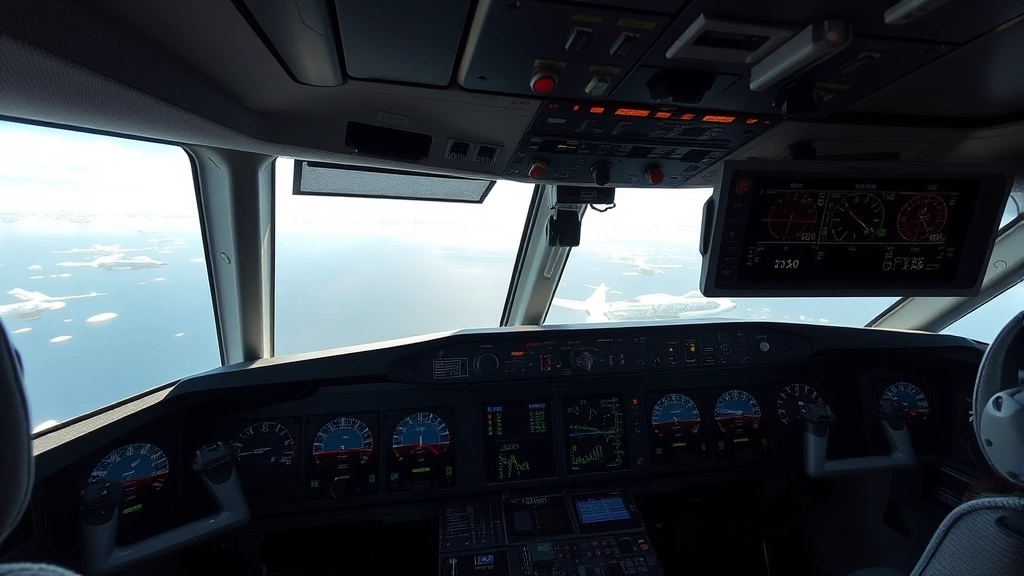
Before BA286 takes to the skies, British Airways conducts exhaustive pre-flight inspections that examine every critical system. These inspections follow standardized protocols established by aviation regulatory bodies and British Airways’ own enhanced safety procedures. Maintenance teams inspect hydraulic systems, electrical components, avionics, engines, and structural integrity using both visual examination and sophisticated diagnostic equipment.
The aircraft undergoes scheduled maintenance checks at regular intervals, classified as A-checks, C-checks, and D-checks. Each level of inspection becomes progressively more comprehensive, with D-checks involving complete teardowns of major aircraft sections. For the Boeing 777 and Airbus A350 aircraft typically operating BA286, these maintenance cycles ensure that components are replaced before they approach service life limits, far exceeding minimum regulatory requirements.
British Airways maintains a fleet management system that tracks every component, from engines to cabin seats, ensuring nothing is overlooked. Airlines implement comprehensive maintenance protocols to guarantee operational safety. The airline’s maintenance facility at Heathrow includes specialized equipment for testing and repairing aircraft systems, with technicians holding certifications exceeding industry minimums.
Additionally, fuel system inspections verify that BA286 receives only approved jet fuel meeting strict specifications. Fuel contamination, water ingress, and microbial growth are actively prevented through regular tank inspections and filtering systems. The aircraft’s fuel quantity indicating system is tested to ensure accurate fuel level readings throughout the flight, critical for long-haul transatlantic operations.
Crew Training and Emergency Preparedness
The flight crew operating BA286 undergoes continuous training that far exceeds regulatory minimums. Pilots receive extensive recurrent training every six months, including emergency scenarios, system malfunctions, and abnormal procedures. British Airways pilots operate in a highly structured training environment using full-motion flight simulators that replicate BA286 aircraft types with remarkable accuracy.
Emergency training covers scenarios including engine failures, hydraulic malfunctions, cabin depressurization, fire emergencies, medical crises, and security threats. Pilots practice these scenarios repeatedly until procedures become automatic, ensuring rapid, coordinated responses during actual emergencies. Top-tier airlines maintain exceptional crew training standards to handle any situation that might arise during flight operations.
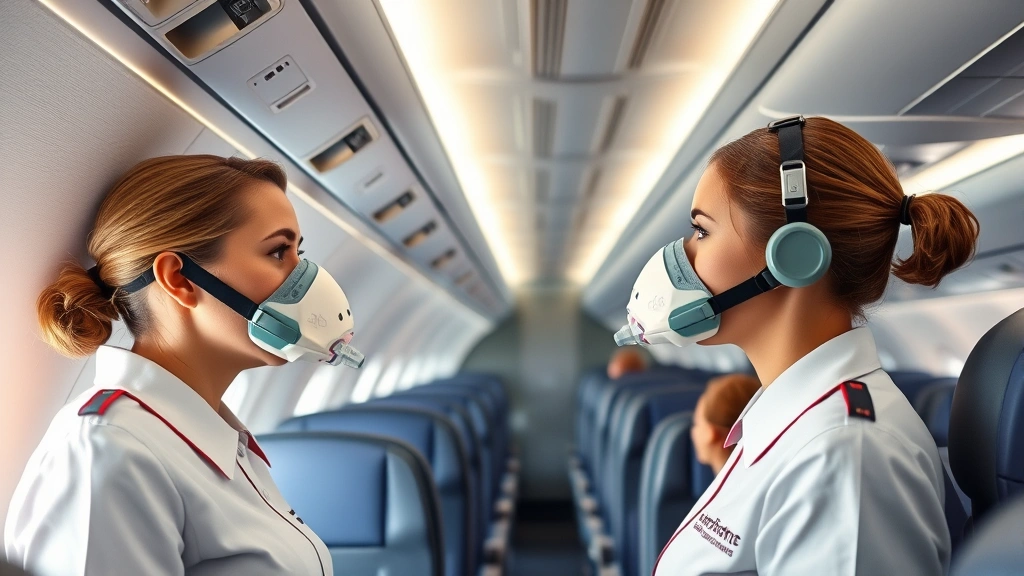
Flight attendants receive equally rigorous safety training, including emergency evacuation procedures, first aid certification, fire suppression techniques, and de-escalation protocols. They participate in annual recurrent training that includes practical exercises in aircraft evacuation slides and emergency equipment operation. For BA286 specifically, flight attendants train on the specific aircraft type, learning the precise location of emergency exits, oxygen systems, and safety equipment unique to that aircraft.
The captain and first officer maintain currency through regular flight operations and simulator sessions. British Airways follows a fatigue management system preventing crew from operating while fatigued, recognizing that alertness directly impacts safety decision-making. For long-haul flights like BA286, crew rest periods and relief crew ensure that primary flight crew maintain optimal alertness during critical flight phases.
In-Flight Safety Systems and Equipment
BA286 aircraft are equipped with multiple redundant safety systems, meaning critical functions have backup systems that activate automatically if primary systems fail. The flight control systems feature hydraulic redundancy, allowing the aircraft to maintain control even if multiple hydraulic systems are compromised. Modern aircraft operating BA286 include fly-by-wire systems with multiple independent computers, each capable of controlling the aircraft independently.
Fire detection and suppression systems protect both engines and cargo compartments. Multiple fire detectors continuously monitor engine temperatures and cargo hold conditions, triggering automatic fire suppression systems if temperatures exceed safe limits. Engine fire suppression bottles can be discharged manually by flight crew if automatic systems don’t activate, providing layered protection against this serious hazard.
Oxygen systems aboard BA286 provide supplemental oxygen for passengers and crew in the event of cabin depressurization. Oxygen masks deploy automatically if cabin pressure drops below safe levels, with additional portable oxygen bottles available for crew to assist passengers. The aircraft’s pressurization system maintains cabin altitude equivalent to 8,000 feet or lower, even at cruising altitudes exceeding 40,000 feet, ensuring passenger comfort and safety.
Emergency lighting systems throughout BA286 activate automatically during power failures, illuminating evacuation routes and emergency exits. Floor-level lighting guides passengers toward exits even in zero visibility conditions. The aircraft carries life vests for all passengers, and long-haul aircraft like those operating BA286 include life rafts deployed through ceiling hatches in the event of water landing.
Communication systems include multiple independent radio systems, satellite communication (SATCOM) capabilities, and backup communication equipment. This ensures that flight crews can maintain contact with air traffic control and emergency services throughout the flight, regardless of location or system failures. Modern aircraft also carry emergency locator transmitters (ELTs) that activate automatically upon crash impact, transmitting the aircraft’s position to search and rescue authorities.
Emergency Response Procedures
BA286 flight crews follow established procedures for various emergency scenarios, with decision trees guiding responses based on specific conditions. These procedures are detailed in aircraft operating manuals and emergency procedures checklists that crews train on extensively. For medical emergencies, procedures include accessing onboard medical kits and, when necessary, coordinating with ground-based medical professionals through satellite communication.
In the event of engine failure, BA286 aircraft are certified to continue flying safely to a suitable airport. Modern twin-engine aircraft can maintain altitude and navigate to emergency landing sites using only one engine. The aircraft’s performance data accounts for engine failures during various flight phases, ensuring the aircraft can always reach an airport even with propulsion system problems.
Depressurization emergencies trigger automatic oxygen system deployment and initiate descent procedures to bring the aircraft to altitudes where passengers can breathe without supplemental oxygen. Flight crews follow specific descent profiles that balance the need to reach breathable altitude quickly while avoiding structural stresses on the airframe.
For security threats, procedures include crew communication protocols, coordination with air traffic control, and cabin crew response techniques. British Airways provides specialized training for handling disruptive passengers and potential security situations, with crew empowered to take decisive action to protect all passengers and crew members.
Regulatory Compliance and Oversight
British Airways operates BA286 under strict regulatory oversight from the European Union Aviation Safety Agency (EASA) and the Federal Aviation Administration (FAA). These agencies establish comprehensive safety standards covering aircraft design, maintenance, crew training, and operational procedures. BA286 aircraft must meet or exceed all safety requirements, with regular audits and inspections verifying compliance.
The UK Civil Aviation Authority (CAA) provides additional oversight of British Airways operations, conducting regular safety audits and investigations. Airlines operating transatlantic routes must demonstrate compliance with both European and American aviation regulations, creating a dual regulatory framework that enhances safety. Understanding long-haul flight operations helps passengers appreciate the regulatory rigor behind every flight.
British Airways maintains safety management systems that go beyond regulatory minimums, continuously identifying risks and implementing improvements. The airline participates in industry safety programs, shares safety data with other operators, and implements lessons learned from incidents throughout the aviation industry. This proactive approach to safety ensures that BA286 benefits from collective aviation industry experience.
Passenger Safety Briefings and Communication
Before every departure, flight attendants conduct safety briefings that inform passengers about emergency procedures, oxygen system operation, and evacuation routes. While many passengers ignore these briefings, they contain critical information that could prove lifesaving in emergency situations. Modern safety briefings use video presentations combined with live demonstrations, making information more engaging and memorable.
The safety briefing covers proper use of seat belts, emergency exit locations, oxygen mask deployment, and brace positions for emergency landings. Passengers are instructed on life vest operation and told to listen for flight crew commands during emergencies. For BA286 passengers, understanding these procedures before flying enhances safety awareness and preparedness.
In-flight announcements inform passengers about turbulence, flight progress, and any operational changes. Flight crews maintain open communication with passengers, explaining procedures when necessary and answering safety-related questions. This transparency builds passenger confidence and ensures that people understand the safety measures protecting them.
Weather Monitoring and Route Planning
BA286 flight planning incorporates sophisticated weather monitoring systems that identify hazardous conditions along the planned route. Meteorologists analyze weather patterns across the Atlantic, identifying areas of severe turbulence, thunderstorms, wind shear, and icing conditions. Flight planners then optimize routes to avoid these hazards while maintaining fuel efficiency and schedule adherence.
Real-time weather updates during flight allow flight crews to request route modifications that avoid developing weather systems. Modern aircraft carry onboard weather radar that displays precipitation and storm cells ahead, allowing pilots to navigate around hazards. The aircraft’s wind shear detection systems alert crews to dangerous low-level wind shear conditions during approach and landing phases.
For BA286 operations, weather considerations include Atlantic hurricane season patterns, jet stream positioning, and North Atlantic weather systems. Flight crews continuously monitor weather conditions and adjust cruise altitude or routing as needed to optimize flight safety and passenger comfort. National Weather Service provides detailed weather monitoring that supports flight planning decisions.
Communication Systems and Ground Support
BA286 maintains continuous communication with air traffic control throughout the flight, with multiple independent communication systems ensuring connectivity. Satellite communication systems provide voice and data connectivity over the Atlantic where conventional radio communication range is limited. This ensures that flight crews can always contact emergency services or air traffic control, regardless of location.
Ground-based flight operations centers monitor BA286 continuously, tracking flight progress and monitoring aircraft systems through automatic dependent surveillance (ADS-B) and aircraft communication addressing and reporting system (ACARS) transmissions. If any system anomalies develop, ground personnel coordinate with flight crews to ensure appropriate responses.
Emergency response coordination involves multiple agencies including air traffic control, coast guard services, and rescue coordination centers. For BA286 operations crossing the Atlantic, multiple rescue coordination centers monitor the flight and maintain readiness to respond to emergencies. This coordinated ground support network enhances response capabilities if any emergency occurs during flight.
British Airways maintains agreements with airports along BA286 routes, ensuring that suitable emergency landing facilities are available if needed. These airports maintain emergency response capabilities including fire rescue equipment, medical facilities, and security personnel. Flight crews receive regular briefings on alternate airport capabilities, ensuring they can make informed decisions regarding emergency landing sites.
FAQ
What aircraft typically operate British Airways flight BA286?
BA286 is typically operated by Boeing 777 or Airbus A350 aircraft, depending on scheduling and aircraft availability. Both aircraft types meet the highest safety standards and are among the most modern commercial aircraft in operation. These twin-engine widebody aircraft are specifically designed for long-haul transatlantic operations.
How often does BA286 aircraft undergo maintenance inspections?
BA286 aircraft undergo regular maintenance inspections following strict schedules. Daily pre-flight inspections occur before each flight, with deeper A-checks every few hundred flight hours, C-checks annually, and comprehensive D-checks every several years. This layered maintenance approach ensures continuous airworthiness and safety compliance.
What happens if BA286 experiences an engine failure during flight?
Modern twin-engine aircraft like those operating BA286 are certified to fly safely on a single engine. If an engine fails, the aircraft can maintain altitude and navigate to a suitable airport for landing. Flight crews follow established procedures, and air traffic control provides priority handling for emergency situations.
Are BA286 passengers required to wear seat belts throughout the flight?
Passengers should keep seat belts fastened whenever seated, as unexpected turbulence can occur at any time. While the “fasten seat belt” sign is illuminated during expected turbulence, unexpected severe turbulence can develop without warning. Keeping seat belts fastened provides continuous protection.
How does BA286 prepare for medical emergencies?
BA286 carries comprehensive medical kits and is staffed with flight attendants trained in first aid and CPR. For serious medical emergencies, flight crews can coordinate with ground-based medical professionals through satellite communication. Many passengers aboard also include medical professionals who can assist in emergencies.
What communication systems does BA286 use over the Atlantic?
BA286 uses multiple communication systems including high-frequency radio, VHF radio where coverage exists, and satellite communication (SATCOM) systems. This redundancy ensures continuous communication with air traffic control and emergency services throughout the transatlantic flight.
How are BA286 routes planned to ensure safety?
Flight planners analyze weather patterns, wind conditions, and aircraft performance to develop optimal routes. Understanding airline operations helps passengers appreciate the complexity of route planning. Real-time weather updates allow flight crews to request route modifications during flight to avoid hazardous conditions.
What should passengers do if BA286 experiences severe turbulence?
During severe turbulence, passengers should remain seated with seat belts fastened and follow flight crew instructions. Severe turbulence is rarely dangerous to the aircraft, though it can be uncomfortable. Flight crews will request altitude changes or route modifications to minimize turbulence when possible.