Boston to Chicago Flights: Expert Booking Guide
Flying from Boston Logan International Airport (BOS) to Chicago O’Hare International Airport (ORD) is one of the most popular domestic routes in the United States, connecting two major business and cultural hubs just under 900 miles apart. This roughly two-hour flight serves thousands of travelers daily, from business professionals to leisure tourists exploring the Midwest’s vibrant cities. Whether you’re heading to Chicago for a conference, visiting family, or planning a weekend getaway to experience deep-dish pizza and world-class museums, understanding how to book and navigate this route efficiently can save you significant time and money.
The Boston to Chicago corridor offers exceptional flexibility with multiple airlines, frequent daily departures, and competitive pricing year-round. However, booking this route effectively requires knowledge of peak travel seasons, airline options, fare trends, and insider strategies that experienced travelers use to secure the best deals. This comprehensive guide walks you through everything you need to know to make your Boston to Chicago journey smooth, affordable, and enjoyable.
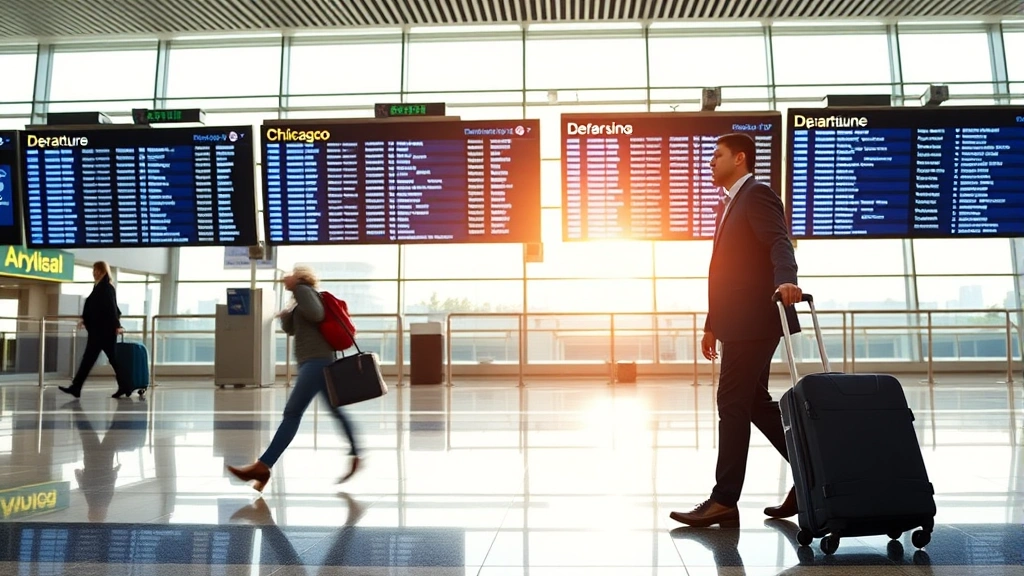
Airlines Serving the Boston to Chicago Route
Multiple carriers operate flights on this popular route, giving you genuine choice in your travel plans. United Airlines dominates this corridor with the most frequent departures throughout the day, operating both mainline and regional aircraft. American Airlines offers competitive service with connections through their Chicago hub, while Southwest Airlines provides a strong alternative with generous baggage policies and no change fees. Delta Air Lines maintains regular service with various departure times, and budget carriers occasionally offer competitive fares during promotional periods.
Each carrier brings distinct advantages to this route. United typically offers the most nonstop options with departures every 30 minutes to an hour during peak times. American provides excellent connections to additional Chicago destinations and strong frequent flyer benefits. Southwest appeals to families and leisure travelers with its inclusive baggage policy and relaxed change policies. When comparing airlines key information and tips for travelers, consider not just price but also schedule flexibility, baggage allowances, and seat comfort preferences.
Regional carriers like JetBlue occasionally serve this route, particularly during peak demand periods, offering another booking option worth checking. Direct flights are standard on this route—you’ll rarely need connections unless booking particularly cheap fares or traveling at off-peak times. Understanding each carrier’s strengths for long flights helps you choose the best option for your specific needs.
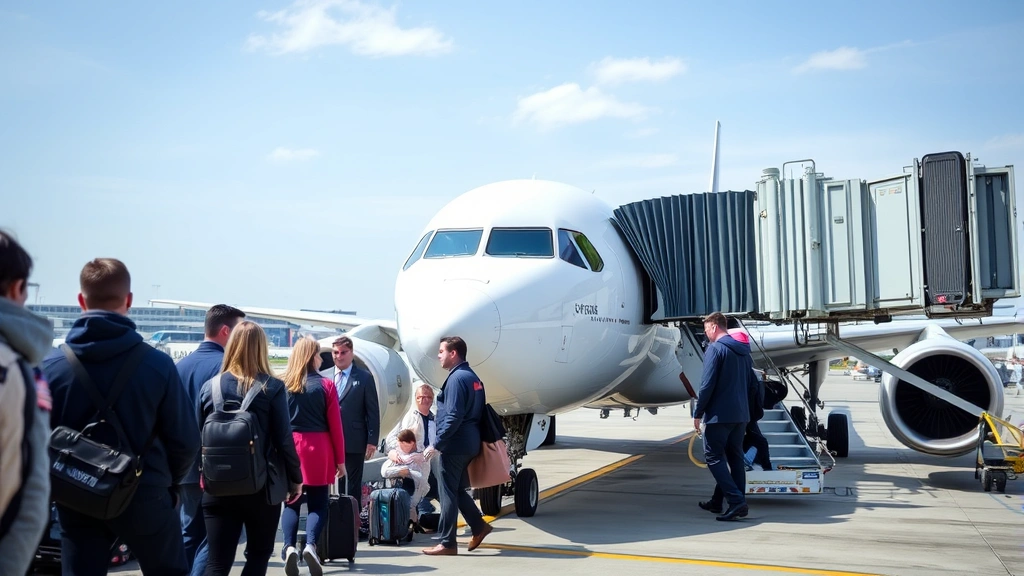
Flight Duration and Daily Schedule
Flights from Boston to Chicago typically take approximately 2 hours and 45 minutes to 3 hours for nonstop service. This relatively short flight duration means minimal jet lag (both cities are in different time zones with Chicago one hour behind), making it an ideal business travel route. Daily schedules vary by season, but expect frequent options throughout the day starting early morning and continuing into evening.
Morning departures typically begin around 6:00 AM, with options every 30 minutes to an hour through mid-morning. Afternoon flights offer flexibility for business travelers, while evening departures around 6:00 PM to 8:00 PM suit those wanting a full day in Boston. Weekend schedules differ slightly, with more leisure-focused departure times. Early morning flights get you to Chicago by 11:00 AM local time, maximizing your productive day. Evening arrivals typically land around 8:00 PM to 10:00 PM Chicago time, making them suitable for overnight trips.
Seasonal variations affect flight frequency and timing. Summer months (June-August) and holiday periods see increased departures, sometimes with multiple flights per hour from major carriers. Winter weather occasionally causes delays or cancellations, particularly in January and February, so building buffer time into connections matters during these months. Spring and fall offer ideal conditions with moderate passenger loads and reliable on-time performance.
Smart Booking Strategies for Boston to Chicago Flights
Successfully booking Boston to Chicago flights requires understanding multiple booking channels and optimization techniques. Start by checking United Airlines official website, American Airlines, and Southwest Airlines directly for carrier-specific deals and loyalty member benefits. These direct bookings often include perks unavailable through third-party sites, including award availability, elite member upgrades, and carrier-specific promotions.
Meta-search engines like Google Flights, Kayak, and Skyscanner provide excellent comparison views of all available options across carriers and dates. Set up price alerts on your preferred platforms to receive notifications when fares drop, particularly valuable for flexible travelers. These tools let you visualize price trends across entire months, revealing the cheapest days to fly.
Consider booking round-trip rather than one-way flights—counterintuitively, round-trip fares often cost less than single-leg bookings on this route. Airlines use round-trip pricing to encourage commitment and fill aircraft more predictably. If you only need one direction, booking a full round-trip and using just the outbound leg sometimes costs less than a standalone one-way fare.
Flexible date searching yields significant savings on this route. Flying mid-week (Tuesday through Thursday) typically costs 20-40% less than weekend departures. Avoiding peak hours (8:00 AM to 10:00 AM and 5:00 PM to 7:00 PM) often provides cheaper fares, as business travelers dominate these time slots. Early morning and late evening flights frequently offer the best deals.
Best Time to Book Boston to Chicago Flights
Booking timing significantly impacts fares on this well-traveled route. Research consistently shows that booking 1-3 months in advance yields optimal prices for domestic flights like Boston to Chicago. For flights in peak summer months or around holidays, booking 2-3 months ahead provides the best selection and pricing. For flexible leisure travel, booking 4-6 weeks ahead captures good prices while maintaining schedule flexibility.
Avoid booking flights departing within 7 days—last-minute fares on this route are notoriously expensive due to business traveler demand. Airlines know many Boston to Chicago travelers book flights for urgent business reasons and price accordingly. Conversely, if you must book last-minute, check Southwest and budget carriers first, as they sometimes maintain more reasonable emergency pricing.
Day-of-week booking matters less than date-of-travel for this route, but booking on Tuesday or Wednesday often yields slightly better prices than weekend bookings. Airlines release sales and update pricing throughout the day, so checking multiple times (morning, afternoon, evening) sometimes reveals better fares. However, obsessive price-checking often yields diminishing returns—once you find a reasonable fare, booking rather than endlessly searching usually makes sense.
Seasonal pricing patterns show lowest fares during winter months (January-February, excluding holiday week) and fall shoulder season (September-October). Spring and summer command premium pricing, particularly around Easter, Memorial Day, Fourth of July, and Labor Day weekends. Back-to-school periods in late August also see elevated fares.
Boston Logan and Chicago O’Hare Airport Information
Boston Logan International Airport (BOS) serves as your departure point, located just three miles from downtown Boston in East Boston. The airport features four terminals connected by an underground transit system, with clear signage directing passengers to domestic gates. Terminal E primarily handles United flights, while Terminal A serves American and Southwest. Allow 90 minutes for check-in and security screening during peak hours (6:00 AM-9:00 AM and 4:00 PM-7:00 PM), though off-peak travel requires just 45 minutes.
Chicago O’Hare International Airport (ORD) ranks among America’s busiest airports, serving as a major hub for United and American Airlines. The airport features seven terminals with connecting walkways and a train system linking terminals. O’Hare’s size means longer walks between gates and security areas than Boston Logan, so factor additional time into connections or ground transportation planning. International Terminal connects to domestic terminals via underground train, requiring 10-15 minutes if connecting between international and domestic flights.
Both airports offer TSA PreCheck and Clear enrollment, which dramatically reduce security wait times. If you frequently fly Boston to Chicago, PreCheck ($78-85 for five years) pays for itself within just a few trips. Clear ($189 annually) eliminates security lines entirely at both airports, valuable for business travelers on this route.
Boston Logan features restaurants, shopping, and charging stations throughout all terminals. Chicago O’Hare similarly offers extensive dining and retail options, though prices reflect airport markups. Both airports provide free Wi-Fi, making it easy to stay productive or entertained during layovers.
Understanding Baggage Policies for This Route
Baggage policies vary significantly by carrier and ticket class, substantially impacting your total travel cost. Southwest Airlines includes two free checked bags plus carry-on luggage with all ticket types—a major advantage for travelers with baggage needs. United and American Airlines include one free checked bag with economy tickets, charging $35-45 for additional bags. Budget carriers charge for all checked baggage, sometimes making budget fares more expensive than full-service carriers once baggage fees are included.
Carry-on baggage allowances are generous across all carriers on this route—one standard rolling suitcase plus one personal item (purse, backpack, laptop bag) fits within policies for all airlines. This means you can travel carry-on only if packing light, eliminating baggage fees and wait times at checked baggage carousels.
Checked baggage on Boston to Chicago flights typically weighs up to 50 pounds and measures up to 62 inches (length + width + height). Oversized or overweight bags incur surcharges ($75-200 depending on severity). Fragile items, sporting equipment, and musical instruments may require special handling or declaration.
Frequent flyer elite members enjoy baggage benefits, including free checked bags even on economy tickets. If you’re considering airline loyalty programs to maximize travel rewards, baggage benefits often justify membership for regular travelers on this route.
Seat Selection Tips for Boston to Chicago Flights
Seat selection on this two-hour-plus flight significantly impacts comfort. Premium economy seats offer extra legroom (4-6 inches more than standard economy) at $50-150 premium, worthwhile for passengers over 6 feet tall or those valuing extra comfort on business trips. First-class seats on this route cost $200-500 more than economy but provide meal service, priority boarding, and lie-flat seating on larger aircraft.
Standard economy seats measure 17-18 inches wide with 31-32 inches of legroom, adequate for most passengers on this short flight. Exit row seats offer extra legroom (typically 38+ inches) at no additional charge on many carriers—request these at check-in if available. Window seats provide a wall to lean against for sleeping, while aisle seats offer easier bathroom access and leg extension.
Seat position matters on this route. Mid-cabin seats experience less turbulence than rear seats, important for passengers prone to motion sickness. Forward cabin seats reduce noise from engines and galleys. Avoid seats directly over the wing if you prefer window views, as wings obstruct most scenery on this short flight.
Most carriers allow free seat selection for basic economy tickets, though premium positions (extra legroom, forward cabin) may require fees. Booking directly with airlines often allows free seat selection, while third-party booking sites sometimes charge additional fees for seat choice.
Leveraging Loyalty Programs and Travel Rewards
Frequent flyers on the Boston to Chicago route should enroll in airline loyalty programs, as this route offers substantial earning potential. A single round-trip generates 5,000-7,000 miles with most carriers, accumulating quickly for travelers making multiple trips annually. Maximizing airline loyalty program benefits through strategic earning and redemption can eliminate ticket costs entirely.
United MileagePlus, American AAdvantage, and Southwest Rapid Rewards all offer this route frequently, making it easy to accumulate status and miles. Status benefits like free seat selection, priority boarding, and complimentary upgrades provide immediate value beyond award tickets. Reaching elite status through Boston to Chicago flights is realistic for business travelers making regular trips.
Travel credit cards affiliated with these programs offer sign-up bonuses (typically 50,000-75,000 miles) worth $500-750 in free flights when redeemed for Boston to Chicago tickets. Annual fees ($95-450) become worthwhile when you value the annual free ticket and other perks. Strategic card holders can effectively fly this route free several times yearly through sign-up bonuses and category bonuses on airline purchases.
Ground Transportation Options in Chicago
Arriving at Chicago O’Hare, you have multiple ground transportation options to reach downtown Chicago or other destinations. The CTA Blue Line train connects O’Hare directly to downtown Chicago in approximately 40 minutes, costing just $5 and running 24/7. This budget-friendly option works perfectly for downtown hotels and business districts.
Rideshare services (Uber, Lyft) cost $25-50 depending on destination and demand, offering convenience for small groups or those with luggage. Taxi service from O’Hare costs $40-60 with fixed rates to downtown areas. Rental cars make sense for multi-day Chicago stays or if exploring the surrounding region, with major rental agencies located in the airport terminal.
Hotel shuttles often provide free or discounted ground transportation if you’re staying at major chains—check your reservation confirmation. Some business travelers use O’Hare’s proximity to downtown (roughly 18 miles) as justification for rideshare despite higher costs, valuing door-to-door convenience for business meetings.
Returning from Chicago to Boston requires similar planning. O’Hare offers the same ground transportation options, with Blue Line train service providing the most economical return to the airport from downtown Chicago.
Frequently Asked Questions
How much do Boston to Chicago flights typically cost?
Average economy fares range from $150-300 round-trip when booked in advance for off-peak travel. Peak season (summer, holidays) prices reach $300-500, while winter shoulder season offers fares as low as $120-200. Business class typically costs $400-800 round-trip. Prices fluctuate daily based on demand, so checking multiple dates helps find optimal pricing.
Which airline offers the best value for this route?
Southwest provides excellent value for checked baggage inclusion and generous change policies. United offers the most frequent flights and best schedule flexibility. American provides strong frequent flyer earning potential and hub connections. The “best” airline depends on your priorities—baggage needs, loyalty program status, schedule preferences, and seat comfort requirements.
Can I get a refund if my flight is cancelled?
Airlines must offer rebooking on alternative flights at no additional charge if they cancel flights. Cash refunds depend on circumstances—weather-related cancellations typically don’t trigger cash refunds, while operational cancellations sometimes do. Purchasing travel insurance provides coverage for cancellations beyond airline control.
What’s the best day to fly Boston to Chicago?
Tuesday through Thursday typically offer the cheapest fares, with Wednesday being the absolute cheapest day. Early morning (6:00 AM-8:00 AM) and late evening (7:00 PM-9:00 PM) flights cost less than mid-morning and afternoon departures. Avoid Friday afternoons, Sunday afternoons, and holiday periods for best pricing.
How early should I arrive at Boston Logan for this flight?
Arrive 90 minutes before domestic departure during peak hours, or 75 minutes during off-peak times. TSA PreCheck members can arrive 60 minutes before departure. If checking baggage and traveling during 6:00 AM-9:00 AM or 4:00 PM-7:00 PM peak periods, arriving 2 hours early ensures comfortable check-in.
Are there direct flights from Boston to Chicago?
Yes, all major carriers operate nonstop service on this route multiple times daily. Connecting flights are rarely necessary unless booking extremely discounted fares. Nonstop flights take approximately 2 hours and 45 minutes to 3 hours depending on winds and exact routing.
What’s the baggage limit on Boston to Chicago flights?
Standard allowance is one free checked bag (50 lbs, 62 inches) per passenger with most carriers. Carry-on baggage includes one rolling suitcase plus one personal item. Southwest includes two free checked bags. Additional bags cost $35-75 depending on carrier and bag number.