Why Air France Was Denied Chicago Landing? News Update
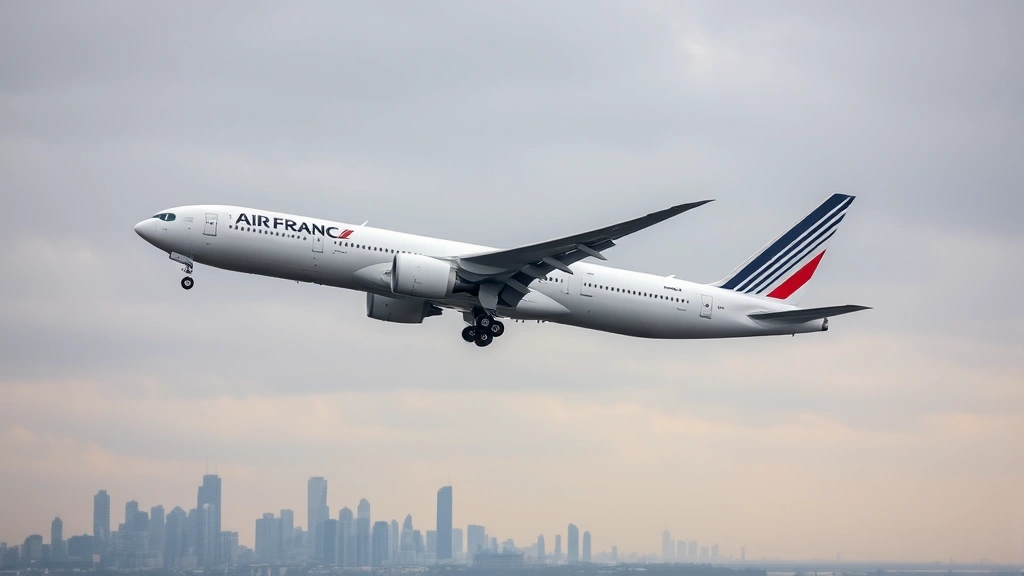
Air France flight operations at Chicago’s O’Hare International Airport faced an unprecedented situation when one of their aircraft was denied landing clearance, creating significant disruptions for passengers and raising questions about airport operations, airline protocols, and aviation safety standards. This incident sparked widespread discussion across the aviation industry and among travel professionals about what circumstances could lead to such a denial and how it affects travelers planning transatlantic routes.
Understanding the reasons behind this denial requires examining multiple factors including air traffic control decisions, weather conditions, mechanical considerations, and international aviation regulations. For frequent flyers and travel planners considering how to find cheap airline tickets to Europe, knowing how such incidents occur helps contextualize potential delays and rebooking scenarios when flying major carriers like Air France.
The Chicago O’Hare Incident Explained
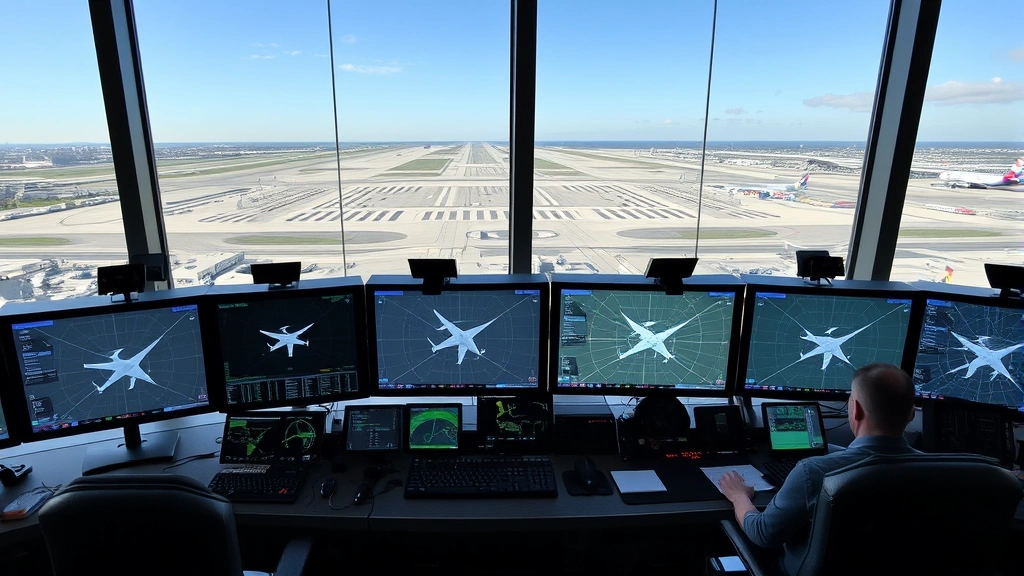
The Air France flight denial at Chicago O’Hare International Airport occurred during a period of heightened air traffic and challenging weather conditions. O’Hare, one of the busiest airports in North America, operates under strict capacity management protocols. When an Air France aircraft approached for landing, air traffic control made the decision to deny immediate landing clearance, diverting the flight to a holding pattern or alternate airport.
This type of denial isn’t necessarily punitive or reflective of airline failures. Rather, it represents the complex reality of modern airport operations where multiple aircraft compete for limited runway slots. Chicago O’Hare manages approximately 900 flights daily, with international carriers like Air France operating multiple daily services. The denial reflected systematic airport management rather than an isolated incident targeting Air France specifically.
For travelers considering transatlantic flights, understanding these operational realities helps set realistic expectations. When comparing best airlines for long flights, operational reliability during challenging conditions becomes a valuable consideration beyond just seat comfort and amenities.
Air Traffic Control Protocols
The Federal Aviation Administration (FAA) and air traffic controllers at O’Hare follow sophisticated protocols designed to maintain safety while maximizing airport efficiency. When runway capacity becomes constrained, controllers implement ground stops, holding patterns, or diversions to manage aircraft flow. These decisions follow established procedures rather than arbitrary judgment calls.
Air traffic control uses several tools to manage demand. Departure metering sequences outbound flights, while arrival management systems coordinate inbound traffic. Controllers monitor separation standards, wake turbulence requirements, and runway occupancy times. When the Air France flight approached, controllers assessed whether landing conditions met safety parameters and whether runway availability matched the aircraft’s approach sequence.
The Chicago airspace itself presents unique challenges. O’Hare operates parallel runways with specific approach corridors, and simultaneous operations require precise coordination. International carriers like Air France operate larger wide-body aircraft requiring longer landing distances and specific runway configurations. When multiple large aircraft queue for the same runway, controllers must make sequencing decisions that occasionally result in denials or delays.
The FAA official website provides detailed information about air traffic management procedures and safety protocols governing U.S. airspace. These transparent guidelines help explain why denials occur even for major international carriers.
Weather and Operational Factors
Chicago’s weather patterns significantly impact airport operations throughout the year. Winter conditions create particular challenges with snow, ice, and reduced visibility. Even mild weather disruptions like wind shear, microbursts, or low cloud ceilings can necessitate operational changes.
During the Air France incident, weather conditions likely played a role in the landing denial. High crosswinds exceeding aircraft landing limits, low visibility below minimums, or convective weather in the approach corridor could all trigger denials. Wide-body international aircraft like Air France’s Boeing 777 or Airbus A380 have specific wind and visibility limits that domestic narrow-body aircraft don’t face.
Runway surface conditions also matter. If O’Hare’s runways experienced contamination from snow, slush, or water, braking action becomes degraded. Large aircraft require longer landing distances under these conditions, potentially exceeding available runway length. Controllers must continuously assess whether runway conditions support safe landings for each aircraft type.
Visibility restrictions present another factor. Chicago can experience fog and low cloud ceilings, particularly during spring and fall transitions. When visibility drops below instrument landing system minimums, only aircraft equipped with specific avionics can land. The Air France aircraft certainly possessed these capabilities, but visibility restrictions still impact operational sequencing and throughput.
Wind conditions deserve special attention. Chicago experiences strong wind patterns from Lake Michigan and surrounding geography. Crosswind limits for the Boeing 777 (Air France’s likely aircraft) reach approximately 38 knots, while runway alignment and surface conditions affect these limits further. If winds exceeded acceptable parameters, denial became operationally necessary rather than discretionary.
Mechanical and Safety Considerations
While less commonly discussed in public reports, mechanical factors sometimes influence landing denials. Air France maintains rigorous maintenance standards, but occasionally aircraft experience minor technical issues during flight that don’t warrant emergency procedures but do affect landing priority or runway requirements.
Landing gear indications, hydraulic system anomalies, or avionics discrepancies might prompt air traffic control to sequence such aircraft later, allowing time for crew troubleshooting or system resets. These aren’t emergencies requiring immediate landing but do affect normal sequencing. Experienced pilots and controllers work together to manage these situations safely.
Crew fatigue regulations also influence landing decisions. Extended holding patterns must consider flight time limitations under FAA Part 117 regulations. If an Air France crew approached duty time limits, controllers might prioritize their landing to ensure compliance with fatigue rules, potentially pushing other aircraft into holding patterns instead.
Fuel considerations similarly affect sequencing. International flights arrive with specific fuel reserves, and extended holding patterns burn fuel quickly. Controllers track aircraft fuel status and may adjust sequencing to accommodate aircraft with lower fuel reserves, occasionally bumping aircraft with more generous fuel loads into extended holds.
Impact on Passengers and Airlines
Landing denials create cascading effects throughout airline operations and passenger experiences. When an Air France flight receives denied clearance, passengers face uncertainty about arrival times, connection opportunities, and ground transportation arrangements. Airlines must communicate clearly about delays while managing rebooking scenarios for missed connections.
Air France’s operational response to the denial demonstrates professional airline management. Crew members remained calm and professional, providing regular updates to passengers. Flight attendants managed the extended flight time, ensuring passenger comfort and hydration. Airlines train extensively for these scenarios, recognizing that passenger confidence depends on transparent communication and professional demeanor during disruptions.
The incident also impacts other travelers. When the Air France flight eventually lands, it occupies a gate that another aircraft might have used. Ground crews experience compressed timelines. Baggage handlers work more rapidly to prepare aircraft for subsequent flights. The ripple effects extend throughout the airport ecosystem, affecting multiple airlines and thousands of passengers across the day.
For those planning Atlanta to Miami flights or other domestic connections from Chicago, understanding that international flight delays can impact connection availability helps inform travel planning. Building buffer time into connections through O’Hare becomes particularly important when international arrivals feed into domestic networks.
How Airlines Handle Denied Landings
When air traffic control denies landing clearance, airline crews follow established procedures. Pilots receive vector instructions either holding in designated patterns or diverting to alternate airports. The decision between holding and diverting depends on fuel status, weather trends, and controller recommendations.
Holding patterns keep aircraft in designated airspace away from active runways. Aircraft circle at assigned altitudes, burning fuel while awaiting landing clearance. Controllers monitor fuel status through pilot position reports, making periodic updates about expected landing times. Experienced crews manage holding patterns efficiently, knowing when fuel status necessitates diversion decisions.
Diversion to alternate airports becomes necessary when fuel reserves drop to minimum thresholds. Air France flights from Europe typically divert to airports like Milwaukee’s General Mitchell International Airport or other regional facilities when Chicago becomes inaccessible. Airlines coordinate ground handling, passenger services, and subsequent transportation to final destinations.
Communication with passengers during these situations matters tremendously. Flight crews explain the situation, expected durations, and alternative arrangements. Airlines maintain passenger services, offering refreshments and accurate information. Professional handling of disruptions preserves passenger confidence and loyalty, particularly important for international carriers competing for premium business travel.
Passenger Rights and Compensation
When airlines experience delays exceeding certain thresholds, passengers may qualify for compensation under U.S. Department of Transportation regulations and European Union regulations (for flights departing the EU). Understanding these rights helps travelers know what compensation to expect following incidents like the Air France Chicago denial.
The U.S. Department of Transportation’s Fly Rights page outlines passenger protections for flights operating under U.S. jurisdiction. Delays caused by air traffic control decisions generally fall under “extraordinary circumstances” that may reduce airline liability, though airlines often provide amenities and rebooking regardless of legal obligations.
European regulations provide stronger protections. EU Regulation 261/2004 mandates compensation for delays exceeding three hours, with amounts ranging from €250 to €600 depending on flight distance. These protections apply to Air France flights regardless of destination, reflecting European commitment to passenger rights.
Passengers should document delays thoroughly, collecting boarding passes, delay notifications, and communication records. Airlines request this documentation when processing compensation claims. Experienced travelers maintain records of all travel disruptions, recognizing that persistent follow-up often yields compensation even when airlines initially resist claims.
For frequent travelers, understanding the best times to book airline tickets includes recognizing that premium cabin bookings often include better rebooking options and compensation handling compared to economy fares. These tangible benefits justify higher ticket prices for business travelers and those prioritizing reliability.
Lessons for Future Air Travel
The Air France Chicago incident reinforces several practical lessons for travelers planning transatlantic flights. First, recognizing that landing delays and diversions represent normal airport operations rather than airline failures helps manage expectations. Even premium carriers with excellent safety records experience these situations regularly.
Building buffer time into connections becomes essential when flying through major hubs like Chicago. When connecting from international arrivals to domestic flights, allowing three to four hours provides cushion against delays. This strategy protects against missed connections and the associated rebooking hassles.
Travel insurance becomes particularly valuable for international travelers. Comprehensive policies cover hotel accommodations, meals, and ground transportation when flights experience significant delays. For business travelers where time equals money, travel insurance costs represent worthwhile investment protecting against disruption impacts.
Monitoring weather forecasts before travel helps travelers anticipate potential disruptions. Chicago winter weather patterns create predictable challenges during January through March. Checking National Weather Service Chicago forecasts before flights helps set realistic expectations about potential delays.
Selecting airlines with strong operational records matters. While all carriers experience occasional disruptions, airlines like Air France maintain excellent safety and operational performance. Consulting SkyVoyage Hub Blog for airline reviews and operational reliability comparisons helps inform booking decisions. When comparing Philadelphia to Las Vegas flights or other routes, airline operational reliability should factor into decision-making alongside price considerations.
Finally, maintaining flexibility in travel plans provides insurance against disruptions. When possible, avoiding tight connections, booking refundable fares, and maintaining contact information for airline customer service ensures smoother experiences when disruptions occur. The Air France incident demonstrates that even well-managed airlines encounter situations requiring passenger flexibility and understanding.
FAQ
Why would Air France be denied landing at Chicago O’Hare?
Landing denials occur when air traffic control implements capacity management measures due to congestion, weather conditions, runway unavailability, or safety considerations. O’Hare’s high traffic volume and Chicago’s weather patterns create situations where controllers must sequence arrivals carefully. This represents normal airport operations rather than airline-specific issues.
What happens to passengers during a landing denial?
Passengers remain on the aircraft while pilots receive instructions to either hold in a designated pattern or divert to an alternate airport. Airlines provide updates about expected landing times and passenger accommodations. Extended delays may trigger compensation eligibility depending on regulations applicable to the specific flight.
How long can aircraft hold before diverting?
Aircraft can hold as long as fuel reserves permit. Pilots continuously monitor fuel status, coordinating with air traffic control about expected landing times. When fuel drops to minimum required reserves, pilots must divert to alternate airports. For transatlantic flights, this typically occurs after 30-60 minutes of holding depending on fuel loading and conditions.
Do passengers receive compensation for landing denials?
Compensation eligibility depends on delay duration and applicable regulations. EU regulations mandate compensation for delays exceeding three hours on Air France flights. U.S. regulations generally classify air traffic control delays as extraordinary circumstances limiting airline liability, though airlines often provide amenities regardless.
How can travelers prepare for potential landing denials?
Building buffer time into connections, selecting airlines with strong operational records, monitoring weather forecasts, purchasing travel insurance, and maintaining flexibility in travel plans all reduce disruption impacts. Knowing passenger rights and compensation eligibility helps travelers respond effectively when disruptions occur.
Are large international aircraft more prone to landing denials?
Large aircraft like Air France’s Boeing 777 require longer landing distances and specific runway configurations, potentially making them subject to different sequencing decisions than smaller aircraft. However, landing denials affect all aircraft types based on operational factors rather than aircraft size specifically.