Yuengling Flight Experience? A Comprehensive Traveler Review
When planning air travel, many passengers wonder about the connection between beloved brands and airline experiences. The term “Yuengling flight” often sparks curiosity among travelers—whether referring to flights departing from Pennsylvania, brewery-themed aviation experiences, or simply the nostalgia of enjoying a cold beer before takeoff. This comprehensive review explores what modern travelers should know about combining leisure activities like craft beer appreciation with air travel planning, while examining how to optimize your overall flight experience from booking through arrival.
As an aviation enthusiast and travel blogger who has logged countless hours in airport terminals and aircraft cabins, I’ve discovered that the quality of your flight experience depends far more on preparation, airline selection, and understanding your options than on any single factor. Whether you’re a frequent flyer seeking premium experiences or a budget-conscious traveler maximizing value, this guide will help you navigate the complexities of modern air travel while enjoying the finer aspects of travel culture.
Understanding Your Flight Experience
Your flight experience encompasses multiple dimensions, from the moment you begin researching flights until you collect your luggage at your final destination. When travelers mention a “Yuengling flight,” they might be referencing flights from the Lehigh Valley region of Pennsylvania, where the historic Yuengling brewery operates, or they’re simply recalling the experience of enjoying premium beverages during their journey. Understanding these nuances helps set realistic expectations for your travels.
The modern flight experience has transformed dramatically over the past two decades. Airlines now offer varied service levels, from budget-friendly basic economy to premium first-class experiences. Your choice of carrier significantly influences your comfort level, amenity access, and overall satisfaction. When exploring best airlines for frequent flyers, you’ll discover that different carriers excel in different categories—some prioritize comfort, others emphasize reliability, and some focus on value.
The beverage service component of your flight deserves special attention. Most major carriers offer complimentary non-alcoholic beverages on all flights, with alcoholic options available on flights exceeding certain durations. Airlines typically stock popular beer brands, and while Yuengling may not always be available (as it’s primarily distributed on the East Coast), premium carriers often feature regional specialties and craft options that enhance the travel experience.
Why Airline Selection Matters
Choosing the right airline represents one of the most crucial decisions for optimizing your flight experience. Different carriers maintain distinct operational philosophies, service standards, and fleet compositions. When comparing options, you should evaluate factors beyond just ticket price. Consider the key information and tips for travelers to understand what distinguishes premium carriers from budget operators.
Major U.S. carriers each bring unique strengths to the market. Some airlines maintain newer, more comfortable aircraft with better seat configurations and improved in-flight entertainment systems. Others excel at operational reliability and on-time performance. Premium carriers often feature enhanced beverage selections, including craft beers and regional specialties, while budget carriers may limit complimentary beverage service to water and soft drinks.
Loyalty programs associated with major airlines offer substantial benefits for frequent travelers. These programs provide priority boarding, seat upgrades, and lounge access—perks that significantly enhance comfort on long flights. Accumulating miles through credit card spending and flight bookings enables free travel and premium cabin access, making loyalty programs particularly valuable for regular business travelers.
When evaluating specific routes, research which airlines operate that corridor. Some routes feature competition between multiple carriers, while others are served by a single airline. Competitive routes typically offer better pricing and service improvements as carriers compete for passengers. Additionally, certain airlines maintain stronger reputations for specific route types—some excel on transcontinental flights, while others dominate regional markets.
Pre-Flight Preparation Essentials
Successful flight experiences begin long before you arrive at the airport. Proper preparation eliminates stress, reduces anxiety, and allows you to focus on enjoying your journey. Start by understanding your airline’s specific policies regarding baggage allowances, checked bag fees, and carry-on restrictions. These details vary significantly between carriers and ticket types, and understanding them prevents costly surprises at check-in.
Online check-in, available 24 hours before departure, enables you to select seats, confirm your reservation, and expedite airport procedures. Checking in early also maximizes your chances of receiving preferred seating or standby upgrades. Most airlines now offer mobile boarding passes, reducing the need to print documents and streamlining the boarding process.
Arrive at the airport with sufficient time before departure—typically 2 hours for domestic flights and 3 hours for international flights. This buffer accommodates check-in lines, security screening, and unexpected delays without the stress of rushing. TSA PreCheck and similar programs accelerate security screening, saving valuable time, particularly at congested airports.
Pack strategically for your flight duration and destination. Carry-on baggage should include essentials you’ll need immediately—medications, phone chargers, entertainment, and comfort items. Wear comfortable, loose-fitting clothing and slip-on shoes to facilitate security screening and maximize in-flight comfort. Consider bringing empty water bottles to fill after security, reducing expenses and supporting hydration during your flight.
Beverage Service and In-Flight Amenities
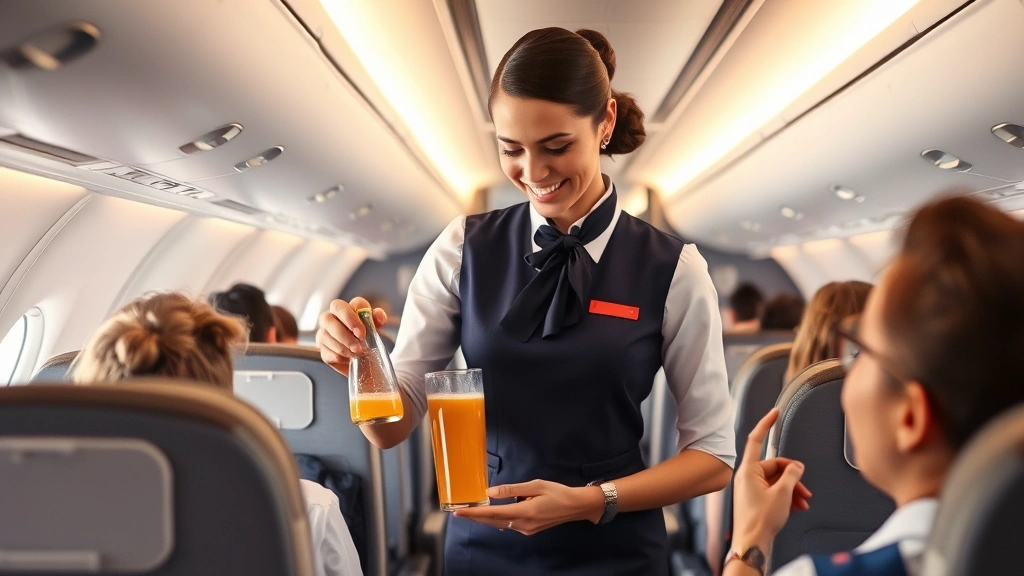
In-flight beverage service represents a small but meaningful component of the overall travel experience. Understanding what to expect helps you appreciate the offerings available on your specific flight. On most U.S. domestic flights, flight attendants conduct beverage service approximately one hour after departure, offering soft drinks, juice, coffee, tea, and bottled water. Alcoholic beverages become available after the initial beverage round.
Beer selection on commercial flights typically features popular mainstream brands like Budweiser, Bud Light, Corona, and Miller Lite. Premium carriers and longer flights sometimes offer craft beer selections or regional options. While Yuengling may not appear on most airline beverage menus (due to limited distribution outside the eastern United States), travelers departing from Pennsylvania airports or flying premium cabin service might encounter regional specialties.
First-class and business-class passengers enjoy enhanced beverage services with premium beer selections, wine pairings, and cocktail options prepared by flight attendants. These premium experiences justify the higher ticket costs for travelers seeking elevated comfort and service. Frequent flyer elite members sometimes access similar amenities through lounge access or cabin upgrades.
Beyond beverages, modern aircraft offer various amenities depending on flight duration and cabin class. Long-haul flights typically feature enhanced meal service, entertainment systems, and bedding in premium cabins. Domestic flights usually provide light snacks—pretzels, cookies, or peanuts—during beverage service. Some airlines offer premium snack purchases for cash or frequent flyer miles, enabling passengers to satisfy specific cravings.
Maximizing Passenger Comfort
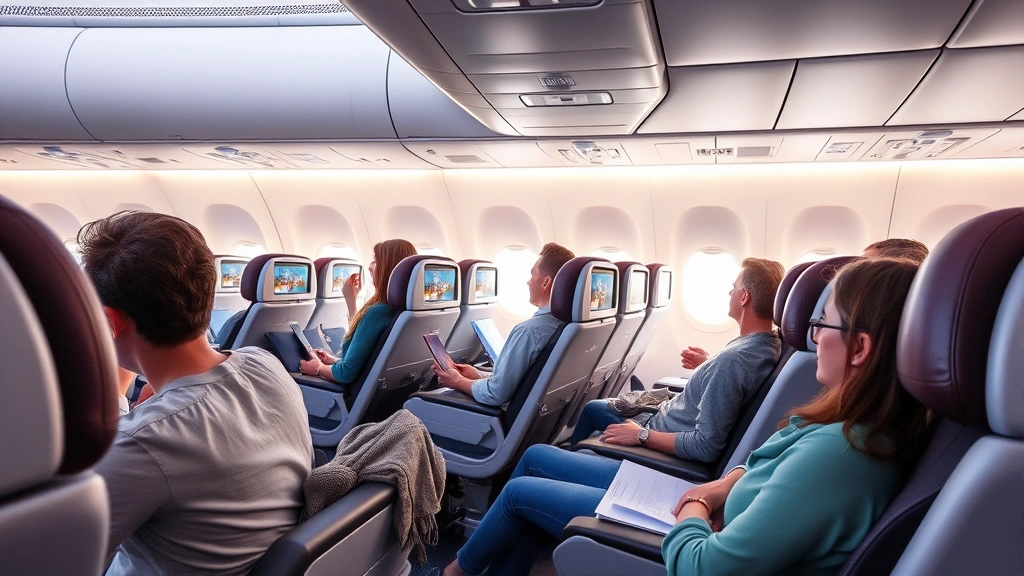
Comfort during flight depends on numerous factors within and beyond your control. Seat selection significantly influences your experience—premium economy seats offer extra legroom and enhanced amenities, while standard economy seats provide basic functionality. Aisle seats facilitate restroom access without disturbing neighbors, while window seats enable sleeping against the fuselage without disruption.
For extended flights, implementing essential tips for long haul flights substantially improves comfort and reduces jet lag effects. Stay hydrated throughout your flight by drinking water regularly—airline cabin air is extremely dry, and dehydration contributes to fatigue and discomfort. Limit alcohol consumption, as it exacerbates dehydration and disrupts sleep patterns.
Movement during flight promotes circulation and prevents deep vein thrombosis on long flights. Stand and walk the aisles periodically, perform seated stretches, and flex your leg muscles regularly. Compression socks further support circulation, particularly beneficial for passengers with existing circulatory concerns or those flying ultra-long routes.
Bring personal comfort items including neck pillows, eye masks, and noise-canceling headphones. These relatively inexpensive additions dramatically enhance sleep quality and overall comfort. Entertainment options matter significantly for flights exceeding three hours—download movies, podcasts, or books to your personal devices as backup to airline entertainment systems.
Smart Booking Strategies
Maximizing value when booking flights requires understanding pricing dynamics and timing strategies. Learning the best times to book airline tickets enables substantial savings on ticket prices. Generally, booking 1-3 months in advance yields optimal pricing for domestic flights, while international flights benefit from 2-3 months advance booking.
Tuesday and Wednesday typically offer better prices than weekend bookings, as fewer leisure travelers shop for flights mid-week. Clearing browser cookies before repeatedly visiting airline websites prevents dynamic pricing algorithms from escalating quoted fares. Incognito browsing provides additional protection against targeted price increases.
Flexibility with dates and times dramatically impacts pricing. Flights departing early morning or late evening often cost less than mid-day options. Mid-week departures typically cost less than weekend flights. Consider flying into alternative airports near your destination—smaller regional airports sometimes offer significantly cheaper fares than major hubs.
Credit card signup bonuses often provide enough frequent flyer miles for free or discounted flights, effectively offsetting annual fees through travel benefits. Travel-specific credit cards offer additional perks including free checked bags, priority boarding, and lounge access. Over time, strategic credit card usage combined with miles accumulation enables frequent free travel.
Destination and Route Considerations
Your flight experience extends beyond the aircraft to encompass your destination and journey purpose. When planning travel from Yuengling-adjacent regions like Pennsylvania’s Lehigh Valley, you’ll depart from either Lehigh Valley International Airport (ABE) or larger Philadelphia International Airport (PHL). Understanding airport options enables better flight selection and potentially improved pricing.
Research your destination’s tourism board websites for travel planning information, local transportation options, and accommodation recommendations. Many destinations offer tourism websites providing comprehensive visitor guides. For international travel, consult U.S. State Department travel advisories for current safety information and entry requirements.
Consider your destination’s flight complexity. Direct flights provide maximum convenience but often cost more than connecting flights. Budget-conscious travelers might accept one connection to save substantially on ticket prices. However, connections introduce complexity—potential delays, missed connections, and baggage complications. Evaluate whether savings justify the additional hassle for your specific trip.
Seasonal considerations dramatically impact flight pricing and experience quality. Peak seasons bring higher prices and more crowded flights, while shoulder seasons offer better value with moderate crowds. Off-season travel provides maximum savings but may involve less favorable weather conditions depending on your destination.
Researching your specific airline’s performance on your chosen route provides valuable insights. Check U.S. Department of Transportation airline consumer reports for on-time performance, baggage handling statistics, and complaint data. This information helps you select the most reliable carrier for your route.
FAQ
What exactly is a “Yuengling flight”?
A “Yuengling flight” typically refers to flights departing from or arriving at airports serving the Lehigh Valley region of Pennsylvania, home to the historic Yuengling brewery. The term may also describe flights where passengers enjoy Yuengling beer during beverage service, though availability depends on the airline and flight route.
Will Yuengling beer be available on my flight?
Yuengling’s geographic distribution primarily covers the eastern United States. Airlines departing from or serving Pennsylvania, New Jersey, and nearby regions are more likely to stock Yuengling. However, most airlines don’t guarantee specific beer brands on every flight. Check your airline’s beverage menu or contact them directly if Yuengling availability is important to your travel experience.
How can I improve my airline ticket booking strategy?
Implement multiple strategies: book 1-3 months in advance, shop mid-week, remain flexible with dates and times, consider alternative airports, and use travel credit cards for miles accumulation. Reading guides on how to find cheap airline tickets provides additional insights applicable to domestic and international bookings.
Which airlines offer the best beverage service?
Premium carriers and full-service airlines generally offer superior beverage selections compared to budget carriers. Airlines like United, American, Delta, and Southwest typically feature broader beer selections on longer flights and premium cabins. Budget carriers may limit complimentary beverage options to soft drinks and water.
How can frequent flyers maximize benefits?
Enroll in airline loyalty programs, use airline-branded credit cards for everyday purchases, book flights through the airline program when possible, and maintain elite status through annual flying or credit card spending. Consulting best airlines for frequent flyers helps identify programs matching your travel patterns and home airport.
What should I pack for comfortable flying?
Bring comfortable clothing, slip-on shoes, neck pillow, eye mask, noise-canceling headphones, medications, phone chargers, entertainment, and empty water bottles. For long flights, compression socks, entertainment options, and personal comfort items become increasingly important.
How does seat selection impact my flight experience?
Seat selection significantly influences comfort. Premium economy seats offer extra legroom and enhanced amenities. Aisle seats provide easy restroom access. Window seats facilitate sleeping. Avoid seats near lavatories and galleys due to noise and foot traffic. Select seats matching your specific comfort priorities.
Should I book directly with airlines or use third-party booking sites?
Both options work effectively. Direct airline bookings enable easier changes and customer service interactions with the carrier. Third-party sites often compare multiple airlines and may surface cheaper fares through consolidators. Frequent flyers typically benefit from direct airline bookings to ensure miles credit and loyalty program integration.
What international travel preparations do I need?
Verify passport validity (6+ months beyond travel dates), check visa requirements for your destination, obtain travel insurance, inform your bank of international travel, and review travel advisories. International flights require earlier airport arrival (3 hours recommended) and different baggage considerations.
How can I reduce jet lag on long flights?
Adjust sleep schedules before departure, stay hydrated throughout flight, limit alcohol, seek natural light exposure at appropriate times, and consider melatonin supplements. For westbound flights, stay awake during flight and seek evening light. For eastbound flights, sleep during flight and seek morning light.