Delta Flight Cancellations: What Weather Data Reveals About Atlanta’s Severe Storm Impact
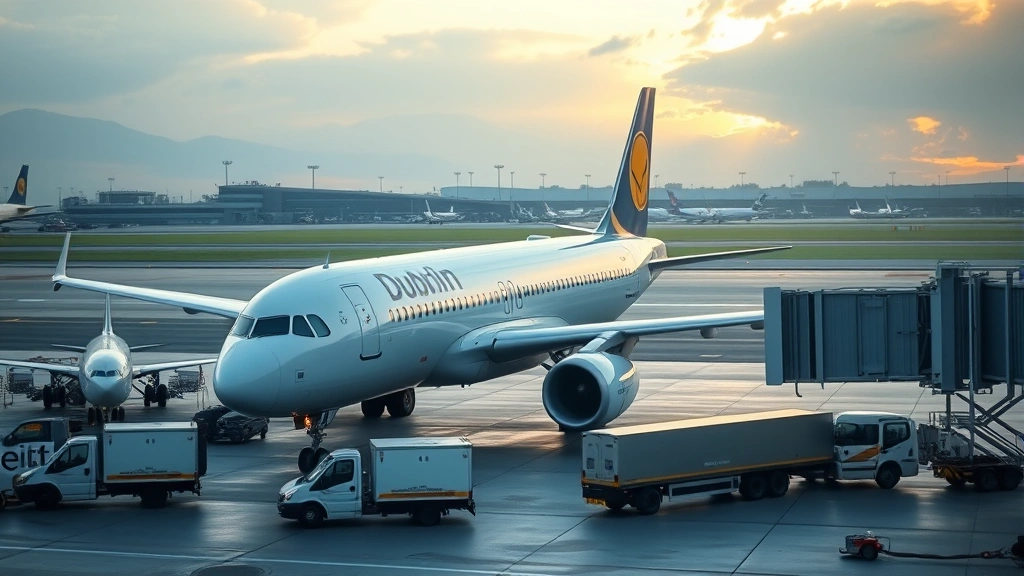
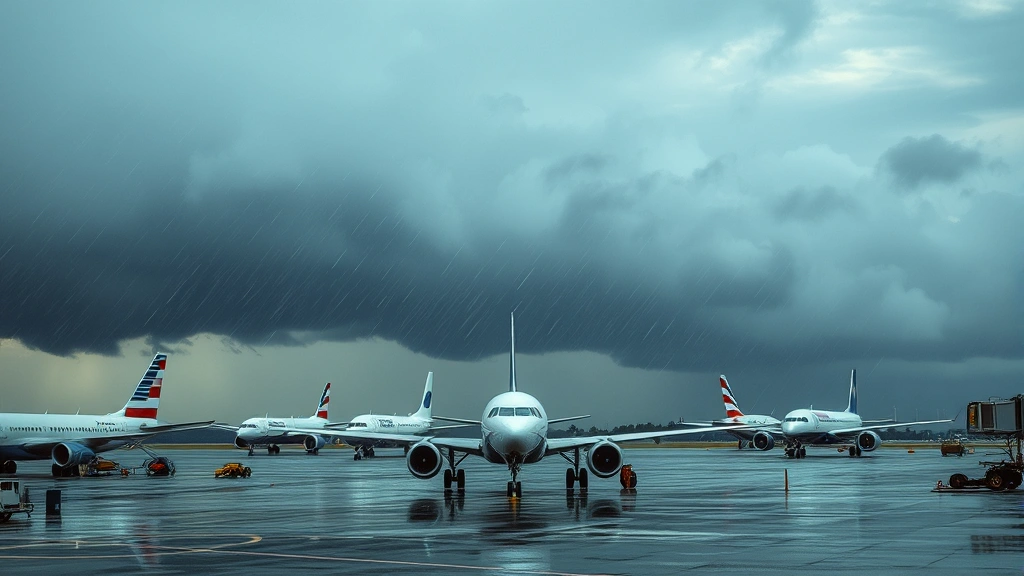
On a turbulent day in Atlanta, Delta Air Lines made the difficult decision to cancel approximately 200 flights due to severe weather conditions sweeping through the region. This mass cancellation event highlighted the critical intersection between meteorological data, operational logistics, and passenger disruption. Understanding what weather data reveals about such cancellations helps travelers prepare better and comprehend the complex decisions airlines must make when safety is at stake.
Weather-related flight cancellations represent one of the most challenging aspects of modern air travel. When Delta cancels 200 Atlanta flights due to severe weather, it’s not a decision made lightly. Behind this action lies sophisticated weather monitoring, real-time data analysis, and coordination between meteorologists, air traffic control, and airline operations centers. This comprehensive guide explores the weather patterns, data sources, and operational factors that led to this significant disruption, while providing practical insights for travelers facing similar situations.
Understanding Severe Weather Triggers for Flight Cancellations
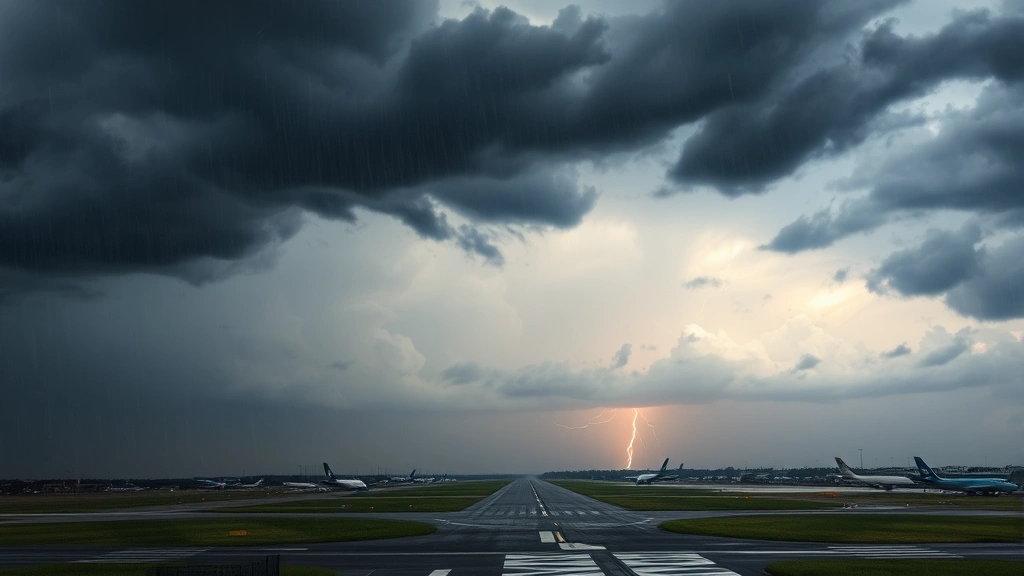
Severe weather doesn’t automatically trigger flight cancellations. Airlines operate within specific meteorological parameters, and pilots are extensively trained to handle challenging conditions. However, certain weather phenomena create unsafe conditions that exceed operational limits and necessitate cancellations. When Delta cancels 200 Atlanta flights, it typically involves one or more of these critical weather factors.
Thunderstorms with severe wind gusts represent one of the primary cancellation triggers. Wind shear—the sudden change in wind speed and direction—poses particular danger during takeoff and landing phases when aircraft are most vulnerable. Microbursts, which are concentrated downdrafts within thunderstorms, can exceed 100 mph and have been linked to numerous aviation incidents. Lightning strikes, while rarely catastrophic due to aircraft design, create operational complications and safety concerns that ground flights until storm cells pass.
Visibility reduction caused by heavy precipitation, hail, or snow directly impacts flight operations. Aircraft require minimum visibility standards for safe takeoff and landing, typically ranging from 1,000 to 3,000 feet depending on runway equipment and pilot qualifications. When visibility drops below these thresholds during severe weather, cancellations become necessary. Icing conditions at cruise altitudes, particularly severe icing that exceeds aircraft de-icing capabilities, also warrant immediate operational changes.
Atmospheric pressure extremes and wind patterns create additional concerns. Extreme wind conditions can make runways unusable, as crosswind limits vary by aircraft type but typically range from 25-35 knots. When sustained winds or gusts exceed these limits, operations cease. Hail accumulation damages aircraft skin and engines, making operations impossible until aircraft can be inspected and any damage addressed.
Weather Data Sources Airlines Use to Make Cancellation Decisions
Modern airlines don’t rely on single weather sources when making operational decisions. Instead, they integrate multiple data streams to create comprehensive situational awareness. Understanding these data sources reveals why decisions like Delta canceling 200 Atlanta flights happen with such certainty and precision.
National Weather Service (NWS) data forms the backbone of aviation weather information. The National Weather Service provides terminal aerodrome forecasts (TAFs), which offer detailed predictions for specific airports. These forecasts include wind direction and speed, visibility, precipitation types, and severe weather potential. Airlines monitor TAF updates continuously, with meteorologists comparing forecast data against actual observations to assess accuracy and confidence levels.
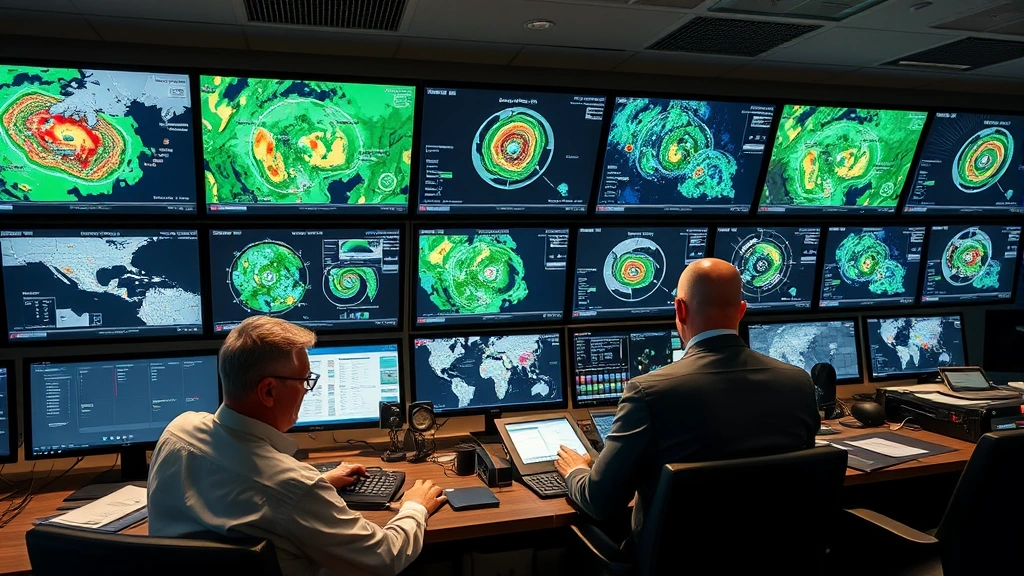
NEXRAD (Next Generation Radar) provides real-time precipitation and wind data. This network of Doppler radars across the United States delivers granular information about storm location, intensity, movement, and potential severity. Delta’s operations centers display NEXRAD data on large screens, allowing meteorologists to track storm cells and predict when they’ll impact specific airports. This real-time capability enables proactive decision-making before conditions deteriorate.
The Aviation Weather Center issues convective outlooks and severe weather watches. These products highlight areas where severe thunderstorms, tornadoes, or other hazardous conditions may develop. Airlines use these outlooks to anticipate operational challenges hours or days in advance, allowing for schedule adjustments before crisis situations develop.
Airlines also utilize METAR reports, which provide actual weather observations at airports updated hourly or as conditions change significantly. METARs include wind, visibility, temperature, dewpoint, and present weather. Comparing METARs against forecasts helps airlines assess forecast accuracy and make real-time operational adjustments.
Pilot reports (PIREPs) from aircraft in flight provide crucial real-world observations about conditions at various altitudes. Pilots report wind shear, turbulence, icing, visibility, and other phenomena they encounter. These reports often provide earlier warning of developing hazards than ground-based systems and significantly influence operational decisions.
Lightning detection networks track electrical storm activity in real-time. Systems like the National Lightning Detection Network provide precise location and intensity data about lightning activity. When lightning detection shows active cells over an airport, airlines typically suspend operations until activity diminishes to safe levels.
Atlanta’s Vulnerability to Severe Weather Events
Hartsfield-Jackson Atlanta International Airport (ATL) represents one of the world’s busiest aviation hubs. This status, combined with Atlanta’s geographic and meteorological characteristics, creates unique vulnerability to weather-related disruptions. When severe weather strikes Atlanta, the impact cascades throughout the entire aviation network.
Atlanta’s location in the southeastern United States places it in a region prone to severe weather development. During spring and early summer, atmospheric conditions frequently favor thunderstorm development. Warm, moist air from the Gulf of Mexico collides with cold fronts moving from the north, creating ideal conditions for organized storm systems. These supercell thunderstorms can produce severe wind, large hail, and tornadoes—conditions that ground aircraft operations completely.
The airport’s runway configuration and surrounding terrain also influence weather sensitivity. While Atlanta’s runways are modern and well-equipped, their orientation and the surrounding landscape can channel winds in ways that create hazardous conditions. Local terrain features can enhance wind shear potential during specific wind directions, making operations impossible even when other airports remain open.
Atlanta’s role as a major hub means that cancellations there have multiplied effects. Delta operates hundreds of flights daily through Atlanta, with many connecting flights routing through the airport. When severe weather grounds operations, not just direct Atlanta flights are affected—hundreds of connecting flights throughout the network face cascading cancellations. A weather event affecting Atlanta operations can disrupt travel patterns across the entire Southeast and beyond.
Historical data shows that Atlanta experiences weather-related disruptions more frequently than many other major hubs. The city’s location places it in the path of cold fronts, nor’easters during winter, and severe spring thunderstorms. Understanding this pattern helps travelers anticipate potential disruptions when booking flights through Atlanta during vulnerable seasons.
The Domino Effect: How One Hub Cancellation Impacts the Network
When Delta cancels 200 Atlanta flights due to severe weather, the immediate impact extends far beyond those 200 passengers. The airline industry operates as an interconnected network where disruptions at major hubs create cascading effects throughout the system. Understanding this domino effect helps explain why weather at one location affects travelers worldwide.
Atlanta serves as Delta’s primary hub, meaning many flights connect through the airport. A passenger flying from Los Angeles to Charlotte might connect through Atlanta. When severe weather grounds Atlanta operations, that passenger’s entire journey is disrupted, even though weather conditions in Los Angeles or Charlotte might be perfectly acceptable. The connecting flight simply cannot operate because its aircraft is stranded in Atlanta.
Aircraft utilization represents another crucial factor. Modern airlines maximize aircraft efficiency by scheduling multiple flights per day per aircraft. When an aircraft becomes stranded due to weather cancellations, it cannot operate its subsequent scheduled flights. This ripple effect can strand the same aircraft in different cities throughout the day, each location losing scheduled flights as the aircraft fails to arrive for its next assignment.
Crew scheduling compounds these disruptions. Pilots and flight attendants work according to strict duty-time regulations. When flights are cancelled, crew members become stuck in locations away from home, potentially exceeding their legal duty limits. This forces airlines to cancel additional flights as crews become unavailable, even after weather conditions improve.
Ground personnel and equipment availability also contribute to the cascade. When hundreds of flights concentrate in Atlanta due to weather delays and cancellations, ground crews become overwhelmed. Baggage handling, aircraft servicing, catering, and cleaning operations all face backlogs. These resource constraints can prevent aircraft from departing even after weather conditions improve.
The network effects extend to partner airlines and other carriers. When Atlanta’s airspace closes due to severe weather, not just Delta flights are affected. All airlines operating through Atlanta experience disruptions. This creates competition for limited alternative routing options and available aircraft, potentially affecting flights throughout the industry.
Passenger Rights and Compensation During Weather Cancellations
Understanding passenger rights during weather-related cancellations is crucial for travelers affected by disruptions like Delta’s 200 Atlanta flight cancellations. While weather generally qualifies as an “act of God” that relieves airlines of compensation obligations, passenger protections still exist. Learn more about your rights through our airline flight delay compensation guide.
The U.S. Department of Transportation (DOT) requires airlines to provide certain accommodations during weather-related cancellations. Airlines must offer passengers the choice of rebooking on another flight to their destination at no additional charge, accepting a full refund, or rebooking on a later flight if the passenger prefers. Airlines must also provide meal vouchers and ground transportation if the cancellation requires an overnight stay.
International flights involve additional regulations. The European Union’s Regulation 261/2004 requires compensation for flight cancellations even in severe weather cases under certain circumstances. Passengers have rights to compensation ranging from €250 to €600 depending on flight distance when cancellations result from airline failures to mitigate weather impacts.
Airlines maintain flexibility in how they handle weather cancellations. Some carriers offer hotel vouchers, meal allowances, and transportation services beyond regulatory minimums. Travel insurance that includes “cancel for any reason” coverage may provide additional compensation, though standard policies typically exclude weather-related cancellations.
Documentation becomes critical for pursuing compensation. Passengers should collect cancellation notices, rebooking confirmations, receipts for meals and transportation, and any communication from the airline. This documentation supports potential compensation claims and helps resolve disputes about passenger accommodations.
For frequent travelers, understanding compensation options and exploring the best times to book airline tickets can help minimize disruption risks. Additionally, reviewing best airlines for long flights includes evaluating how carriers handle weather disruptions and passenger accommodations.
Preparing for Weather-Related Disruptions
While travelers cannot prevent severe weather, strategic preparation significantly reduces disruption impact. Learning from events like Delta canceling 200 Atlanta flights provides insights into minimizing personal travel disruption.
Monitor weather forecasts proactively. Check weather conditions for your departure and arrival cities several days before travel. The National Weather Service provides detailed forecasts, and aviation-specific weather resources offer insights into conditions affecting flight operations. If significant weather is forecast, consider rescheduling before cancellations occur.
Avoid peak travel times during severe weather seasons. Spring in the Southeast brings tornado and severe thunderstorm risks. Winter months bring nor’easters and ice storms. Scheduling travel during more stable weather patterns reduces disruption likelihood. Review airlines key information and tips for travelers for seasonal guidance.
Choose flights strategically. Early morning flights typically depart before weather systems develop. Afternoon and evening flights face higher cancellation risk during spring and summer. Direct flights avoid the compounding disruption of missed connections. Routing through secondary hubs instead of major ones like Atlanta reduces exposure to large-scale weather-related cascading cancellations.
Purchase appropriate travel insurance. While weather-related cancellations typically aren’t covered by standard policies, “cancel for any reason” coverage provides flexibility. Some credit cards offer travel protection benefits worth investigating.
Maintain flexibility in your schedule. When possible, build buffer time between flights and appointments. If your connecting flight is cancelled, having extra time reduces pressure and provides opportunities for rebooking.
Stay informed during disruptions. Check the airline’s website and mobile app frequently for updates. Sign up for flight status alerts through text or email. Follow official airline social media accounts for real-time information. This keeps you informed about rebooking opportunities and schedule changes.
Technology and Predictive Analytics in Modern Aviation
Modern meteorological technology and data analytics play increasingly important roles in aviation decisions. When Delta evaluates whether to cancel 200 Atlanta flights, sophisticated computer models and analytical tools inform the decision-making process.
Numerical Weather Prediction (NWP) models use supercomputer processing to simulate atmospheric behavior. Models like the GFS (Global Forecast System) and NAM (North American Mesoscale) process millions of data points from satellites, radar, weather stations, and aircraft observations. These models generate detailed forecasts showing storm development probability, timing, and severity. Airlines run these models multiple times daily, comparing updates to identify forecast changes that might affect operations.
Machine learning and artificial intelligence increasingly assist in weather prediction and operational decision-making. AI algorithms analyze historical weather patterns, cancellation data, and operational metrics to predict disruptions with increasing accuracy. These systems identify subtle correlations that human analysts might miss, enabling earlier operational adjustments.
Real-time data fusion combines multiple information sources into unified displays. Delta’s operations centers integrate NEXRAD radar, satellite imagery, surface observations, pilot reports, and model forecasts into comprehensive situational awareness systems. This integrated approach provides meteorologists and operations managers with complete pictures of current and evolving conditions.
Automated decision support systems analyze current conditions and forecasts to recommend operational actions. These systems consider factors like aircraft location, crew duty times, passenger connections, and weather evolution to suggest optimal decisions. While humans make final decisions, these systems significantly enhance decision quality and speed.
Predictive maintenance integration now incorporates weather data. Airlines predict which aircraft might need maintenance based on weather conditions they’ll encounter. An aircraft scheduled to operate through severe weather might be routed for additional inspections before departure, preventing operational failures during challenging conditions.
Visit our SkyVoyage Hub blog for more insights into aviation technology and operations. For specific route information, explore our guide on Dallas to New York flights for comparison of how different routes handle weather challenges.
FAQ
Why does Delta cancel flights for weather that seems manageable?
Airlines operate under strict safety standards that differ from civilian driving or other activities. Wind shear, microbursts, and lightning create hazards that aircraft cannot safely navigate. Pilots cannot see these phenomena, and instruments can only detect them at close range. Cancellation errs on the side of safety when conditions exceed operational limits.
Can I get compensation for weather-related cancellations?
U.S. regulations generally exempt weather from compensation requirements, as weather qualifies as an “act of God.” However, airlines must still rebook passengers, provide refunds, and offer meals and transportation. International flights, particularly in the EU, have different rules that may provide compensation even for weather-related cancellations in certain circumstances.
How far in advance do airlines know about weather-related cancellations?
Forecasts typically provide 48-72 hours of useful detail for operational planning. However, severe weather can develop rapidly. Some thunderstorms form with only 6-12 hours’ notice. Airlines make preliminary schedule adjustments based on long-range forecasts, then make final cancellation decisions as weather conditions become clearer.
What’s the difference between weather-related cancellations and delays?
Delays occur when conditions temporarily prevent operations but may improve quickly. Cancellations happen when weather will impact operations throughout the expected aircraft turnaround time. Airlines cancel rather than delay when waiting would likely just postpone the cancellation, as this prevents passenger inconvenience and crew duty-time violations.
How do I know if future weather might disrupt my flight?
Check weather forecasts for your departure and arrival cities 5-7 days before travel. Look for alerts from the Storm Prediction Center regarding severe weather potential. For real-time information closer to your flight, check METAR reports and TAF forecasts for your airports through aviation weather websites.
Should I avoid flying through Atlanta during spring?
Atlanta experiences increased severe weather risk during spring, but cancellations remain statistically uncommon. Building extra time for connections and monitoring weather forecasts reduces disruption risk. Consider flying early in the day when weather systems haven’t yet developed.