Airline Safety Myths? Expert Insights: The Reckoning Takes Flight
Every year, millions of passengers board commercial aircraft with varying degrees of anxiety about safety. The aviation industry has become statistically safer than driving, yet misconceptions persist in popular culture and social media. Whether you’re a frequent flyer or planning your first international journey, understanding the reality behind airline safety myths is essential for making informed travel decisions. This comprehensive guide separates fact from fiction, drawing on expert insights and data from aviation authorities worldwide.
The fear of flying remains one of the most common phobias, affecting an estimated 6% of the population. Much of this anxiety stems from misinformation and outdated beliefs about how modern aircraft operate. As someone who has reviewed countless airlines and travel experiences, I’ve encountered every imaginable safety concern from nervous passengers. The truth is far more reassuring than the myths suggest, and knowing the facts can transform your flying experience from stressful to confident.
Modern Aircraft Engineering Excellence
Contemporary commercial aircraft represent the pinnacle of engineering precision. Modern planes like the Boeing 787 and Airbus A350 incorporate redundant systems for virtually every critical function. This means that if one system fails, backup systems automatically engage without requiring pilot intervention. Aircraft manufacturers conduct millions of hours of testing before a single plane carries passengers.
The structural integrity of modern aircraft is extraordinary. The fuselage can withstand pressures and stresses far beyond what occurs during normal flight operations. Aircraft are designed to handle extreme conditions, including severe turbulence, lightning strikes, and engine failures. Every component undergoes rigorous inspection and certification before installation. When you explore best airlines for long flights, you’ll notice that newer fleets often feature the most advanced safety technologies available.
Materials science has revolutionized aircraft construction. Modern composite materials are lighter, stronger, and more durable than traditional aluminum. These materials can withstand extreme temperatures and impacts that would compromise older aircraft. The engineering behind modern aviation is not just safe—it’s extraordinarily safe by design, with multiple layers of redundancy built into every critical system.
Pilot Training and Certification Standards
Commercial airline pilots undergo some of the most rigorous training of any profession. Before commanding a commercial aircraft, pilots must accumulate thousands of flight hours, obtain multiple certifications, and pass comprehensive written and practical examinations. The training process typically takes 3-4 years and costs significant resources.
Initial training includes classroom instruction, simulator sessions, and supervised flight operations. Pilots learn to handle normal procedures and emergency situations through repetitive practice. Federal Aviation Administration (FAA) standards require pilots to maintain currency through regular training and checkrides. International pilots follow similar standards established by International Civil Aviation Organization (ICAO).
Recurrent training happens annually for all commercial pilots. They must demonstrate proficiency in emergency procedures, unusual attitude recovery, and system failures. Modern flight simulators can replicate virtually any scenario an aircraft might encounter, allowing pilots to practice without any risk. This continuous training culture ensures that pilots remain sharp and prepared for any situation. When comparing airlines, pilot experience and training standards are important factors in overall safety records.
Turbulence: Uncomfortable But Not Dangerous
Turbulence represents the most common cause of flying anxiety, yet it poses virtually no structural risk to the aircraft. Turbulence occurs when the aircraft encounters pockets of air with different temperatures and densities. While it can be uncomfortable and cause spilled beverages, it cannot cause an aircraft to crash or lose structural integrity.
Modern aircraft are engineered to withstand turbulence far more severe than any encountered during normal operations. The wings can flex dramatically without damage, absorbing the forces of turbulent air. Pilots are trained to recognize conditions that might produce turbulence and often adjust altitude or routing to minimize passenger discomfort. Understanding essential tips for long haul flights includes knowing that turbulence is purely a comfort issue, not a safety concern.
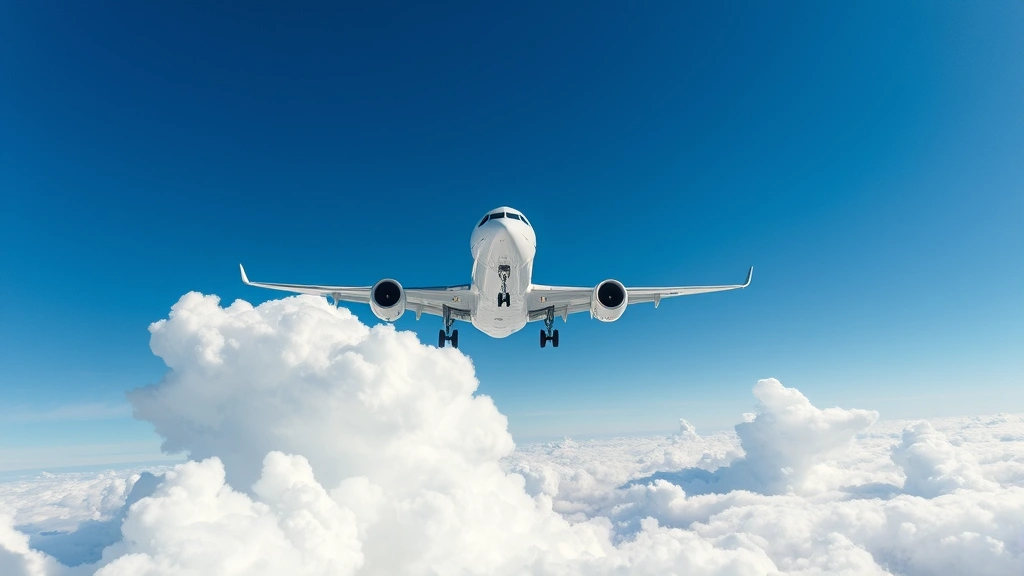
Clear air turbulence, which occurs without visible weather patterns, is particularly unsettling for nervous flyers. However, modern weather radar and pilot experience help minimize encounters with severe turbulence. The Federal Aviation Administration has never recorded a commercial aircraft crash caused solely by turbulence. This distinction is crucial for anxious passengers: turbulence is uncomfortable, but it is not dangerous.
” alt=”Commercial aircraft cruising at altitude through clear blue sky”>
Aircraft Maintenance Protocols
Every commercial aircraft follows strict maintenance schedules mandated by aviation authorities. These schedules specify maintenance intervals based on flight hours, calendar days, or specific cycles. Airlines that prioritize maintenance often appear on lists of SkyVoyage Hub Blog recommendations for reliable service.
Maintenance includes routine checks, component replacements, and comprehensive inspections. Airlines employ certified maintenance technicians who follow detailed procedures documented in manufacturer manuals. Each aircraft has a maintenance logbook recording every service performed, every component replaced, and every issue addressed. This documentation provides complete traceability for aircraft history.
Scheduled maintenance includes daily walk-around inspections, weekly checks, and major overhauls every few years. During major maintenance, technicians inspect virtually every component, replace worn parts, and test all systems. Unscheduled maintenance addresses issues identified by pilots or maintenance staff. When a pilot reports any concern, the aircraft remains grounded until the issue is resolved and documented. This rigorous approach ensures that aircraft remain in optimal condition throughout their operational lives.
Third-party audits and regulatory inspections verify that airlines maintain compliance with safety standards. Aviation authorities conduct surprise inspections and review maintenance records. Airlines that fail to meet maintenance standards face penalties, grounding of aircraft, or operational restrictions. This regulatory oversight creates strong incentives for airlines to maintain the highest standards.
Emergency Equipment and Procedures
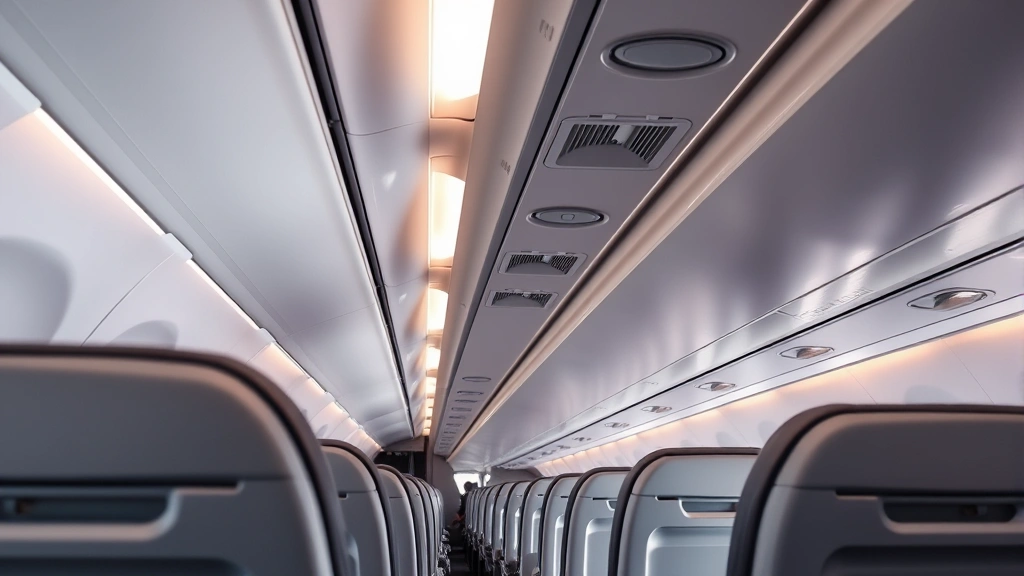
Commercial aircraft carry comprehensive emergency equipment designed for virtually every conceivable scenario. Oxygen masks automatically deploy if cabin pressure decreases, providing oxygen for descent to breathable altitudes. Life vests are located under or between seats on aircraft that fly over water. Emergency slides deploy automatically or manually, allowing rapid evacuation if necessary.
Fire suppression systems protect the cargo hold and engine compartments. These automated systems detect fires and deploy suppressants without crew intervention. Cockpit doors are reinforced and controlled from the flight deck, preventing unauthorized access. Emergency communication systems allow pilots to contact air traffic control and emergency services from any location.
Flight attendants receive extensive training in emergency procedures, including evacuation, medical response, and security. They practice these procedures regularly and must maintain certifications. Passengers receive safety briefings before every flight, and safety information cards are available in seat pockets. While many passengers ignore these briefings, the information is critical for rare emergency situations.
Modern aircraft have redundant systems for hydraulics, electrical power, and flight controls. If one system fails, backup systems take over automatically or with minimal pilot input. Multiple independent communication systems ensure pilots can always contact ground support. Emergency landing procedures are practiced regularly in simulators, ensuring pilots can execute them perfectly if needed.
Cabin Pressure and Air Quality
Modern aircraft maintain cabin pressure equivalent to about 8,000 feet altitude, even when cruising at 35,000 feet. This pressurization is maintained by continuously pumped air from the engines, with excess air vented overboard. The cabin pressure system includes multiple redundancies and automatic controls that maintain safe pressure levels.
Cabin air is refreshed frequently, with the entire cabin air volume exchanged every 2-3 minutes. Air flows from overhead vents down the sides of the cabin and out through floor returns, creating a circulation pattern that minimizes disease transmission. Modern aircraft use high-efficiency particulate air (HEPA) filters similar to hospital operating room filters, removing 99.97% of particles including bacteria and viruses.
Humidity levels are lower in aircraft cabins due to the dry air at high altitudes, but this is not dangerous—merely uncomfortable. Passengers should drink water regularly during flights to stay hydrated. The air quality in modern aircraft cabins is actually superior to many office buildings and public spaces.
Pressurization systems are designed with multiple safety features. If pressurization fails, the aircraft automatically descends to lower altitudes where the air is breathable. Oxygen masks deploy automatically if cabin pressure decreases. Pilots are trained to respond to pressurization failures and execute rapid descent procedures. In the history of commercial aviation, pressurization failures have not caused fatalities due to these safety systems.
Statistical Reality of Aviation Safety
The statistics on aviation safety are remarkable and consistently reassuring. Commercial aviation has achieved an accident rate of approximately one accident per 11 million flights. This means the average passenger would need to fly daily for 22,000 years to experience one accident. Compare this to driving, where the fatality rate per mile is significantly higher than aviation.
Modern jet aircraft have not experienced catastrophic structural failures during normal operations in decades. When accidents do occur, they typically result from pilot error, weather, or extreme circumstances—not mechanical failure. The aviation industry’s response to accidents has been exemplary, with thorough investigations leading to improvements in procedures, training, and equipment.
Different airlines maintain different safety records, which is why researching best airlines for long flights matters. Airlines with modern fleets, rigorous maintenance programs, and comprehensive training records demonstrate superior safety records. Aviation authorities worldwide track safety data and publish reports that allow passengers to make informed decisions.
The safety record of aviation has improved consistently over decades. Advances in technology, training, procedures, and aircraft design have made flying progressively safer. Modern aircraft are safer than aircraft from 20 years ago, which were safer than those from 40 years ago. This consistent improvement demonstrates the effectiveness of the aviation safety system.
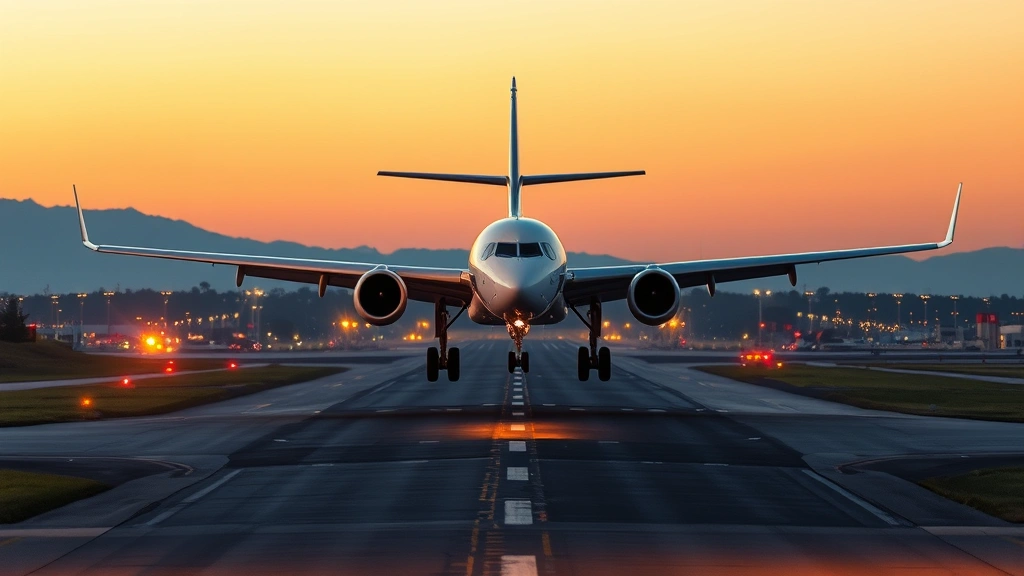
International cooperation through organizations like ICAO and regional aviation authorities ensures that safety standards are consistent worldwide. Pilots, mechanics, and airlines follow standardized procedures regardless of nationality or location. This standardization has proven highly effective at preventing accidents and ensuring that passengers receive consistent safety regardless of which airline they choose.
” alt=”Modern commercial aircraft landing at sunset with airport runway lights visible”>
FAQ
Is it safe to fly during storms?
Modern aircraft are designed to fly in storms, and pilots are trained to navigate severe weather. Airports close only when conditions become unsafe for takeoff and landing, not for flight at altitude. Modern weather radar allows pilots to avoid the most severe weather cells. Commercial aviation continues to operate safely in weather that would ground general aviation aircraft.
What happens if both engines fail?
Modern commercial aircraft can glide safely to an airport if both engines fail, though this is extraordinarily rare. Pilots are trained to handle engine failures and practice these procedures regularly. The aircraft’s momentum and aerodynamic design allow safe descent and landing even without engine power. Historical incidents where both engines failed have resulted in safe landings due to pilot skill and aircraft design.
Are older aircraft less safe than new ones?
Properly maintained older aircraft are quite safe, though they may lack some modern conveniences and efficiency features. Maintenance standards are based on aircraft age and usage, ensuring that older aircraft receive more frequent inspections. However, newer aircraft incorporate advanced safety technologies and materials. When booking flights, checking the aircraft type and airline maintenance records provides insights into safety levels.
Can the aircraft lose cabin pressure suddenly?
Cabin pressure systems are highly redundant and monitored constantly. Rapid decompression is virtually impossible in modern aircraft due to design features that prevent catastrophic failures. Even if a window or door failed, the pressurization system would maintain safe cabin pressure. Oxygen masks are available as a precaution, but modern aircraft design makes emergency decompression extremely unlikely.
Is flying safer than driving?
Yes, statistically flying is significantly safer than driving. The fatality rate per mile is lower in commercial aviation than in automobile travel. You are more likely to be injured driving to the airport than during the entire flight. Understanding this statistical reality can help reduce flying anxiety for nervous passengers.
How can I find information about airline safety records?
The FAA publishes safety data and accident reports. International safety information is available from ICAO. Organizations like AirSafe.com compile and analyze aviation safety statistics. When researching airlines, checking these authoritative sources provides factual information about safety records and incident histories.