Why Was AA 787 Diverted? Expert Insights on American Airlines Flight Diversions
Flight diversions are rare but critical events in commercial aviation that can significantly impact passenger experiences and operational schedules. When an American Airlines 787 flight diversion occurs, it represents a decision made by experienced pilots and air traffic control to prioritize safety and passenger welfare above all other considerations. Understanding the reasons behind these diversions helps travelers appreciate the complex systems and protocols that protect everyone aboard modern aircraft.
The Boeing 787 Dreamliner is one of the most advanced commercial aircraft in operation today, equipped with state-of-the-art avionics, redundant safety systems, and real-time monitoring capabilities. Despite these technological marvels, diversions still occur when specific conditions warrant landing at an unscheduled airport. These situations range from medical emergencies and mechanical issues to severe weather conditions and air traffic management decisions. By examining the factors that lead to flight diversions, we gain insight into how airlines maintain their exceptional safety records and respond to unexpected challenges during flight operations.
Common Reasons for Flight Diversions
Flight diversions happen for specific, well-documented reasons established by aviation authorities and airline protocols. The most frequent causes include medical emergencies affecting passengers or crew members, mechanical issues requiring immediate inspection, severe turbulence or weather conditions, and air traffic management directives. According to data from the Federal Aviation Administration (FAA), approximately 1 in every 10,000 flights experiences a diversion, making them statistically uncommon but not unprecedented events.
When an American Airlines 787 diverts, the decision involves multiple stakeholders including the captain, first officer, flight attendants, dispatch teams, and air traffic control. The crew evaluates the situation using established emergency procedures and their professional judgment. For instance, if a passenger develops severe chest pain or difficulty breathing, the crew will immediately contact ground medical personnel who provide guidance on whether the aircraft should divert to the nearest suitable airport. This coordinated approach ensures that decisions are made with complete information and expert input from multiple sources.
Understanding essential tips for long haul flights can help passengers prepare for unexpected situations. Long-distance flights carry inherent risks simply due to their duration and distance from airports, making diversions slightly more probable on these routes. The 787’s extended range capabilities actually reduce diversion likelihood by allowing flights to reach destination airports more reliably, even when encountering headwinds or minor mechanical issues that might have required diversions on older aircraft.
Medical Emergencies and Passenger Health
Medical emergencies represent the leading cause of flight diversions across the aviation industry. On any given day, commercial airlines transport hundreds of thousands of passengers, some of whom may be traveling despite existing health conditions. Passengers with heart conditions, respiratory issues, severe allergies, or other medical concerns sometimes experience acute episodes during flight. The cabin environment—characterized by lower cabin pressure, reduced humidity, and the physical stress of travel—can exacerbate certain conditions.
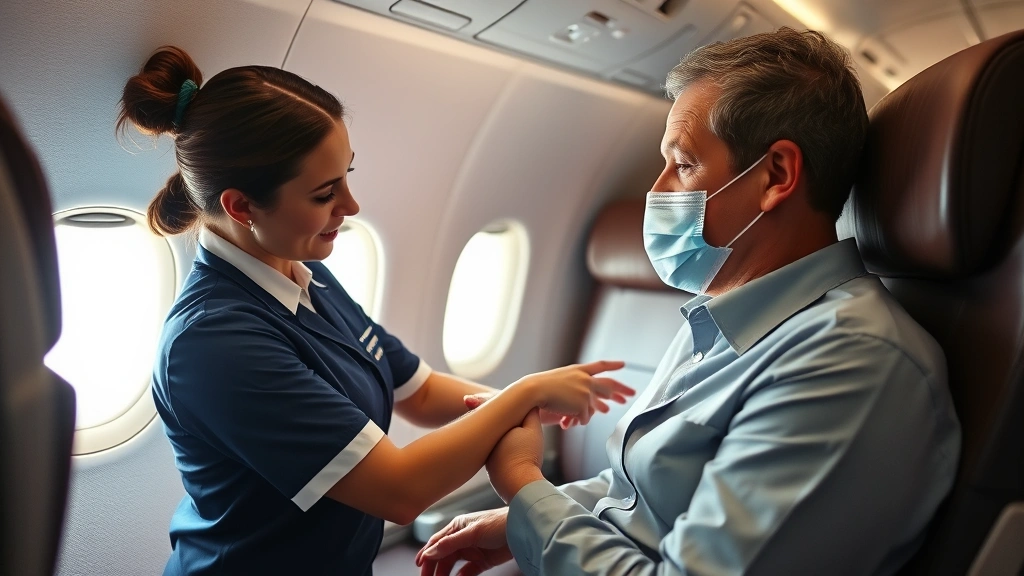
American Airlines maintains comprehensive medical protocols and trains all crew members to recognize and respond to health emergencies. When a passenger experiences symptoms requiring immediate medical attention, the flight crew contacts medical professionals on the ground through specialized aviation medical response services. These doctors assess the situation remotely and make recommendations about the appropriate course of action. If the nearest airport is more than one hour away or if the passenger requires immediate intervention, a diversion becomes necessary.
Pregnant passengers experiencing complications, severe allergic reactions, diabetic emergencies, and acute cardiac events are common reasons for medical diversions. The 787’s advanced cabin pressure management system helps minimize some health risks by maintaining cabin pressure equivalent to 6,000 feet rather than 8,000 feet on older aircraft. This feature benefits passengers with respiratory conditions and reduces the likelihood of pressure-related complications during flight. Despite these advantages, medical diversions still occur when the severity of a passenger’s condition warrants immediate ground-based medical care.
Airlines like American Airlines work closely with International Air Transport Association (IATA) to establish best practices for medical emergencies. Crew members receive regular training on CPR, defibrillator use, and basic medical assessment. When a diversion occurs due to medical emergency, passengers typically understand and support the decision, recognizing that another traveler’s health takes priority over schedule adherence.
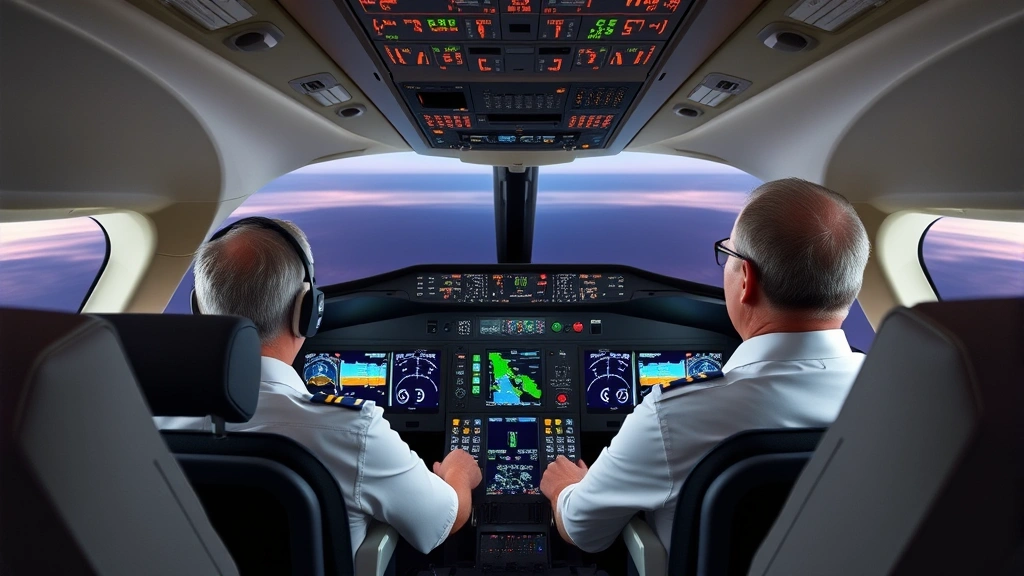
” alt=”Medical emergency response training in aircraft cabin”>
Mechanical and Technical Issues
The Boeing 787 Dreamliner features revolutionary composite materials and advanced avionics that enhance reliability and safety. However, like all complex machines, mechanical issues can occasionally develop. When a system malfunction occurs during flight, the aircraft’s onboard diagnostic systems immediately alert the flight crew through the Electronic Centralized Aircraft Monitoring (ECAM) system. This sophisticated display provides detailed information about the nature and severity of the problem, allowing pilots to determine whether the aircraft can safely continue to its destination or requires diversion to the nearest suitable airport.
Common mechanical reasons for diversions include hydraulic system anomalies, electrical system irregularities, engine performance variations, and landing gear issues. The 787’s redundant systems mean that most single failures don’t compromise flight safety, but they may warrant inspection or replacement by maintenance technicians. For example, if an engine parameter falls outside normal operating ranges, pilots might decide to reduce thrust and divert to the nearest airport rather than risk continued operation of a potentially degraded system.
Pressurization system issues represent another category of mechanical diversion reasons. The cabin pressurization system maintains a safe, breathable environment for passengers and crew. If a pressurization problem develops, pilots must descend to lower altitudes where the outside air pressure is sufficient for human respiration without supplemental oxygen. This descent requirement often necessitates diversion to a nearby airport rather than continuing to a distant destination at reduced altitude.
American Airlines maintains meticulous maintenance standards that exceed regulatory requirements. The airline’s engineering teams conduct regular inspections, component replacements, and system upgrades to keep the 787 fleet operating at peak performance. When mechanical diversions do occur, they represent the system working exactly as designed—identifying potential issues and enabling safe resolution before they become critical problems. This preventive approach contributes to aviation’s exceptional safety record.
Weather-Related Diversions
Severe weather conditions can necessitate flight diversions even when aircraft systems function perfectly. Thunderstorms with severe turbulence, extreme wind shear, hail, microbursts, and other hazardous weather phenomena occasionally force pilots to seek alternative airports. Modern weather radar and satellite technology provide pilots with detailed information about weather patterns ahead, but sometimes conditions develop too rapidly to navigate around them safely.
The 787’s advanced weather avoidance capabilities help pilots navigate around storms more effectively than older aircraft. The Dreamliner’s extended range allows it to fly around weather systems that might have blocked the direct route for previous-generation aircraft. Additionally, the 787’s superior fuel efficiency means pilots have more flexibility to take longer routes that avoid hazardous weather without worrying excessively about fuel reserves.
Wind shear represents a particularly dangerous weather phenomenon that can affect aircraft performance during takeoff and landing. When wind shear is detected near an airport, air traffic control may require flights to divert to alternate locations until conditions improve. Volcanic ash clouds, another rare but serious weather concern, can damage engines and require immediate diversion. The 787’s advanced engines incorporate protective features that help them withstand ash encounters better than older engines, but pilots still prioritize safety by diverting when ash clouds are detected ahead.
Winter weather, including heavy snow, freezing rain, and ice accumulation on runways, can occasionally force diversions. Although airports maintain elaborate snow removal equipment and de-icing procedures, occasionally conditions deteriorate faster than crews can manage. In these situations, air traffic control directs incoming flights to alternate airports until conditions improve. Passengers traveling during winter months should understand that weather-related diversions, while inconvenient, represent essential safety measures that protect everyone aboard.
Air Traffic Control Decisions
Air traffic control systems manage the flow of aircraft through congested airspace to prevent conflicts and optimize efficiency. Occasionally, air traffic controllers issue diversion directives when congestion, runway closures, or emergency situations develop at major airports. These decisions, while disruptive to airline schedules, prevent potentially dangerous conflicts between aircraft.
When multiple aircraft converge on a busy airport simultaneously, or when runway maintenance requires temporary closure, controllers may request that some incoming flights proceed to alternate airports. This tactical load-balancing prevents unsafe congestion and maintains the separation standards that protect all aircraft in the airspace. American Airlines crews cooperate fully with these directives, understanding that air traffic control decisions prioritize the safety and efficiency of the entire system rather than individual flights.
Security incidents at airports, including threats or suspicious activities, occasionally prompt air traffic control to restrict landing slots or redirect incoming aircraft. While these situations are rare, they require immediate response to ensure passenger and ground personnel safety. In such cases, diversions are temporary measures that last only until security personnel clear the airport for normal operations.
The 787 Dreamliner Advantage
The Boeing 787 Dreamliner incorporates numerous technological advances that reduce diversion necessity compared to older aircraft. The aircraft’s extended range—up to 8,000 nautical miles on some configurations—means it can reach more distant airports from any given point, reducing the likelihood that a mechanical issue or weather problem will force a diversion to an inconveniently located alternate airport.
The 787’s advanced avionics include predictive maintenance systems that identify developing problems before they become critical. The aircraft transmits data continuously to American Airlines’ maintenance centers, allowing engineers to anticipate component failures and schedule replacements during planned maintenance rather than facing surprises during flight. This proactive approach has contributed to the 787’s excellent dispatch reliability record.
Cabin pressure management on the 787 also reduces health-related diversions. By maintaining cabin pressure equivalent to 6,000 feet rather than 8,000 feet, the aircraft reduces physiological stress on passengers with respiratory or cardiac conditions. This feature particularly benefits passengers flying on best airlines for long flights, as the reduced pressure difference minimizes fatigue and health risks associated with extended air travel.
The 787’s fuel efficiency means pilots have greater flexibility in routing decisions. If weather forces a longer route around storms, the aircraft’s superior fuel economy ensures pilots maintain adequate reserves. This flexibility reduces the frequency of diversions that might otherwise be necessary on fuel-constrained aircraft.
Passenger Rights During Diversions
When a flight diversion occurs, passengers have specific rights and protections under aviation regulations. The U.S. Department of Transportation (DOT) establishes passenger protection standards that apply to all carriers operating in the United States. These regulations require airlines to provide information about the diversion, ground transportation to accommodations if necessary, and meal vouchers during extended delays.
American Airlines provides affected passengers with regular updates about the situation, expected ground time, and plans for continuing to the original destination or rebooking on alternative flights. The airline arranges ground transportation and hotel accommodations for passengers requiring overnight stays due to diversion-related delays. These passenger protections exist because airlines recognize that diversions, while necessary for safety, inconvenience travelers and disrupt their plans.
Passengers should understand that diversions represent safety-prioritized decisions that benefit everyone aboard. Rather than viewing a diversion as a failure, travelers should recognize it as evidence that the airline and its crew members are actively managing risk and protecting passenger welfare. The inconvenience of a diversion pales in comparison to the safety benefits it provides.
Learning about the best times to book airline tickets and understanding airline policies helps passengers prepare for unexpected situations. Travelers should also review best airline loyalty programs that often provide additional protections and benefits during disruptions. Finally, consulting the SkyVoyageHub Blog offers valuable insights into airline operations and passenger protections.
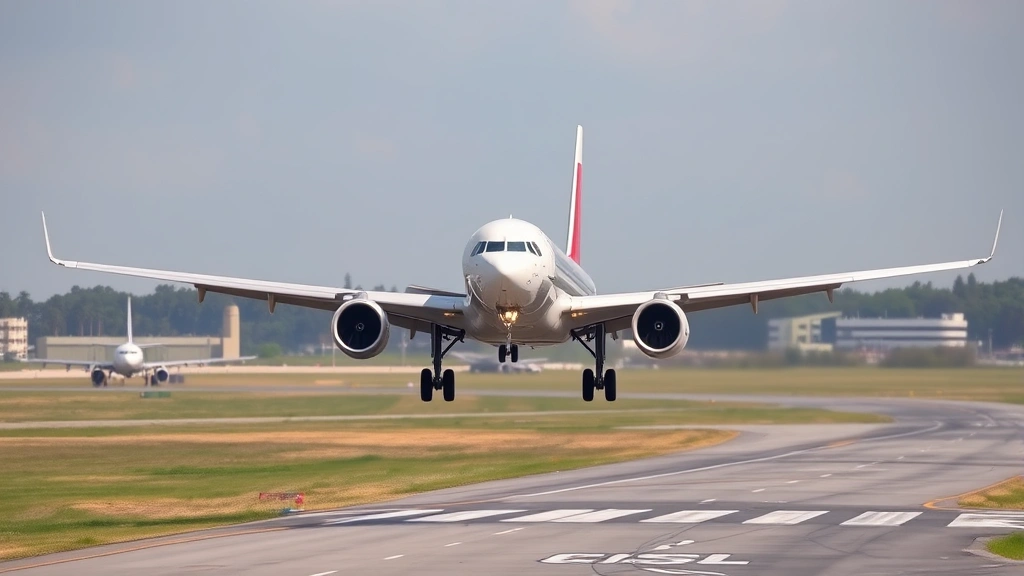
” alt=”Commercial aircraft approaching airport runway during approach”>
FAQ
What is the most common reason for American Airlines 787 diversions?
Medical emergencies affecting passengers or crew members represent the most frequent reason for diversions across American Airlines’ fleet. These situations account for approximately 50% of all diversions, followed by mechanical issues and weather-related concerns. The 787’s advanced medical facilities and crew training help minimize diversion frequency for health-related emergencies, but they still occur when passenger conditions warrant immediate medical attention beyond what the aircraft can provide.
How long does a typical diversion take?
Diversion duration varies significantly depending on the reason and location. A medical emergency diversion might require 30 minutes to 2 hours from the time the decision is made until the aircraft lands and emergency personnel board. Mechanical issue diversions may result in longer ground times while maintenance teams inspect and repair systems. Weather-related diversions sometimes resolve quickly if conditions improve rapidly, but passengers may remain grounded for several hours waiting for conditions to clear at the original destination.
Do passengers receive compensation for diversions?
Compensation policies for diversions depend on the cause and specific circumstances. If a diversion results from airline-caused mechanical issues or operational failures, passengers may be eligible for compensation under DOT regulations. However, diversions caused by medical emergencies, weather, or air traffic control directives typically don’t qualify for compensation since they fall outside airline control. American Airlines provides meals, accommodations, and ground transportation during extended delay periods regardless of compensation eligibility.
Can pilots refuse to divert if air traffic control requests it?
Pilots must comply with air traffic control directives regarding diversions. Air traffic control holds authority over airspace management and aircraft routing to ensure safety and efficiency. Pilots can discuss concerns about specific diversion requests, but they cannot refuse compliant with ATC directives. The system is designed so that pilots and controllers work collaboratively, with pilots providing input about aircraft status and fuel reserves while controllers make final routing decisions.
How does the 787 reduce diversion necessity?
The 787 Dreamliner reduces diversion likelihood through extended range, advanced avionics, superior fuel efficiency, and improved cabin pressure management. The aircraft’s 8,000-nautical-mile range means it can reach more distant alternate airports from any location. Predictive maintenance systems identify developing problems before they become critical. The reduced cabin pressure equivalent benefits passengers with health conditions. Superior fuel economy provides routing flexibility when weather forces longer routes around storms.
What happens to luggage during a diversion?
Passenger luggage remains with the aircraft during diversions and continues to the final destination after ground issues are resolved. American Airlines tracks luggage throughout the diversion process and ensures it arrives with passengers at their final destination. In rare cases where passengers must remain grounded overnight at a diversion airport while the aircraft continues to the original destination, American Airlines arranges luggage delivery to passenger accommodations or retrieval from the original destination airport.