Best Chicago to Boston Flights? Expert Review
Flying from Chicago to Boston is one of the most popular domestic routes in the United States, connecting two major business and cultural hubs with excellent connectivity and competitive pricing. Whether you’re traveling for business meetings in Boston’s Financial District, visiting family, or exploring the historic New England region, finding the right Chicago to Boston flights can significantly impact your travel experience. This comprehensive guide explores the best airlines, booking strategies, and insider tips to help you make an informed decision for your next journey between these iconic cities.
The Chicago to Boston route operates primarily through O’Hare International Airport (ORD) and Boston Logan International Airport (BOS), with flights typically ranging from 3 to 3.5 hours of flight time. Multiple carriers compete on this route, offering various service levels, pricing options, and scheduling flexibility. Understanding the nuances of each airline’s offerings, seat configurations, and additional services can help you maximize value and comfort during your flight.
Top Airlines for Chicago to Boston Flights
Several major carriers dominate the Chicago to Boston route, each offering distinct advantages for different traveler preferences. United Airlines operates frequent flights on this route, leveraging Chicago as a major hub. United offers multiple daily departures with various cabin classes, from basic Economy to Premium Plus, allowing flexibility based on your budget and comfort requirements. Their frequent flyer program integration with Star Alliance provides excellent connection opportunities and redemption value.
American Airlines also maintains a strong presence on this route with competitive scheduling and service quality. American’s partnership with Oneworld alliance members provides seamless connections for international travelers. Their domestic economy offering includes complimentary soft drinks and snacks, plus access to their loyalty program benefits for eligible members.
Southwest Airlines stands out for budget-conscious travelers seeking value without frills. Southwest’s two free checked bags policy makes them particularly attractive for families and travelers with substantial luggage. Their open seating model encourages early arrivals, while their rapid boarding process minimizes airport congestion. Learn more about best airlines for long flights to compare additional carriers and service standards.
Delta Air Lines and JetBlue Airways also serve this route with competitive offerings. Delta’s SkyMiles program and premium cabin amenities appeal to business travelers, while JetBlue’s emphasis on customer service and in-flight entertainment makes them popular among leisure passengers. Each airline maintains different pricing strategies, so comparing options across multiple carriers is essential for finding your ideal flight.
Flight Duration and Schedule Options
The standard flight time from Chicago O’Hare (ORD) to Boston Logan (BOS) ranges from 3 hours to 3 hours 30 minutes, depending on prevailing winds and air traffic patterns. Eastbound flights typically benefit from jet stream assistance, potentially reducing flight times compared to westbound return flights. Morning departures generally experience smoother operations with fewer delays, though afternoon and evening flights may offer better pricing during off-peak periods.
Airlines typically operate multiple daily flights between these cities, with peak scheduling during morning rush hours (6-9 AM) and evening departure windows (5-8 PM). Mid-day flights between 11 AM and 2 PM often feature lower demand and reduced fares, making them attractive for flexible travelers. Red-eye flights departing late evening provide options for travelers wanting to maximize daytime productivity in their departure or destination city.
Return flight scheduling follows similar patterns, with morning departures from Boston allowing same-day arrivals in Chicago before evening. Understanding your schedule flexibility helps optimize both pricing and convenience. Checking the best times to book airline tickets provides additional strategies for securing optimal flight times at competitive rates.
Booking Tips and Best Prices
Securing the best fares on Chicago to Boston flights requires strategic planning and understanding pricing patterns. Book 3-6 weeks in advance for optimal pricing on this domestic route, as this window typically offers the lowest available fares before peak demand periods. Tuesday and Wednesday departures consistently feature lower fares than weekend flights, as business travel demand concentrates on these mid-week dates.
Flexibility with your travel dates can yield significant savings, sometimes reducing fares by 30-50% compared to peak travel days. Using flight comparison websites like Google Flights, Kayak, and Skyscanner allows simultaneous comparison across multiple airlines and booking platforms. Setting up price alerts helps you monitor fare trends and capitalize on sudden price drops.
Consider flying into alternative Boston-area airports like Manchester Airport (MHT) in New Hampshire or Providence Airport (PVD) in Rhode Island for potential savings, though ground transportation costs should factor into your total trip expense. Connecting flights through hubs like Philadelphia or Washington DC may occasionally offer lower fares, though they extend your travel time considerably.
Booking directly with airlines sometimes provides benefits like flexible change policies or complimentary seat upgrades, offsetting slightly higher base fares. Loyalty program members often access exclusive fares and upgrades unavailable through third-party booking sites. Review how to find cheap airline tickets for comprehensive booking strategies applicable to this domestic route.
Using airline credit cards offers sign-up bonuses sufficient for free flights between these cities, plus ongoing rewards and benefits like priority boarding and baggage allowances. However, annual fees require careful evaluation to ensure overall value justifies the cost for your travel frequency.
Seat Selection and Comfort Features
Selecting the right seat significantly impacts comfort on this 3+ hour flight. Aisle seats provide easier restroom access and reduce aisle congestion, while window seats offer views of the northeastern landscape and a wall to lean against during sleep. Middle seats should be avoided when possible due to limited armrest access and isolation from cabin advantages.
Extra legroom seats, typically located in exit rows or premium economy sections, provide 4-6 inches additional legroom compared to standard economy. Airlines charge $15-40 per flight for these premium seats, though loyalty members often access them complimentary. For taller passengers or those with mobility considerations, these upgrades enhance comfort substantially.
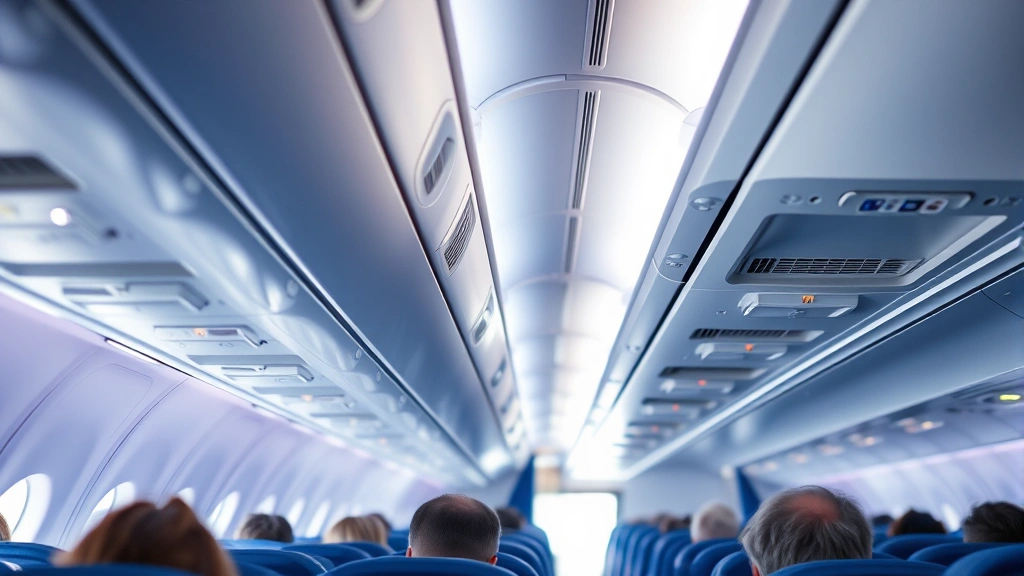
Modern aircraft used on this route feature improved seat designs with better lumbar support than older generations. Checking your aircraft type before booking helps set realistic comfort expectations. Newer Boeing 737 MAX and Airbus A320neo aircraft offer superior cabin pressure and humidity control compared to older models.
Seat width varies by airline and aircraft, with most standard seats measuring 17-17.5 inches. Premium economy seats expand to 18-19 inches, providing noticeable shoulder room improvements. Business class seating on some flights offers direct-aisle access, lie-flat beds, and premium dining, though pricing typically ranges $800-1,500 per segment.
Airport Information and Ground Transportation
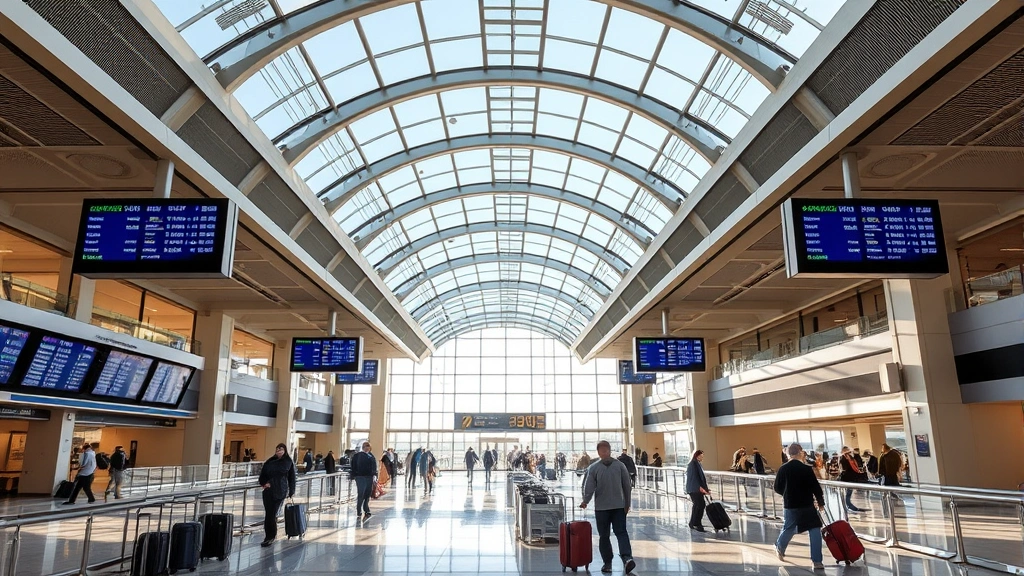
Chicago O’Hare International Airport (ORD) ranks among North America’s busiest airports, with modern facilities, extensive dining, and shopping options. The airport features excellent ground transportation connections including the CTA Blue Line train providing direct downtown Chicago access for $5. Ride-sharing services like Uber and Lyft operate from designated zones, typically costing $25-40 to downtown locations.
Boston Logan International Airport (BOS) offers similarly comprehensive facilities with the MBTA Blue Line providing direct downtown Boston access for $2.75. The airport’s terminals have undergone recent renovations, improving passenger experience and reducing walking distances. Ground transportation includes taxi services, ride-sharing, and rental car facilities.
Arriving 2 hours before domestic flight departure provides adequate time for check-in, security screening, and gate access. Both airports feature TSA PreCheck and Clear expedited screening options, reducing security wait times to 5-10 minutes. These programs cost $78-189 annually but provide substantial convenience benefits for frequent travelers.
Parking at Chicago O’Hare costs $6-30 daily depending on location and duration, while Boston Logan charges similar rates. Off-site parking facilities near both airports offer discounts of 20-30% compared to airport parking, though shuttle services add 15-30 minutes to your airport arrival time.
Baggage Policies and Add-ons
Baggage allowances vary significantly by airline and ticket class. Southwest Airlines includes two free checked bags with all fares, making them ideal for travelers with substantial luggage. United, American, and Delta typically allow one free checked bag with standard economy fares, with additional bags costing $35-50 each. Carry-on bags remain complimentary across all carriers, though size restrictions apply (typically 22x14x9 inches).
Premium cabin passengers receive enhanced baggage allowances, often including two free checked bags plus priority baggage handling. Loyalty program elite members access additional free checked bags based on tier status. Purchasing baggage allowances in advance during booking typically costs less than airport counter purchases.
Additional fees apply for oversized items like golf clubs, sports equipment, or musical instruments, typically ranging $50-200 depending on airline and item specifications. Understanding airlines key information and tips for travelers helps you navigate baggage policies and avoid unexpected fees.
Seat selection, boarding priority, and in-flight beverage upgrades represent additional revenue options airlines offer. Premium boarding costs $15-50 and provides earlier overhead bin access, valuable on crowded flights. Advance seat selection ranges from complimentary (elite members) to $15-40 depending on seat location and airline.
Loyalty Programs and Frequent Flyer Benefits
Frequent flyer programs provide substantial value for regular Chicago to Boston travelers. United MileagePlus, American AAdvantage, and Delta SkyMiles all operate robust programs with achievable redemption goals on this short-haul route. Earning 10,000-25,000 miles per flight segment allows redemption for free roundtrip flights within 1-2 months of regular travel.
Elite status tiers unlock premium benefits including complimentary upgrades, priority boarding, free baggage allowances, and airport lounge access. Achieving elite status typically requires 25,000-50,000 qualifying miles annually, achievable through 8-12 roundtrips on this route. Status benefits often exceed the value of discounted ticket purchases, making loyalty program participation worthwhile for frequent travelers.
Airline credit cards accelerate loyalty program progression through bonus points and accelerated earning rates. Sign-up bonuses typically provide 40,000-75,000 points, sufficient for 1-2 free roundtrip flights between these cities. Annual benefits like anniversary bonuses and dining multipliers enhance long-term value for active cardholders.
Partner airline transfers and redemption flexibility vary by program. United and American offer broader alliance partnerships, enabling redemption on international carriers and enhanced award availability. Southwest’s rapid rewards program emphasizes simplicity with straightforward point earning and redemption without blackout dates.
FAQ
Which airline offers the best service on Chicago to Boston flights?
Service quality varies by airline and passenger priorities. United and American offer comprehensive service with meal options and entertainment systems on most flights. Southwest emphasizes friendly customer service and baggage flexibility. JetBlue provides excellent in-flight entertainment and spacious seating. For business travelers, Delta offers premium cabin options with superior amenities. Reviewing recent passenger reviews on sites like Airfare Watchdog provides current service feedback.
How far in advance should I book Chicago to Boston flights?
Booking 3-6 weeks ahead typically yields the lowest fares on this domestic route. Prices tend to increase significantly within 2 weeks of departure. However, occasional sales and promotional fares appear unpredictably, making price monitoring worthwhile even for flexible travelers. Last-minute booking rarely offers savings on this popular route.
What is the cheapest day to fly from Chicago to Boston?
Tuesday and Wednesday flights typically offer the lowest fares, as business travel demand concentrates on these mid-week dates. Sunday evening and Monday morning flights also feature competitive pricing. Friday through Sunday flights command premium prices due to weekend leisure travel demand. Early morning departures (before 7 AM) and late evening flights (after 7 PM) generally cost less than mid-day options.
Do I need TSA PreCheck for Chicago to Boston flights?
TSA PreCheck isn’t required but provides substantial convenience benefits, reducing security screening to 5-10 minutes. The $78 five-year membership pays for itself through time savings on just 4-5 roundtrips. Families benefit particularly, as children under 12 can accompany eligible adults through PreCheck lanes without separate enrollment.
What are typical Chicago to Boston flight delays?
This route experiences relatively few weather-related delays compared to routes crossing mountain ranges or passing through severe weather zones. Average on-time performance exceeds 80% across most carriers. Winter months may experience occasional delays due to northeastern weather patterns, while summer travel typically features reliable scheduling. Checking real-time flight tracking provides current delay information before your departure.
Can I upgrade my economy seat to premium cabin?
Yes, upgrades are available through multiple methods. Purchasing premium cabin tickets directly offers guaranteed upgrades. Loyalty program elite members receive complimentary upgrades based on tier status and flight availability. Bid upgrades allow economy passengers to offer points or cash for premium seat upgrades, typically costing $50-150 depending on demand. Upgrade availability increases on less-full flights, making mid-week travel more upgrade-friendly.
What should I pack for a Chicago to Boston flight?
Pack layers, as cabin temperatures fluctuate during flight. Comfortable clothing and slip-on shoes facilitate easier security screening and in-flight comfort. A neck pillow and blanket enhance sleep on this 3+ hour flight. Electronics chargers address the 3+ hour flight duration. Weather-appropriate clothing depends on your Boston destination timing, as northeastern weather varies significantly by season. Review essential tips for long haul flights for comprehensive packing guidance applicable to this route.
Are there direct flights from Chicago to Boston?
Yes, direct flights dominate this route, with most flights operating as non-stop service. Connecting flights through hubs like Philadelphia or Washington DC occasionally offer lower fares but extend travel time to 5+ hours. For most travelers, direct flight convenience outweighs potential savings from connections on this short-haul domestic route.