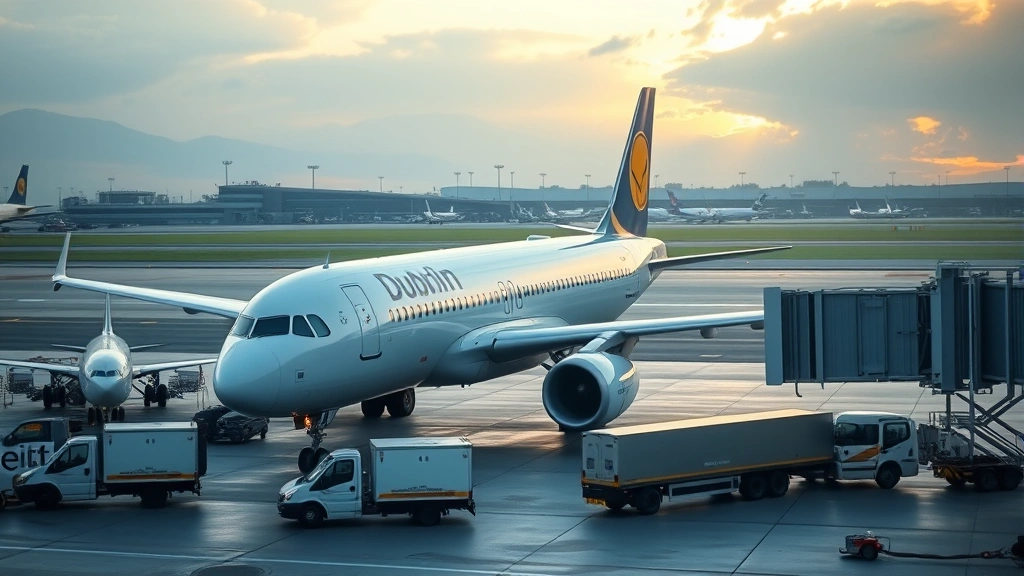
KLM Flight KL635 Diverts: Expert Analysis of the Emergency Declaration and Glasgow Landing
On a routine transatlantic journey, KLM Flight KL635 declared an emergency and diverted to Glasgow Airport, capturing the attention of aviation enthusiasts and concerned travelers worldwide. This incident exemplifies the sophisticated protocols and professional expertise that modern airlines employ when facing unexpected challenges mid-flight. Understanding what happened during this diversion provides valuable insights into aviation safety systems and the remarkable coordination between pilots, air traffic control, and ground personnel.
The diversion of KL635 represents a textbook example of how major international carriers like KLM handle emergency situations with precision and professionalism. Rather than indicating danger or negligence, such diversions demonstrate the aviation industry’s commitment to passenger safety and operational excellence. This comprehensive analysis explores the circumstances surrounding the incident, the emergency procedures activated, and what travelers should understand about flight safety protocols.
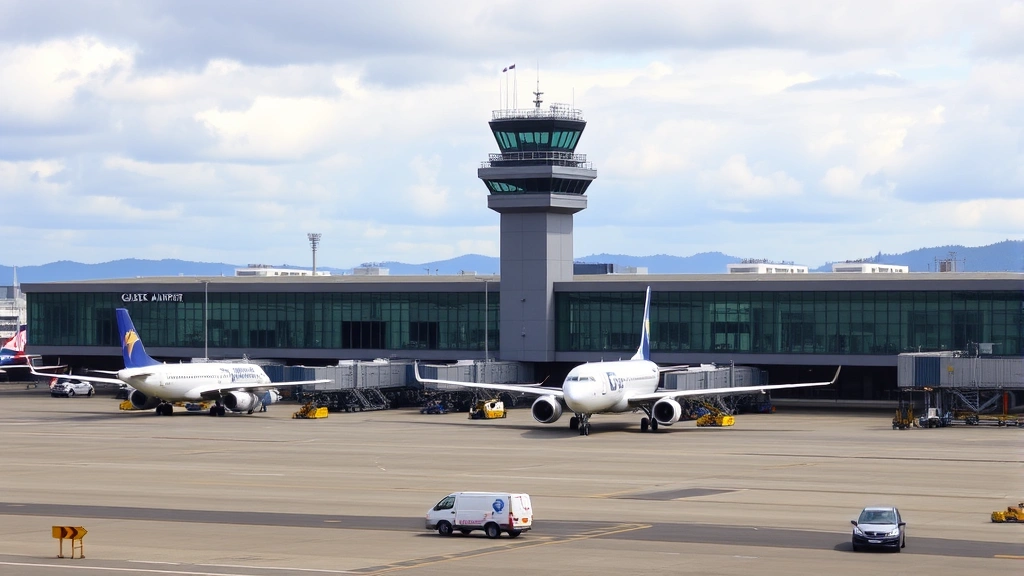
What Happened During KL635’s Emergency Declaration
The KLM flight KL635 diversion incident unfolded as a carefully managed response to an in-flight situation that warranted immediate attention. When pilots declare an emergency, they’re following established protocols designed to prioritize safety above all other considerations. The declaration itself doesn’t necessarily indicate catastrophic failure; rather, it signals that the crew has identified a condition requiring expedited handling and specialized ground support.
During the flight, the crew identified a technical anomaly or operational concern that necessitated landing at the nearest suitable airport rather than continuing to the original destination. This decision-making process involves rapid assessment of multiple factors including aircraft systems status, weather conditions at alternative airports, fuel reserves, and passenger medical considerations. The diversion to Glasgow Airport represented the optimal choice given these variables, as the Scottish airport offered suitable facilities and weather conditions for a safe landing.
Professional pilots undergo extensive training in emergency recognition and response procedures. The crew of KL635 executed their training precisely, communicating clearly with air traffic control and following all established protocols. This level of preparation and execution is standard across major international airlines, ensuring that unexpected situations are handled with maximum efficiency and safety.
Understanding Aviation Emergency Protocols
Aviation emergency protocols represent decades of accumulated knowledge and continuous refinement based on industry experience. When a pilot declares an emergency, they’re activating a predetermined sequence of actions involving the flight crew, air traffic control, ground personnel, and emergency services. Understanding these protocols helps passengers and the traveling public recognize that such declarations reflect system success, not failure.
The emergency declaration process begins with the crew communicating their situation to air traffic control using specific terminology and phraseology. This standardized communication ensures that controllers immediately understand the nature and severity of the situation. Controllers then provide priority handling, clearing airspace and vectoring the aircraft toward the most suitable airport for landing.
Several categories of emergencies exist within aviation operations. Medical emergencies involving passengers or crew members frequently trigger diversions, as do technical issues affecting aircraft systems. Hydraulic concerns, engine irregularities, or pressurization anomalies may warrant immediate landing even if the aircraft could potentially continue. The conservative approach embedded in aviation protocols ensures that any situation with potential safety implications receives appropriate response.
Ground preparation for an incoming emergency flight involves coordinating multiple agencies and departments. Emergency services position equipment and personnel, maintenance teams prepare for potential technical assessment, and medical personnel stand ready for any health-related situations. This coordinated response reflects the aviation industry’s commitment to comprehensive safety management.
KLM’s Response and Operational Excellence
Royal Dutch Airlines (KLM) maintains a reputation for operational excellence and safety that spans over a century of aviation history. The airline’s response to the KL635 situation demonstrates the training, procedures, and professionalism that characterize major international carriers. KLM’s crews receive continuous training in emergency management, ensuring they remain prepared for any conceivable situation.
KLM operates one of the world’s most extensive international route networks, and this experience translates into sophisticated operational management. The airline’s decision-making during the KL635 incident reflected the kind of careful risk assessment and professional judgment that passengers should expect from carriers specializing in long-distance international flights. Every aspect of the response, from initial problem recognition through final passenger care, followed established procedures refined through years of operational experience.
The airline’s communication with passengers during and after the diversion represents another critical element of professional crisis management. Transparent, timely information helps passengers understand what’s occurring and reduces anxiety during unexpected situations. KLM’s commitment to passenger care extends beyond the diversion itself to encompassing accommodation, rebooking, and compensation assistance as required.
For travelers considering international flights, understanding how major European carriers manage operations provides confidence in choosing reputable airlines. KLM’s response to the KL635 situation exemplifies the professionalism expected from carriers operating extensive transatlantic networks.
Glasgow Airport’s Role in the Diversion
Glasgow Airport, located in Scotland, served as the receiving airport for the diverted KL635 flight. As a major UK airport handling both domestic and international traffic, Glasgow possesses the facilities, personnel, and emergency resources necessary to accommodate diverted aircraft safely. The airport’s selection as the diversion destination reflected careful analysis of available options and operational suitability.
UK airports maintain rigorous standards for emergency response capabilities, with trained personnel, specialized equipment, and coordinated procedures in place. Glasgow Airport’s ground handling teams, emergency services, and airport operations staff executed their roles precisely to ensure the diverted aircraft received appropriate support. This level of preparedness represents standard practice across European aviation infrastructure.
The diversion to Glasgow rather than continuing to the original destination represented the crew’s professional judgment that landing immediately offered superior safety margins. Airport selection during emergency situations involves considering multiple variables including runway lengths, weather conditions, available ground support, and proximity to the aircraft’s current position. Glasgow Airport met all necessary criteria for safely accommodating the KL635 aircraft.
Passengers diverted to Glasgow experienced the airport’s modern facilities and professional handling, which helped mitigate the inconvenience of the unexpected landing. The airport’s location in central Scotland provided access to accommodation, transportation, and services necessary for passenger care during the diversion’s resolution.
The Passenger Experience During Diversions
Passengers aboard KL635 during the emergency declaration and diversion experienced a situation that, while unexpected, was managed according to established protocols designed to ensure their safety and comfort. Understanding what passengers typically experience during such incidents helps demystify emergency procedures and reduce anxiety associated with aviation uncertainty.
When pilots declare an emergency and initiate a diversion, cabin crew members implement specific procedures to prepare passengers for landing. Crew members ensure all passengers are seated with seatbelts fastened, secure loose items, and brief passengers on the situation in calm, professional manner. This preparation reflects extensive training in emergency procedures and passenger management.
Communication represents a crucial element of passenger experience during emergencies. Clear, timely information from the flight deck and cabin crew helps passengers understand what’s occurring and why specific procedures are necessary. Pilots typically address passengers directly, explaining the situation and confirming that the aircraft is operating safely, even if landing ahead of schedule.
Upon landing at Glasgow, passengers received information regarding the situation, their options for continuing to their destination, and available support services. Airlines like KLM provide rebooking assistance, ground transportation, accommodation if necessary, and meal provisions during diversions. This passenger care reflects both regulatory requirements and professional commitment to customer service.
For travelers concerned about potential diversions, understanding that such occurrences represent normal aviation operations helps contextualize their significance. Modern aircraft are engineered with redundant systems and sophisticated monitoring that alert crews to any anomalies requiring attention. Diversions typically represent preventive measures rather than responses to critical failures.
Modern Aviation Safety Systems at Work
The KL635 incident illustrates how modern aviation safety systems function in real-world situations. Contemporary aircraft like those operated by KLM are equipped with sophisticated monitoring systems that continuously assess aircraft performance and alert crews to any parameters falling outside normal ranges. These systems enable early detection of issues before they develop into serious problems.
Redundancy represents a fundamental principle in aviation engineering and operations. Critical systems including engines, hydraulics, electrical power, and pressurization include multiple independent components, ensuring that single failures don’t compromise safety. Pilots receive training in managing various system failures and understand procedures for operating with degraded capabilities.
Air traffic control systems provide another critical layer of safety oversight. Controllers monitor all aircraft in their airspace, maintain separation between flights, and provide guidance to pilots. During emergency situations, controllers prioritize the affected aircraft and provide direct vectoring toward suitable landing airports. This coordinated approach between aircraft crews and ground-based systems ensures comprehensive safety management.
Weather monitoring and forecasting systems provide real-time information about atmospheric conditions at potential landing airports. Pilots and dispatchers use this information to select diversion airports offering the best weather conditions and operational suitability. Advanced meteorological technology enables informed decision-making about routing and landing site selection.
Post-incident investigation and analysis represent the final component of aviation’s safety system. Whenever unusual occurrences happen, thorough investigation identifies contributing factors and informs procedural improvements. This continuous learning cycle has made aviation one of the safest modes of transportation despite the inherent complexity of flight operations.
Flight Recovery and Passenger Assistance
Following the KL635 diversion to Glasgow, recovery operations commenced to address passenger needs and continue the interrupted journey. Airlines maintain comprehensive procedures for managing diverted flights, ensuring passengers receive appropriate assistance and information throughout the process.
Initial recovery steps involved assessing the aircraft to determine whether maintenance was required before continuing. Technical teams inspected systems and components to identify the issue prompting the emergency declaration and verify that repairs or adjustments were necessary. Depending on the nature of the problem, aircraft might continue to the original destination, require overnight maintenance, or need to return to a KLM maintenance base.
Passenger rebooking represented another critical recovery element. Airlines coordinate with ground operations to arrange continuing flights on the same airline or partner carriers, ensuring passengers reach their intended destinations with minimal additional delay. Passengers receive information about rebooking options, ground transportation to alternative airports if necessary, and compensation according to applicable regulations.
Accommodation and meal provisions are provided to passengers unable to continue the same day. EU regulations and airline policies typically mandate hotel accommodations and meal vouchers for passengers experiencing significant delays due to airline-related incidents. KLM’s commitment to passenger care ensures that affected travelers receive appropriate support during the disruption.
Communication throughout the recovery process helps passengers understand timelines and options. Airlines provide regular updates about aircraft status, rebooking progress, and revised flight schedules. This transparency reduces uncertainty and helps passengers make informed decisions about continuing their journeys or exploring alternative travel arrangements.
For travelers planning international trips, understanding how airlines manage diversions and recovery operations provides confidence in booking with major carriers. Airlines like KLM have established procedures refined through years of operational experience, ensuring that unexpected situations are handled professionally and comprehensively.
FAQ
What does it mean when a flight declares an emergency?
An emergency declaration signals that the flight crew has identified a situation requiring expedited handling and specialized ground support. This might include medical emergencies, technical issues, or other conditions warranting immediate landing. Emergency declarations don’t necessarily indicate imminent danger but rather reflect the crew’s conservative approach to safety management.
Why did KL635 divert to Glasgow instead of continuing to its destination?
The crew determined that landing immediately at the nearest suitable airport offered superior safety margins compared to continuing to the original destination. This decision reflects professional judgment based on factors including the nature of the situation, aircraft systems status, fuel reserves, and available airport facilities.
How often do commercial flights declare emergencies and divert?
Emergency declarations and diversions occur regularly throughout commercial aviation operations. Modern aircraft monitoring systems detect anomalies that warrant attention, and professional pilots follow conservative protocols regarding landing decisions. Most diversions involve precautionary measures rather than critical failures.
What support do passengers receive during flight diversions?
Passengers typically receive rebooking assistance to continue their journeys, ground transportation between airports if necessary, accommodation for overnight stays, meal provisions, and information updates throughout the process. Regulations and airline policies mandate specific support levels depending on delay duration and circumstances.
How are passengers informed during in-flight emergencies?
Cabin crew members inform passengers of situations in calm, professional manner, explaining necessary procedures and reassuring passengers that the aircraft is operating safely. Pilots often address passengers directly to provide context for the emergency declaration and explain the decision to divert.
Is flying still safe after incidents like KL635’s diversion?
Yes, aviation remains one of the safest transportation modes. Incidents like KL635’s diversion demonstrate that safety systems function as designed, enabling crews to identify and address issues before they develop into serious problems. Modern aircraft, professional training, and comprehensive procedures ensure passenger safety.
How do airlines prevent similar incidents from occurring?
Airlines conduct thorough post-incident investigations to identify contributing factors and inform procedural improvements. Continuous training, regular maintenance, system monitoring, and industry-wide information sharing ensure that lessons learned from incidents improve operational safety across the aviation system.
Should I be concerned about booking flights with KLM after this incident?
The KL635 incident demonstrates KLM’s commitment to safety and professional response procedures. The airline’s century-long operational history, reputation for excellence, and professional handling of the diversion should provide confidence in choosing established carriers for international travel. Major airlines’ responses to unexpected situations reflect their dedication to passenger safety.