United Airlines Flight 175: Historical Overview
United Airlines Flight 175 holds a significant place in aviation history as one of the most tragic events in commercial aviation. On September 11, 2001, this Boeing 767-200 aircraft, operating a scheduled service from Boston Logan International Airport to Los Angeles International Airport, became the second plane involved in the terrorist attacks that devastated the United States. Understanding this flight’s history requires examining not only the events of that fateful day but also the broader context of United Airlines’ operations, safety protocols, and the lasting impact on the aviation industry.
The aircraft involved, registered as N612UA, had been in service with United Airlines since 1983 and had accumulated thousands of flight hours without incident prior to September 11th. The flight was crewed by experienced professionals and carried 65 people aboard, including 9 flight attendants and 56 passengers. This historical overview seeks to provide travelers and aviation enthusiasts with comprehensive information about this significant event and its implications for modern air travel.
The Aircraft and Flight Operations
The Boeing 767-200 that operated as Flight 175 was a mid-size wide-body aircraft designed for long-distance international and domestic routes. This particular aircraft had been maintained according to strict airline safety standards and operational procedures throughout its service life. The 767 series was known for its reliability, fuel efficiency, and advanced avionics systems, making it a popular choice for major carriers like United Airlines.
United Airlines, one of the best airlines for long-distance travel, operated hundreds of flights daily across the United States and internationally. Flight 175 was a routine cross-country service that departed Boston at 8:42 AM Eastern Time on September 11th. The flight plan indicated a normal routing that would have taken approximately five and a half hours to reach Los Angeles. The crew consisted of Captain Victor Saracini and First Officer Michael Horrocks, both experienced pilots with thousands of hours of flight experience.
Prior to the events of that morning, the aviation industry operated under security protocols that, while comprehensive for the time, would later be identified as having critical gaps. The Sky Voyage Hub Blog and other aviation resources document how these procedures evolved following the attacks. The cockpit doors on aircraft like the 767 were not reinforced, and crew procedures for handling potential threats did not account for the possibility of weaponized aircraft.
Events of September 11, 2001
At approximately 8:51 AM, Flight 175 was instructed by air traffic control to climb to 35,000 feet. The flight crew acknowledged this instruction, but moments later, the aircraft’s transponder code was changed, and radio contact was lost. Controllers heard a chilling transmission: “Everyone stay in your seats.” This marked the beginning of a tragic sequence of events that would unfold over the next several minutes.
The aircraft was hijacked by five individuals who had boarded the flight with box cutters and other weapons. They moved through the cabin with deliberate purpose, disabling communications and taking control of the cockpit. The flight attendants, including CeeCee Lyles and Robert Jones, demonstrated extraordinary courage in their final moments, attempting to alert authorities to the situation despite the extreme danger they faced.
At 9:03 AM and 2 seconds, Flight 175 impacted the South Tower of the World Trade Center in New York City at a speed of approximately 590 miles per hour. The impact caused massive structural damage and ignited intense fires that ultimately led to the tower’s collapse. The 65 people aboard the aircraft, along with hundreds in the building, perished in this attack. This event remains one of the most significant moments in modern history and forever changed aviation security worldwide.
The loss of Flight 175 was compounded by the earlier impact of American Airlines Flight 11 into the North Tower at 8:46 AM. These coordinated attacks demonstrated a vulnerability in aviation security that the industry had never previously encountered on such a scale. In the hours and days following the attacks, all aircraft in American airspace were grounded, and a comprehensive reassessment of aviation safety procedures began immediately.
Impact on Aviation Safety
The tragic events involving Flight 175 and the other aircraft that day prompted the most comprehensive overhaul of aviation security in history. The Transportation Security Administration (TSA) was established to oversee and implement new security measures at airports across the United States. These changes included reinforced cockpit doors, air marshals on flights, and enhanced screening procedures for all passengers.
Airlines, including United, implemented new crew training protocols specifically designed to address potential threats in the cockpit. The Federal Aviation Administration (FAA) issued numerous directives requiring modifications to aircraft systems and procedures. Modern cockpit doors are now designed to withstand significant force, and pilots receive training on recognizing and responding to potential security threats. These measures represent a fundamental shift in how the aviation industry approaches passenger and crew safety.
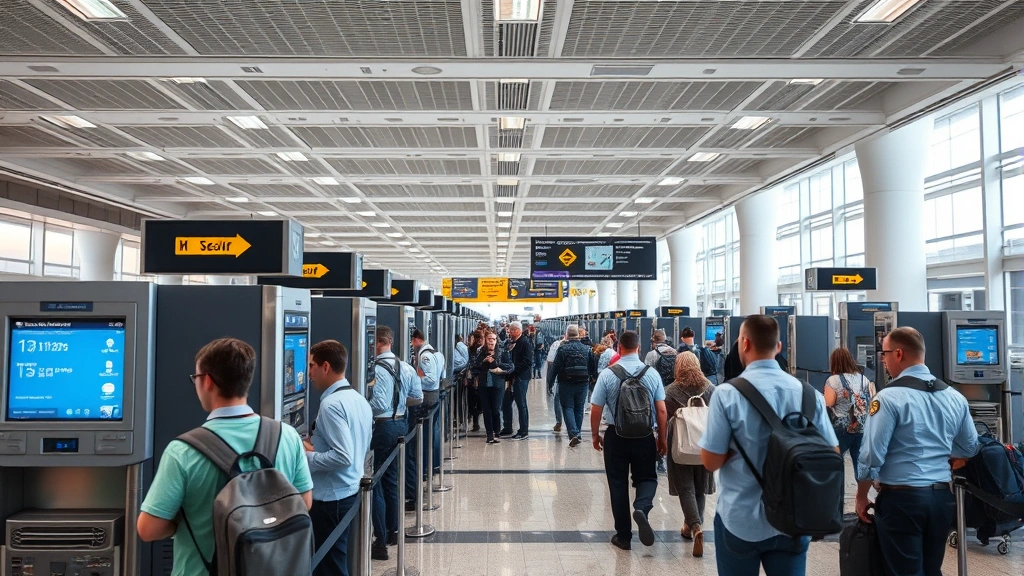
Understanding airline operations and safety procedures became increasingly important for travelers following these events. The visible security measures at airports today—security checkpoints, metal detectors, baggage screening, and security personnel—are direct results of lessons learned from Flight 175 and the other attacks. While these measures may sometimes seem inconvenient, they represent a commitment to preventing similar tragedies.
International aviation authorities, including the International Civil Aviation Organization (ICAO), also strengthened their security recommendations and standards. ICAO established enhanced security protocols that member nations adopted, creating a more comprehensive global aviation security framework. These international standards ensure that security measures are consistent across borders and airports worldwide.
United Airlines Response and Recovery
United Airlines faced an unprecedented challenge in the aftermath of September 11th. The airline lost Flight 175 and also operated American Airlines Flight 77, which impacted the Pentagon. The company’s immediate response focused on supporting the families of victims, assisting survivors, and working with authorities investigating the attacks. United established victim compensation programs and provided comprehensive support services to employees and families affected by the tragedy.
The airline industry, including United, worked closely with government agencies to implement new security measures and operational procedures. United invested significantly in crew training, aircraft modifications, and security enhancements. The company also participated in industry-wide initiatives to develop better security technologies and procedures. These efforts demonstrated the aviation industry’s commitment to preventing future attacks.
For travelers considering United Airlines, it’s important to understand that the company has maintained a strong commitment to safety and security since these events. When learning how to find affordable airline tickets and choosing carriers, passengers can be confident that modern security protocols and crew training are far more comprehensive than they were in 2001. United, like all major carriers, continuously updates its safety procedures based on the latest security intelligence and best practices.
The airline’s recovery from the attacks took years and required significant organizational and financial resources. However, United emerged as a stronger organization with enhanced safety protocols and a renewed commitment to passenger security. The lessons learned from Flight 175 and the other attacks of that day have become embedded in the culture and operations of every major airline worldwide.
Modern Air Travel Security
Today’s air travel security environment is dramatically different from what existed on September 11, 2001. When you board a modern flight, you benefit from multiple layers of protection that simply did not exist two decades ago. These security measures represent a direct response to the vulnerabilities exposed by the attacks on Flight 175 and the other aircraft that day.
Pre-flight screening procedures now include advanced imaging technology, baggage scanning, and behavioral assessment by trained security personnel. Passengers undergo thorough identity verification, and no-fly lists are constantly updated with individuals deemed to pose security risks. TSA PreCheck and similar programs allow frequent travelers to expedite screening while maintaining security standards.
In the cockpit, modern procedures ensure that only authorized personnel can access the flight deck. Pilots and crew receive regular training on security protocols and threat recognition. The reinforced cockpit doors, combined with video surveillance and communication systems, create a secure environment for flight operations. Cabin crew members are also trained to recognize suspicious behavior and respond appropriately to potential threats.
Understanding modern airline operations and booking practices helps travelers appreciate the comprehensive systems now in place. Airlines maintain detailed passenger manifests, conduct background checks on crew members, and coordinate with law enforcement agencies. International flights involve additional security layers, including information sharing between countries and enhanced screening procedures.
The Federal Aviation Administration (FAA) continues to evolve security standards based on emerging threats and technological advances. Airlines invest billions of dollars annually in security infrastructure, training, and technology. These investments reflect the industry’s commitment to ensuring that events like those involving Flight 175 never occur again.
Remembrance and Legacy
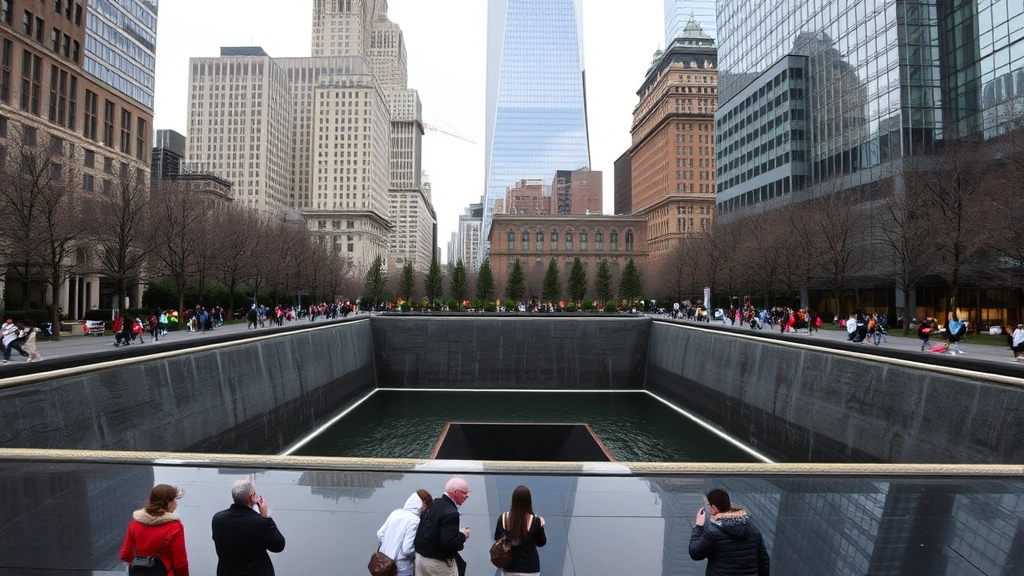
The 65 people who perished on United Airlines Flight 175 are remembered through various memorials and tributes. The 9/11 Memorial & Museum in New York City honors all victims of the attacks, including those aboard Flight 175. The names of each person who died are inscribed at the memorial, ensuring that their memory is preserved for future generations.
Flight 175’s legacy extends beyond memorialization to encompassing fundamental changes in how society approaches aviation security and emergency preparedness. The tragedy prompted comprehensive reviews of security procedures, emergency response protocols, and international cooperation in aviation safety. These improvements have made air travel significantly safer and more secure for millions of passengers who fly daily.
Educational institutions and aviation training programs now incorporate lessons learned from Flight 175 and the other attacks into their curricula. Future pilots, crew members, and security professionals study these events to understand how security vulnerabilities can be identified and addressed. This educational focus ensures that the lessons of September 11th continue to inform aviation safety practices.
The resilience demonstrated by the aviation industry in the aftermath of these attacks is remarkable. Despite the tragedy, commercial aviation has continued to grow, with new aircraft, routes, and airlines emerging while maintaining the highest security and safety standards. The industry’s commitment to learning from Flight 175 and implementing comprehensive security measures has created one of the safest transportation systems in the world.
FAQ
What was United Airlines Flight 175?
United Airlines Flight 175 was a Boeing 767-200 aircraft operating a scheduled service from Boston to Los Angeles on September 11, 2001. The flight was hijacked by five individuals and crashed into the South Tower of the World Trade Center in New York City at 9:03 AM, killing all 65 people aboard and hundreds in the building.
How many people were aboard Flight 175?
There were 65 people aboard Flight 175, including 9 flight attendants, 2 pilots, and 54 passengers. All occupants of the aircraft perished in the attack.
How did the attacks on Flight 175 change aviation security?
The attacks led to the creation of the Transportation Security Administration (TSA), implementation of reinforced cockpit doors, deployment of air marshals, enhanced screening procedures, and comprehensive crew training protocols. These changes fundamentally transformed aviation security worldwide.
Is air travel safe after September 11th?
Yes, air travel is significantly safer today than it was before September 11, 2001. The comprehensive security measures, technological advances, and training protocols implemented since the attacks have made commercial aviation one of the safest transportation modes available.
What airlines were affected by the September 11th attacks?
United Airlines operated Flight 175 and Flight 93 (which crashed in Pennsylvania). American Airlines operated Flight 11 (which hit the North Tower) and Flight 77 (which hit the Pentagon). All four flights were involved in coordinated terrorist attacks on September 11th.
How can travelers learn more about aviation safety?
Travelers can visit the FAA website, consult the TSA website for security information, and read resources like the Sky Voyage Hub Blog for comprehensive information about modern air travel and airline operations.