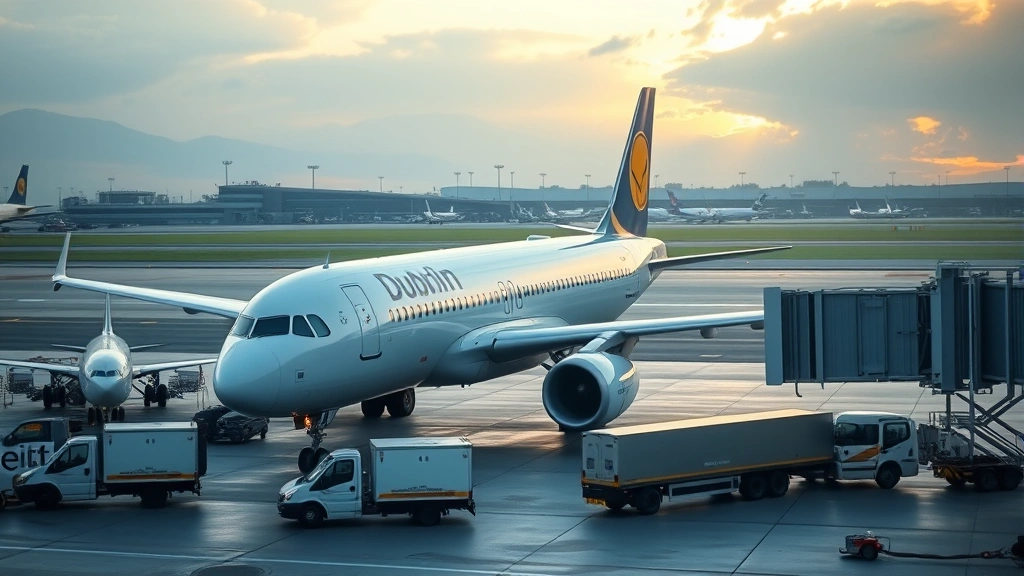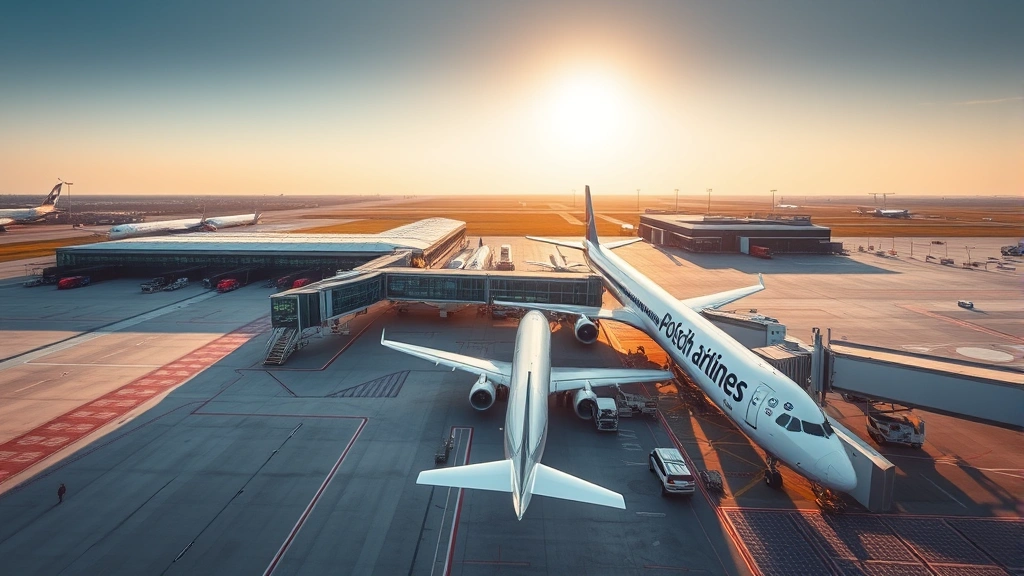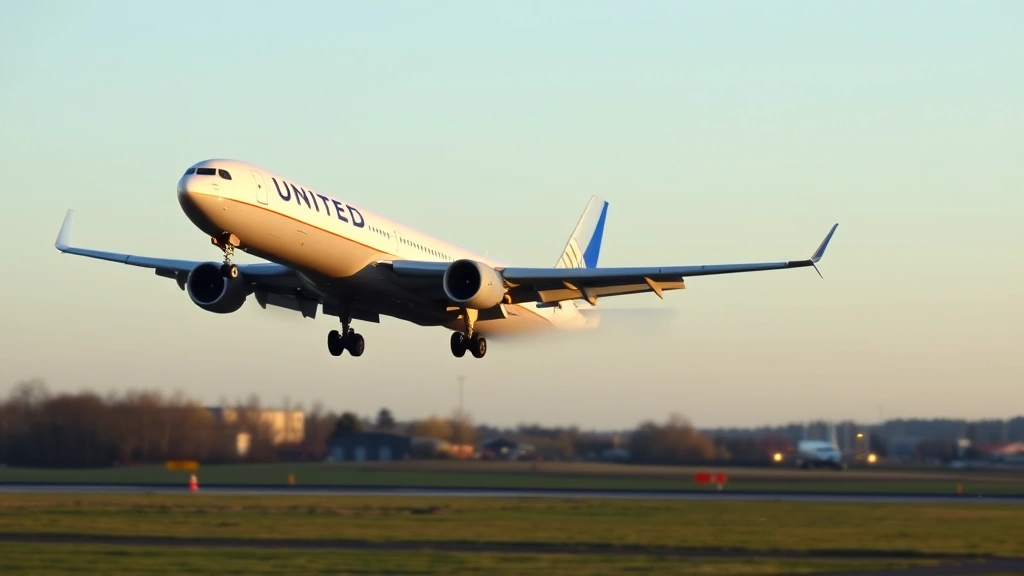
United Airlines Emergency Landing at Dulles Airport: What Travelers Need to Know
When a United Airlines flight makes an emergency landing at Dulles Airport, it captures immediate attention from aviation safety experts, travelers, and industry professionals alike. Emergency landings, while rare in modern aviation, represent some of the most critical moments in commercial flight operations. Understanding what triggers these procedures, how airlines handle them, and what safety measures protect passengers is essential knowledge for anyone who flies regularly.
Dulles International Airport, serving the Washington D.C. metropolitan area, handles thousands of flights monthly and maintains world-class emergency response capabilities. When United Airlines or any carrier declares an emergency landing, the entire airport infrastructure mobilizes to ensure passenger safety. This comprehensive guide explores the mechanics of emergency landings, the protocols involved, and what recent incidents teach us about aviation safety.
Understanding Emergency Landing Procedures
An emergency landing declaration means a pilot has determined that continuing to the originally scheduled destination poses potential risks. These declarations activate specialized protocols that prioritize passenger safety above all other considerations. When a United Airlines flight declares an emergency landing at Dulles, the flight crew communicates directly with air traffic control, triggering a coordinated response involving multiple agencies.
The Federal Aviation Administration (FAA) oversees all emergency landing procedures in United States airspace. Pilots receive extensive training in emergency protocols, practicing scenarios repeatedly throughout their careers. The decision to declare an emergency is never taken lightly—pilots understand that doing so initiates a complex series of procedures and investigations. However, aviation culture emphasizes that declaring an emergency is always the correct choice when safety is potentially compromised.
Emergency landing categories range from minor mechanical issues to serious situations requiring immediate descent. A hydraulic system malfunction, engine problem, or medical emergency on board might all trigger an emergency declaration. United Airlines pilots are trained to assess situations rapidly and make decisions that protect everyone aboard. The airline’s training programs, developed in accordance with FAA requirements, ensure pilots can handle virtually any scenario that might occur at altitude.
Understanding airlines key information and tips for travelers includes knowing that emergency procedures are standardized across the industry. When you fly with United or any major carrier, you’re benefiting from decades of safety improvements and regulatory oversight. The procedures that seem dramatic to observers—emergency vehicles standing by, rapid descent patterns, immediate landing approaches—are all routine elements of emergency response systems designed to minimize risk.
United Airlines Safety Protocols
United Airlines maintains some of the most comprehensive safety protocols in the aviation industry. As one of the largest carriers in the United States, United operates hundreds of daily flights and maintains rigorous maintenance schedules, crew training programs, and safety oversight systems. The airline’s commitment to safety extends beyond regulatory compliance, incorporating industry best practices and continuous improvement initiatives.
The airline’s maintenance teams conduct detailed inspections on every aircraft before each flight. Mechanics check systems, verify component functionality, and document any issues that might affect safety. This preventive maintenance approach catches potential problems before they develop into serious issues. When an aircraft does experience a problem that requires an emergency landing, it’s often because a system has degraded in flight—something that maintenance couldn’t predict despite thorough pre-flight checks.
United’s crew training programs include regular simulator sessions where pilots practice emergency scenarios. These sessions are mandatory and occur at specified intervals throughout a pilot’s career. Pilots practice engine failures, hydraulic system malfunctions, decompression events, and numerous other scenarios. This repetitive training ensures that when a real emergency occurs, pilots respond from muscle memory and well-rehearsed procedures rather than attempting to improvise.
The airline also maintains detailed communication protocols. When a flight crew identifies a potential emergency situation, they immediately notify air traffic control and begin executing appropriate procedures. United’s operations centers monitor all flights and maintain communication with crews throughout flights. If a situation develops, ground-based aviation experts are available to consult with flight crews, providing additional perspective and guidance.
For frequent travelers, understanding best airlines for long flights includes evaluating safety records and operational excellence. United’s extensive history of safe operations, combined with modern aircraft and well-trained crews, makes it a reliable choice for travelers concerned about safety.
Dulles Airport Emergency Response
Ronald Reagan Washington National Airport (DCA), also known as Dulles, is one of the busiest airports in the United States and maintains exceptional emergency response capabilities. The airport’s emergency services include dedicated fire departments, medical response teams, and specialized equipment designed for aircraft emergencies. When a United Airlines flight declares an emergency landing at Dulles, these resources mobilize within minutes.
Dulles Airport’s emergency response plan is comprehensive and regularly tested. Airport personnel conduct drills simulating various emergency scenarios, ensuring all personnel understand their roles and responsibilities. When an actual emergency occurs, this training translates into coordinated, efficient response. Emergency vehicles position themselves along the runway before the aircraft lands, remaining at safe distances while standing ready to assist if needed.
The airport’s air traffic control tower coordinates the emergency landing with precision. Controllers clear the runway of all other traffic, ensure emergency vehicles are positioned appropriately, and provide the flight crew with any assistance they need. Dulles’ controllers are specially trained in emergency procedures and maintain calm, professional communication throughout the process. Their guidance helps pilots focus on landing the aircraft safely while ensuring ground operations support the emergency response.
Medical facilities at Dulles Airport include ambulances and paramedics trained in aviation emergency response. If passengers or crew members require medical attention, these professionals are immediately available. The airport’s location near Washington D.C. also provides access to major medical centers, ensuring that anyone requiring specialized care can be transported quickly and efficiently.
The airport’s facilities and infrastructure support emergency operations effectively. Long runways accommodate large aircraft, and the airport’s modern navigation systems help pilots execute precise approaches even in challenging weather conditions. Understanding how major airports like Dulles support aviation safety provides context for the overall safety of commercial air travel in the United States.
Common Reasons for Emergency Landings
Emergency landings occur for various reasons, ranging from minor mechanical issues to serious safety concerns. Understanding common triggers helps travelers recognize why pilots might declare emergencies and appreciate the safety systems that prevent incidents from becoming accidents.
Engine Issues: Engine problems represent one of the most common reasons for emergency declarations. Modern aircraft have redundant systems, and single-engine failures on twin-engine aircraft don’t necessarily require emergency landings. However, certain engine problems—such as uncontrollable vibrations, loss of thrust, or fire warnings—do necessitate immediate landing. Pilots prioritize landing at the nearest suitable airport when engine problems occur.
Hydraulic System Failures: Aircraft rely on hydraulic systems for flight control surfaces, landing gear, and braking systems. Loss of hydraulic fluid or system malfunctions can compromise aircraft controllability. Depending on the severity, pilots might declare an emergency and prepare for a precautionary landing or execute emergency procedures for systems failure.
Medical Emergencies: Passenger or crew medical emergencies sometimes require emergency landings, particularly if the situation requires specialized medical care beyond what’s available at the current altitude or cruise location. A passenger experiencing a heart attack or stroke might require emergency descent and rapid access to medical facilities.
Structural Issues: Structural damage, whether from weather encounters or mechanical failures, can trigger emergency landings. Pressurization system failures, cargo door issues, or fuselage damage might all require immediate landing to prevent more serious problems from developing.
Instrument and Navigation Problems: Loss of critical instruments or navigation systems can necessitate emergency landings, particularly if pilots cannot maintain safe flight operations or navigate to their destination reliably.
When considering essential tips for long haul flights, understanding that aircraft systems have redundancy and that pilots are trained for system failures provides reassurance about aviation safety. Emergency landings, while concerning, represent safety systems working as designed.
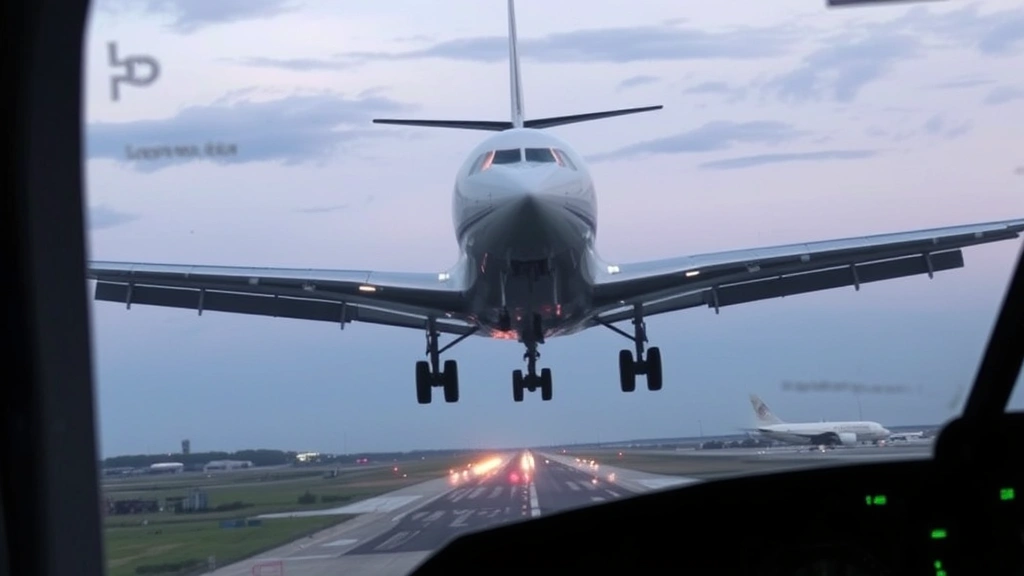
” alt=”Commercial aircraft descending toward airport runway during approach phase, with landing gear visible and runway lights illuminated below, clear weather conditions”>
Passenger Safety During Emergencies
Passenger safety during emergency landings is the paramount concern for all crew members. Flight attendants receive extensive training in emergency procedures, including evacuation protocols, first aid, and passenger communication. When a United Airlines flight declares an emergency, flight attendants immediately shift into safety mode, preparing the cabin for the landing and ensuring all passengers understand the situation.
Modern aircraft design incorporates numerous safety features specifically designed for emergency situations. Seats are constructed to withstand significant impact forces. Emergency slides deploy automatically upon door opening, allowing rapid evacuation if needed. Oxygen systems provide breathable air in case of pressurization failure. These systems, combined with structural design principles, protect passengers even in serious emergency scenarios.
Communication is critical during emergencies. Pilots keep passengers informed about the situation and the actions being taken. This transparency reduces anxiety and helps passengers understand that their safety is being managed by trained professionals. Flight attendants reinforce safety procedures and ensure passengers are seated and prepared for landing.
The vast majority of emergency landings conclude without incident. Aircraft are designed and maintained to high standards, and pilots are extensively trained. When emergencies do occur, the combination of aircraft engineering, crew training, and ground support systems typically ensures safe outcomes. Statistically, commercial aviation remains extraordinarily safe, and emergency procedures play a significant role in maintaining this safety record.
Passengers should understand that emergency landings are not crashes. They’re precautionary procedures designed to address problems before they become dangerous. The decision to land at an alternate airport or declare an emergency reflects the pilot’s commitment to safety, not a sign that disaster is imminent. Staying calm, following crew instructions, and trusting in the expertise of pilots and flight attendants helps ensure the best possible outcome in any emergency situation.
What Happens After an Emergency Landing
After a United Airlines flight makes an emergency landing at Dulles Airport, several procedures follow. Passengers disembark either via normal jet bridges or emergency slides, depending on the situation and aircraft condition. Medical personnel are available to assist anyone requiring attention. Airport ground crews assess the aircraft to determine what prompted the emergency landing.
The FAA and National Transportation Safety Board (NTSB) become involved in emergency landing investigations. The NTSB conducts thorough investigations of accidents and serious incidents, examining aircraft systems, crew actions, and any other factors that might have contributed to the situation. This investigative process, while sometimes lengthy, provides valuable information that improves aviation safety industry-wide.
United Airlines’ operations team manages passenger logistics following an emergency landing. If the aircraft cannot continue to its destination, the airline arranges alternative transportation for passengers. Depending on the situation, this might involve rebooking passengers on other flights, arranging ground transportation, or providing hotel accommodations if necessary. United’s customer service teams work to minimize disruption to passengers’ travel plans while ensuring safety remains the priority.
The aircraft undergoes detailed inspection and maintenance before returning to service. Maintenance technicians examine all systems, identify the issue that prompted the emergency landing, and perform necessary repairs. The aircraft doesn’t resume commercial operations until maintenance personnel certify that all systems function properly and safely.
Documentation from emergency landings contributes to the continuous improvement of aviation safety. Incident reports, maintenance findings, and crew observations inform training programs, maintenance procedures, and regulatory standards. Each emergency landing, while disruptive, provides opportunities to enhance safety systems and procedures.
For travelers concerned about airline reliability, reviewing Sky Voyage Hub Blog provides insights into airline operations and safety practices. Understanding how airlines handle emergencies and maintain safety standards helps travelers make informed decisions about their travel plans.
Aviation Safety Regulations and Oversight
The Federal Aviation Administration (FAA) maintains strict regulations governing all aspects of commercial aviation, from aircraft maintenance to crew training to emergency procedures. These regulations, developed over decades, reflect lessons learned from historical incidents and continuous improvements in aviation safety. When United Airlines operates flights, every aspect of their operations complies with FAA requirements.
The FAA conducts regular inspections of airlines’ maintenance facilities, training programs, and operational procedures. Airlines that fail to meet regulatory standards face penalties and operational restrictions. This regulatory oversight ensures that all commercial airlines maintain high safety standards. United Airlines, as a major carrier, undergoes frequent FAA audits and inspections, demonstrating its commitment to regulatory compliance and safety.
International aviation safety standards, established by the International Civil Aviation Organization (ICAO), ensure consistency across international aviation. Airlines operating internationally must comply with both their home country’s regulations and international standards. This global approach to safety regulation means that commercial aviation maintains consistently high safety standards worldwide.
The NTSB’s investigation of accidents and serious incidents contributes to continuous safety improvement. When NTSB investigations identify contributing factors to incidents, the Board issues recommendations to the FAA, airlines, and manufacturers. These recommendations often lead to regulatory changes or procedural improvements that prevent similar incidents in the future. This continuous improvement cycle has made aviation increasingly safe over time.
Traveler Preparation and Peace of Mind
Understanding emergency procedures and aviation safety helps travelers approach flying with confidence. When you board a United Airlines flight, you’re trusting your safety to highly trained professionals operating under strict regulatory oversight. The systems, procedures, and training that support commercial aviation have evolved over more than a century, incorporating lessons learned from countless flights and incidents.
Before flying, travelers can review how to find cheap airline tickets to Europe and other resources that discuss airline selection and travel planning. Choosing reputable airlines with strong safety records, understanding airline policies, and knowing what to expect during flights all contribute to a positive travel experience.
Familiarizing yourself with safety features on your aircraft, paying attention to safety demonstrations, and following crew instructions during flights ensures you’re prepared for any situation. While emergency landings are rare, knowing that well-trained professionals and comprehensive safety systems are in place provides reassurance.
Consider exploring best airline loyalty programs maximize your travel rewards to understand airline operations and customer service practices. Frequent flyer programs offer insights into airline culture and operational priorities. Airlines that prioritize safety and customer service typically offer comprehensive loyalty programs that reward customer loyalty.
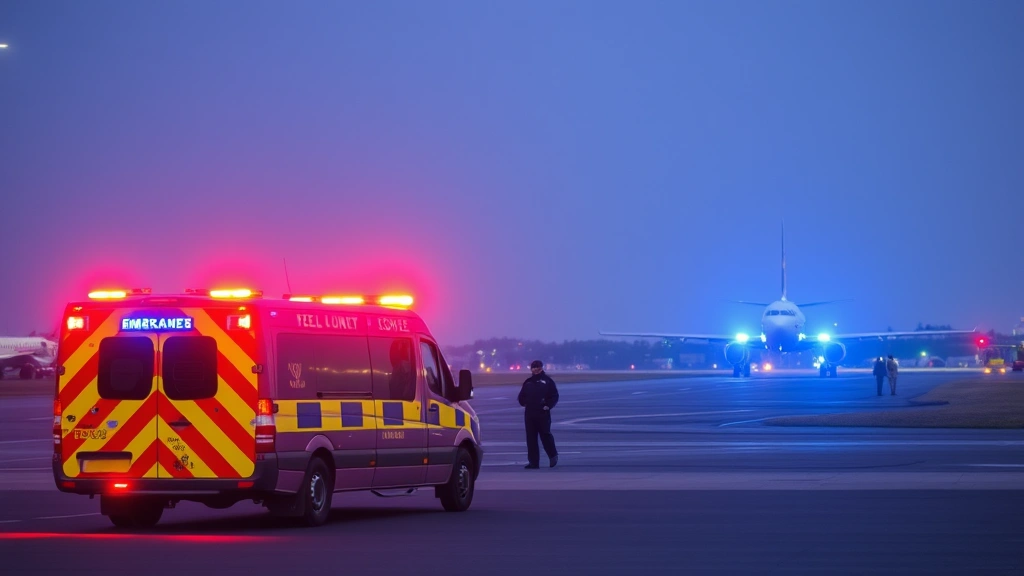
” alt=”Airport emergency vehicles with lights activated positioned along runway perimeter, modern aircraft visible in distance preparing for approach, professional emergency response team standing ready”>
Frequently Asked Questions
What triggers an emergency landing declaration?
Pilots declare emergency landings when they determine that continuing to the destination poses potential risks. Common triggers include engine problems, hydraulic system failures, medical emergencies, structural damage, or instrument failures. The decision is always made with safety as the primary consideration.
Is an emergency landing the same as a crash?
No. Emergency landings are precautionary procedures designed to address problems before they become dangerous. They’re controlled descents and landings executed according to established procedures. Crashes involve uncontrolled impacts with terrain or water. Emergency landings are typically safe and successful.
How often do emergency landings occur?
Emergency landings are relatively rare in modern aviation. The exact frequency varies, but they represent a small percentage of all commercial flights. When they do occur, they reflect safety systems working as designed—pilots and ground personnel managing situations to ensure safe outcomes.
What should passengers do during an emergency landing?
Passengers should remain calm, follow flight attendant instructions, stay seated with seatbelts fastened, and avoid using electronic devices unless instructed. Flight attendants are trained to manage emergencies and will provide clear guidance. Trusting in crew expertise and following instructions ensures the best possible outcome.
How does the FAA investigate emergency landings?
The FAA and NTSB investigate serious incidents and accidents. Investigators examine aircraft systems, maintenance records, crew training, and operational factors. Findings from these investigations inform safety improvements and regulatory changes that prevent similar incidents in the future.
Are modern aircraft safe enough to handle emergencies?
Yes. Modern aircraft incorporate redundant systems, advanced materials, and sophisticated design features specifically engineered to handle system failures. Combined with rigorous maintenance, crew training, and regulatory oversight, modern aircraft are extraordinarily safe even when emergencies occur.
What happens to passengers after an emergency landing?
After an emergency landing, passengers disembark safely. If the aircraft cannot continue to its destination, the airline provides alternative transportation, rebooking on other flights, or ground transportation as needed. The airline’s priority is passenger safety and care following the incident.